The Scent of Rain: Petrichor and the Echoes of Our Genetic Memory
We build concrete cities to escape the wild, yet a single drop of rain shatters this illusion. The scent of wet earth—petrichor—is not just a pleasant aroma. It is a biological superhighway and a millions-of-years-old survival code, proving how deeply we remain tethered to the soil.
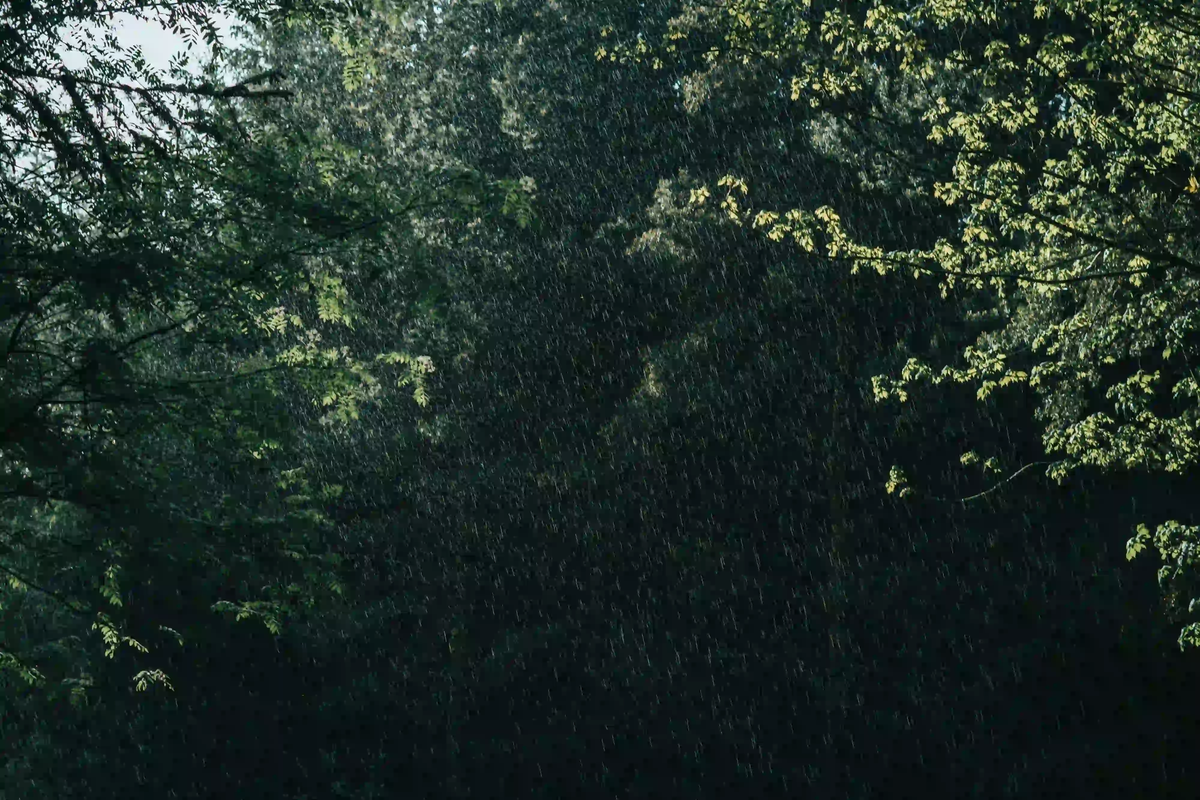
One of the greatest illusions of modern life is our belief that we exist independently, entirely outside of nature. We pave our cities with concrete, work in climate-controlled skyscrapers, and code the wild as a sterile landscape to be visited only on weekends. Yet sometimes, a familiar scent rising from the asphalt with the first summer rain shatters this constructed modern fallacy in a single second.
What most of us call the "smell of earth"—that refreshing aroma we inhale, instinctively feeling a deep sense of peace—is not a biological coincidence. That scent is the awakening of an ancient, millions-of-years-old survival code hidden deep within our nasal passages.
Why, then, has modernity, which physically severed us from the forest, left us so tightly and biologically bound to that very soil? The answer lies at the intersection of atmospheric physics, evolutionary biology, and the invisible ecosystem humming beneath the ground.
Rain Itself Has No Scent
To understand the smell of rain, we must first correct a fundamental misconception: pure rainwater has absolutely no smell. The droplets filtering down from the atmosphere are a completely odorless chemical composition. The intense aroma we experience when it rains originates not from the water falling from the sky, but from the earth itself.
When a raindrop strikes dry, porous soil (or asphalt), a violent physical reaction occurs on a microscopic level. The droplet traps tiny air bubbles on the ground's surface. These bubbles, much like the effervescence in a glass of champagne, shoot upward through the droplet and burst. This microscopic explosion scatters the chemical compounds that have accumulated on the soil during the dry spell into the air as an aerosol cloud. Aided by the wind, these microscopic particles are carried for miles.
The Blood of the Gods: What is Petrichor?
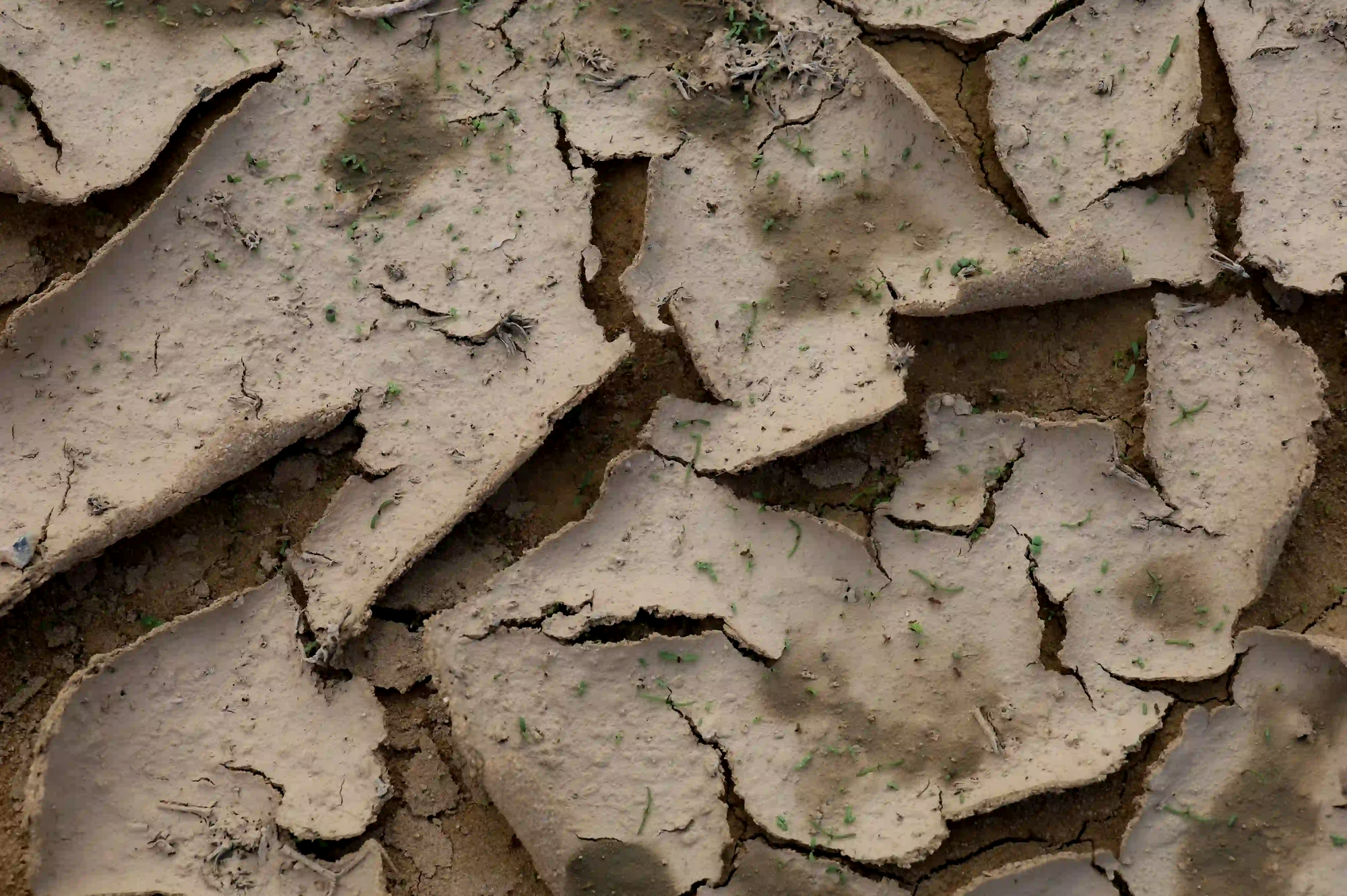
The scientific community employs a rather poetic terminology to define this unique fragrance. In 1964, Australian researchers Isabel Joy Bear and Richard G. Thomas named this phenomenon "petrichor" in their groundbreaking article published in the journal Nature.
The word petrichor is derived from the Greek petra, meaning "stone," and ichor, the ethereal fluid that flows in the veins of the gods in Greek mythology. Literally translated, petrichor means "the divine essence flowing from the veins of stone."
The researchers discovered that during dry spells, certain plants secrete specific oils, such as stearic and palmitic acid. These oils act as a protective barrier that settles into the soil, preventing seeds from germinating and swiftly dying during a drought. When it rains, these botanical oils mix into the air, creating the faintly sweet, green note of the petrichor aroma. But the true, grounding weight of this scent comes from much deeper within the earth.
A Sensitivity of Five Parts Per Trillion: Geosmin
The primary chemical backbone of the petrichor scent is a compound called geosmin. Geosmin (from the Greek geo for earth and osme for smell) is produced by soil-dwelling bacteria, such as Streptomyces, the very same microorganisms that provide us with many of our commercial antibiotics. When these bacteria die, they release geosmin molecules into the soil.
What is truly staggering is not that nature produces this molecule, but the astounding sensitivity the human olfactory system has developed toward it. While modern humans are generally considered to have a weak sense of smell, when it comes to geosmin, our noses transform into biological supercomputers. Scientific research shows that humans can detect geosmin at incredibly low concentrations—even at 5 parts per trillion.
This threshold is so vanishingly low that it rivals the olfactory precision of apex predators detecting a drop of blood in the ocean from miles away. So, why do we possess such a hyper-tuned biological radar for a chemical that gives beets their earthy flavor, muddies the taste of freshwater fish, and forces water treatment plants to spend millions of dollars to filter out?
The Biological Echo of Surviving the Drought

Evolutionary biology dictates that no extreme sensitivity in nature is a coincidence. The extraordinary olfactory capacity humans developed for the geosmin molecule is a direct result of our ancestors' survival strategies.
For early human species evolving in arid landscapes, where every drop of water was a matter of life and death, the ability to detect an approaching storm from miles away was a vital skill. Those who could catch the faintest scent of petrichor (geosmin) carried on the wind moved toward water sources, survived, and passed their genes to the next generation.
Today, when we open the window of our comfortable city apartment and inhale the scent of rain, that involuntary wave of relief and tranquility is not merely aesthetic appreciation. It is the biological echo in our modern brains of a primal safety signal from millennia ago: "We found water; we will survive."
Chemical Warfare and Cooperation Beneath the Soil

Driven by a certain anthropocentric hubris, humanity tends to believe that everything in nature exists for our benefit. We might assume the smell of rain is a romantic guide designed solely to lead us to water. Yet, from a macro perspective, geosmin is actually the radio broadcast of a complex chemical communication network—and sometimes a life-or-death war—within the micro-ecosystems beneath the soil.
Scientists have recently discovered that geosmin might actually function as an aposematic signal (a 'stay away' warning, much like the bright colors of venomous creatures). For instance, when certain microscopic worms (C. elegans) that feed on soil bacteria detect the scent of geosmin, they rapidly flee. To them, the scent carries a clear warning: "The bacterium producing this is also producing toxins that will kill you. Do not eat me."
However, no signal in nature has a single meaning. For insects like springtails, which are immune to the toxic bacteria, the scent of geosmin is an invitation. They follow the scent, consume the bacteria, and spread its spores to new territories via their feces or attached to their bodies. While fruit flies flee from the odor, recognizing it as a sign of competing molds that will ruin their food, female mosquitoes are drawn to it, identifying a rich, viable environment to lay their eggs.
In short, the scent we romantically breathe in during a downpour is actually a massive information superhighway—teeming with directions, threats, and collaborations—for the life beneath the earth.
How Far Can We Truly Distance Ourselves from Nature?
Urbanization, asphalt roads, smartphones, and artificial intelligence algorithms may seem to have insulated us from the unforgiving laws of nature. It is tempting to believe we are an independent species perched at the top of the food chain, controlling it all. But the reality of petrichor and geosmin delivers a jarring lesson about where the boundaries of nature actually begin and end.
We may have physically retreated from the wild, building impenetrable walls of glass and steel around ourselves. But the moment a scent of earth at 5 parts per trillion slips into our nervous system, it instantly awakens the wild, water-seeking, surviving primitive creature within us. Our genes are still speaking the exact same language as the silent world humming beneath the pavement we walk on.
When confronted with this quiet yet profound language of our own biology, we must pause and ask ourselves: Should we really view nature merely as a 'landscape' to be preserved out there in protected national parks? Or must we remember that with every breath we take, down to our very cells, we are an inseparable part of that vast, magnificent web?
The next time it rains and that familiar scent washes over you, remember that it is not just a meteorological event. In that moment, you are reading a deep message whispered to you by evolution, survival, and nature itself. For those who know how to listen, the earth has many stories to tell.
— Related Reading: What Octopuses Teach Us About the Ethics of Nature