Synthetic Cliffs: Why Are Pigeon Nests So Bad?
We assume city pigeons lost their survival instincts. However, behind those few scattered twigs lies a million-year-old genetic legacy navigating modern concrete. They are not invaders; they are a breathing monument to human abandonment and our disposable relationship with the natural world.
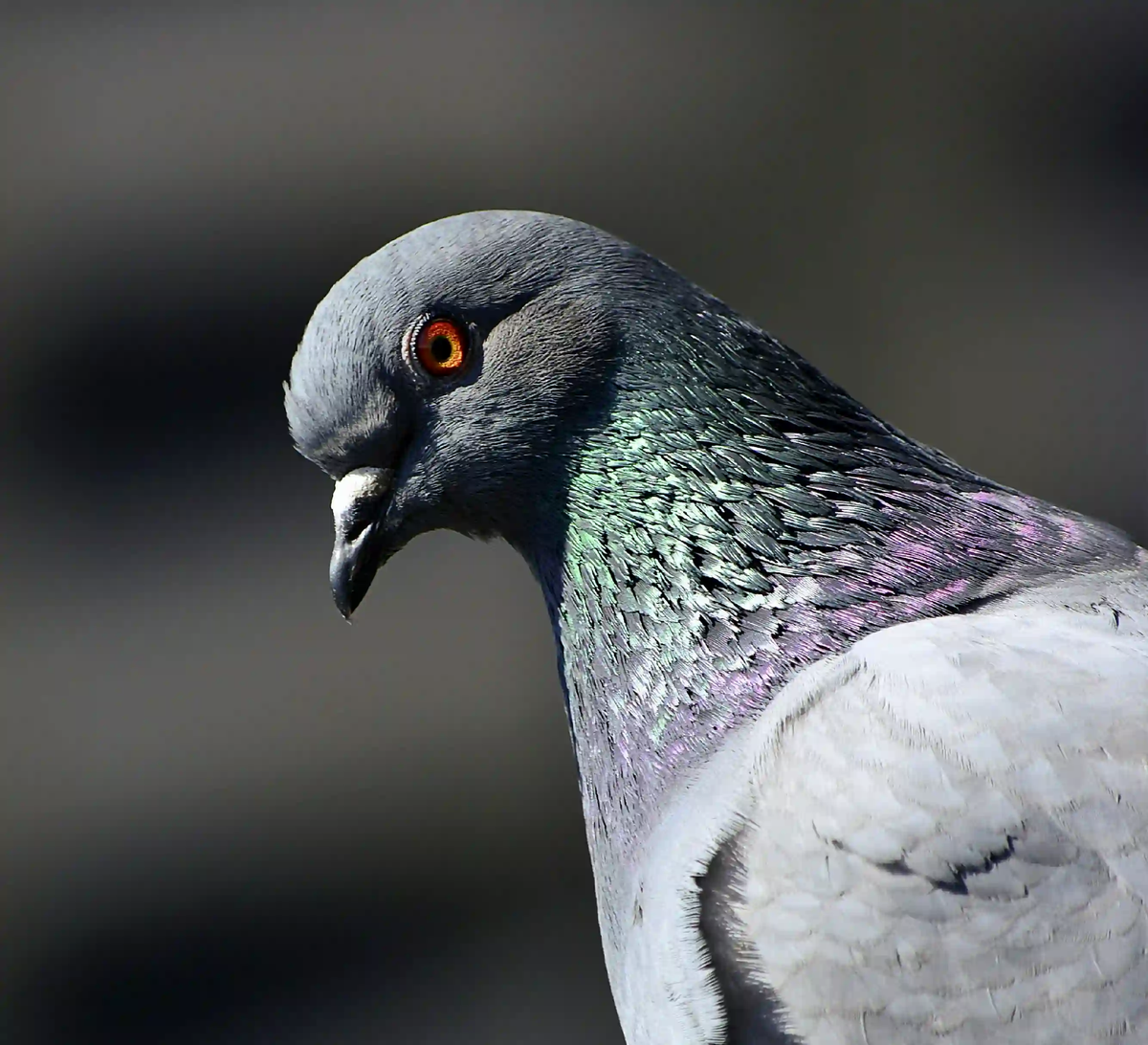
A couple of sparse twigs left in the corner of a balcony, and a single white egg balancing precariously on top. Internet culture is flooded with jokes crowning pigeons as the animal kingdom’s laziest, most uninspired, and downright worst architects. Looking at these "flimsy" nests, we assume nature simply forgot to equip them with nest-building skills, or that city life has somehow made them stupid.
However, behind those few scattered twigs lies not a tale of biological incompetence, but a startling truth we have entirely misunderstood regarding urban ecology, evolution, and, above all, our own hubris.
The "Synthetic Cliff" Fallacy and the Rock Dove

The prevailing myth dictates that pigeons lost their survival and nesting instincts over centuries of living alongside humans. We assume that because they grew accustomed to being fed, they simply stopped bothering to weave complex nests. Yet, science entirely rejects this anthropocentric assumption.
The ancestors of the feral pigeons we see on our streets today—the Rock Doves (Columba livia)—did not live in woodlands or perch on tree branches in the wild. Evolutionarily, they were designed to survive on steep, unforgiving, and wind-battered coastal cliffs. If you are nesting on a vertical stone wall or a narrow rocky ledge, building a complex, wide, and woven nest—like that of a sparrow or a swallow—is not just unnecessary; it is a structural liability. A harsh coastal gale would rip a large nest away entirely. In the cliff habitat of the rock dove, there is only one architectural priority: preventing the egg from rolling off the stone ledge. To achieve this, a few twigs placed around the egg are all that is required.
Now, let’s bring this genetic legacy back to modern cities. When humanity constructs massive towers of glass, steel, and concrete, we believe we have entirely conquered nature and created a habitat exclusively our own. But to the million-year-old genetic code of a pigeon, those magnificent skyscrapers, air conditioning units, and narrow window sills are nothing more than a "synthetic cliff." There is no forgotten skill or stupidity at play. It is simply a wild instinct brilliantly hacking massive modern architecture according to its own evolutionary rules.
Biological Hardware and the Magnetoreception Mystery
This creature's urban survival hardware extends far beyond mistaking concrete ledges for cliffs. Today, humanity boasts of having conquered space with billions of dollars worth of GPS satellites and massive cellular networks. Yet, the pigeons we carelessly dismiss as "rats with wings" in city squares navigate using the exact same invisible forces: electromagnetic fields.

The scientific community has yet to fully unravel how this magnificent biological system (magnetoreception), which allows pigeons to make intercontinental flights with zero reference points, actually works. For decades, it was believed that iron-rich cells in their beaks acted as a sort of internal compass. However, the most recent and exciting research shifts the focus to their eyes. It is now thought that specialized proteins in their retinas, called cryptochromes, play the leading role in detecting the Earth's magnetic field at a quantum level.
We are looking at a creature whose biological hardware pushes the boundaries of modern technology, capable of reading the planet's magnetic lines like a visual map. Yet, despite this extraordinary compass, we choose to label them merely as a nuisance that soils our cars. So, what lies beneath this deep ecological hostility?
Not a Wild Invasion, But Feral Abandonment
If pigeons possess such superior biological infrastructure, why do they form the pariah class of our cities today? The answer is hidden not in their nature, but in humanity's utilitarian, "use-and-discard" relationship with the natural world.
The city pigeons we see on the streets are not wild invaders who left the forest to occupy our living spaces. They are an entirely feral, or rather, abandoned species. For centuries, we domesticated them just as we did dogs or horses, altered their genetics, and utilized them as our most vital communication network.
Before the invention of the telegraph, radio, and modern telecommunications, they were the backbone of global information flow. They carried military secrets that saved lives in wars, dictated the speed of intercontinental trade, and bore the news of crashes and booms in European stock markets. We relied on them so heavily that we bred specific races and physically shaped their anatomy to increase their speed.
But when cables began crossing oceans in the late 19th century, ushering in the era of telecommunications, they were rendered obsolete. When humanity discovered a new technology, we did not reintegrate these creatures—who had served us for millennia—back into their natural ecosystems. Instead, we simply abandoned them to their fate in the middle of our new, concrete world.
Breathing Monuments to Hubris
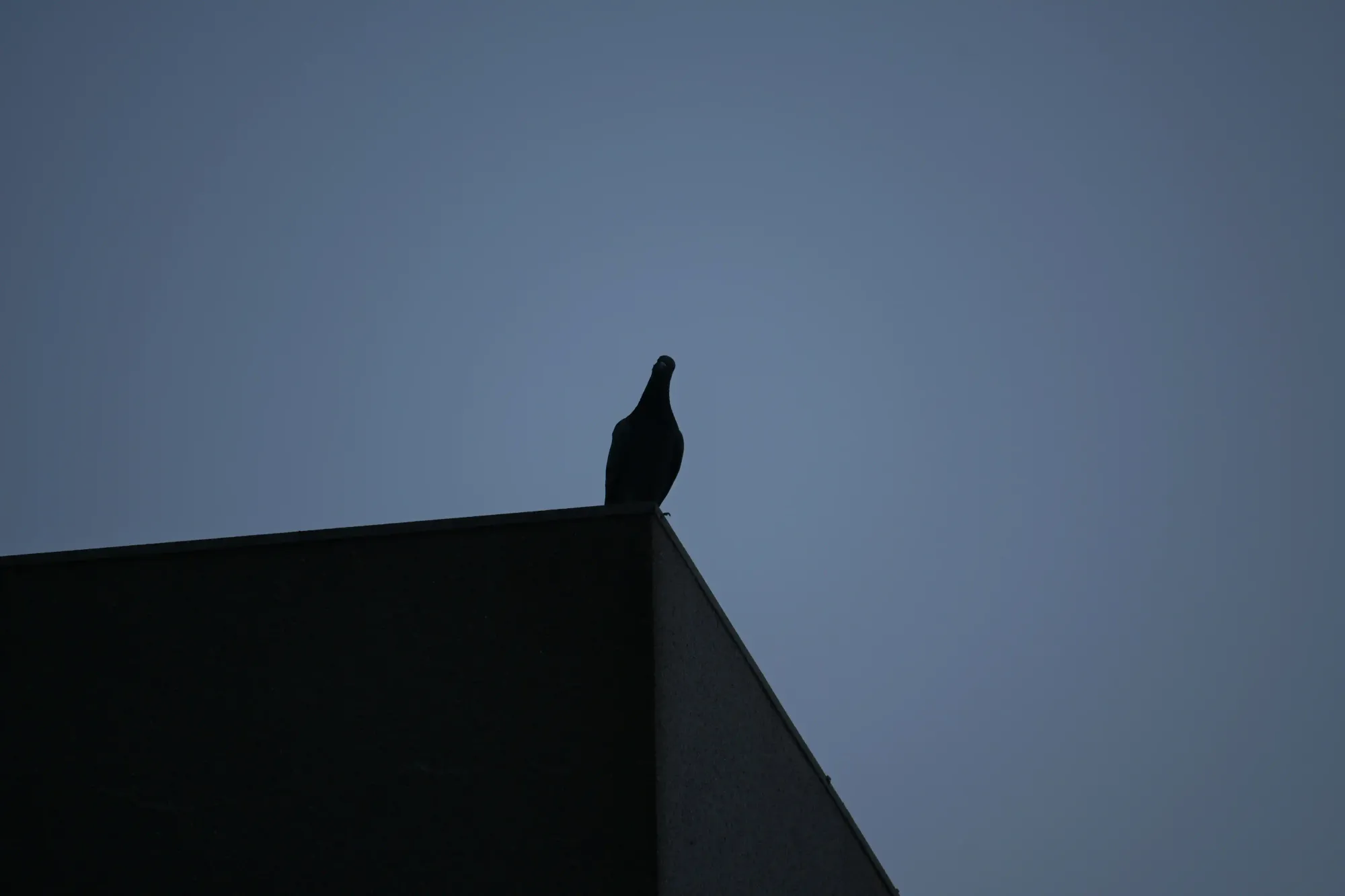
The bird approaching your table at a cafe or taking up residence on your balcony today is not a glitch in nature or a parasite. It is a breathing monument to humanity's boundless hubris and disposable mindset. We created them, used them ruthlessly for our own purposes, and when their function expired, we found them disgusting simply because they tried to survive in the very synthetic world we built.
A genuine discussion on urban ecology must encompass not only melting glaciers or distant rainforests but also the creatures we shaped with our own hands and then turned our backs on.
If we condemn a creature the moment it outlives its usefulness to us, is our modern claim to protect nature a true ecological awakening, or just a new disguise for our boundless hubris?
The next time you see a single egg resting on a few scattered twigs on your window sill, do not question the architectural skills or the intelligence of the pigeon. Instead, question the grand human morality that values a living being only as long as it is functional, and views its right to life as a luxury when it is no longer needed. Because while we search for nature in the great outdoors, our most profound ecological confrontation is actually waiting for us right there, in the corner of our balcony.
— Related Reading: Biological Homelessness: What Bees Dozing in Flowers Reveal About Our Cities