The Blueprint of Nature: Why We Build Our Cities From Dead Materials
We build our cities from dead materials. Sustainability merely delays this inevitable decay. We must abandon this illusion and embrace regenerative architecture principles like mycelium architecture.
Look closely at the physical reality surrounding you right now. The floor you walk on, the wall you lean against, the window you look out of. To construct the modern world, we tear raw materials from nature, kill them entirely in blast furnaces or chemical processes, and transform them into static objects. We cut down ancient forests, melt sand into glass, and bake limestone to pour into concrete. Our magnificent cities, the greatest symbols of human hubris for centuries, are actually massive and highly organized inorganic storage facilities.
For decades, we have measured ecological success by how little harm we inflict upon nature. Using recycled plastic or producing concrete by consuming less energy became our ultimate goal. Yet in a rapidly collapsing biosphere, merely doing less harm is no longer a valid survival strategy.
Beyond the Illusion of Sustainability
The traditional concept of sustainability is fundamentally built on damage mitigation and efficiency. It asks how we can maintain our current industrial habits without completely collapsing the ecosystem. This situation is a utilitarian logic of consumption disguised as environmental protection. Dead materials eventually rot, crack, and require constant repair. Sustainability often simply delays an inevitable destruction.
The philosophy guiding design must undergo a radical shift. We are moving away from human-centric planning and entering a new era that integrates the regenerative capacity of natural systems into design. Authored by architect William McDonough and chemist Michael Braungart in 1992 and considered the constitution of ecological design, the Hannover Principles present a clear and severe manifesto to modern architecture.
"Eliminate the concept of waste. Evaluate and optimize the full life-cycle of products and processes, to approach the state of natural systems, in which there is no waste."
Demanding a complete restructuring of architecture and industry, this principle requires not just reducing waste but eliminating the very concept of it. The worlds of design and science are now applying a far more concrete and revolutionary method that turns this principle into reality. This is known in the literature as regenerative biodesign, or in more radical terms, Biogeneration. Advocating for human coevolution with nature, this approach is strictly tied to zero-waste principles and the cradle-to-cradle production cycle.
From Extraction to Cultivation
For years, we merely imitated the forms of nature. We designed buildings inspired by the curves of leaves or the spiral structures of seashells. Yet this was nothing more than a passive replication. Biogeneration rejects this passive imitation process. We are no longer simply copying the shape of nature. We are including living organisms themselves directly into the architectural production process as active collaborators.
The most striking and realistic example of this biological architecture is mycelium, the invisible underground root network of fungi. In architectural and technical applications, fungi species with a high chitin content such as Ganoderma lucidum are specifically preferred. When used in load-bearing and insulation projects, these species offer mechanical durability and fire resistance that far surpass those of traditional synthetic foams. Mycelium architecture carries the potential to transform the construction sector from a mining and demolition process into a massive agricultural industry.
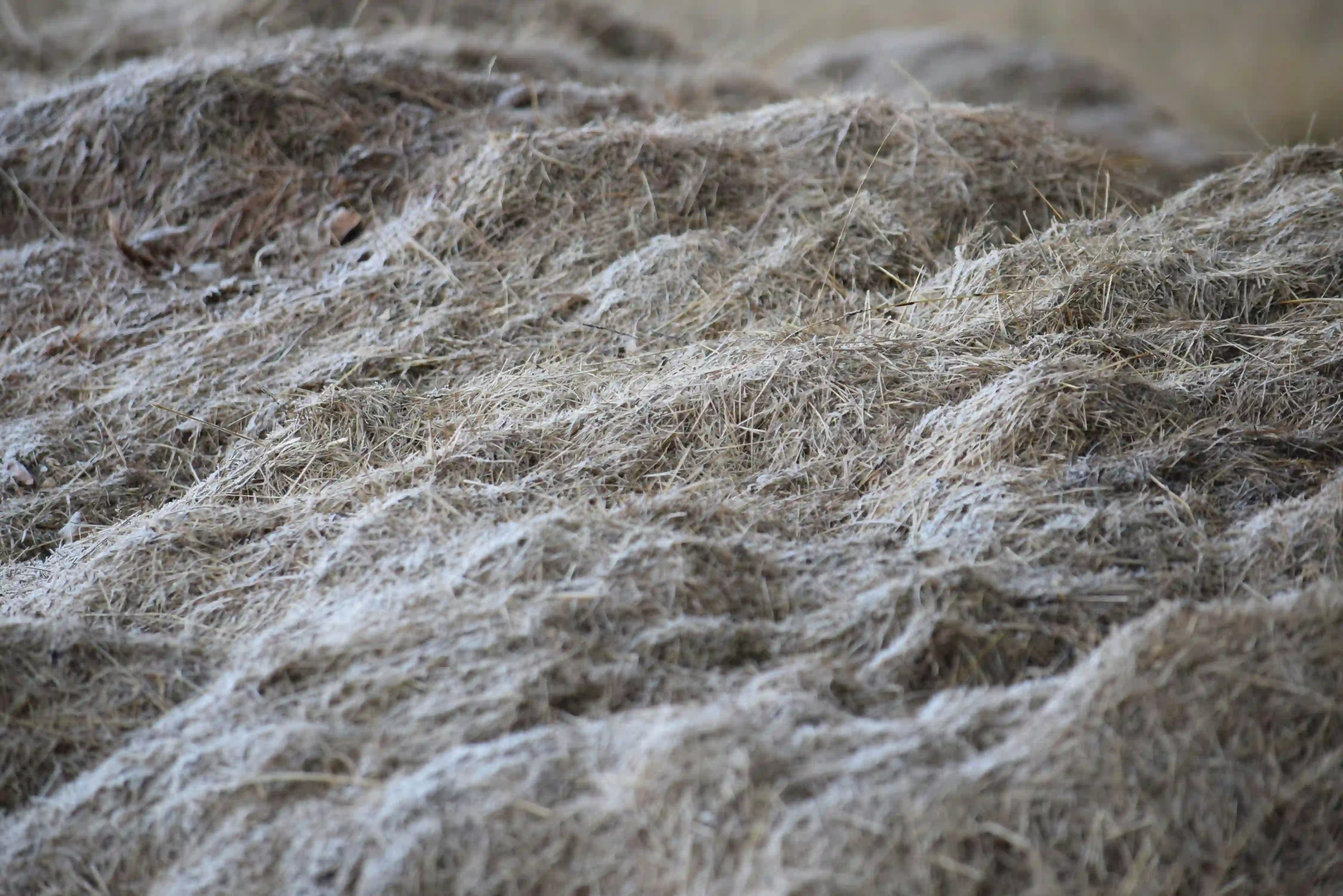
This revolutionary production process does not take place in factories with heavy industrial machinery, but in controlled laboratory environments. Fed with agricultural waste like hemp, corn cobs, and sawdust, these thread-like organic networks can turn into highly durable, lightweight, and insulating building blocks in just a few days. Once they reach the desired shape and load-bearing strength, their growth is halted by baking. In other words, instead of processing raw materials in a lifeless state, we are growing them alive like a plant.
Growing self-weaving buildings instead of pouring concrete into molds is now a tangible reality tested in visionary architectural studios. Concrete projects like the MycoTree structure co-developed by researchers at ETH Zurich and the Karlsruhe Institute of Technology (KIT) or The Growing Pavilion in the Netherlands prove that this technology is scalable. For the sake of scientific honesty, one detail must be explicitly stated. Although these organic blocks provide high thermal insulation, they rapidly absorb water and still seriously require special protective moisture coatings and architectural modifications to ensure their longevity outdoors. However, the future trajectory of architecture has now changed irreversibly.
The Awakening of Inanimate Matter
The structural transformation of Biogeneration is not limited to fungi alone. Concrete, the most widely used building material in the world and the cause of the highest carbon emissions, is also getting its share of this biological evolution. A static concrete mass succumbs to climate conditions, physical loads, and temperature fluctuations over time. It cracks and crumbles. Yet scientists have managed to elevate concrete from a dead mass and transform it into a reactive and living tissue.
Dormant spores of alkaliphilic Bacillus bacteria are embedded into modern concrete mixtures within protective polymeric microcapsules or porous minerals like expanded perlite. These special bacteria can preserve their vitality for years without showing any vital functions in the high-pH and desiccating environment of fresh concrete. When the building's wall cracks years later and a single drop of moisture or rain seeps through that fissure, a flawless biological mechanism is triggered. These bacteria, asleep for years, awaken, consume the nutrients provided to them, and rapidly produce calcium carbonate (calcite). Much like human skin healing its own wound by forming a scab, the bacteria completely seal these crevices, which are hundreds of micrometers wide, from the inside.
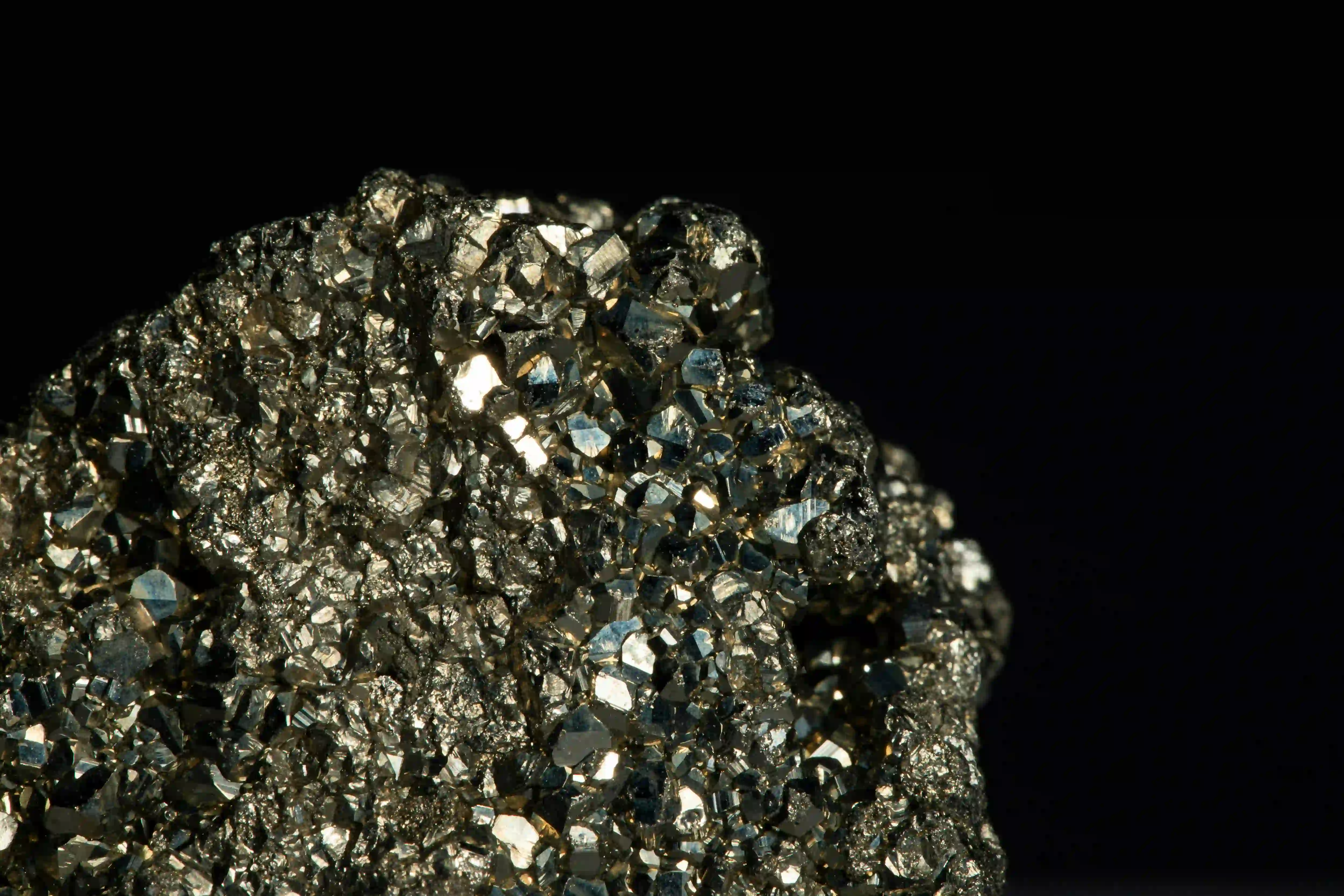
This technology elevates buildings from being static and soulless shelters. It transforms them into massive cellular organisms that interact with their surroundings, react when damaged, and heal themselves. Humanity defined its civilization through the structures it built to seek protection from the wild and keep it outside the walls. Yet excluding nature has only condemned us to producing more concrete, destroying more natural habitats, and erasing the ancient memory of the planet.
Regenerative biodesign and biogeneration signal the end of anthropocentric hubris and the illusion that we can control nature. We must no longer be the sole rulers of the earth but its students and harmonious collaborators. The design criteria of the future will be measured not only by how little carbon a building emits but by how much life it adds to the ecosystem in which it is built.
Looking at all this biological vision and the concrete reality proven in laboratories, the real question we must confront stands very clearly before us. While we possess the technology and wisdom to organically grow our homes from the soil and heal our walls like living skin, why do we still remain so insistent on digging up the earth to create dead cities?
— Related Reading: The Reign of Asphalt: How to Reclaim Our Streets from Machines