More Than a Green Blur: 'Plant Blindness' and the Silent Network of Forests
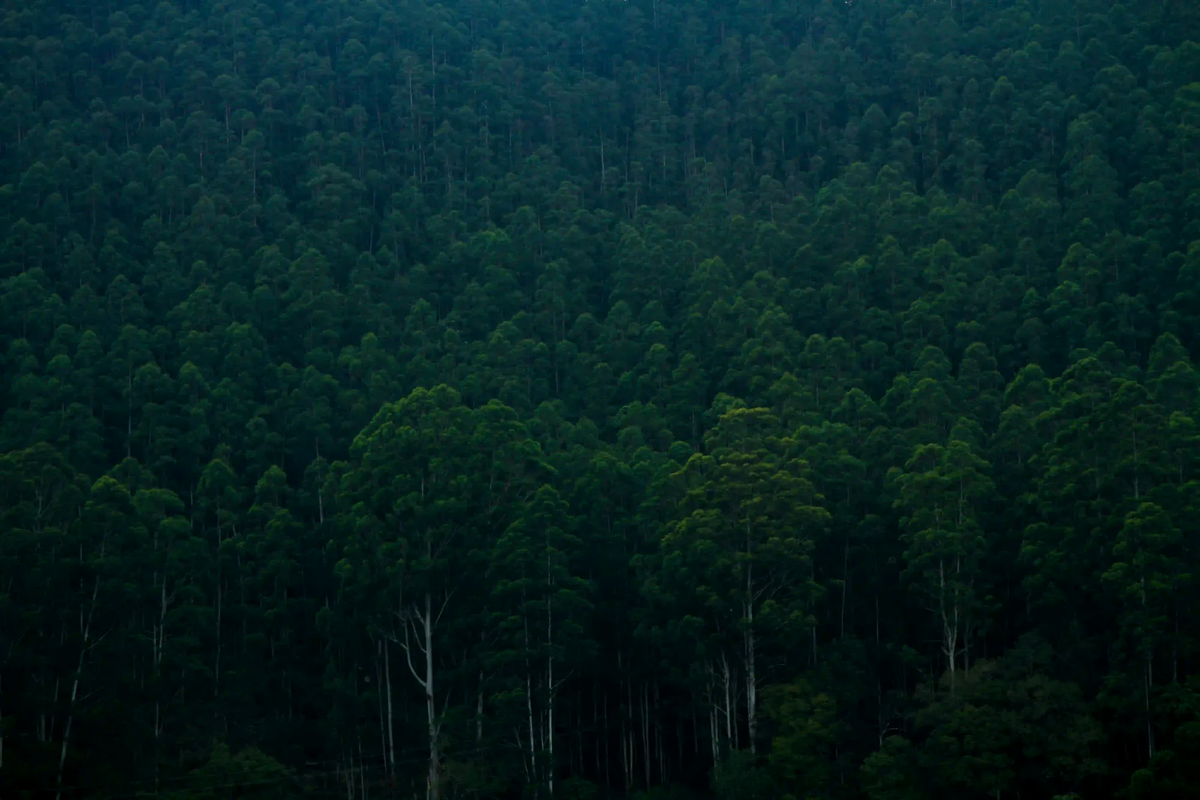
Every day, you walk past centuries-old biological architecture. You know the exact timing of the notifications on your screen, the release date of your favorite show's new season, or the expiration dates of the cards in your wallet with flawless precision. Yet, have you ever wondered about the name, the species, or how many years that massive trunk—the one you walk past every morning on your way to work, whose shade you seek refuge in, or whose sway in the wind you watch from your window—has been standing there?
To the modern human, nature is often nothing more than a massive, indistinct, and monotonous "green blur." Trees are no longer living entities that breathe, communicate, and hold memories; they have become mere "landscaping objects" decorating our cities and roads—entities we have grown so accustomed to that we can no longer truly see them.
The scientific community defines this profound and silent disconnection of the modern age with a very precise term: Plant Blindness.
How did we manage to render this colossal ecosystem right before our eyes completely invisible?
The Cognitive Illusion of the Modern Age: What is Plant Blindness?
The concept of Plant Blindness was first introduced in 1999 by botanists James Wandersee and Elisabeth Schussler. Referring to the inability of humans to perceive plants as active, living organisms in their environment, the roots of this concept actually trace back to our evolutionary past.
According to evolutionary psychologists, the human brain is hardwired to prioritize the detection of threats or potential prey (namely, moving objects and animals) in order to survive. However, today, this biological predisposition has morphed into a chronic desensitization when combined with the hyper-stimulating world of digital screens. When people look at a forest, they do not see a civilization composed of thousands of different species; they only see a wall of green. For us, the difference between a sycamore and an oak tree has become less significant than the difference between one building and another.
The Flawless Algorithm Beneath the Soil: The Wood Wide Web
When we view forests merely as "scenery," we miss the true tragedy: just beneath the soil we tread, the world's most complex and ancient communication network continues to operate. While we live isolated lives driven by digital crises and an obsession with speed on the surface, forests sustain a colossal philosophy of solidarity underground.
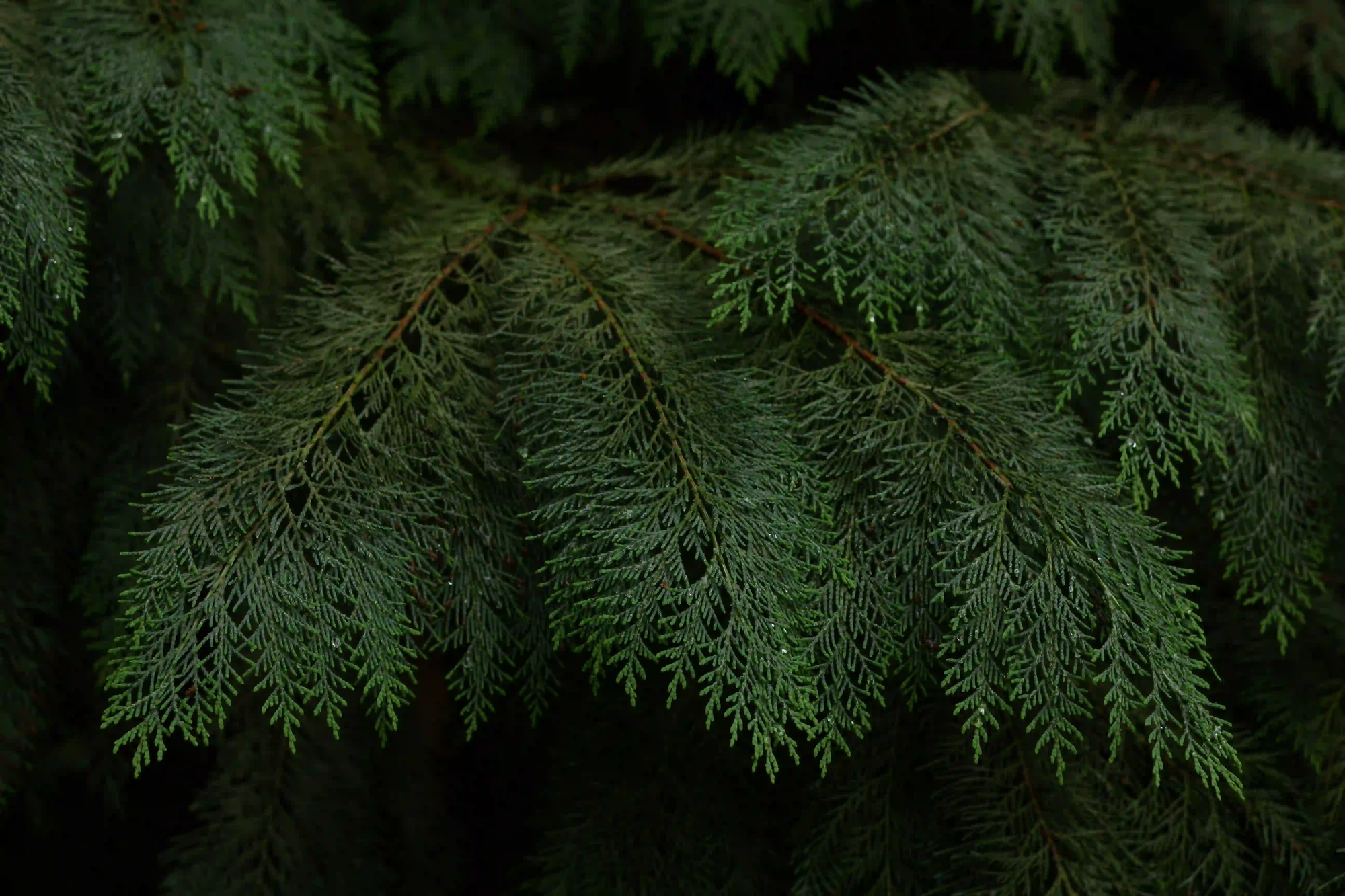
Through massive fungal networks (Mycorrhiza) that scientists call the Wood Wide Web, trees are in constant and uninterrupted communication with one another. This organic network operates far more flawlessly than an internet infrastructure. Healthy trees transfer carbon and water through these fungal roots to ailing or shaded saplings. When an insect infestation begins, the first tree under attack warns the others via chemical signals, prompting them to trigger their defense mechanisms (such as increasing the toxin levels in their leaves).
Unlike the modern world we have built, forests have been founded not on competition, but on collective solidarity (symbiosis) for millions of years.
'Mother Trees' and the Memory of the Ecosystem
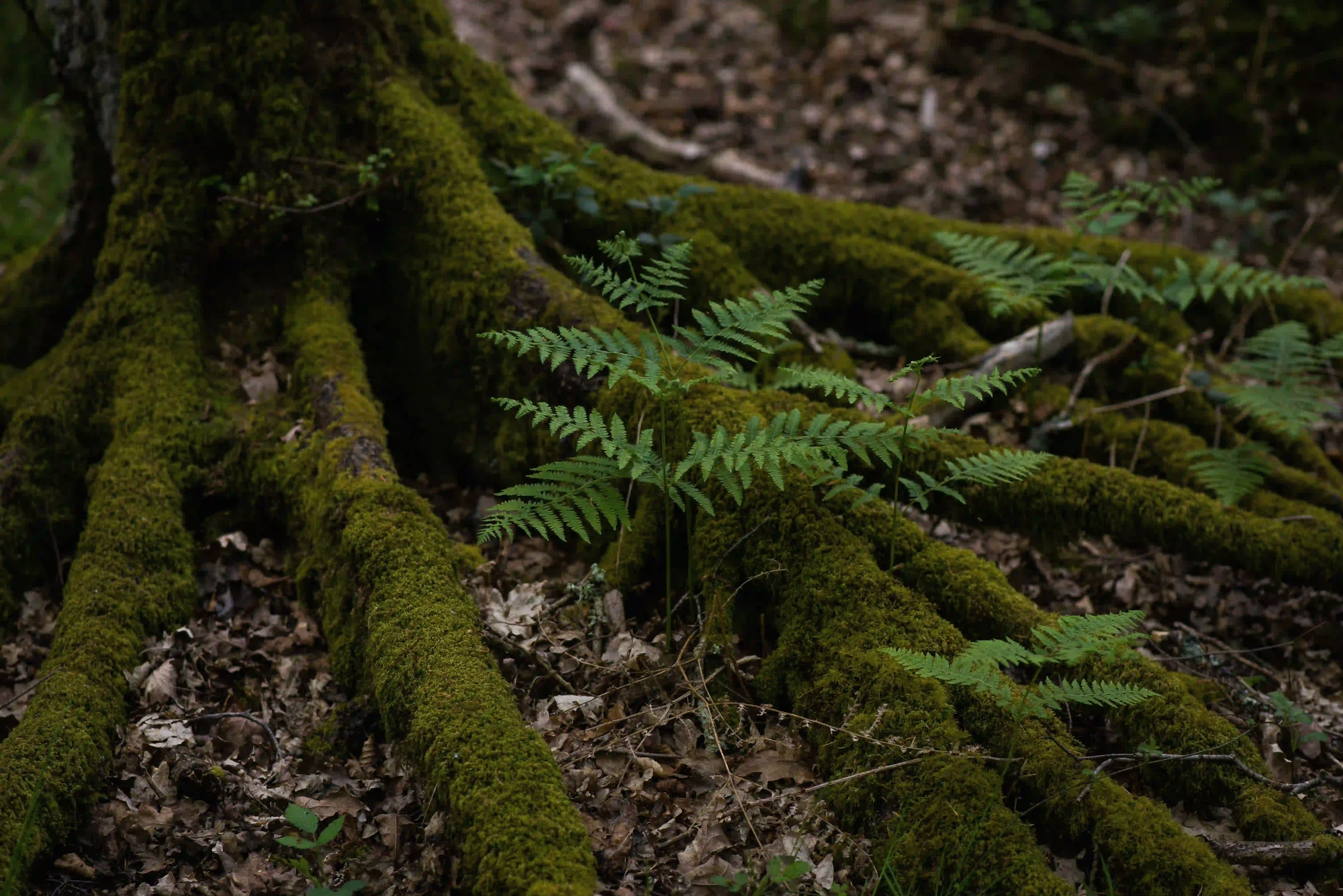
At the center of this network reside what ecologists call "Mother Trees"—the oldest members of the forest with the deepest roots. A mother tree is connected to hundreds of other trees through the underground network. She transfers resources not only to her own species but even to different species of trees in times of need. When you cut down a centuries-old tree in a forest, you don't just topple a wooden pillar; you pull the plug on the main server of an entire ecosystem. Along with that tree, a century's worth of data flow and survival wisdom is erased.
The Ancient Heritage Amidst the Concrete
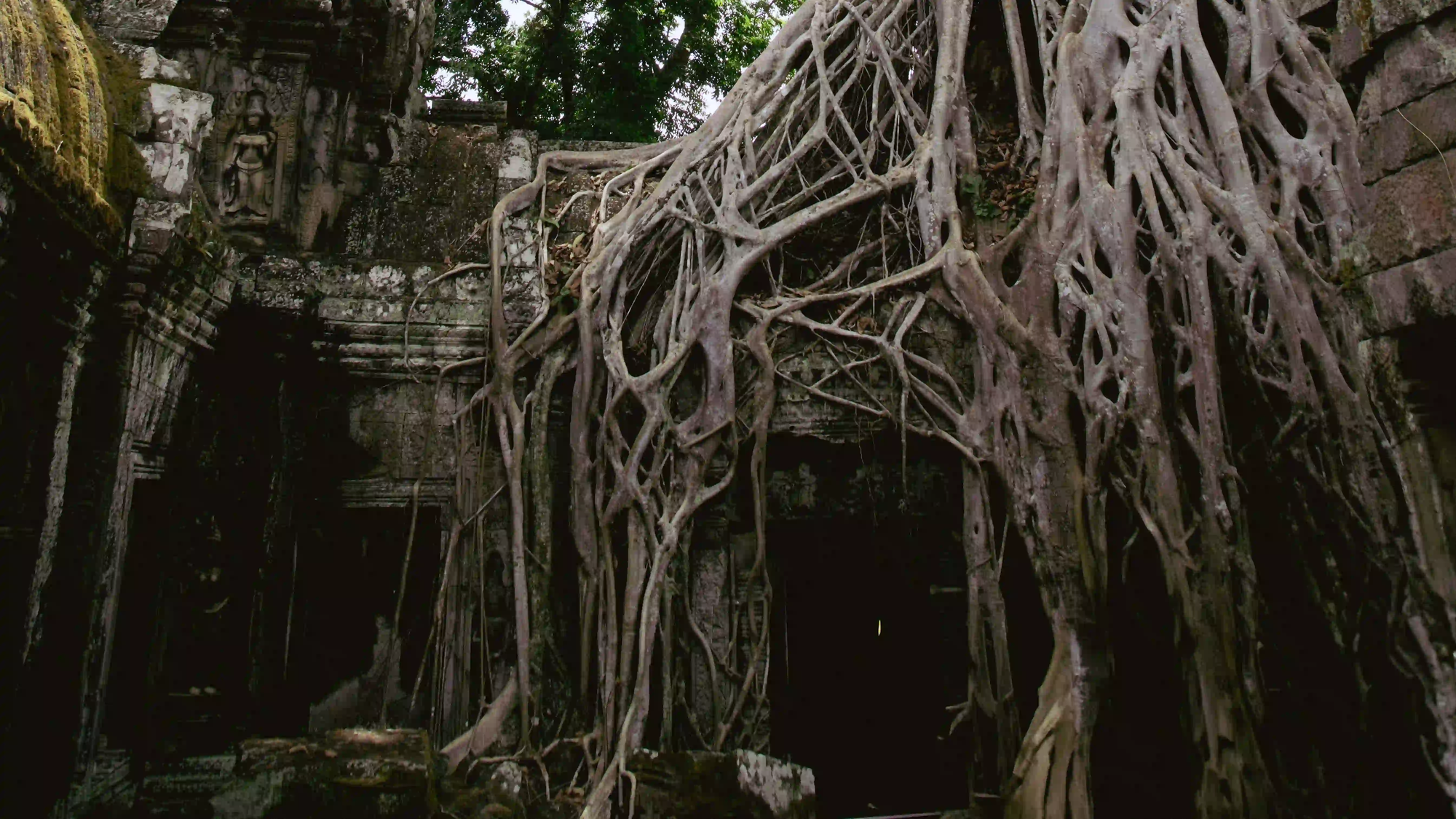
Throughout history, humanity built civilizations with trees at the center. In Ancient Greece, philosophy was born in the shade of olive trees; temples were reverently placed around millennia-old trunks. However, modern urban planning severed this ancient relationship. We now view trees as mere "aesthetic filler materials" used to plug the gaps between concrete blocks.
Yet, trees are the quietest time-recording devices on this planet. Compared to the frantic brevity of human life, their profound silence is the most noble response to modern man's obsession with speed. As botanist Daniel Chamovitz notes in his striking observation: "A cherry tree knows when spring has arrived because it remembers the previous winter."Taking a photograph of a location or knowing its coordinates does not equate to "understanding" that space. True comprehension begins when you respect the unique temporal perception of these ancient entities.
So, What is Your Favorite Tree?
We all have a song we know by heart, a movie we’ve watched repeatedly, or a city we dream of visiting. But when asked, "What is your favorite tree species?" a massive void echoes in the minds of most. How did our connection to the very entities that sustain our survival, clean our air, and demonstrate the world’s most flawless example of solidarity become so completely severed?
The way to mend this disconnection and overcome plant blindness is not by becoming an activist or seeking refuge in forests every day. The first step is much simpler:
Today, when you lift your head from the screen and step outside, take a close look at that tree you walk past every day without knowing its name. Touch its trunk, feel the texture of its bark, and at the very least, learn what species it is. Truly recognizing a single living entity within that massive green blur is the first step toward reclaiming the sensitivity we have lost.
Tell me, do you know the species of that century-old guardian standing right outside your door?
— Related Reading: Europe’s Baking Homes and a Flawless PR Illusion: The Carbon Footprint