Alien Intelligence on Earth: What Octopuses Teach Us About the Ethics of Nature
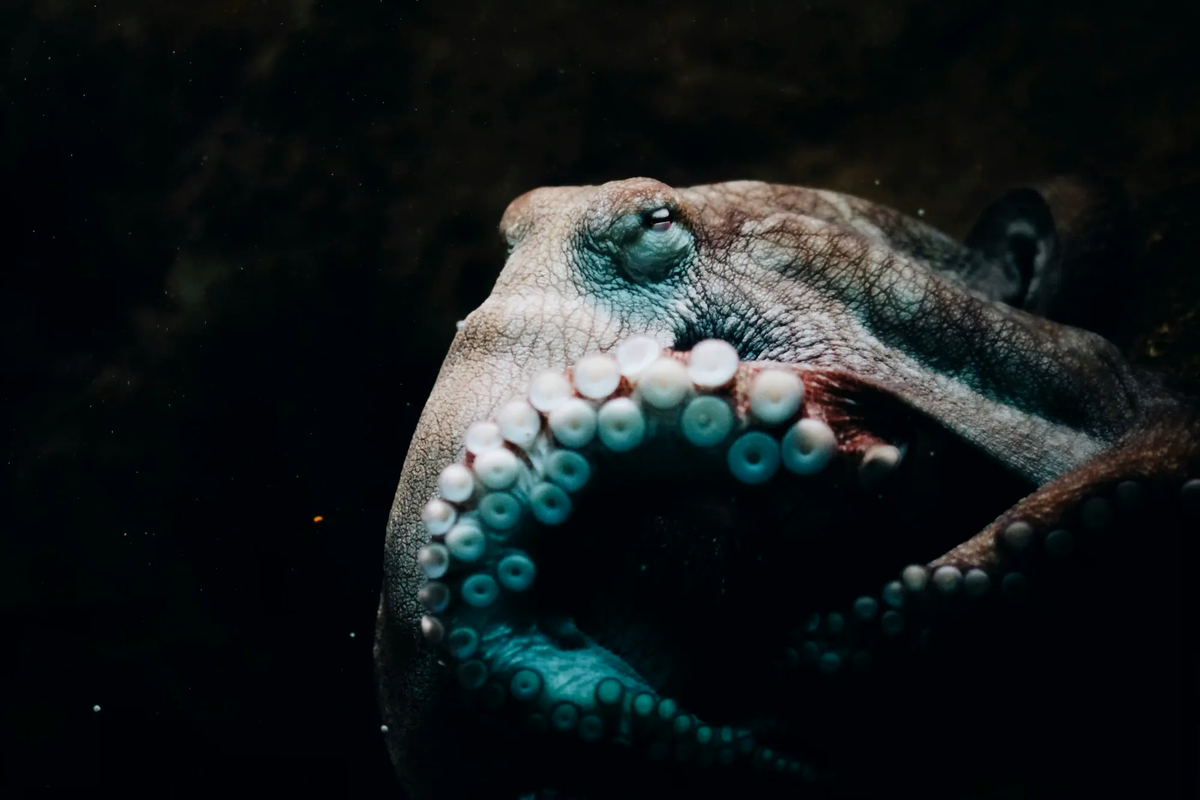
Right now, in the freezing, pitch-black waters of the ocean, an intelligence that evolved on a completely different trajectory from humans, unlike anything we know, is making decisions, solving complex problems, and most likely dreaming. Octopuses are the most "extraterrestrial" beings within earthly boundaries, baffling us the most with their neurological structure among the millions of species we share the planet with. Yet, for the vast majority of modern society, the closest we come to this deep consciousness is, unfortunately, when it is presented on a chic restaurant plate drizzled with olive oil.
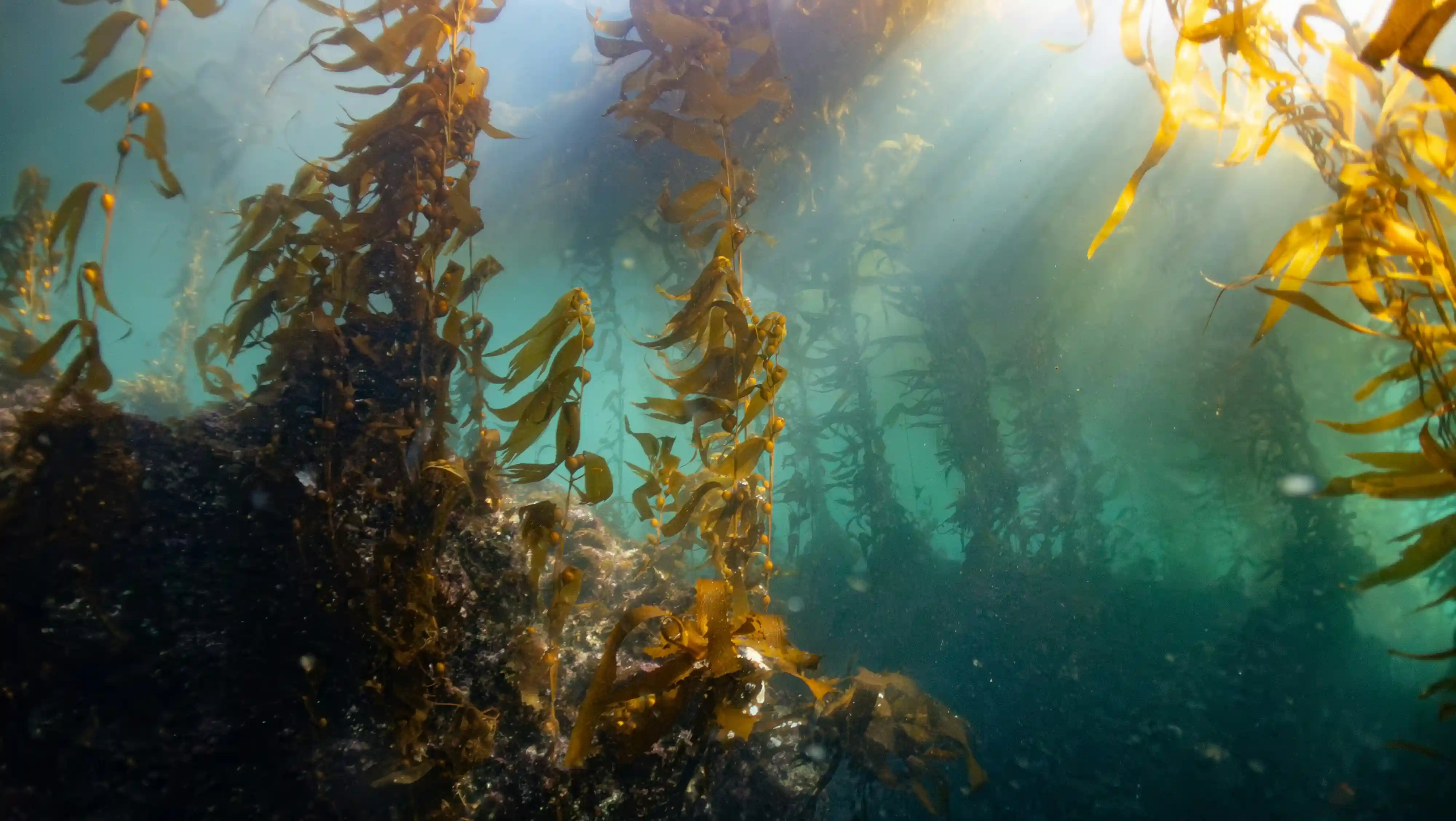
Set amidst the giant kelp forests on the stormy shores of South Africa, the documentary My Octopus Teacher, which radically shook how we read nature, serves as a sharp mirror held up to this comfortable ignorance. This narrative is not merely a story of a strange bond a man formed with a wild animal; it is also a documentary of how our anthropocentric worldview collapses in the face of the ocean's silence.
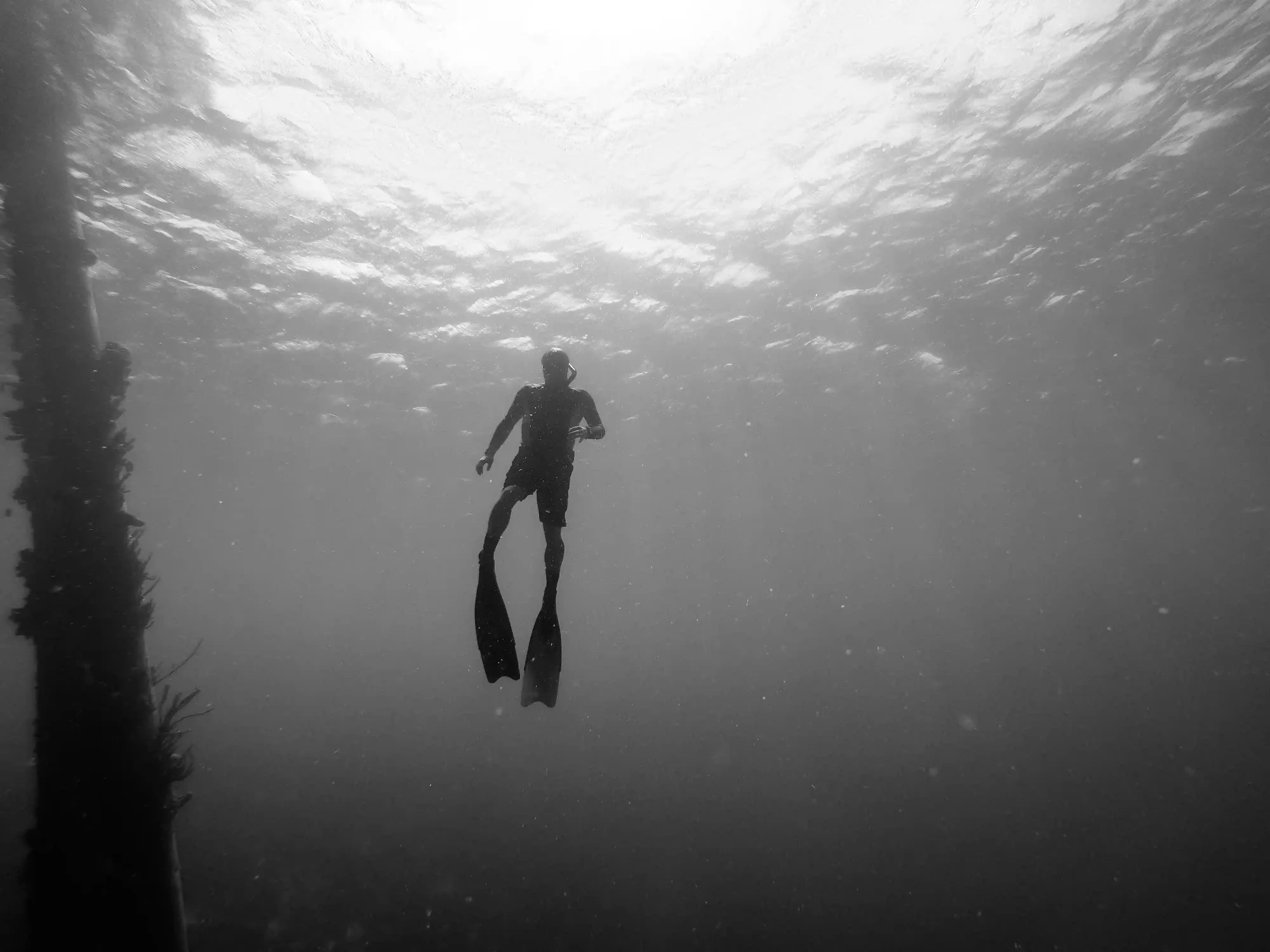
Diving into the same kelp forest for exactly 365 days, pushing the limits of the human body without even using a scuba tank, a documentarian set a single, ruthless rule for himself throughout this entire process: Never intervene, just observe.
A Being Carrying a Brain in Its Arms: The Biology of Octopus Intelligence
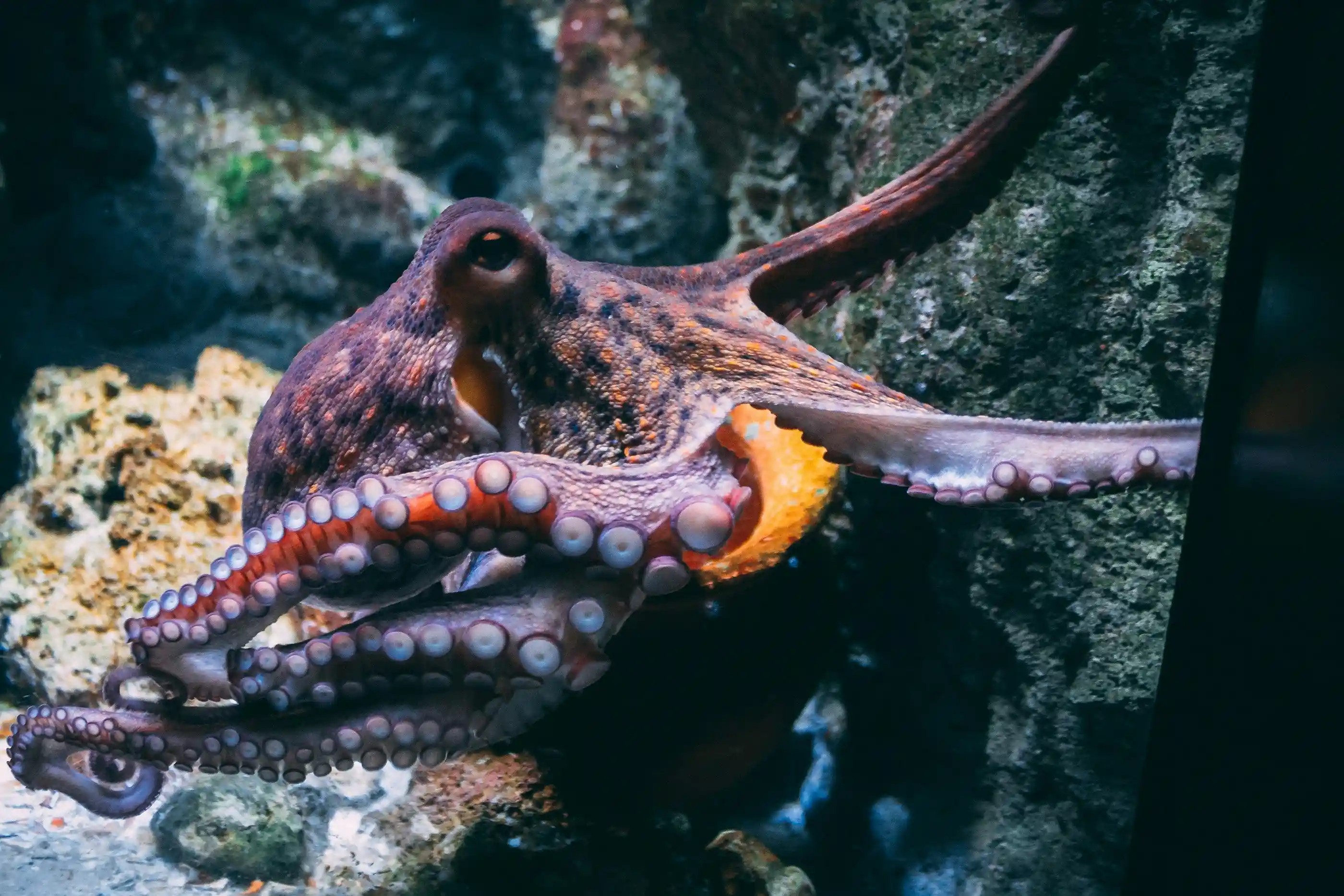
The creature observed in the depths was no simple marine animal; it was an octopus with a massive neural network distributed across its arms, rather than keeping two-thirds of its neurons in its brain. This biological architecture allows the octopus's arms to think, taste, and make decisions independently from the center. This immense intelligence—capable of replicating the texture of surrounding rocks, shells, or sand down to the pixel in seconds, using tools, and developing strategies to evade predators—tragically fits into a lifespan of merely one year.
If one of the planet's most complex problem-solving mechanisms is designed to live for only one year, reproduce, and then immediately die; how radically different might the concepts of "success" and "time" in evolution be from what we construct with our human minds?
This short and intense life cycle shatters the arrogant equation humans draw between intelligence and longevity. The octopus does not accumulate life; it consumes it momentarily, wildly, and with high awareness.
The Savior Complex and the Burden of Silence
Following months of silent and patient tracking, the invisible boundary between human and wild nature faced its heaviest test when the octopus was attacked by a pyjama shark.
Watching an octopus lose one of its arms while fighting for survival against a predator creates an unbearable tension for those of us sitting in the audience. At that exact moment, the most fundamental human instinct is triggered within the diver and millions watching behind screens: to become the savior. Throwing a stone into the water, startling the shark, or pulling the octopus from those deadly jaws is the clearest manifestation of humanity's desire to police nature using its "superior" moral position.
Yet, the diver did not move. Despite his own emotional devastation, he simply held his breath on the ocean floor and watched.
Judging Wild Nature by Our Own Morality
We humans are conditioned to shape nature through our own moral codes, with dichotomies of good-evil, victim-killer. Declaring the shark evil and the octopus innocent is the greatest disrespect we pay to nature's billions of years old neutral mechanism. Truly respecting nature requires the courage to remain outside its ruthless, flawless, and impartial wild cycle without intervening.
The diver's non-intervention is not an act of cruelty; on the contrary, it is the purest form of submission to the sovereignty of wild nature. The ecosystem is not a theatrical stage existing to soothe our conscience; the tragedy of one creature is the survival guarantee of another.
The Universe on Our Plate: The "Seafood" Illusion
This deep observation process dissects the anatomy of human hubris. We assume ourselves the undisputed owners of this world, build cities, write algorithms, and reduce creatures that perceive the world differently and carry a massive consciousness within themselves to mere "seafood" labels in supermarket aisles. Our own voice, the digital noise we have constructed, and our perception of civilization are so loud that we have become deaf to the whispers of the rest of nature.
While trying to prove our moral and intellectual superiority at every opportunity, could confining a consciousness that harbors an entire universe into the category of "consumable goods" simply because it does not speak our language or build cities be modern humanity's darkest moral blindness?
If a creature we assume to be just an ordinary dinner menu harbors such deep intelligence, pain, problem-solving ability, and existential integrity; to what other worlds, which we rush past every day in the speed of city life, ignore, and claim dominion over, are we completely blind?
From Our Own Noise to the Ocean's Silence
This pathological domination humanity has established over nature, the habit of seeing it as a resource, and the lack of a "silent observation" philosophy lie at the root of the modern era's greatest ecological and cultural crises. This confrontation, extending from the silent world of the octopus to our own digital noise, demands that we redefine our relationship with nature from scratch.
The world is not solely our playground. In that pitch-black darkness at the bottom of the ocean, an alien intelligence—at least as complex as ours, wanting to live at least as much as we do, and needing not our salvation but only our respectful silence—continues to flow. Even if we remain silent, nature will continue to write its own flawless story. The question lies in whether we can manage to be quiet enough to read this story.