The River That Forgot How to Flow and the Ghosts of Seoul's Asphalt
In the mid-twentieth century, cities buried their waterways under concrete. Today, they are tearing up the asphalt. The Cheonggyecheon restoration in Seoul is hailed as a miracle of urban planning. Yet beneath the surface of this pumped water lies a heavy price paid in eco gentrification.
From the late nineteenth century to the mid-twentieth century, metropolises across the globe adopted an uncompromising urban vision in the name of modernization. For centuries, waterways gave life to cities and formed the centers of urban development. Yet, they came to be viewed as dangerous obstacles to this new vision. Waters were locked inside underground pipes, and their surfaces were paved over with parking lots and massive highways. In the name of modernity, cities buried their reasons for existence.
Destroying these natural drainage networks was the very definition of progress for the industrial growth belief of the era. Over time, however, concrete surfaces failed to absorb rainwater, leading to fatal floods that strained infrastructure and turned urban areas into suffocating heat islands. Today, these consequences are forcing city administrations to take a radical step backward. Through a movement known in the literature as "daylighting," cities are tearing up their asphalt to make room once again for the waters they left breathless.
However, this urban reversal is not a romantic ecological awakening; it is a highly expensive engineering operation with significant sociological costs.
Gaecheon and the Memory Left in the Dark
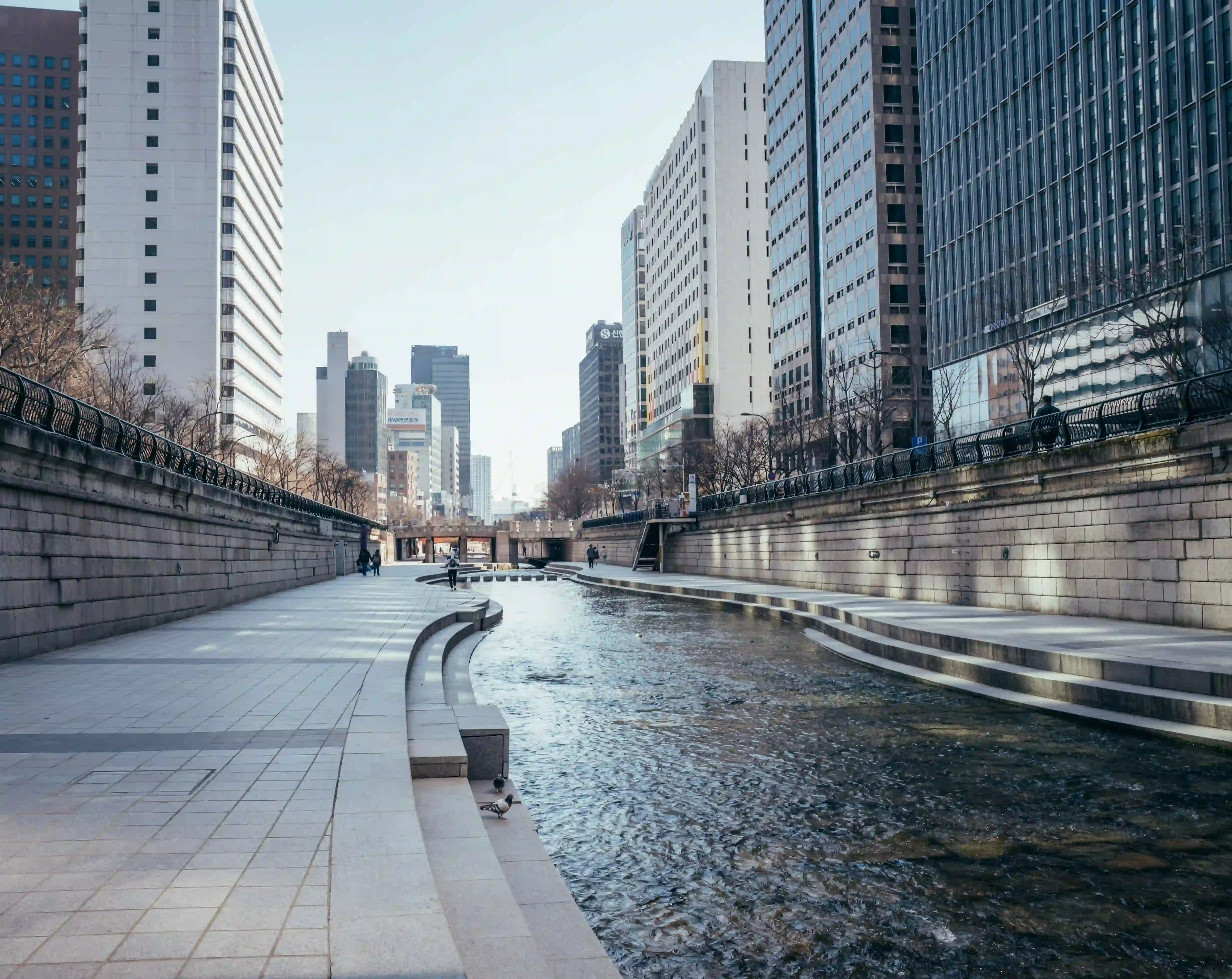
The most striking example of this urban reckoning is found in Seoul, South Korea. Cheonggyecheon was a historical waterway that flowed through the center of the city since the Joseon Dynasty, known at the time as "Gaecheon" (Open Stream). Despite this, it was not a lost ecological paradise. Rapid migration, unplanned settlements, and inadequate infrastructure following the Korean War left the stream's periphery facing a severe public health risk.
As part of the city's development vision, the stream was gradually covered with concrete starting in 1958. By 1976, an elevated highway stretched for miles over the former stream. According to 2001 records, this transit mass, with over 168,000 vehicles passing daily, was a symbol of South Korea's economic miracle. The river beneath it was completely forgotten.
In 2003, then-Mayor of Seoul Lee Myung-bak launched a bold urban repair project to reverse this condition. The elevated highway would be demolished, and Cheonggyecheon would be brought back to the surface. Completed in 2005 at an estimated cost of 280 to 360 million dollars, this restoration brought a linear park to the heart of the city. A noticeable drop in surface temperatures (between 0.4 and 0.9 degrees Celsius) and a reduction in air pollution were the first signs that the city was beginning to breathe again.
Pumped Water and the Engineering Illusion
The real story hides in the operational facts behind the project. To understand how interventionist modern humanity's relationship with nature can be, one must look closely at the stream's new flow.
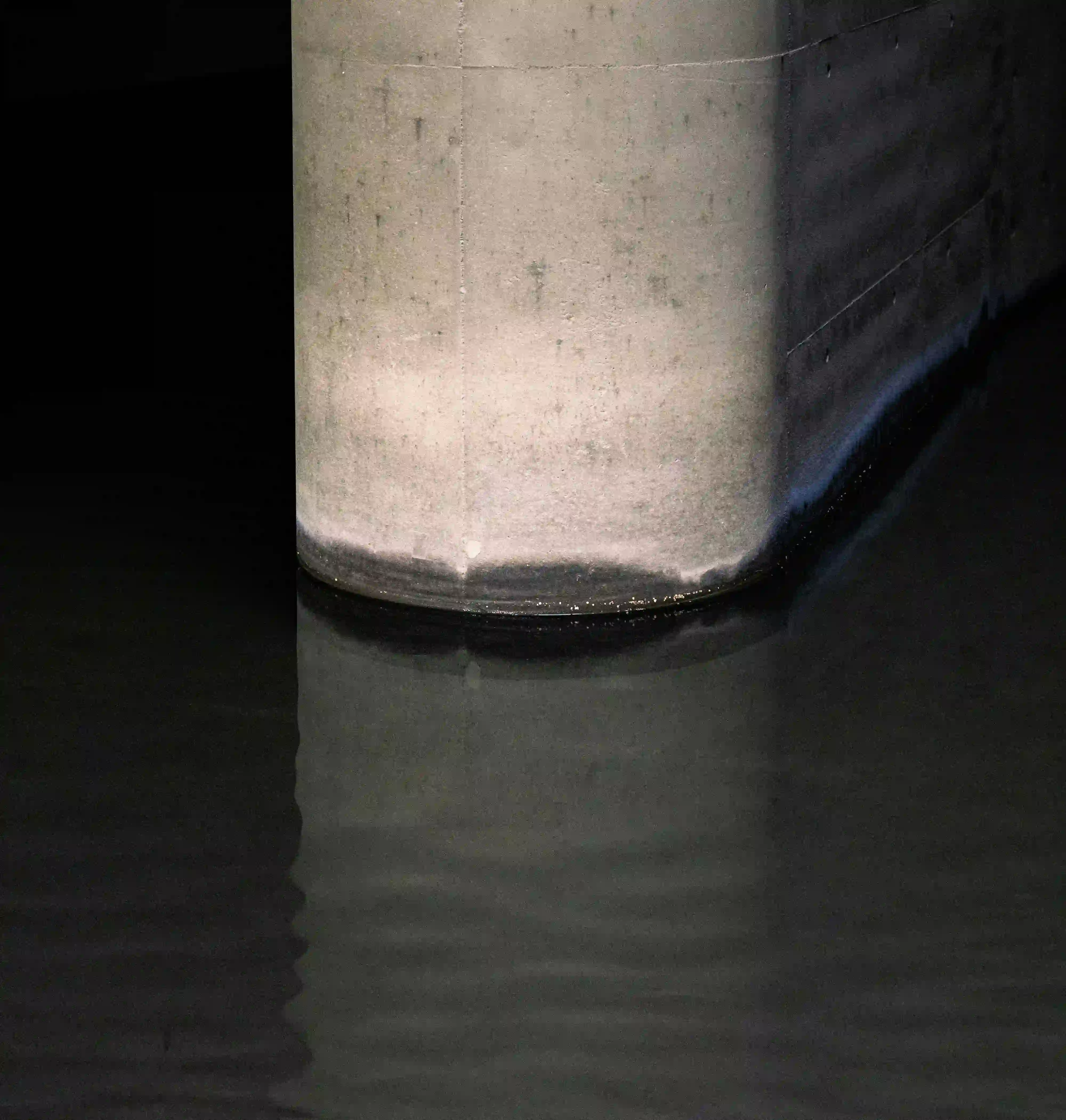
The soil of Cheonggyecheon was highly permeable, and historically, it was a seasonal waterway that flowed only when it rained. When the elevated highway was demolished, a river flowing year-round did not emerge. Urban planners resorted to mechanical engineering to ensure a consistent water flow in the city center. Today, the vast majority of the water flowing in the riverbed is transported by powerful pumps from the Han River, 15 kilometers away, and from the groundwater of nearby subway stations. Approximately 120,000 tons of water are fed into the system daily to maintain an uninterrupted flow.
The water is real, but the flow is artificial and synthetic for most of the year. As water engineer Adam Broadhead stated in Time Out, the historical river actually still flows in underground channels, and the water seen on the surface is pumped through fountains. Rather than a true river restoration, this system resembles a theatrical stage where nature is simulated in the city center.
The Economic Cost of the Waterfront and Gentrification
The bill for this artificial nature construction was not limited to the energy cost of pumping water. Gentrification, a constant rule of urban renewal projects, manifested rapidly around Cheonggyecheon. Academic studies on urbanization and land dynamics reveal that by 2006, land prices in redevelopment zones surged between 35 and 80 percent. This investment in the green corridor provided a net benefit to residential and commercial land markets.
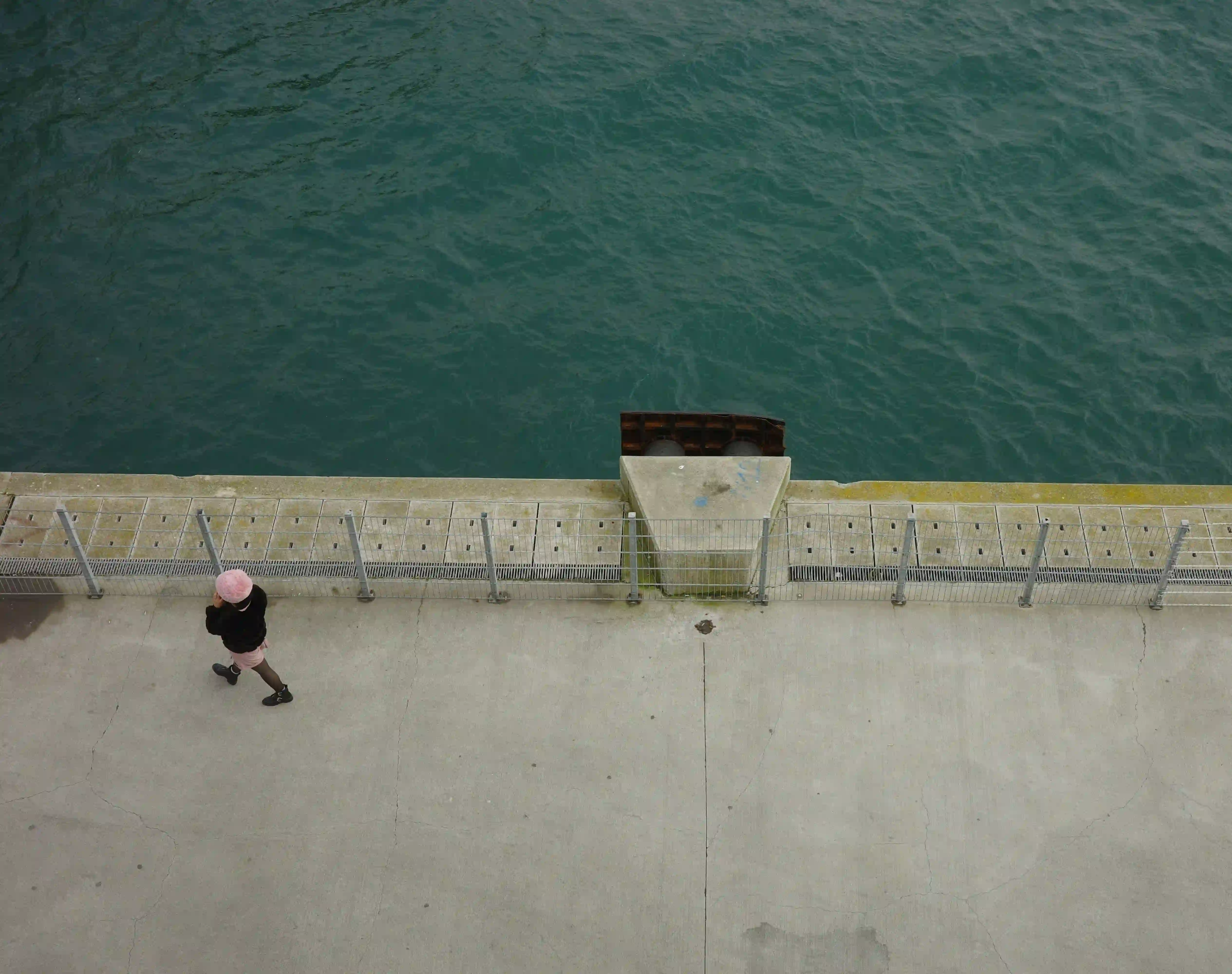
However, this financial benefit came with a heavy social cost. As the restoration project commenced, small industrial workshops, printing houses, and flea market vendors operating in the area were forced to relocate to other parts of the city. The surroundings of the renewed waterfront became too luxurious and expensive for the area's former actors to inhabit. Those who worked for years under dark concrete and exhaust fumes relocated before they could enjoy the clean air and economic advantages brought by the waterfront. Nature had returned to the city, but a portion of the city's original inhabitants were excluded from the view.
The Pragmatism of Nature
Despite these socioeconomic conflicts and the synthetic origin of the water, the most visionary result of the project was the pragmatic response of wildlife. Data proves that the local ecosystem recovered rapidly shortly after the concrete was broken. In just five years, the number of plant species in the area increased from 62 to 308, and the number of bird species rose from 6 to 36. Although some of these plants were deliberately planted as part of the landscape architecture, the rapid adoption of this new habitat by insects, fish, and wild birds was a strong reaction from nature. Wildlife did not expect flawless authenticity; it simply filled the space opened in the asphalt.
Prof. Soo Hong Noh, one of the project's advocates, remembers the stream after it was first covered as a "dirty, smelly" place. At a point where urban memory was so dark, the fact that pedestrian mobility in the area has increased by 76 percent today (a figure Noh himself highlighted) and that people can walk by the water again is a major victory for urban psychology. Noh's anecdote about his own grandchildren catching small fish in this synthetically flowing stream and watching birds on the shore proves the place of contact with nature in metropolitan life.
When redesigning our cities, breaking the asphalt to erase past mistakes is only a beginning. The truly difficult issue is identifying for whom this new green space is built, and whether nature is more than a decoration in this new urban order. Cheonggyecheon continues to be a source of inspiration for all metropolises paying the price of imprisoning their waters. At the same time, it flows through the center of the city as a massive open-air laboratory, prompting us to question what social prices we pay when calling nature back to the city.
— Related Reading: The Invisible Walls of Our Cities: Hostile Architecture and the Hijacking of Public Space
Bibliography
- Dickinson, K. (2025). Daylighting Rivers A Hidden Gem of Climate Adaptation. CityChangers.
- Lim, H., Kim, J., Potter, C., & Bae, W. (2013). Urban regeneration and gentrification Land use impacts of the Cheonggye Stream Restoration Project. Habitat International, 39, 192-200.
- Kang, C. D., & Cervero, R. (2009). From Elevated Freeway to Urban Greenway Land value impacts of the CGC project. Urban Studies, 46(13), 2771-2794.
- Landscape Architecture Foundation. Cheonggyecheon Stream Restoration Project Case Study.
- Time Out (2022). How our cities' lost rivers are being revived.