The sā Ladakh Biennale and the Memory of the Earth
For a century, contemporary art has trapped itself in white cubes. The sā Ladakh Biennale 2026 shatters this hubris at an altitude of 3,000 meters. Here, art doesn't dominate nature; it weathers, fragments, and surrenders to the memory of the Earth.
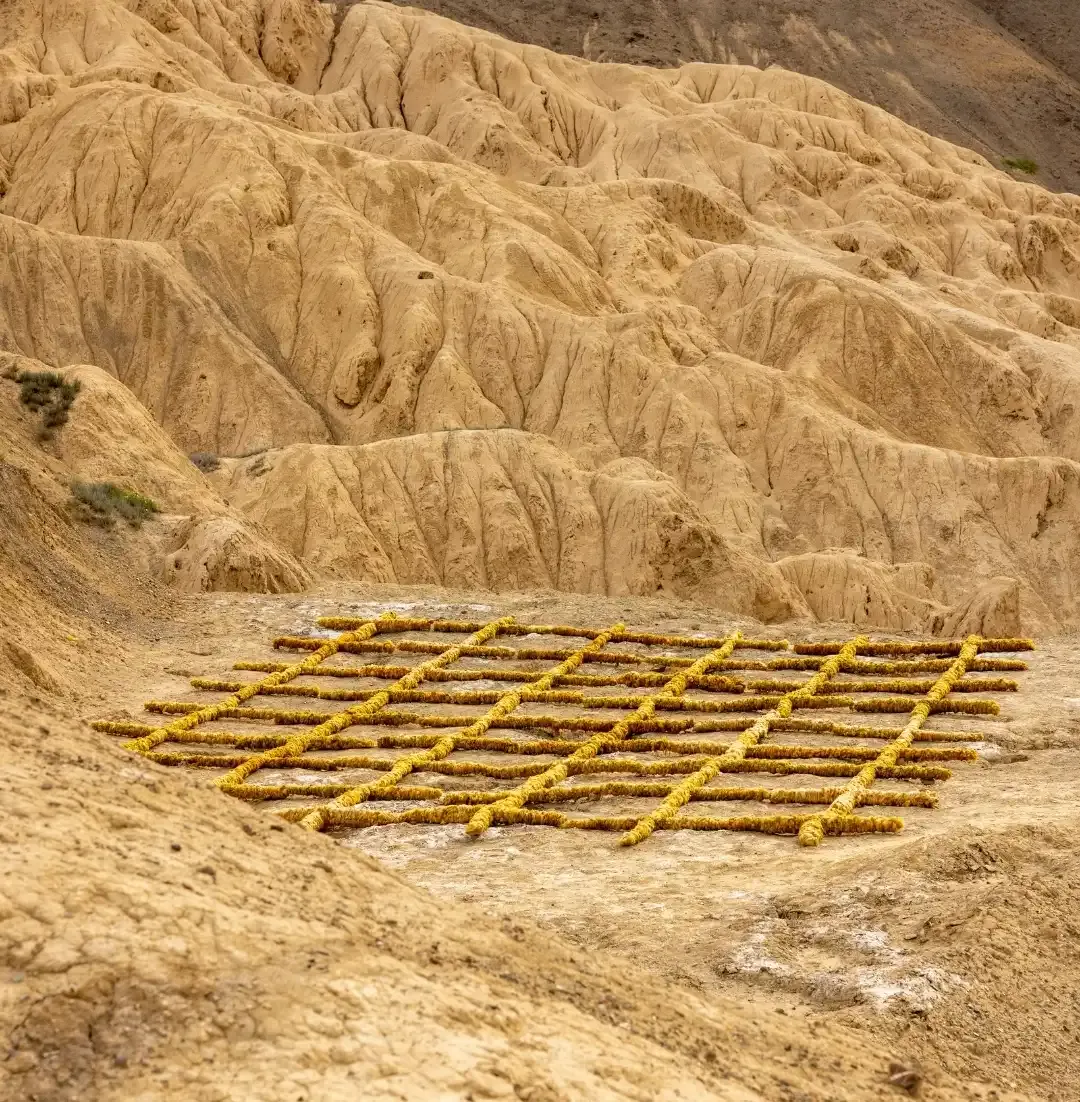
For over a century, contemporary art has utilized a flawless architectural formula to isolate itself from the outside world: the "White Cube." Standardized first in the mid-20th century, these windowless, stark white gallery spaces, with their meticulously controlled humidity and lighting, offer the viewer an illusion: that the artwork is an immortal object, completely independent of time, space, and the corrosive conditions of nature. Yet, in an era where we stand at the threshold of the planet's ecological limits, the idea of preserving art in climate-controlled bubbles is increasingly morphing into rational hubris.
So, what happens if you pull art out of this sterile isolation and place it directly at the epicenter of the climate crisis—into the unforgiving and bare geography of the Himalayas, over 3,000 meters above sea level?
Spanning the Leh-Kargil corridor in northern India and preparing to close in the final days of August, the sā Ladakh Biennale offers exactly this answer. Emerging as one of the world's highest-altitude art exhibitions, this initiative strips art of its status as an object that dominates nature, transforming it instead into a transient interface that converses with the memory of the Earth.
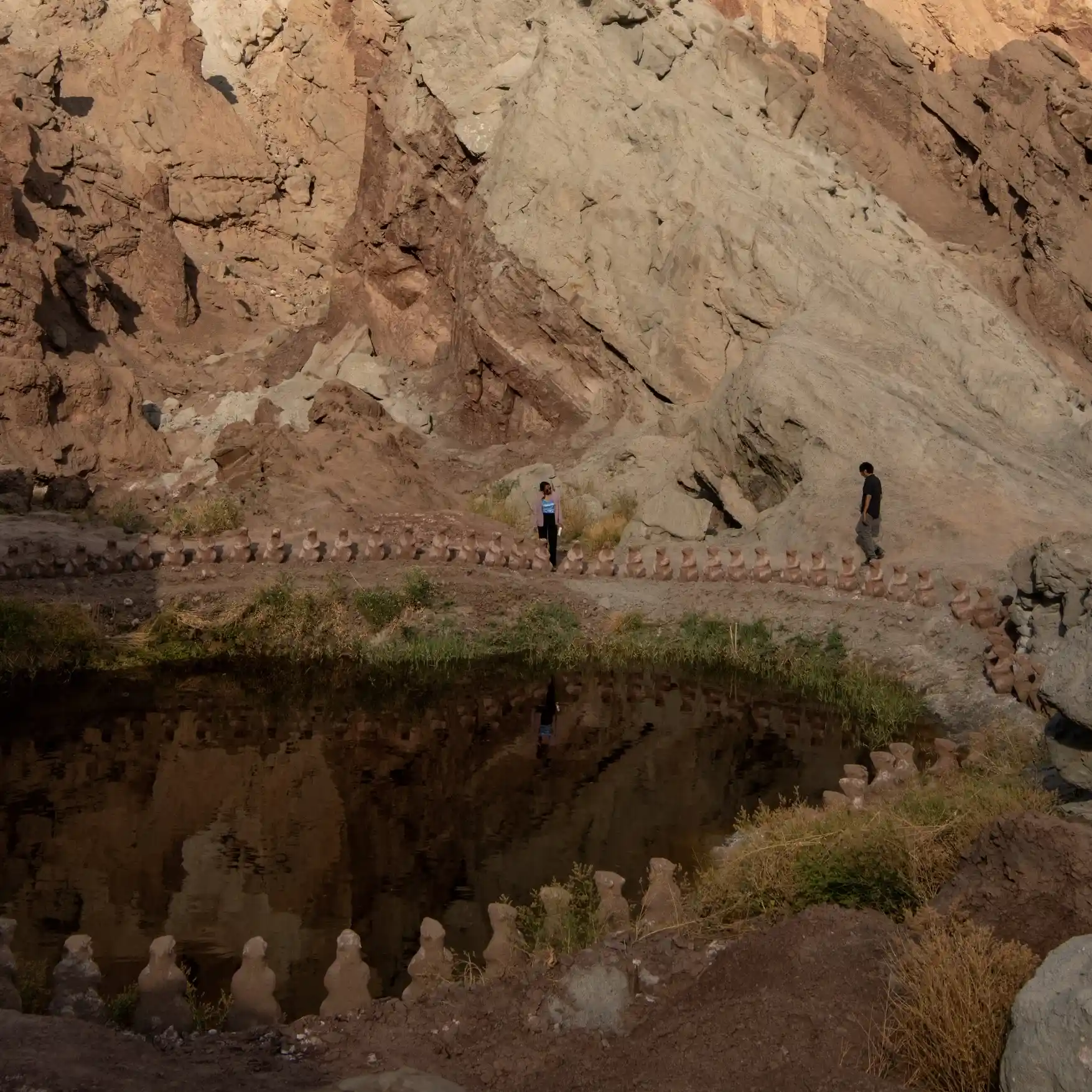
A Museum Without Walls at 3,000 Meters
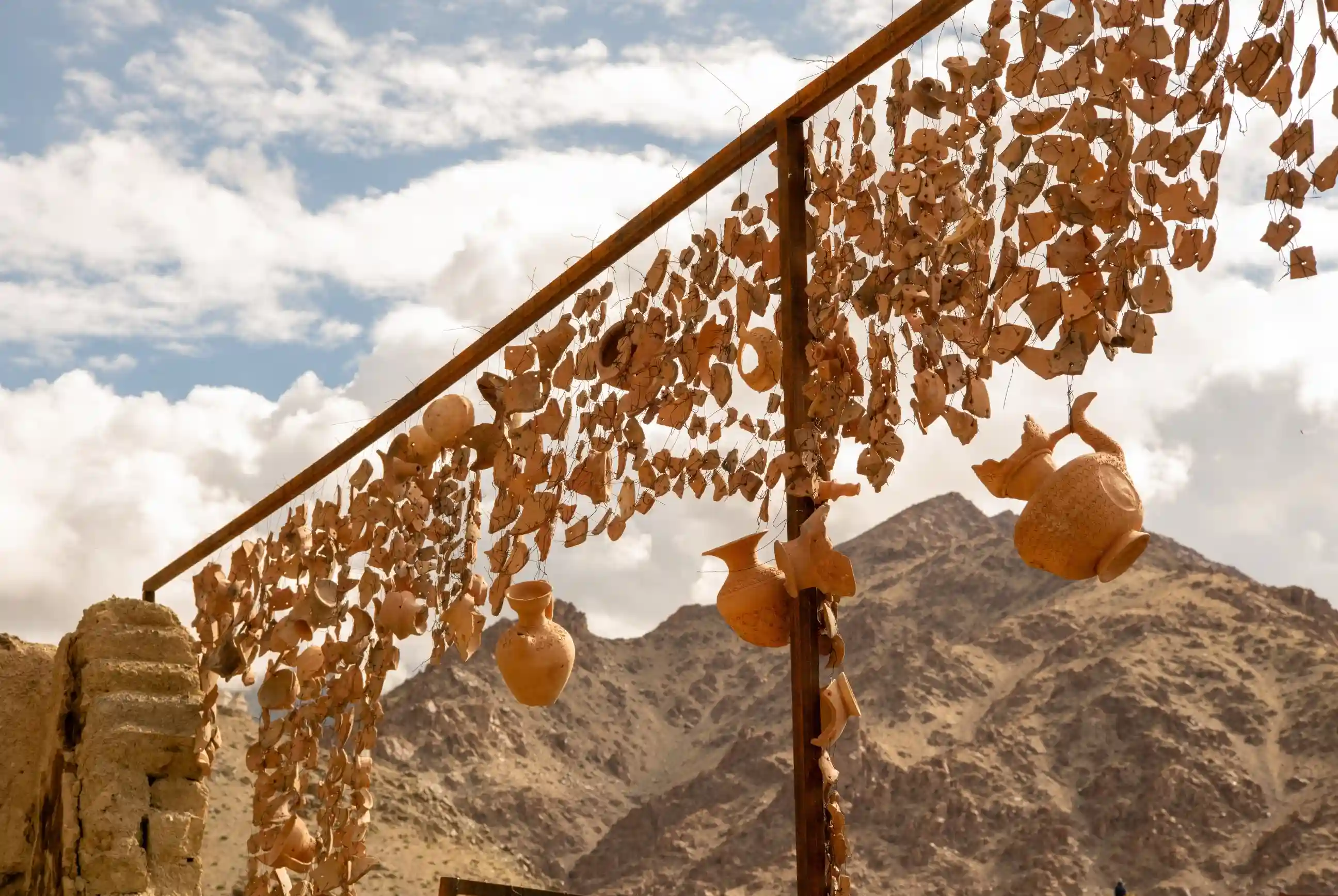
Taking its name from the local Ladakhi word for "soil," the biennale entirely rejects the hyper-consumptive nature of traditional exhibition formats. The giant cargo planes, temporary drywall structures, and massive carbon footprints that are inseparable from global art events are nowhere to be found here. Brought to life through the shared vision of co-founder Raki Nikahetiya, curator Vishal K Dar, and associate curator Tsering Motup Siddho, the organization scatters the exhibition across eight distinct open-air locations within the breathtaking yet profoundly fragile geography of the Himalayas.
Here, artworks settle organically among the mountains, in the courtyards of ancient monasteries, and across the stony terrain of high-altitude deserts. However, unlike the interventionist "Land Art" movement of the 1970s—which excavated nature with bulldozers and occupied the landscape—sā Ladakh adopts the principle of regenerative land art. The artworks do not dominate the scenery; they exist quietly within the ecosystem, interacting with the dry high-altitude winds, the scorching sun, and the mineral composition of the soil. The principle of a near-zero footprint is not merely a modern PR slogan here; it constitutes the existential backbone of the exhibition.
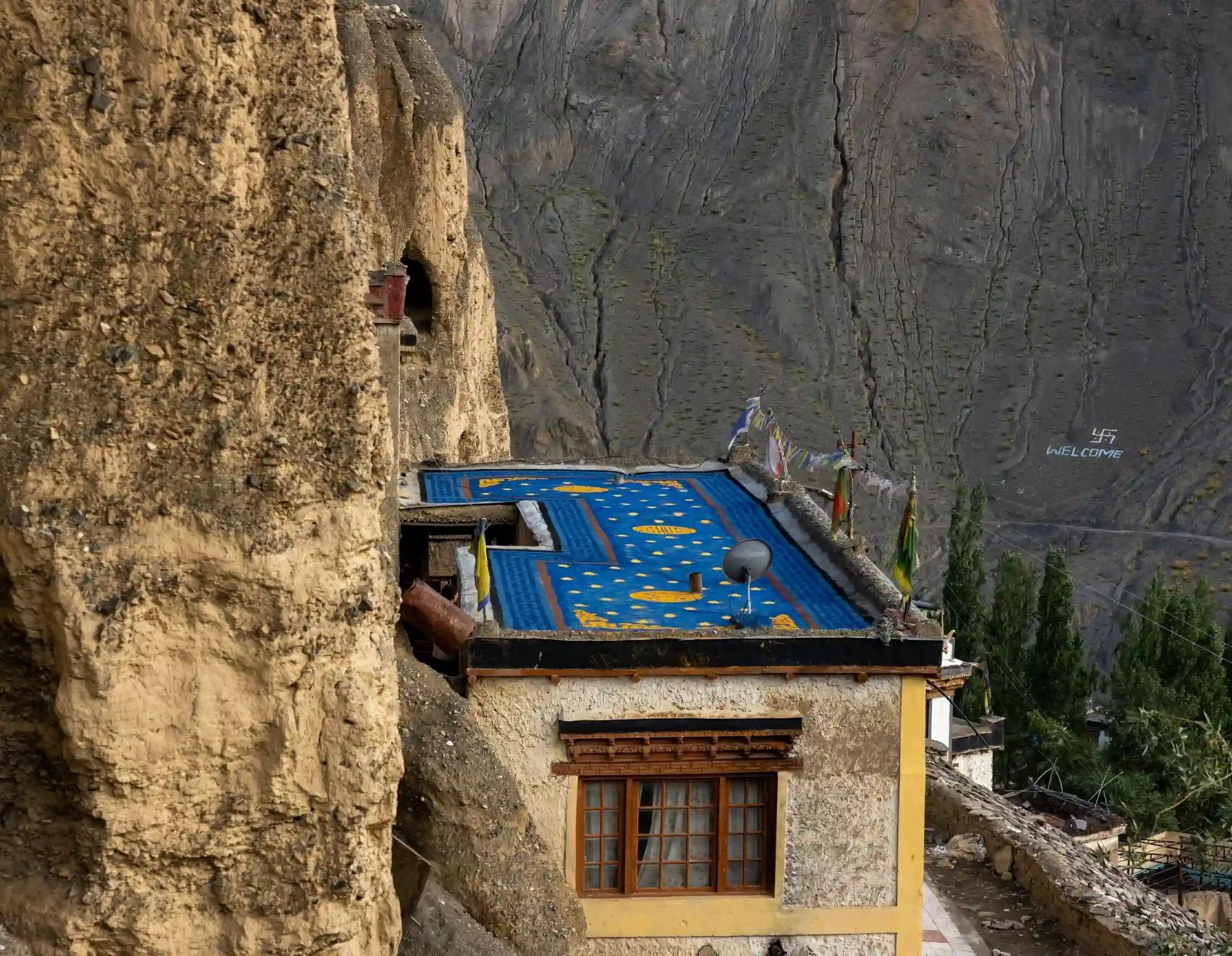
"Signals from Another Star" and Ecological Reality
This year’s edition of the biennale centers on a deeply striking theme: Signals from Another Star. Revolving around climate consciousness, cultural memory, and environmental regeneration, this theme compels artists to work directly with the geological and historical layers of the landscape.
For those living in the metropolises of the Global North, the climate crisis is often an abstract statistic heard on the news—a conceptual problem slated to be solved "in the future." For high-altitude deserts like Ladakh, however, the reality is starkly different. This region relies directly on glacial meltwater to sustain life. Today, the rapid melting of glaciers and the alteration of millennia-old water systems pull the climate crisis out of abstract debate, turning it into a visible, tangible reality that directly impacts daily survival.
Curator Vishal K Dar encapsulates the biennale's relationship with this urgent geography through a clear framework:
"We seek to send out signals from a high altitude landscape. Here, each work assumes a frequency of its own, echoing collective memory, weather, trade routes and extraction." — Vishal K Dar, Curator
This curatorial approach displaces the artist from the pedestal of a detached "creative genius," transforming them instead into a kind of seismograph—one that captures the warning signals sent by nature and renders the frequency of the topography visible.
Not Nostalgia, but an Active Ecological Algorithm
The most striking editorial decision that distinguishes the sā Ladakh Biennale from other events on the global art calendar lies in its participant balance. International biennials are typically dominated by Western "star" artists, while local culture is relegated, at best, to a touristic prop or an exotic backdrop. sā Ladakh shatters this colonial hierarchy through a deliberate curatorial choice, meticulously maintaining an equal number of local Ladakhi artists and international participants.
This equality is not merely a numerical balance or a gesture of political correctness; it is a profound philosophical stance. As the modern world seeks solutions to the climate crisis, it tends to present indigenous knowledge systems as remnants of a romantic, nostalgic past. Yet, in geographies with extreme climatic conditions like Ladakh, this ancient wisdom—honed to manage water, protect the soil, make steep slopes arable, and ultimately survive—is an active ecological algorithm that has been continuously tested and flawlessly executed for thousands of years.
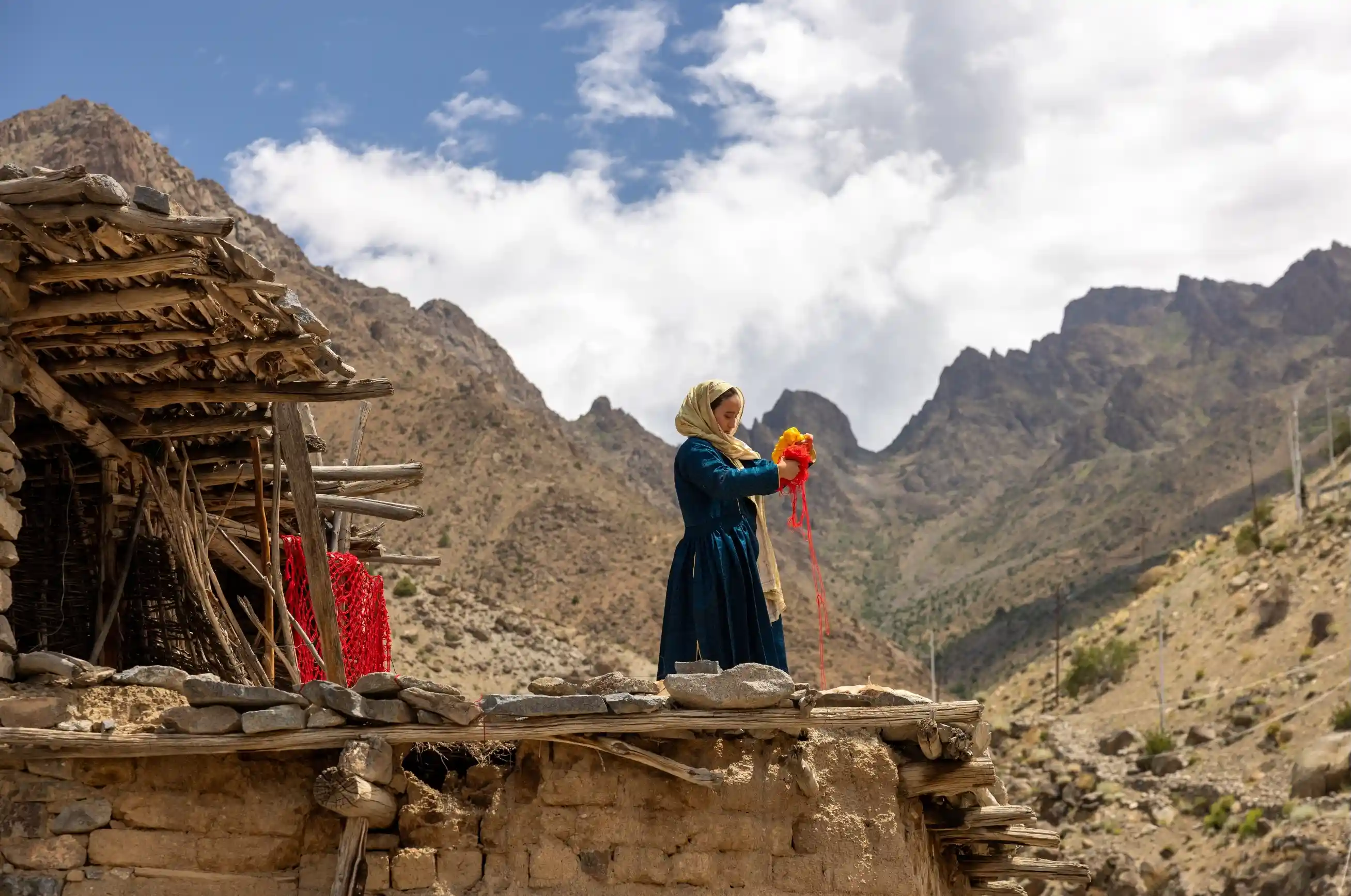
Cultural memory is the very essence of ecological resilience. The biennale clearly proves that local wisdom is not a dusty museum artifact meant for display; rather, it is the most modern, rational, and functional guide we need to salvage the planet's future. The utilization of traditional architectural techniques, local textiles, and natural regional materials in the production of the artworks demonstrates just how vibrant and living this knowledge remains.
The Power of Impermanence Against the Hubris of Permanence
Modern humanity believes that everything it builds must last forever. From pyramids to skyscrapers, from steel bridges to paintings in museums, every structure is a product of humanity's desire to declare victory over the destructive force of time—a relentless effort to establish dominion over nature. However, at the highest peaks of the Earth, this exhibition, preparing to close its doors at the end of August, tells us something entirely different: True endurance is not about remaining unchanged and turning to stone; it is about adapting flawlessly to the cycles of nature.
In the coming months, the artworks placed in those monastery courtyards and stony valleys will gradually weather under Ladakh's arid and harsh winds. The scorching high-altitude sun will fade the colors of the materials. Instead of becoming a burden on the land they occupy, the artworks will slowly fragment over time, returning to the soil (sā) itself. What remains will not be a multi-billion-dollar speculative art market, nor massive buildings with ticket counters at their doors.
On this threshold where we confront ecological collapse, one must wonder: When will we stop viewing nature merely as a passive, aesthetic landscape to be observed through a window, and realize that the Earth itself is the greatest, most fragile, and most vital masterpiece? Perhaps the most radical art of our era is not that which is built of steel to last for centuries, but the art that accepts, from the very beginning, its return to the wind, the soil, and to time.
— Related Reading: The Architecture of Surrender: Why Whales Dictated the Design of Norway's Newest Museum