The Last Keepers: 7 Cultures Defying the Global Monoculture
Over the past two decades, globalization has silently erased cultural borders. While modern life is reconstructed into a flawless global monoculture, seven isolated communities are actively proving that conforming to this fast-paced uniform system is not evolution—it is our greatest loss.
Over the past two decades, accelerating globalization has silently erased cultural borders alongside geographical ones. We live in an era where algorithms meticulously align our pace of life and tastes to a single global standard. From the interior design aesthetics of metropolitan cafes to our fast-fashion consumption habits, modern life is being flawlessly reconstructed across the globe with the exact same appetite and speed. While this massive wave of homogenization increases our systemic efficiency, it is quietly dragging the world into an irreversible global monoculture and profound cultural amnesia.
Yet, tucked away in the isolated corners of the map, there are communities actively rejecting this illusion of perfect uniformity. It would be a grave anthropological mistake to view them as "noble savages" frozen in time—utopian figures existing merely as an aesthetic cure for our modern anxieties.
Their story is not a romantic fairy tale of the past. It is a very real, ongoing struggle to preserve their own rhythm against state policies, the climate crisis, and industrial exploitation, often paying a heavy price to do so. Here are seven resilient cultures defying the global monoculture, proving that adapting to the current system is not always evolution—sometimes, it is our greatest loss.
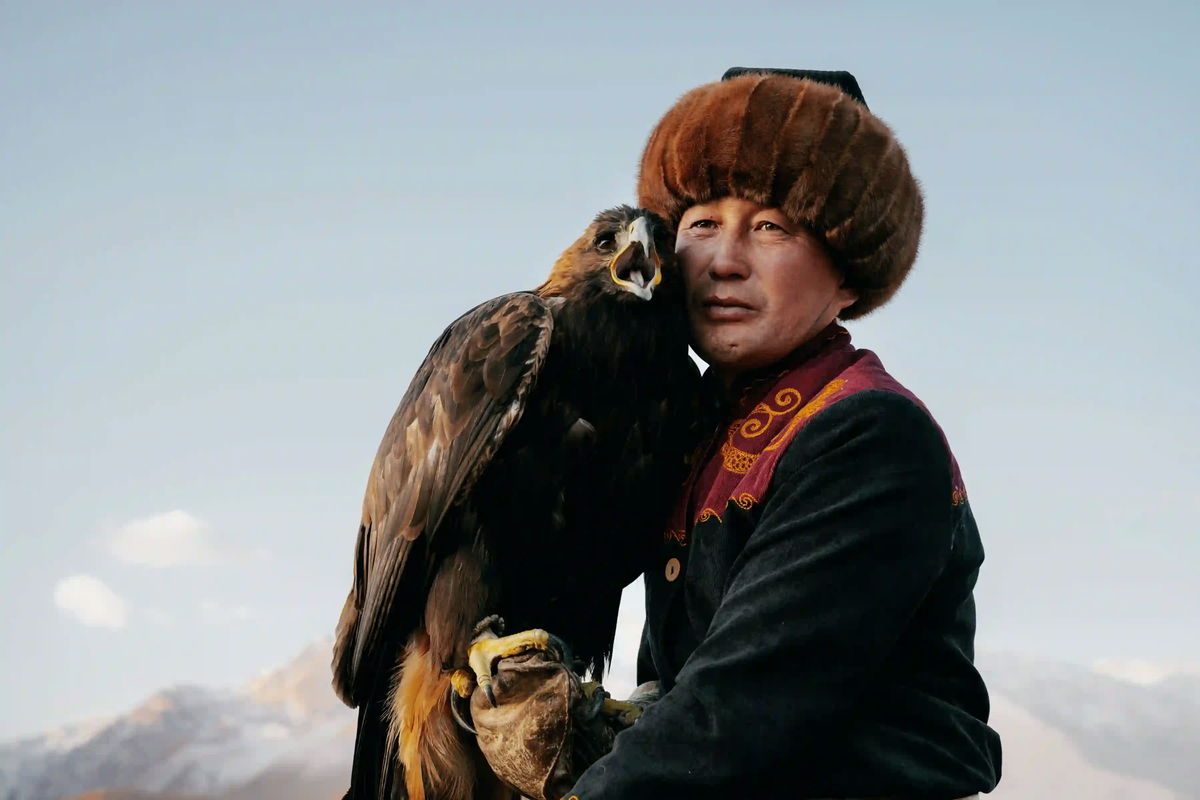
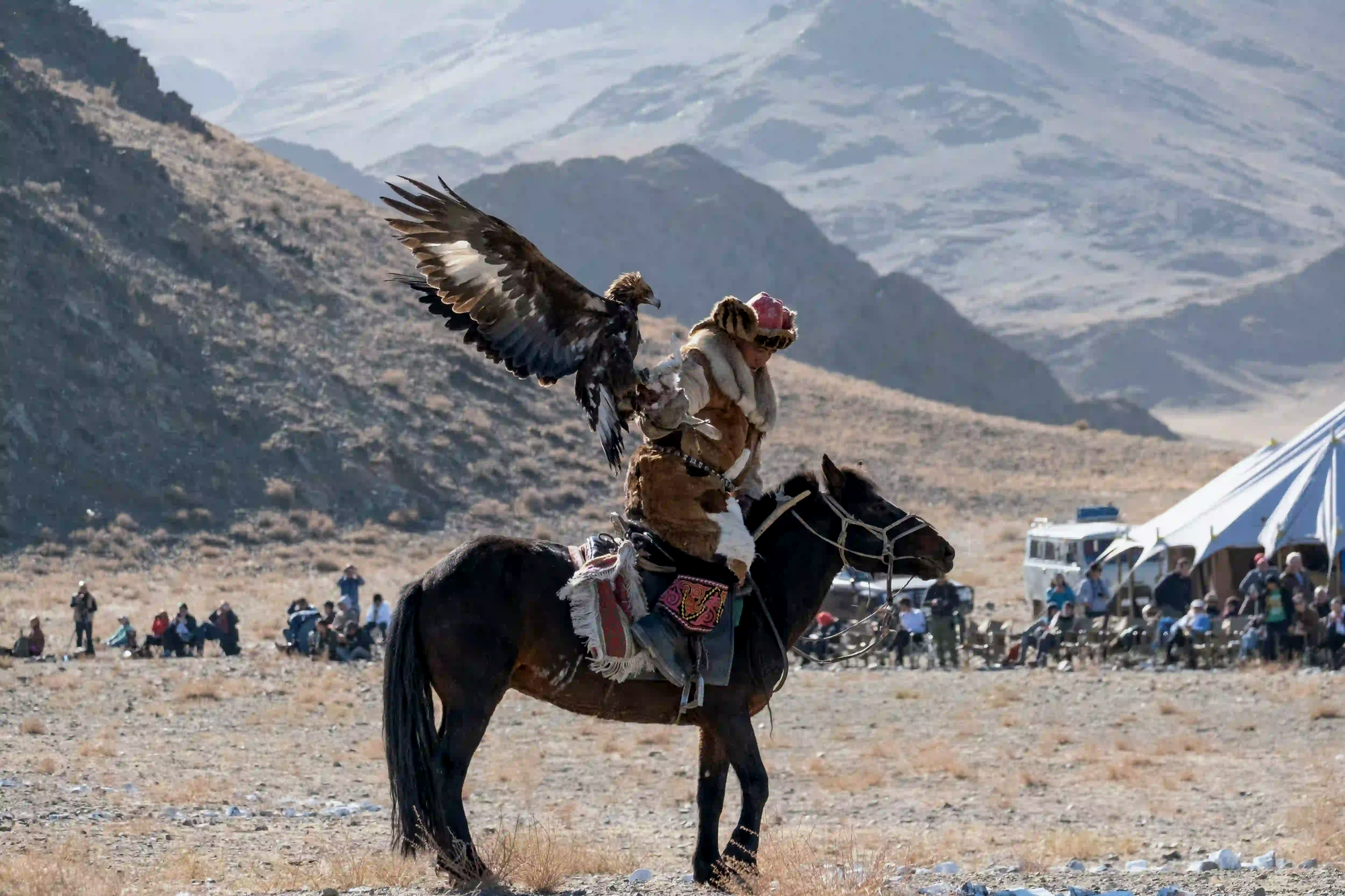
1. The Kazakh Eagle Hunters: A Test of Patience Against a High-Speed World
In a hyper-connected age where instant gratification and immediate results are considered the ultimate indicators of "progress," the Kazakh nomads of Mongolia’s Altai Mountains present a practice that entirely disrupts our perception of time. Training a wild golden eagle requires a philosophy that fundamentally rejects dominating nature; instead, it demands years of deep, respectful, and incredibly patient partnership.
Today, however, the greatest threat to this ancient culture is not just the dzud—the freezing Mongolian winters that decimate their herds. The global tourism industry is exerting immense commercial pressure to reduce this millennia-old philosophy of patience into a five-minute, hollowed-out performance for an Instagram photo. The true existential struggle of the Kazakh eagle hunters today is fiercely protecting their authentic identity from the superficiality and speed of modern commodification.
2. The Bajau Sea Nomads: The Weight of Borders and Statelessness
In a modern system where land ownership, drawn borders, and real estate deeds are viewed as the ultimate markers of success, the Bajau people of Southeast Asia spend their entire lives on the ocean. At first glance, living on traditional houseboats in the middle of a vast blue expanse looks like limitless freedom, completely detached from the prison of modern property.
The reality, however, is far from this romanticized painting. The modern world does not tolerate people who cannot be pinned to a static map. A significant portion of the Bajau Laut are not legally recognized as citizens of Malaysia, the Philippines, or Indonesia. This lack of property is, in fact, a structural crisis of "statelessness." They lack basic legal rights, healthcare, and educational guarantees, often existing in the shadows of forced eviction operations. Rejecting land borders has given them the ocean, but it has stripped them of their fundamental human rights on shore.

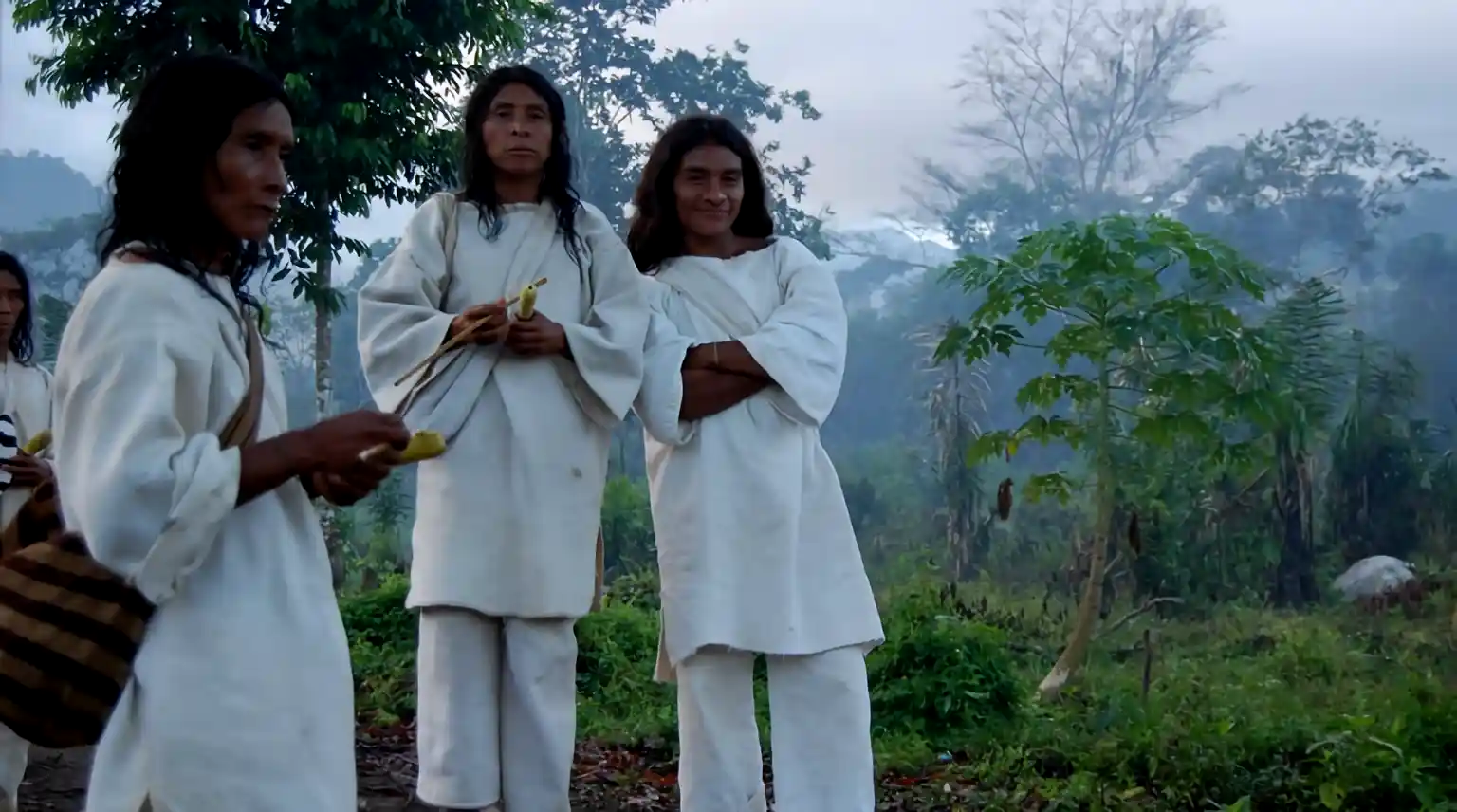
3. The Kogi People: Confronting Ecological Arrogance
Isolated for centuries in the rugged, hard-to-reach Sierra Nevada de Santa Marta mountains of Colombia, the Kogi people offer a striking and precise diagnosis of modern humanity. They refer to themselves as the "Elder Brothers," tasked with protecting the ecological balance of the planet, while viewing the rest of the world as the "Younger Brothers," destroying the earth with an endless appetite for consumption.
For the modern individual, environmentalism might be a weekend social responsibility project or a passing corporate trend. For the Kogi, protecting nature is an absolute, non-negotiable purpose of existence.
This almost arrogant certainty is not passive wisdom. Today, the Kogi are active ecological guardians. Faced with the destruction of their land through illegal mining, deforestation, and industrial agriculture, they regularly descend from their mountains to sit at negotiation tables with governments, fighting an active political battle to protect the earth's lungs.
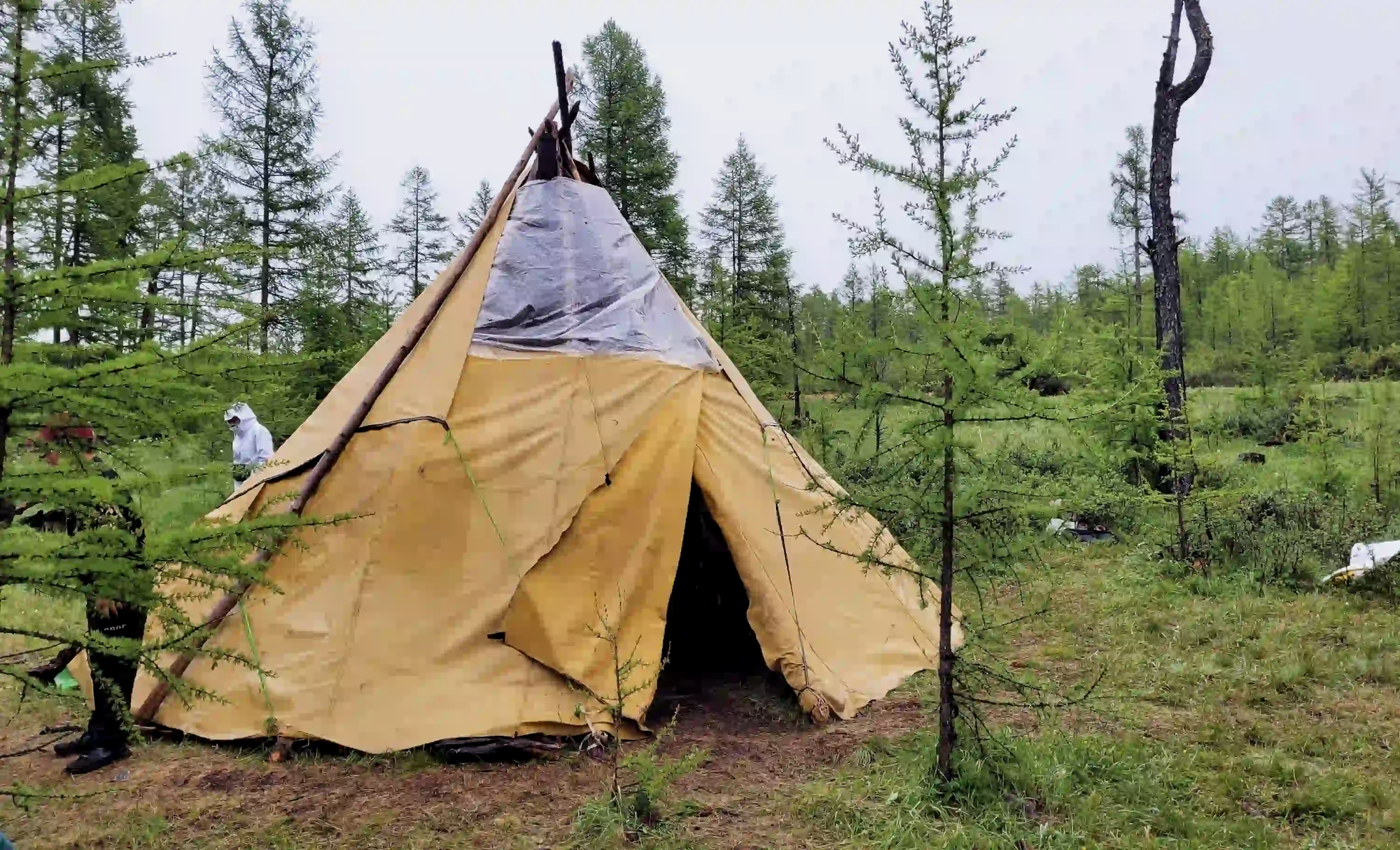
4. The Dukha (Tsaatan): Refusing the Urge to Dominate
Throughout history, humanity has treated the domestication and domination of other species as a display of power and a cornerstone of civilization. The Dukha, the last reindeer herders living in the remote Siberian taiga, completely reject this intoxication with power. They do not kill their reindeer for meat; instead, they ride them, utilize their milk, and establish a truly symbiotic life, relying on one another to survive the freezing taiga winters.
Yet, this living proof that humanity does not need to dominate nature is crashing against the walls of the modern state apparatus. New borders drawn by the government, the declaration of the taiga as a restricted "conservation zone," and the imposition of strict hunting laws are ironically shrinking the living space of the very people who live most harmoniously with nature. They are constantly fighting against being reduced to helpless figures in an open-air cultural museum.
5. The Himba: The Stubborn Permanence of Identity
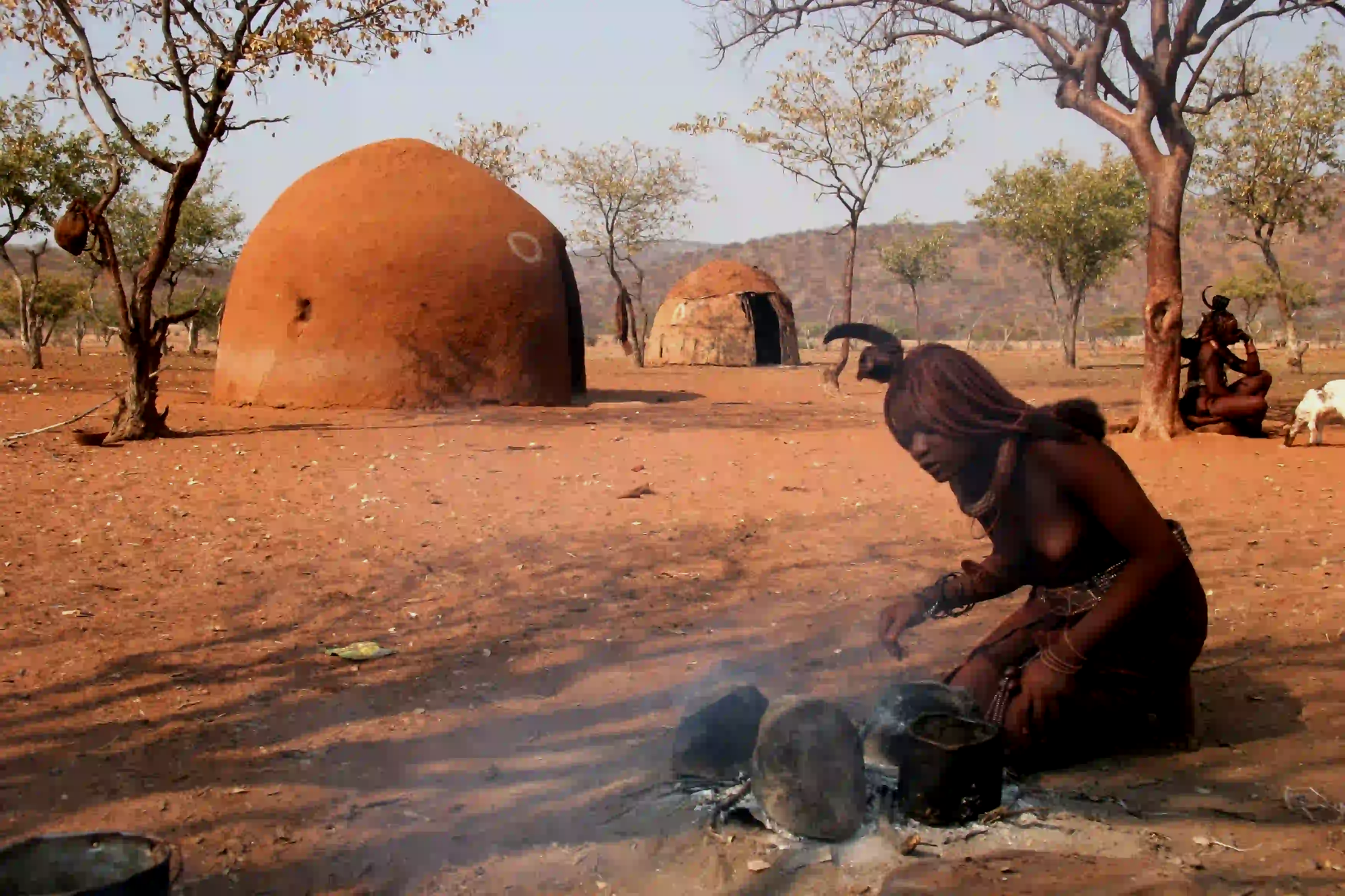
We live in an era where individuals feel a constant, exhausting pressure to "update" themselves, reinvent their image, and conform to rapidly shifting beauty standards. In stark contrast, the Himba people of northern Namibia have carried their identity flawlessly for centuries, styling their hair and skin with otjize—a mixture of butterfat and red ochre pigment.
This aesthetic nobility is not born from a state of isolated ignorance. Even when severe climate change and prolonged droughts devastate their cattle herds, or when the economic allure of modern cities pulls at the younger generation, the Himba choose the stubborn nobility of remaining unchanged without seeking validation from the outside world. They remind us that true identity is not something worn from the outside, but a fortress fiercely guarded from within.
6. The Mentawai Shamans: The Soul of the Forest Against Concrete
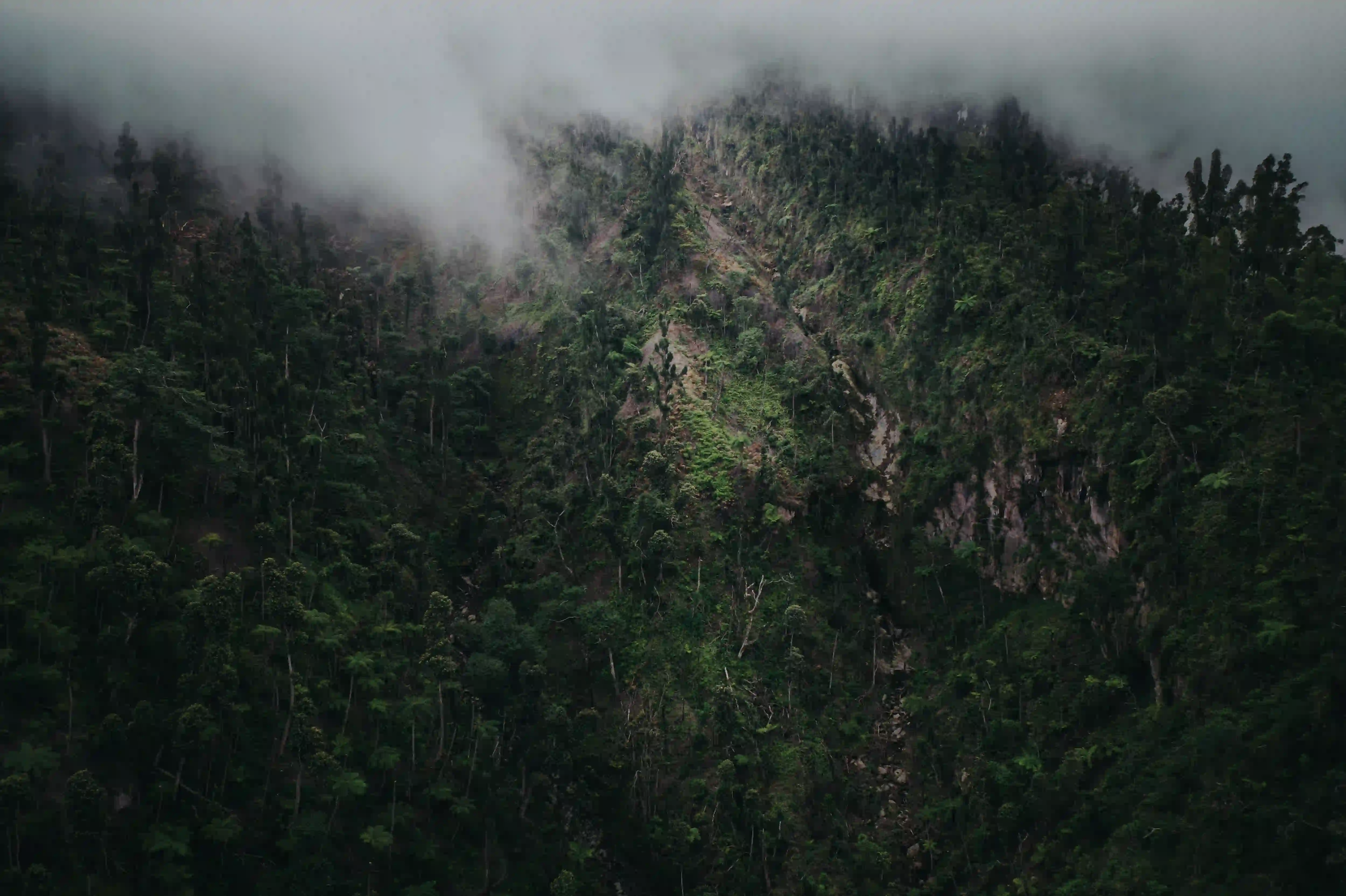
You cannot seamlessly squeeze a culture that asks a tree for forgiveness before cutting it down into standard, state-issued concrete houses. Deep in the jungles of Indonesia’s Siberut Island, the Mentawai have been proving this for decades.
Since the 1970s, state-sponsored forced resettlement programs have attempted to pull the Mentawai out of the forest, destroying their traditional uma longhouses and banning their animist beliefs and tattooing rituals as "primitive." The Mentawai are still resisting these assimilation policies today. Their struggle to preserve their traditional way of life is not merely an anthropological resistance; they are defending, at the cost of their lives, the profound philosophy that humans are not the masters of the forest, but merely a humble part of it.
7. The Ladakhi People: Believing in the Concept of "Enough"
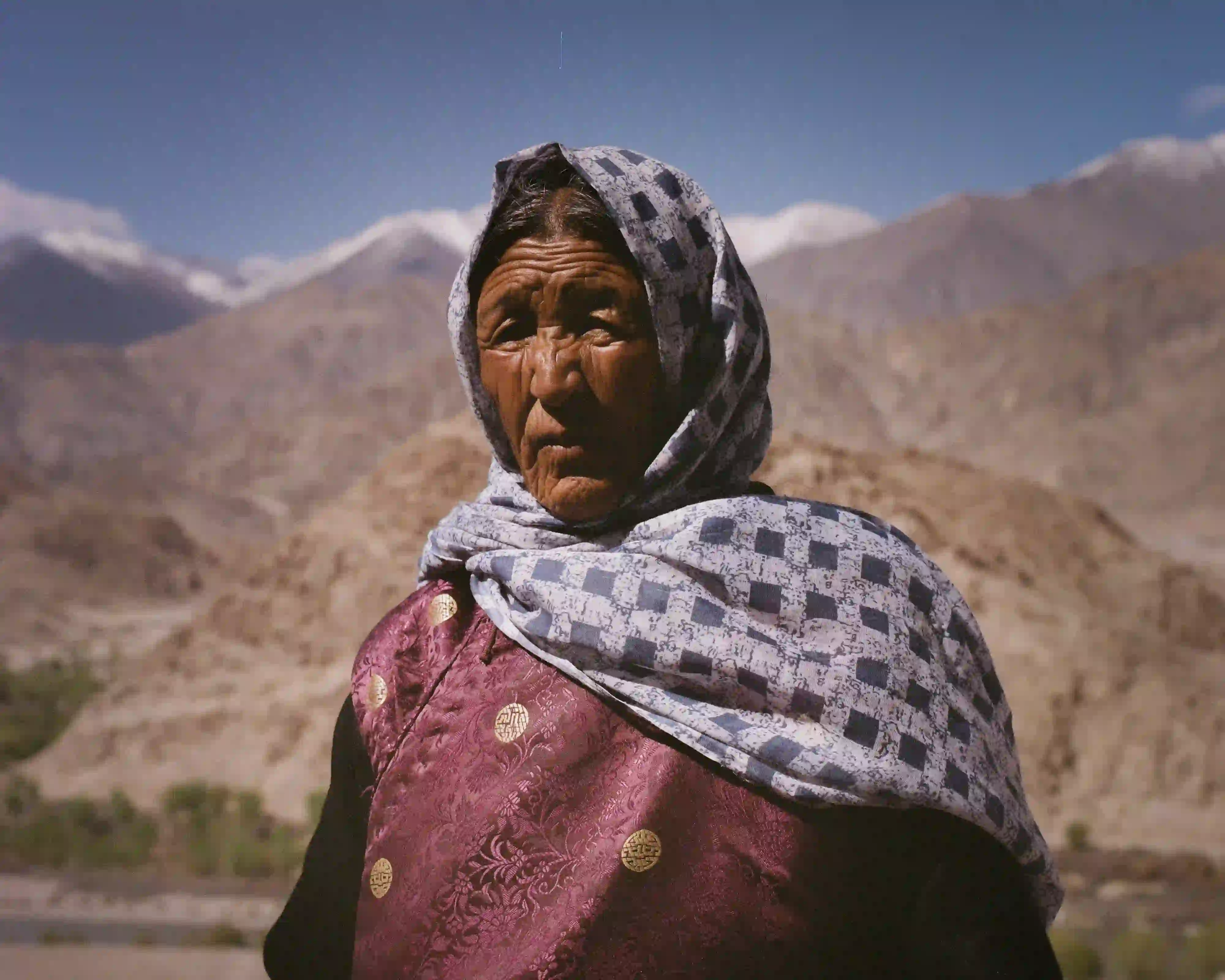
Situated in one of the harshest, most arid landscapes of the Himalayas, the Ladakhis have cultivated a culture where every single drop of resources is cherished. They never bought into the myth of "infinite growth and limitless consumption" that forms the foundation of modern economies and is currently driving the planet toward ecological collapse. For centuries, they built a deep solidarity economy shaped by Buddhist philosophy and zero-waste principles.
However, this philosophy of finding abundance in scarcity does not make them passive, docile sages. On the contrary, the people of Ladakh are currently at the center of a highly political struggle. To protect their fragile ecosystem and demand constitutional safeguards against massive industrial exploitation and mining corporations, they have been organizing weeks-long hunger strikes and pouring into the streets in mass protests. The people who found wealth in sharing are now fighting a very real war to defend that exact wealth.
What Are We Losing as the World Changes?
These seven cultures hold up an incredibly uncomfortable mirror to modern society. While we expect everyone on the planet to desire the same things and adapt to the same accelerated pace, could it be that we are the ones becoming homogenized, losing our color, and becoming spiritually impoverished?
Their stories prove one vital truth: True luxury and privilege are not about possessing the latest technology or accumulating limitless property. True luxury is measured by how fiercely you refuse to let the world change you, and your ability to protect your own rhythm, regardless of the cost.
Amidst this global monoculture, it is time to ask ourselves the unavoidable question: If you dropped the obligation to keep pace with the world and adapt to its standards; what is that one unchangeable part of your identity you would fiercely protect and never want to "update"?
— Related Reading: 7 Documentaries That Will Change Your Relationship With the Planet