Screens Pre-Approved Our Routes: The Set-Jetting Illusion and the Loss of Travel’s Authenticity
We cross oceans not to understand a new culture, but to step inside a fiction we watched on screen. From the pristine resorts of The White Lotus to the harsh reality of Paris Syndrome, modern travel has become a search for a curated illusion.
For decades, the act of travel was a genuine pursuit of forging a connection with the unmapped, unknown corners of the Earth. A traveler’s goal, when crossing a border, was not just to see a new geography but to discover its unexpected, often chaotic, and flawed reality. Today, however, modern tourism is witnessing a profound departure in its motivations. We cross oceans not to understand a new culture but rather so we can physically step inside a carefully curated fiction that we watched on our digital screens just the night before.
Recent data brings into focus the gargantuan dimensions of this shift, which is reshaping the travel industry. Nearly nine in ten visitors to the UK, for example, report that their travel decisions were influenced by the films and television series they consume. This new trend, which has supplanted the traditional era of discovery, has entered the pop culture lexicon as "set-jetting," a term defining travelers who flock to the specific filming locations of their favorite productions. Yet,when we purchase hundreds of dollars in tickets and cross continents, are we genuinely visiting a geography, or are we simply searching for our own reflection inside a massive film set?
Purchasing Tickets to a Camera Trick: The White Lotus Effect
The boundary between the flawless aesthetic we watch on screen and the unfiltered physical world is becoming increasingly blurred. The phenomenon of tourists choosing a destination not for its authentic culture or ecological heritage but solely because it served as the backdrop for a popular series is generating tsunami-like waves in the industry.
The most powerful illustration of this shift is the tourism surge created by the hit series The White Lotus. Following the first two seasons, search volumes for the filming locations—Hawaii and Sicily—skyrocketed by over 300%. This statistical jump was not merely abstract curiosity. The Wailea resort in Maui, the original White Lotus location,experienced a staggering 425% year-over-year increase in website traffic, and a 386% jump in checks for room availability. Similarly, the Sicilian hotel that hosted the second season operated at full capacity for six consecutive months after its reopening. It is not an isolated incident; interest in Norway spiked by 65% after appearing in the final season of Succession, while traffic for the London suburb of Richmond, the setting for Ted Lasso, surged by 160%.
Yet, a profound irony lies beneath this massive demand: many of these coveted locations do not possess the cohesive reality presented on our screens.
"Anyone who goes to the Four Seasons in Sicily we used in the show will quickly realize that the stunning beach is not where it appears to be."
This admission by executive producer Mark Kamine encapsulates the foundational illusion of set-jetting. To reduce costs or capture aesthetic perfection, the industry seamlessly stitches locations together in the editing room; New Jersey may be played by Prague, or a Sicilian beach may be digitally located next to a hotel in another part of the island. We, in turn, are queuing to visit a geographical chimera—a place that, in that specific form, does not exist.
A Town’s Identity Overwhelmed: The Trifecta of Popular Culture Tourism
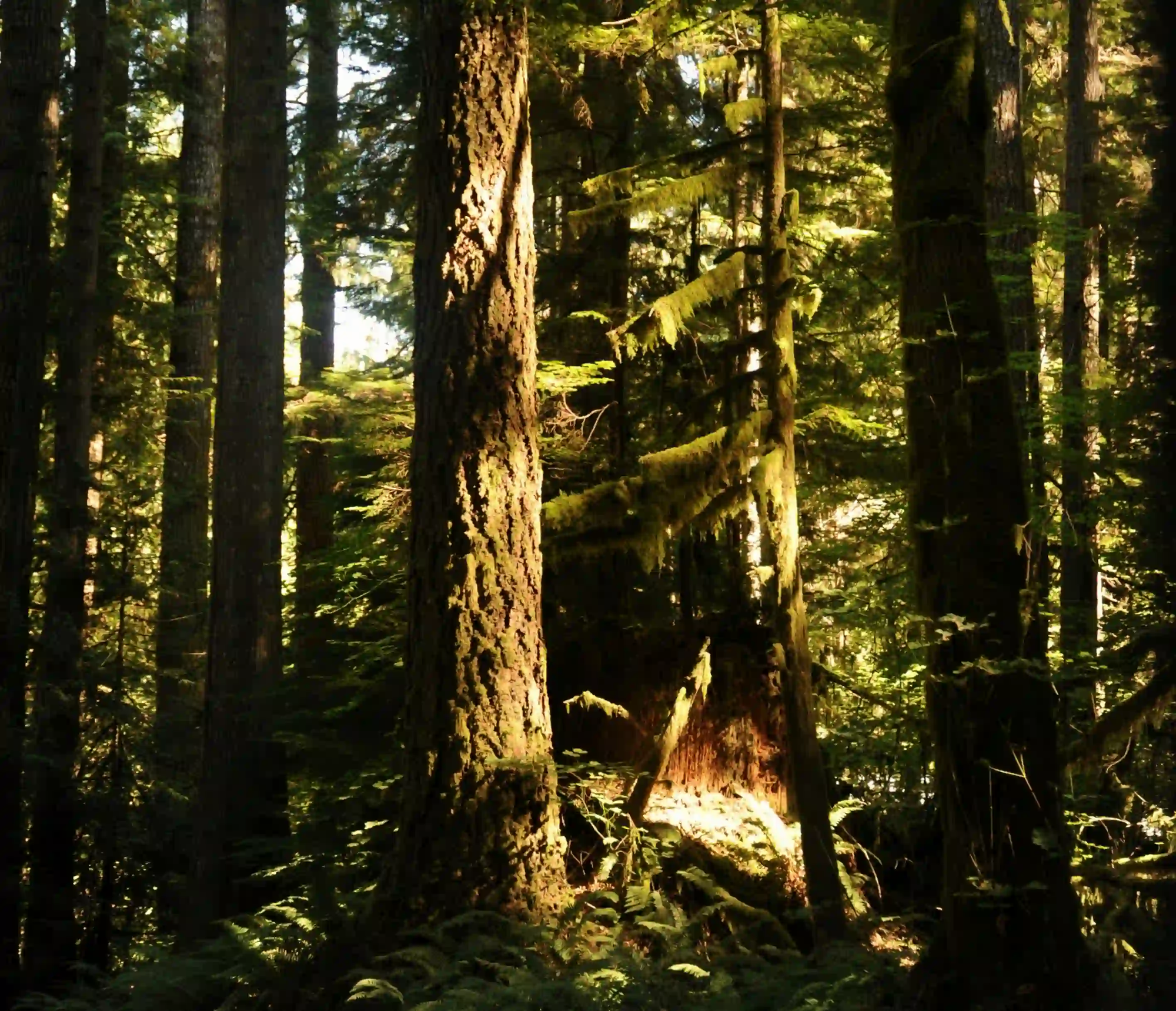
When a geography falls victim to pop culture, it risks losing its authentic history and local identity. The traditional logging town of Forks, Washington, provides one of the most durable case studies of this cultural assimilation. Following the release of Stephenie Meyer’s Twilight series, which used the town as its setting, Forks transformed into the global ground zero for a vampire mythology.
Tourism statistics reveal the intensity of this metamorphosis: visitor center sign-ins before the books were published numbered around 5,000; by 2010, that figure almost reached 73,000. The town’s identity shifted; its old-growth forests and local character were not prized for themselves but were repackaged as a physical replica of a fantasy script.
This enduring type of popular culture tourism relies on a structural "Trifecta of Popular Culture Tourism" (Academic paper source), requiring Media Products, People, and Artifacts to sustain itself.
- Media Products: The continual re-release of new content—books, or films appearing on digital streaming platforms like Netflix—keeps interest in the destination alive.
- People: A thriving active fan community, dedicated locals, and even volunteers who organize events and maintain the mythology’s presence are essential.
- Artifacts: Guided tours, museums filled with props, and even fan-owned accommodations styled after the fictional setting continually reproduce the narrative.
The historic Italian towns of Volterra and Montepulciano underwent a similar process. While the Twilight narrative took place in Volterra, the production company chose the neighbor, Montepulciano, for filming, revealing the absurd relationship between the kurgu and the physical geography. Both towns found their deep Etruscan and Renaissance heritage overshadowed by red-cloaked extras and film props as they were forced to construct a new "pop culture heritage."
The Wall of Unfiltered Reality: Paris Syndrome
Our carefully filtered mental scripts often collide with the raw, flawed, and unfiltered nature of the real world, and the result is usually profound disappointment. Travelers arriving in Los Angeles are confronted by the reality of the perpetual "June gloom" (fog/overcast) or the strict tourist bans in Amsterdam, which was sold as a hedonistic party destination.
The most shocking psychological collision, however, undoubtedly occurs in Paris. Travelers drawn by the high fashion and effortless romance of Emily in Paris often experience a severe collapse when they discover that the actual French capital, unlike its idealized television counterpart, grapples with garbage, rats, and a local population that can be indifferent. The profound culture shock of confronting this unscripted reality has led to a rare but medically recognized condition: Paris Syndrome. The phenomenon describes travelers who experience culture shock, acute disillusionment,and symptoms ranging from dizziness and rapid heart rate to hallucinations.
This disillusionment is not unique to Paris. Those who watch Sex and the City or its reboot, And Just Like That,imagining New York is defined only by glamour, are often stunned by the reality of the metropolis. Instead of massive apartments with Central Park views, they are confronted with cramped and damp living quarters of the sprawling metropolis. Those inspired by Under the Tuscan Sun to restore a dilapidated villa are met with the katı duvarı (hard wall) of Italy’s legendary bureaucracy, a grueling and tedious process. Meanwhile, travelers who head to London seeking the unfiltered wit of Fleabag are faced with a city whose daily life dynamics are often profoundly reserved and measured.
Simulated Paradises and Ecological Invoices: Consuming Nature as Content
Beyond all these illusions lies the heaviest and often irreversible ecological invoice of the "set-jetting" phenomenon. The luxurious infinity pools we dream of filling, the vast infrastructure needed to feed and house the surging crowds flocking for a perfect sunset photo, are placing immense pressure on local ecosystems.
For example, Thailand’s Koh Samui, Phuket, and Bangkok regions are currently bracing for a new tourism tsunami as they prepare for the release of the third season of The White Lotus. We book intercontinental flights to Step Inside the sterilized luxury presented on screen, but the ecological pressure of overtourism is a severe threat to these islands' fragile ecosystems and water resources. The industry is all too aware of how past media events—such as The Beach—caused catastrophic damage to places like Maya Bay, leading to its multi-year closure for ecological restoration. Yet, it seems our tendency to view nature not as a sanctuary but merely as content (a modular backdrop for our own narratives) remains unchecked.
Are We Travelers, or Simply Extras?
The definition of travel is being rewritten. We believe we are exploring new horizons and acting on our own free will. Yet,we are following a visual menu dictated by algorithms; we seek refuge in risk-free scenarios where the beginning, end,and lighting are all pre-approved. We are losing our tolerance for the unexpected—which is to say, for reality itself.
When you sit at your keyboard or hold your map, planning your next trip, pause and ask yourself: is your goal to genuinely reconnect with the Earth, in all its flaws, chaos, and authentic reality? Or are you simply creates your own narrative inside an aesthetic engineered by someone else, where you are, ultimately, just a paying extra?
— Related Reading: Flight Shame (Flygskam) and the Illusion of Green Aviation: Must We Stay Grounded to Save the Planet?