The Devastating Cost of Making Machu Picchu Too Accessible
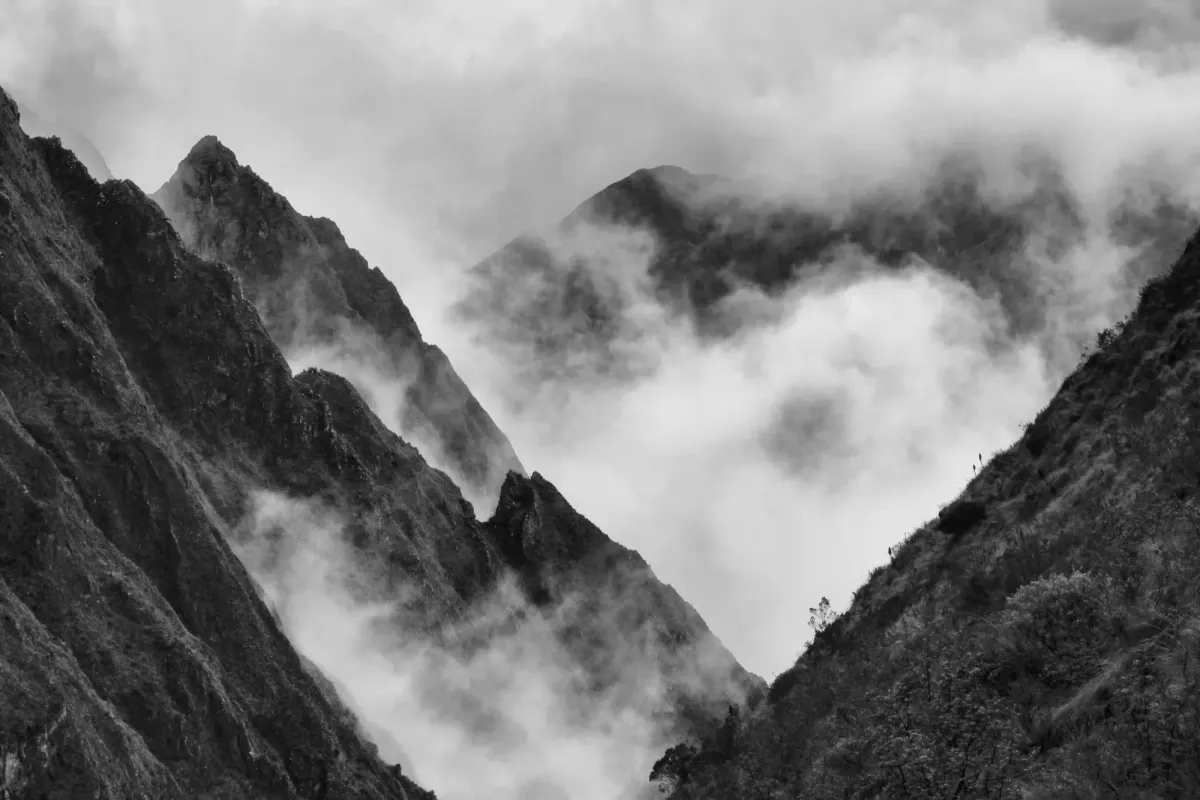
When the Incas built Machu Picchu on the steepest, most inaccessible peaks of the Amazonian cloud forest, they had a very clear intention: they wanted the city to stay hidden. For centuries, this isolation served as the architectural masterpiece's greatest shield. Today, however, a massive and highly controversial airport project rising in the heart of Peru's Sacred Valley is about to shatter this historical untouchability forever.
From Pilgrimage to Shortcut
Under current conditions, reaching the legendary citadel requires a modern-day pilgrimage. First, an international flight to Lima, followed by a domestic transfer to Cusco, and finally, winding bus rides up wildly steep mountain roads. This arduous process acted as a natural filter of sorts.
Yet, the new Chinchero International Airport aims to bypass Lima entirely, reducing transit time from days to mere hours and delivering tourist masses directly to the gates of the "city in the clouds." The issue is this: making a place easier to access does not always make it a better place.
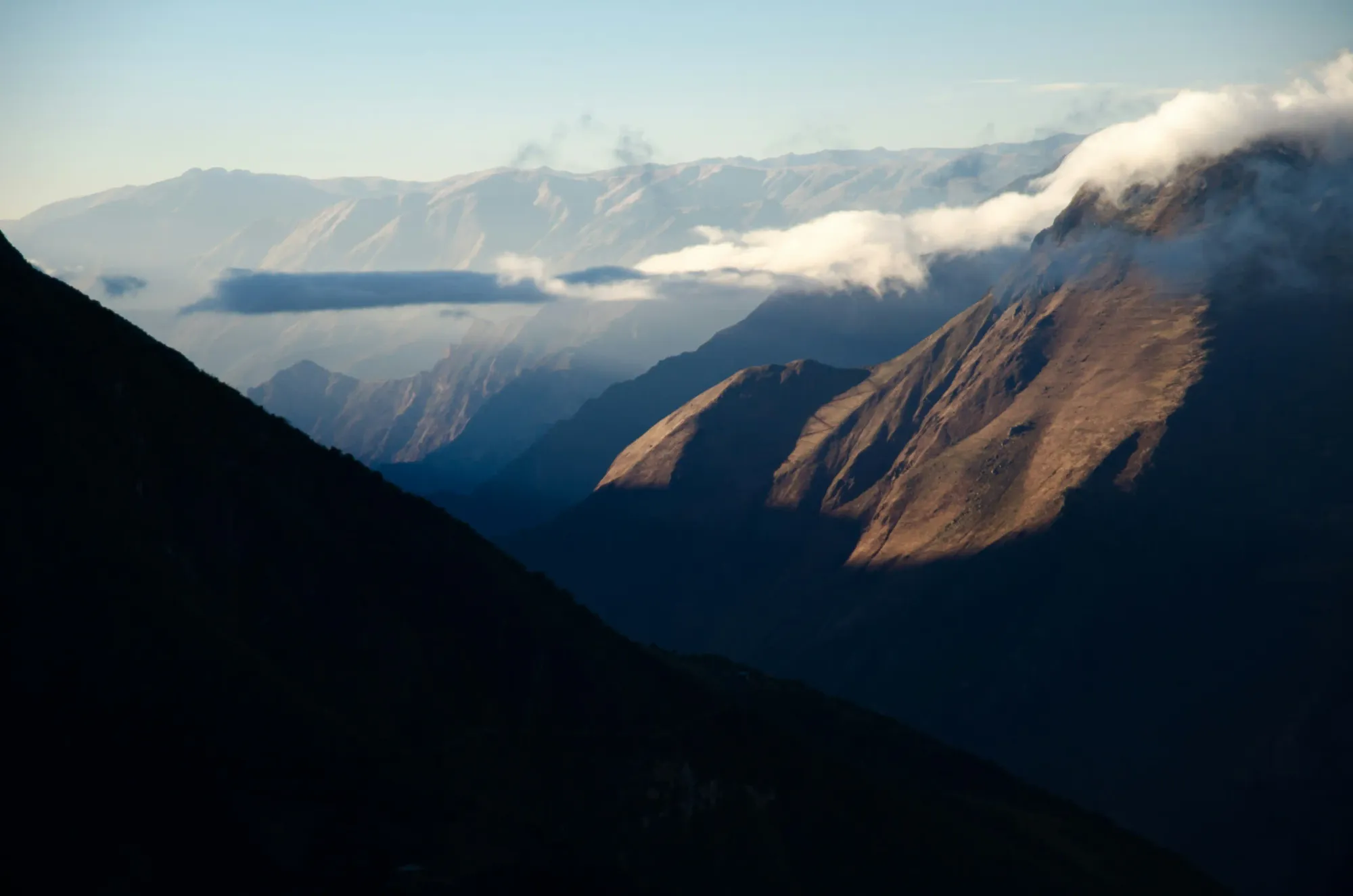
A Destructive 200% Surge
Proponents of the project argue that this massive infrastructure push will deliver an economic jolt to an underdeveloped region, creating 5,000 new jobs. The scale, however, is far beyond what the Sacred Valley can bear.
Designed to accommodate up to 8 million travelers annually, the airport will increase visitor numbers in the region by a staggering 200 percent. This might be a boon for global hotel chains, but it is quite literally a collapse scenario for an already fragile local ecosystem.
Paving Over the "World Capital of Corn"
The destructive impacts of this change have already begun. According to local guide Luis Flores, the region's centuries-old agricultural heritage is currently on life support. Villages like Urquillos, surrounded by original Incan stone walls, have grown some of the world's finest corn for generations.
But from the moment the airport was announced, local families began selling their farmland for massive payouts. On the fertile soils where quinoa and potatoes once sprouted, there are now "houses springing up everywhere."
A System at the Breaking Point
UNESCO has issued severe warnings that inadequate management could jeopardize Machu Picchu's World Heritage status. The region is already at the absolute limits of its capacity. The lone road in and out of Cusco descends into chaos every weekend, some communities are grappling with clean water shortages, and the waste management infrastructure is entirely unequipped to handle this massive influx of people.
Delayed for years with its opening now pushed to 2027, the project has yet to land a single plane. But for long-time residents like Petit Miribel, the devastation caused by unchecked development has already become permanent. Miribel's words summarize the dilemma of modern tourism: "We cannot live just thinking about short-term gains." Regardless of when it finally opens, the mere anticipation of the airport has transformed the valley irreversibly.
The Real Problem: A Failure of Tourism Management
As local guides emphasize, the sole issue here is not just visitor numbers; it is a fundamental problem of "tourism management."
The solution is not to widen and pave the roads leading to a destination everyone already knows. The solution is to disperse the tourist influx to overlooked alternative routes like Chonta Canyon, and to sustain community-led initiatives that ensure tourism revenue goes into the pockets of locals rather than global corporations.
In an age where there is hardly a place left untouched by human footprints, the real question we must ask ourselves is this: When we make a historical heritage site—preserved by flawless isolation—"easily accessible" to everyone, what will truly be left of that heritage?