The Biological Cost of Beauty: Stendhal Syndrome
Every year, tourists in Florence are hospitalized after viewing Renaissance masterpieces. A look into Stendhal Syndrome, a psychological short-circuit that reveals the dark anatomy of beauty and the crushing weight of historical authority.
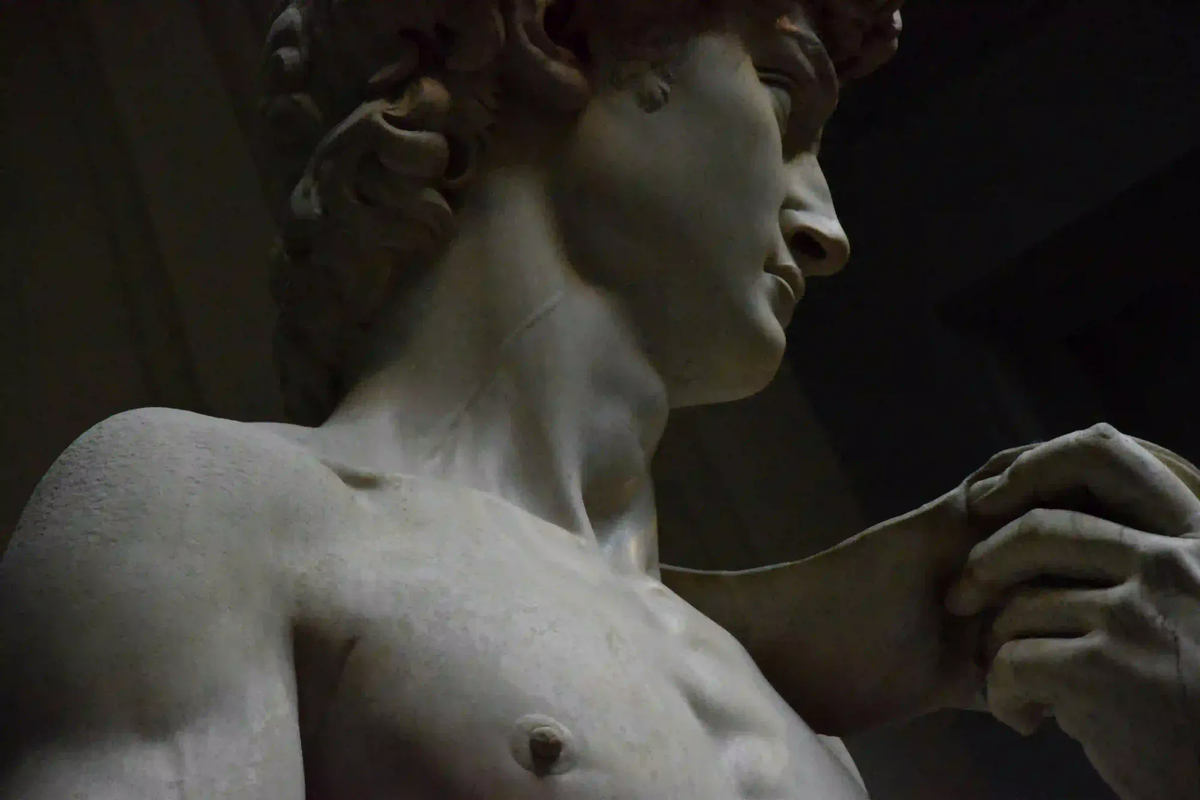
Museums are generally considered the safest, most insulated, and quietest sanctuaries of civilization. However, in Florence, at the heart of the Renaissance, this silence is regularly pierced by ambulance sirens. Even today, tourists suddenly collapsing or suffering panic attacks in the marble corridors of the Uffizi Gallery or Santa Croce in front of masterpieces by Botticelli or Michelangelo point to a medical reality far darker than a romantic art history myth.
It all began in 1817. When French author Stendhal visited the Santa Croce Chapel in Florence, he experienced a physical collapse in front of the massive frescoes and monumental sculptures. He noted in his journal that he felt severe heart palpitations, his life energy draining, and a constant fear of falling to the ground. This was not a case of food poisoning or simple fatigue. What Stendhal experienced was the human mind quietly short-circuiting in the face of absolute perfection.
For over a century, this condition remained a naive and exaggerated literary anecdote about art's impact on the human soul. Art historians classified it as "oversensitivity," while the modern world simply ignored it.
That is, until 1989.
When psychiatrist Graziella Magherini clinically examined 106 tourists brought to the Santa Maria Nuova Hospital in Florence, she proved that the symptoms were not a myth, but a concrete psychosomatic reaction. Officially entering medical literature as "Stendhal Syndrome," this diagnosis defined the collapse of the brain's defense mechanisms when suddenly confronted with flawless aesthetics, massive scale, and historical weight. Patients were not just experiencing simple dizziness. Medical records were filled with cases of hallucinations, severe disorientation, and most terrifyingly, depersonalization—the loss of the boundaries of the self. There were even documented instances of tourists attempting to physically attack and destroy artworks because their minds simply could not bear this immense aesthetic pressure.
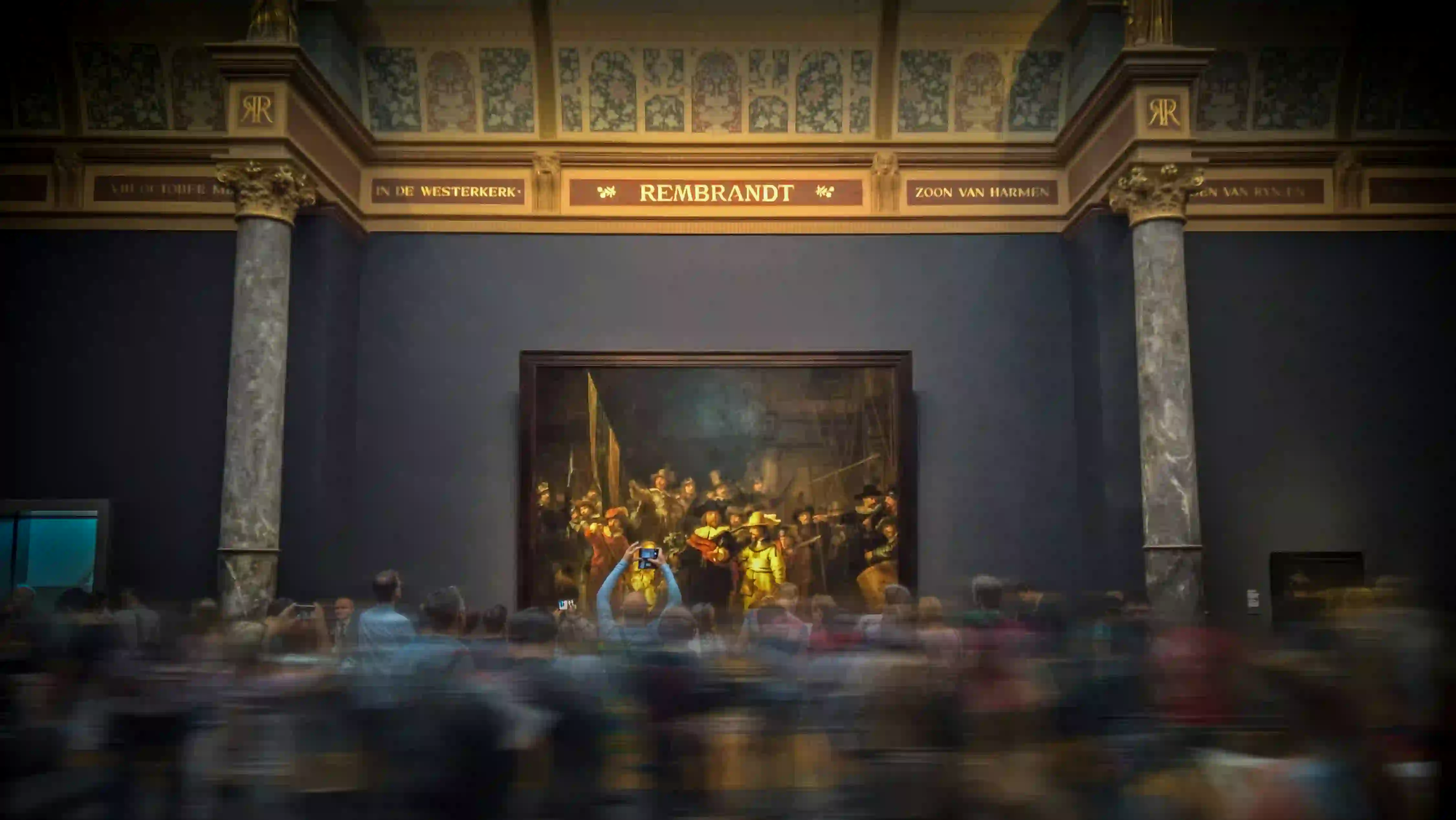
The Pressure of Expectation and Mental Bankruptcy
The medical community remains divided today regarding the origins of this severe biological breakdown. While some psychiatrists argue it is an independent, isolated neurological disorder, clinical skeptics claim that the actual trigger is not the artwork itself.
According to this latter group, Stendhal Syndrome is a self-fulfilling prophecy birthed by a combination of jet lag from transoceanic flights, claustrophobia, and the massive "pressure of expectation" created by modern tourism. A person entering a museum does not go just to look at a painting; they feel compelled to experience that "unique, life-changing aesthetic moment." When the mind is crushed under this artificial burden, it is poisoned not by the art, but by the weight of the idea of being "sated by art."
However, reading this clinical debate merely as a side effect of modern tourism misses the truly chilling aspect of the issue. This medical phenomenon leads us to a much more profound truth regarding the original purpose of art, the psychological dynamics of the era in which it was produced, and the dark anatomy of the concept we call "beauty."
How Perfection is Used as a Weapon
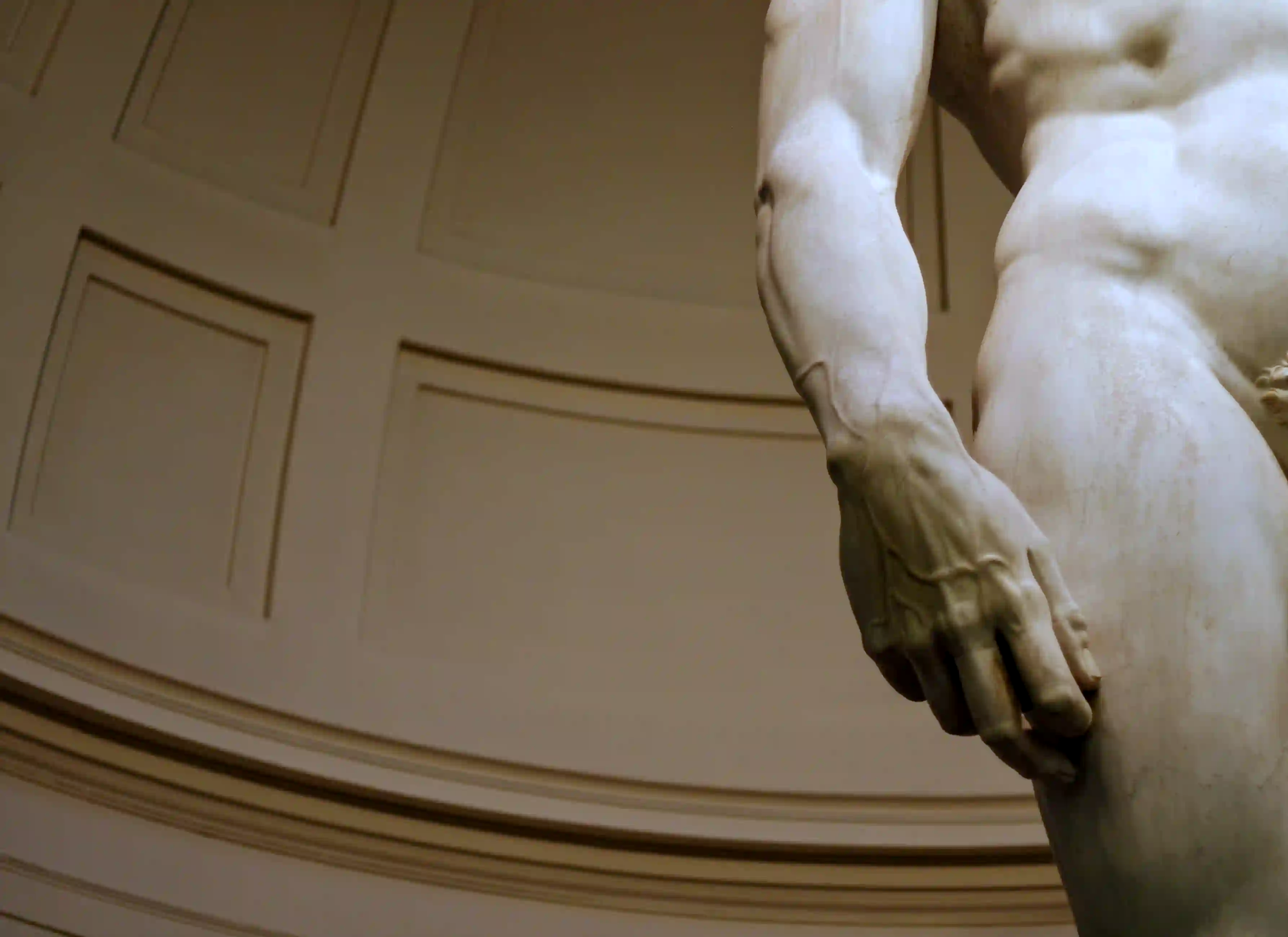
The Renaissance masterpieces we calmly stand before today, ticket and audio guide in hand, to experience "aesthetic pleasure," were never innocent objects of spectacle when they were created. In Renaissance Italy, oligarchic families like the Medici, who ruled Florence, or the Church, did not commission these monumental works merely to evoke a pleasant feeling in the viewer.
Rather than enchanting the viewer, these masterpieces were flawless psychological weapons designed to make them intimately feel their own weakness, mortality, and crushing insignificance.
Looking at Michelangelo's colossal sculptures, Botticelli's mythological figures, or massive cathedral ceilings was not a pursuit of beauty; it was subjection to a display of economic violence and absolute authority. Renaissance architecture and art were built on proportions intended to shatter the viewer's ego. The rare pigments, gold leaf, and overwhelming perspectives based on the golden ratio were designed to prove the unshakeable nature of divine authority and wealth to an ordinary person from the street. What was demanded of the artist was the creation of a weight that would diminish the viewer's physical reality and whisper their helplessness.
True "sublime" always contains a measure of terror. The very first thing you feel when confronted with a magnitude and perfection that surpasses your safe boundaries and cannot be fully grasped by your mind is not aesthetic pleasure, but an existential threat.
Viewed from this perspective, what a tourist suddenly collapsing in front of a painting at the Uffizi Gallery experiences may not just be modern travel fatigue. You are standing before a massive will designed hundreds of years ago precisely to crush you physically and mentally, to shrink you beneath its authority. When your mind decodes this flawlessly encoded message of authority, your biology sounds the alarm.
When a masterpiece takes your breath away in the silence of a museum, it is comforting to assume this is merely an innocent and intellectual artistic appreciation. But what if this sudden physical collapse is simply your biology involuntarily waving a white flag of surrender to the authority of perfection and absolute power?
— Related Reading: What Strazza’s Transparent Veil Shows Us We Have Lost