The Japan Effect: How We Turned a Geography Into a Filter to Escape Our Reality
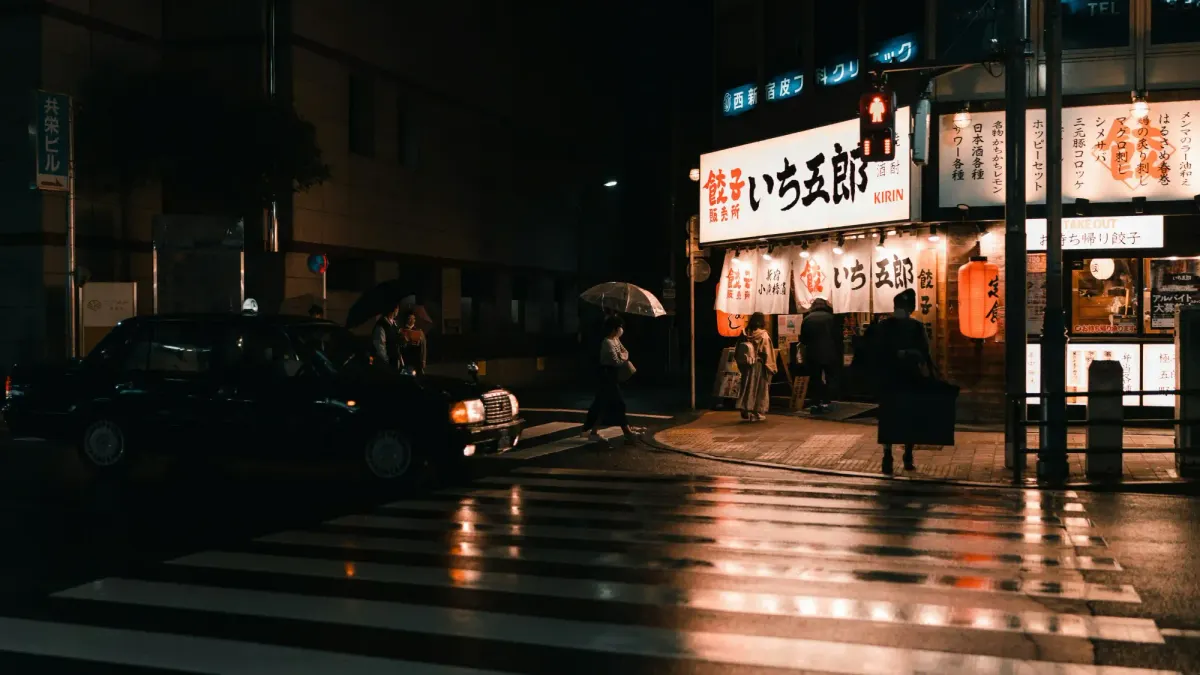
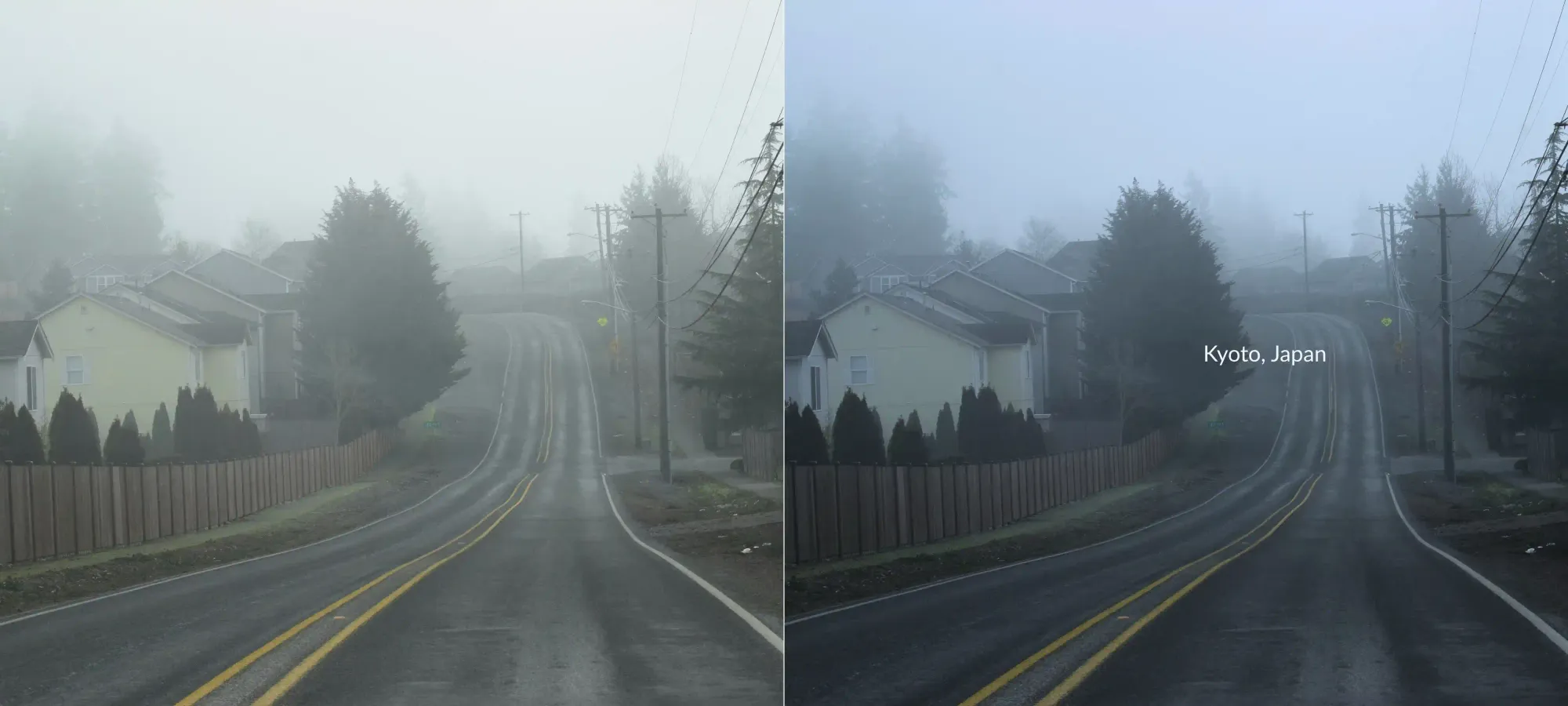
A rapidly spreading experiment on social media exposes an embarrassing flaw in modern psychology. Users share photos of two identical streets. The first is tagged with its actual, unremarkable geographical location; the second is simply tagged "Tokyo." The results are staggeringly uniform: the vast majority of viewers swear the second frame is profoundly more aesthetic, spiritual, and beautiful, solely based on the geographical tag attached to it.
The Western world has found the perfect escape hatch from its own everyday reality. It has discovered the ultimate filter that instantly transforms even the most mundane landscape into an aesthetic masterpiece: the Japan tag.
But this cultural fixation begs a critical question. Do we genuinely want to understand these distant geographies, or are we merely using an entire culture as a psychological antidote to our own monotonous lives?
An Escapist Fantasy in Numbers
This phenomenon is no longer a niche internet subculture; it directly dictates the mechanics of global tourism. Travel to Japan by Gen Z and Millennials has skyrocketed by an incomprehensible 1,300% since 2019. While the country shatters historical tourism records, it simultaneously sits at the absolute peak of social media, with 184 million Instagram posts dedicated to its aesthetic. We are not just visiting a country; we are actively consuming its aesthetic as a cure for our own cultural exhaustion.
A Century-Old Fetish: From Japonisme to Instagram
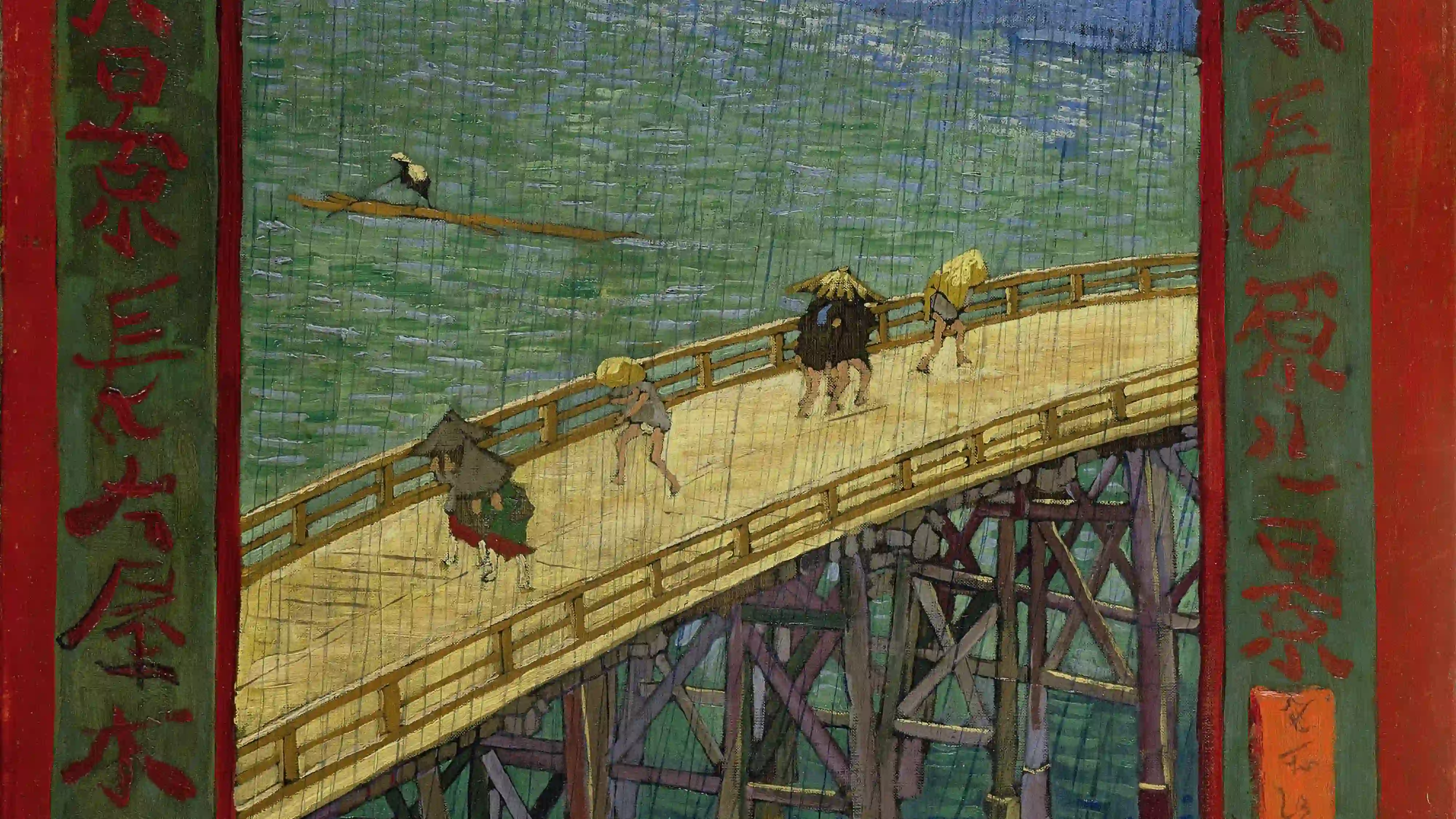
To assume all of this is merely a byproduct of the smartphone era would be historically naive. The roots of this geographical romanticization stretch back to the late 19th century, during a cultural fever that swept Europe known as Japonisme.
As Europe choked under the oppressive gray smoke and relentless mechanical noise of the Industrial Revolution, artists like Claude Monet and Vincent van Gogh sought refuge in a distant harbor: Japanese woodblock prints (ukiyo-e). The flat, shadowless, serene, and colorful world of ukiyo-e was not a real place to these European artists; it was a dreamscape they clung to in order to cope with the industrial reality they despised. They romanticized a world they barely understood and had never set foot in. Today, the medium has changed, but the psychological instinct remains identical. Yesterday’s painters sought consolation in imported woodblocks; today’s exhausted urbanites seek it in a carefully curated reels video.
Romanticizing the Mundane
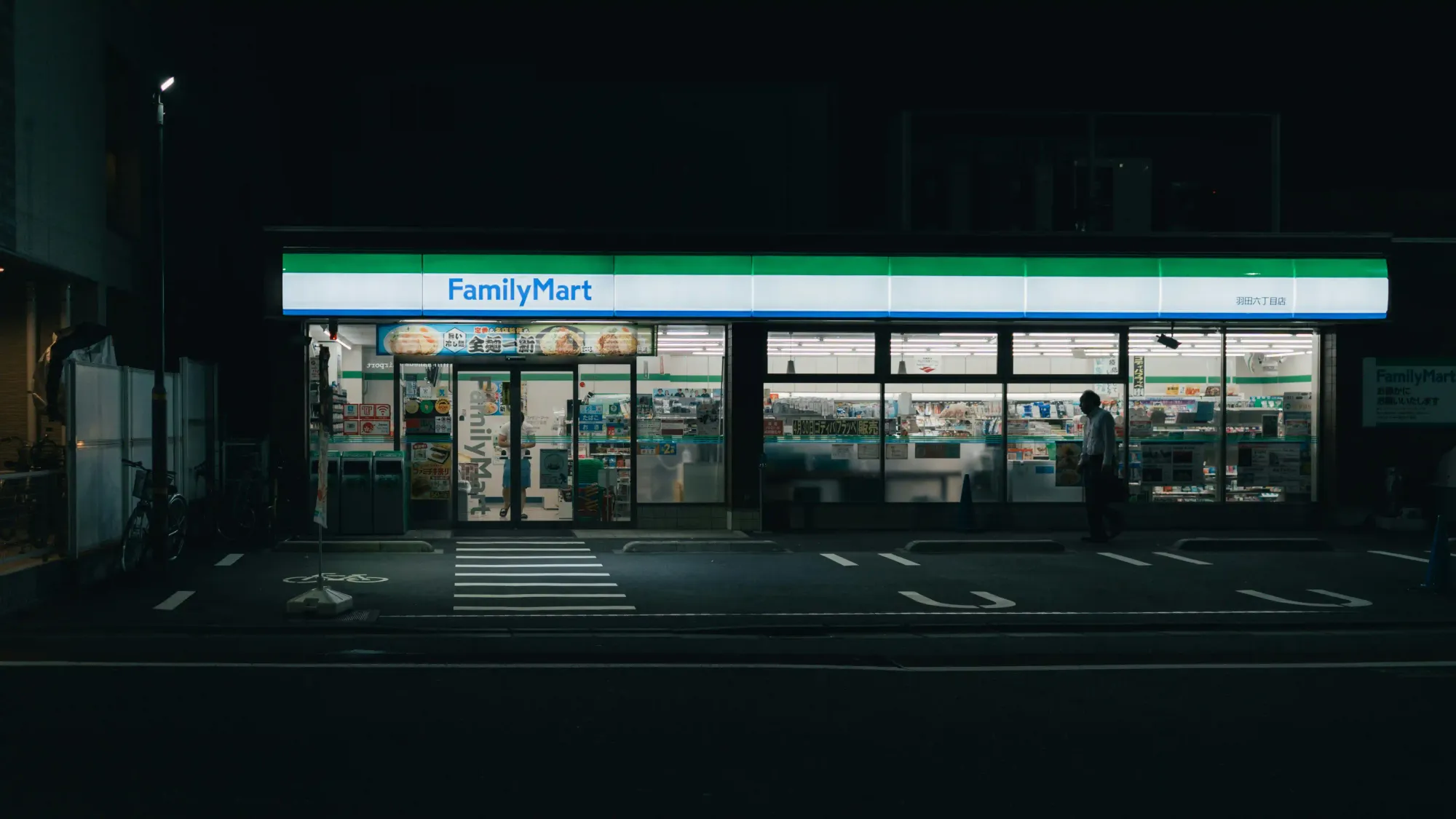
Walking into a convenience store to buy a drink is, universally, a mechanical and soulless transaction. Tagging a street photo as "New Jersey" or "Texas" fails to conjure any magic. Yet, Japan holds an unshakable reputation for turning the most mundane urban elements into a profound cultural experience.
Over there, an ordinary, neon-lit FamilyMart is perceived through the Western gaze as a spiritual destination. We project a sense of romanticism onto a foreign cash register that we are completely incapable of feeling in our own neighborhood grocery stores. We require geographical distance to find the ordinary beautiful.
The Reverse Paris Syndrome
In the 1980s, the psychiatric world documented the "Paris Syndrome"—a severe state of shock experienced by tourists who arrived in the French capital expecting a romantic utopia, only to be confronted with a loud, dirty, and chaotic metropolis.
The Japan Effect operates as the exact inverse. It is a psychological shield so thick that it prevents the tourist from seeing the exhausting reality of the country. Western travelers project a fantasy of "zen minimalism" onto cities like Tokyo, entirely blinding themselves to its brutal corporate work culture, extreme urban isolation, and the chaotic visual noise of its commercial districts. They do not see the reality of the geography; they only see the fictional backdrop they came to photograph.
The Viral Hubris of Consumption
Reducing a culture to a viral aesthetic has an inevitable consequence: physical destruction. We have witnessed quiet towns at the foothills of Mt. Fuji overrun and crushed for the sake of a flawless photograph. Local municipalities have even been forced to physically block their own iconic views with massive barriers just to survive this viral stampede.
This is the very definition of modern hubris: reducing an ecosystem's coordinates to a digital commodity rather than respecting it. Truly honoring a geography requires observing its flawless machinery in "digital silence," without interference, rather than exposing it with a massive megaphone. However, our current culture rewards conquering and tagging over observing.
(For a deeper exploration of why refusing to share coordinates is a modern conservation instinct, read our full editorial essay: [Digital Silence: Is Withholding a Location Selfish, or a New Conservation Instinct?])
Blindness to Our Own Reality
Sociologists and behavioral experts suggest this massive cultural illusion actually has very little to do with Japan itself. The root cause is a heavy psychological barrier preventing us from appreciating the beauty within our everyday reality. We can only romanticize the mundane when viewing it through a distant, exotic filter.
One anonymous user's confession online perfectly encapsulates the tragicomedy of the modern human condition:
"Even in my own home, I sometimes think—if this were an Airbnb, I'd be having a great time."