The Ecological Paradox: Why Is Shooting an Animal a Crime, Yet Destroying Its Home Legal?
While modern law strictly prohibits harming an endangered creature, it grants industry the right to obliterate the very ecosystem that animal needs to survive. We examine the massive legal paradox that is turning nature's rightful inhabitants into biological refugees.
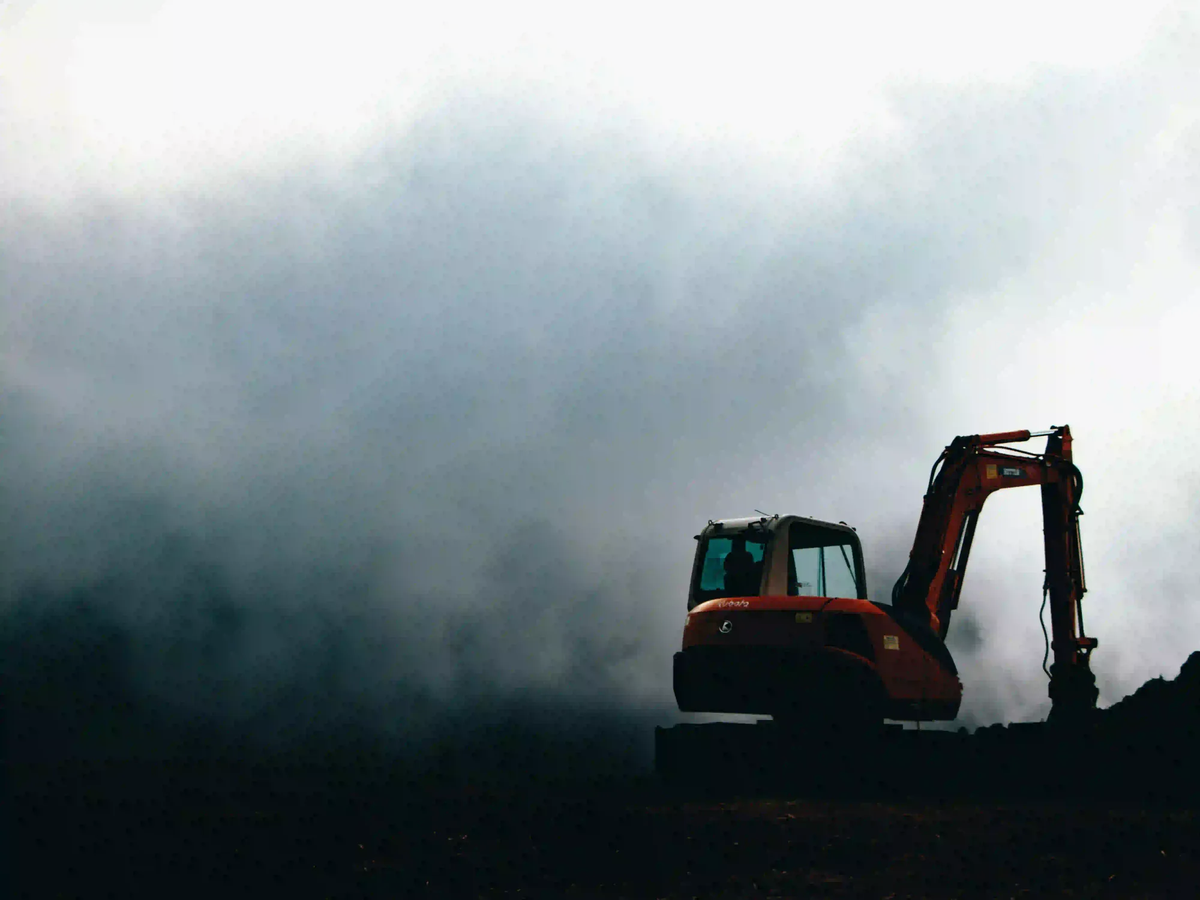
Recent legislative rollbacks, which dismantle a half-century of environmental protections, have officially opened endangered ecosystems to bulldozers. While causing physical harm to a creature remains a severe offense almost everywhere in the world, obliterating the only forest it breathes in has been transformed into a legitimate right. This contradictory relationship modern law has with nature exposes a massive flaw that will determine the planet's future: How is it possible to sanctify a living being's existence on paper while surrendering the only geography it can survive in to industry?
The law strictly prohibits inflicting physical harm on an endangered wolf, bird, or rare reptile. Directly targeting a species carries severe penal sanctions. Yet, that very same legal framework accepts turning the entire valley where that creature shelters, feeds, and breeds into a mining site as a legitimate "land development" or "infrastructure" project. The greatest logical collapse in the history of environmental conservation is unfolding right here, before our very eyes.
Lacking an understanding of ecological wholeness, these legal mechanisms treat living beings like isolated museum artifacts. However, protecting a creature does not end with merely ensuring it draws breath. It requires giving back the land where it hunts, the clean water it drinks, and the biological silence it needs to sustain its evolutionary lineage.
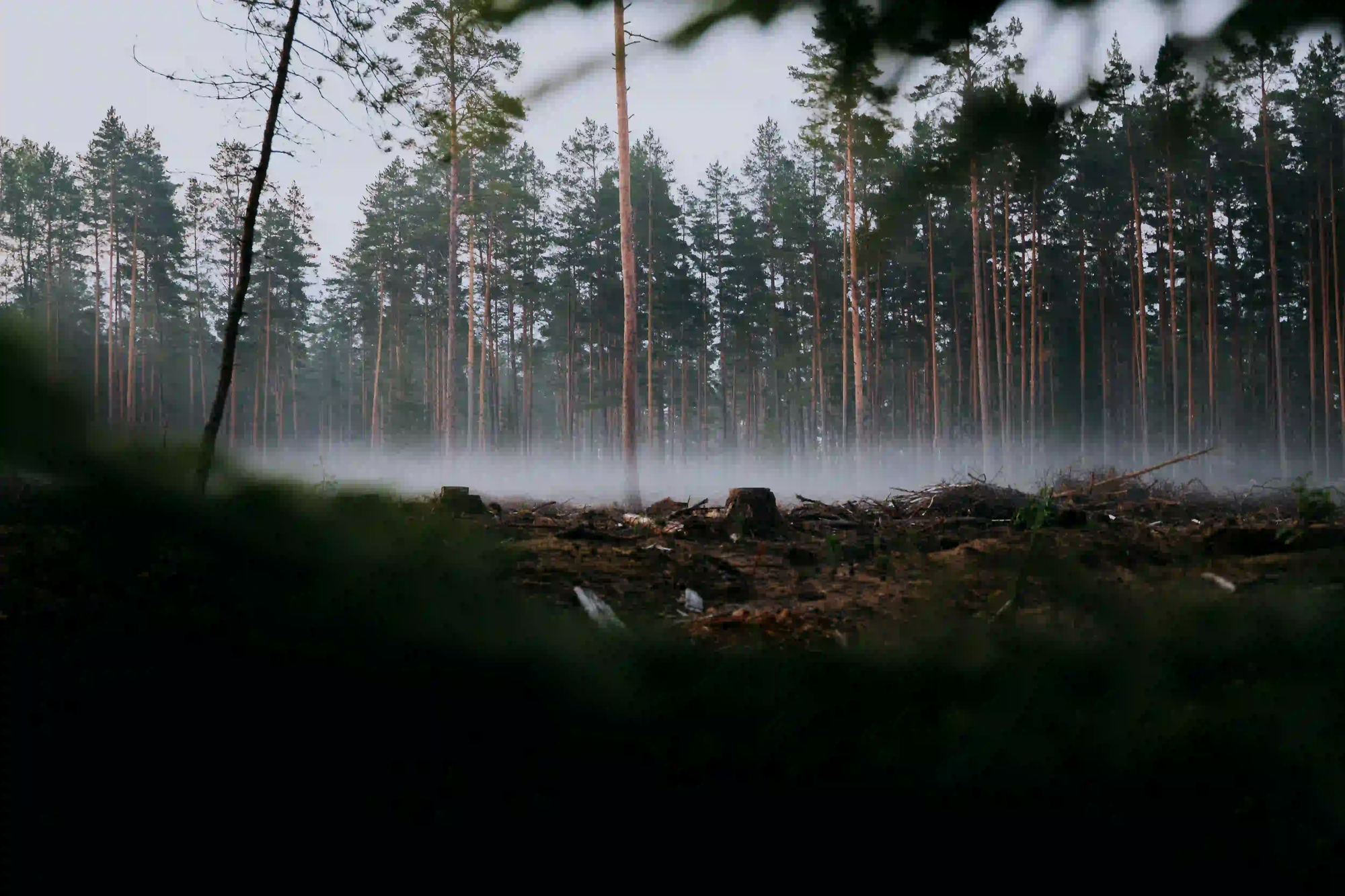
The Semantic Erasure of "Harm"
For decades, global environmental protection texts defined the concept of causing "harm" to a species through a broad, ecosystem-centric lens. This definition did not merely cover a bullet fired or a trap set for an animal; it unequivocally prohibited the degradation of the creature's feeding, breeding, and sheltering grounds.
"To render a creature untouchable in official legal texts while sacrificing the only geography it feeds on to bulldozers is to effectively annihilate that species. Refusing to rescue a living being from a burning house, yet promising not to touch it, is the perfect conservation illusion."
Newly implemented regulations have meticulously extracted this critical protective clause—the very backbone of ecological balance—from the definition of "harm." This minor semantic surgery in legal documents abandons vast forests and fragile ecosystems to the mercy of industry through a mere play on words. As long as there is no direct physical intervention, the total obliteration of a habitat no longer constitutes a crime.
Private Lands and the Perfect Conservation Illusion
To truly grasp the devastation this legal loophole will cause, one must look closely at the statistics. Globally, more than two-thirds of endangered species rely directly on private lands and the micro-ecosystems within them to survive.
These massive areas, falling outside state-protected national parks, are left entirely defenseless by the new legislative frameworks. The newly established legal ground grants the oil, mining, agricultural, and logging industries the absolute freedom to swallow these lands without paying any penal price. When an industrial project devours a massive valley, as long as poison isn't directly poured over the wildlife within, the action is deemed legally compliant. Yet, a species severed from its ecosystem, left without a single tree for shelter or a square meter of land to hunt on, is already condemned to extinction.
The True Culprits of a Silent Extinction
There is a widespread misconception in society regarding the extinction of wildlife. Influenced by documentaries and media, we are led to believe that the lion's share of species eradication belongs to poachers, the illegal wildlife trade, or rare diseases. Scientific data, however, clearly dismantles this romanticized, true-crime perspective.
Today, the primary cause of extinction for thousands of species on the brink is no longer poachers or the natural consequences of the global climate crisis. The fundamental and most destructive force behind biodiversity loss is habitat destruction, executed entirely with official government permits and within legal frameworks. Slicing forests in half with highways, draining wetlands for agriculture, and converting mountainous regions into mining sites erase far more species from the map than a hunter with a loaded rifle ever could.
Biological Refugees in the Anthropocene
This entire picture proves just how dangerous a precipice our current system has reached. Behind closed doors, a single signature from decision-makers in suits can irreversibly erase millions of years of the evolutionary tree and unique genetic heritage in seconds. A system that grants select groups, corporations, and political entities such unchecked, god-like power to destroy nature manifests a reality usually reserved for the pages of dystopian fiction.
For our own comfort, our insatiable demand for energy, and our relentless obsession with continuous growth, we are turning the world into an endless construction site. In doing so, we are legally reducing the rightful inhabitants of this planet—beings who have been here for millions of years—into "biological refugees" in their own homes. With nowhere left to seek shelter, their migration routes severed, and their ecosystems paved over with concrete, these creatures remain the invisible victims of humanity's so-called narrative of progress.
So, amidst all these legal illusions and ecological devastation, what is the real question we must ask ourselves?
Is the true advancement of a civilization measured by how ruthlessly it "controls" nature with massive machinery, or by how much space it leaves for the other forms of life it shares the planet with?
— Related Reading: 7 Silent Ecological Revolutions Saving the Planet