WITCH: A Visual Record of Disobedience and Feminine Wisdom in Rural Romania
Published by IDEA, WITCH challenges the historical narrative that equates the witch with evil. Through rural Romanian landscapes and raw corsetry, the project reinterprets this figure not as a symbol of fear, but as one of absolute freedom.
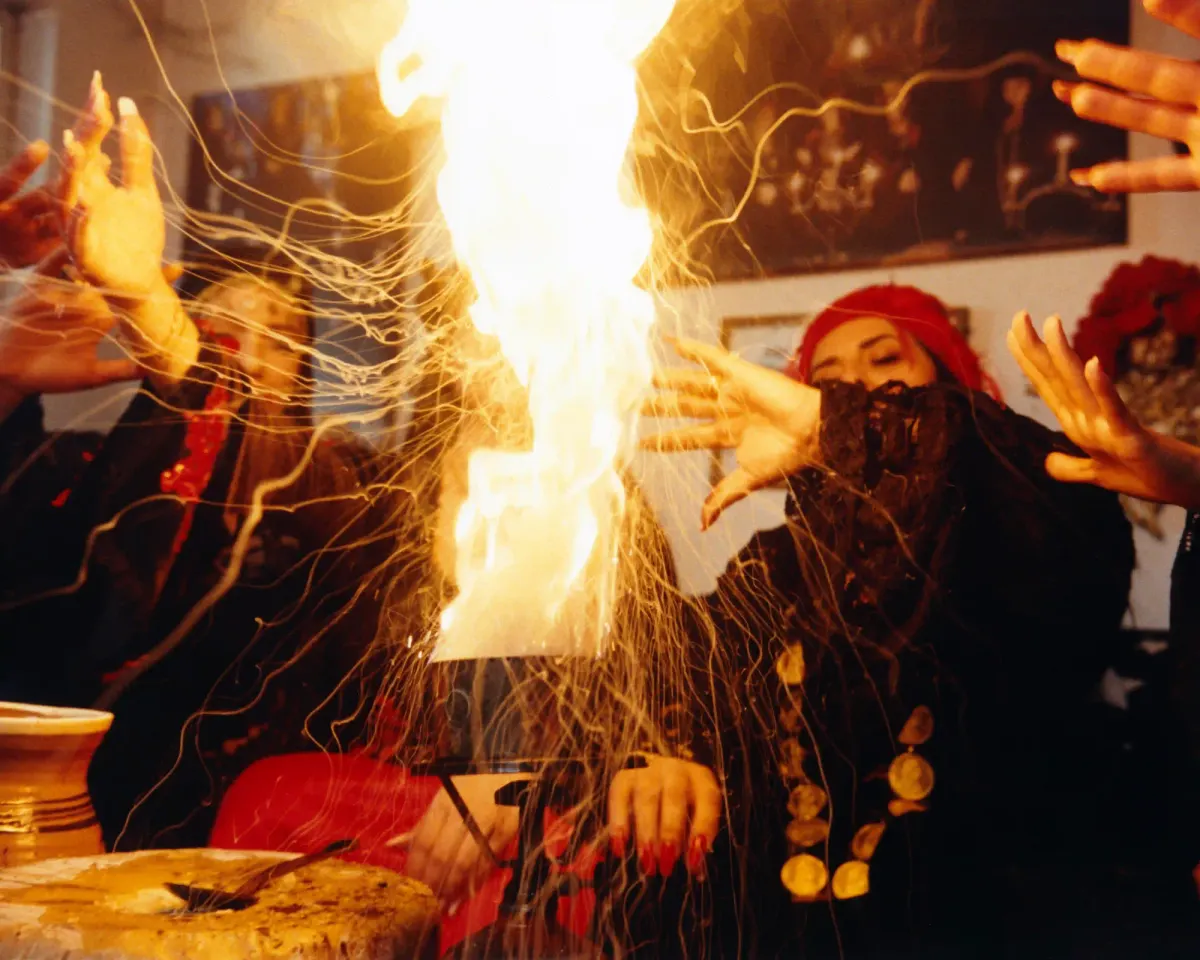
Photographer Harley Weir and fashion designer Dilara Findikoglu question what the word "witch" means today in their new project, WITCH. Published by IDEA, this 208-page photography book is presented in a limited edition of 500 copies.Shot over five days across eight cities and villages in Romania, the project documents a lived reality rooted in nature and folk mythology.
Throughout history, witch hunts were more than mere feudal superstition. As Italian scholar Silvia Federici details in her work Caliban and the Witch, this process was a systematic elimination of women who refused to submit to a rising new order. Healers with botanical knowledge, who defended communal living and their independence, were pushed out of the system. Weir and Findikoglu’s documentary project revisits this marginalized narrative in its native geography.
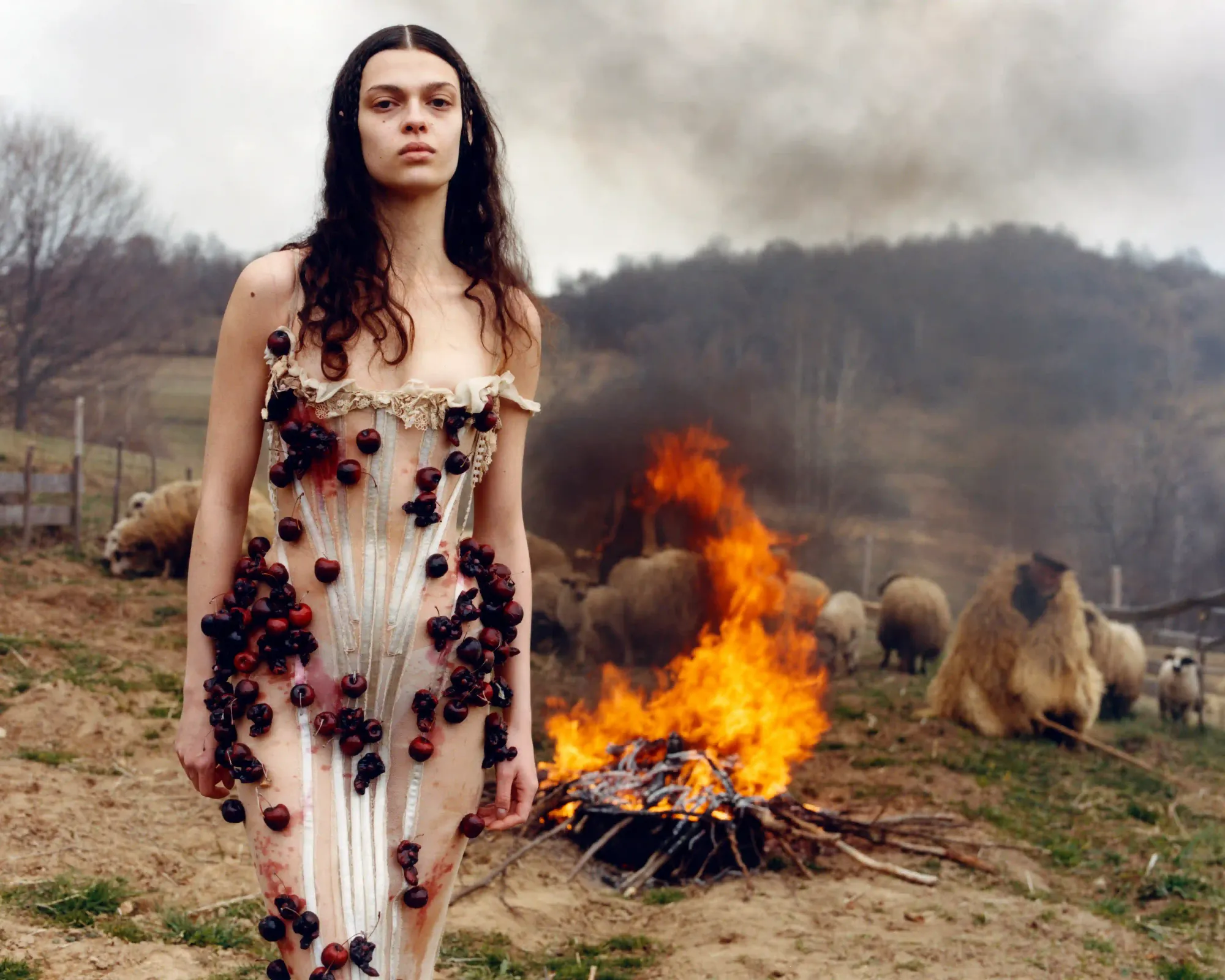
"For centuries, the witch has been used as a symbol of evil. But maybe she was never scary because she was evil, maybe she was scary because she was free. Across history, women who were outspoken, independent, sexual, knowledgeable, or simply unwilling to conform have been treated as dangerous."
Harley Weir
Among the women Weir photographed are Mihaela Minca and her daughters, known locally and globally as the "most powerful witches alive." For them, this concept is not a fantasy or myth. It is a nature-based reality where knowledge,existing outside institutional power, is passed down through generations.
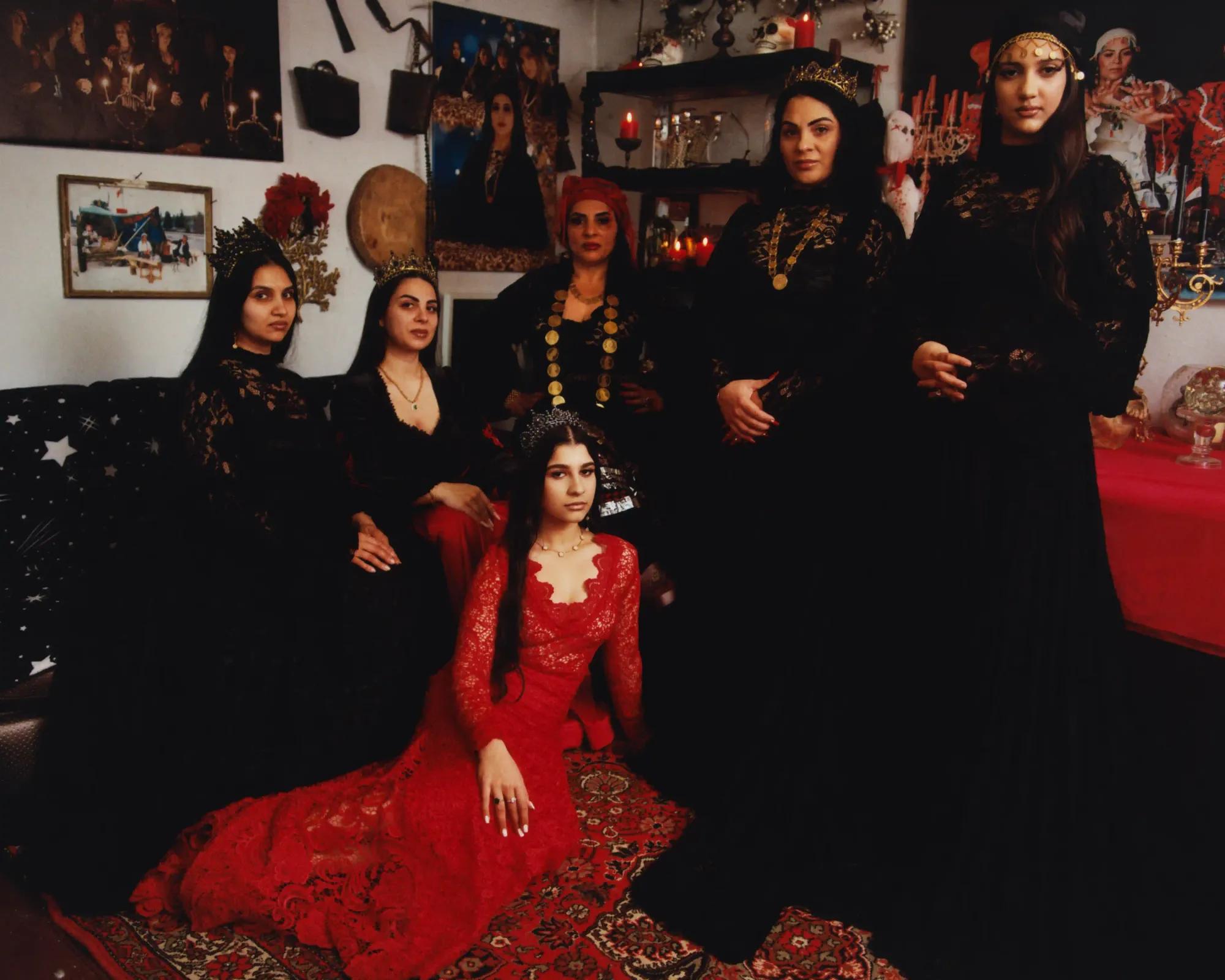
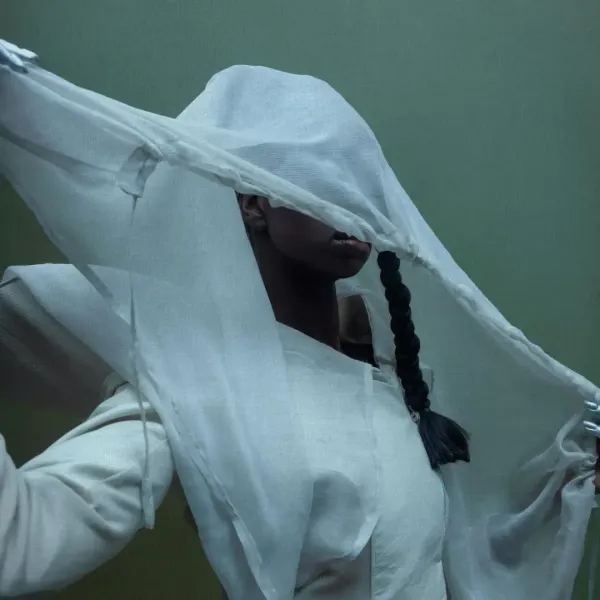
Dilara Findikoglu’s designs blend with traditional Romanian village garments. Corsets, tulle, and raw textures transform the body from a vessel of obedience into a visual language of independence and refusal.
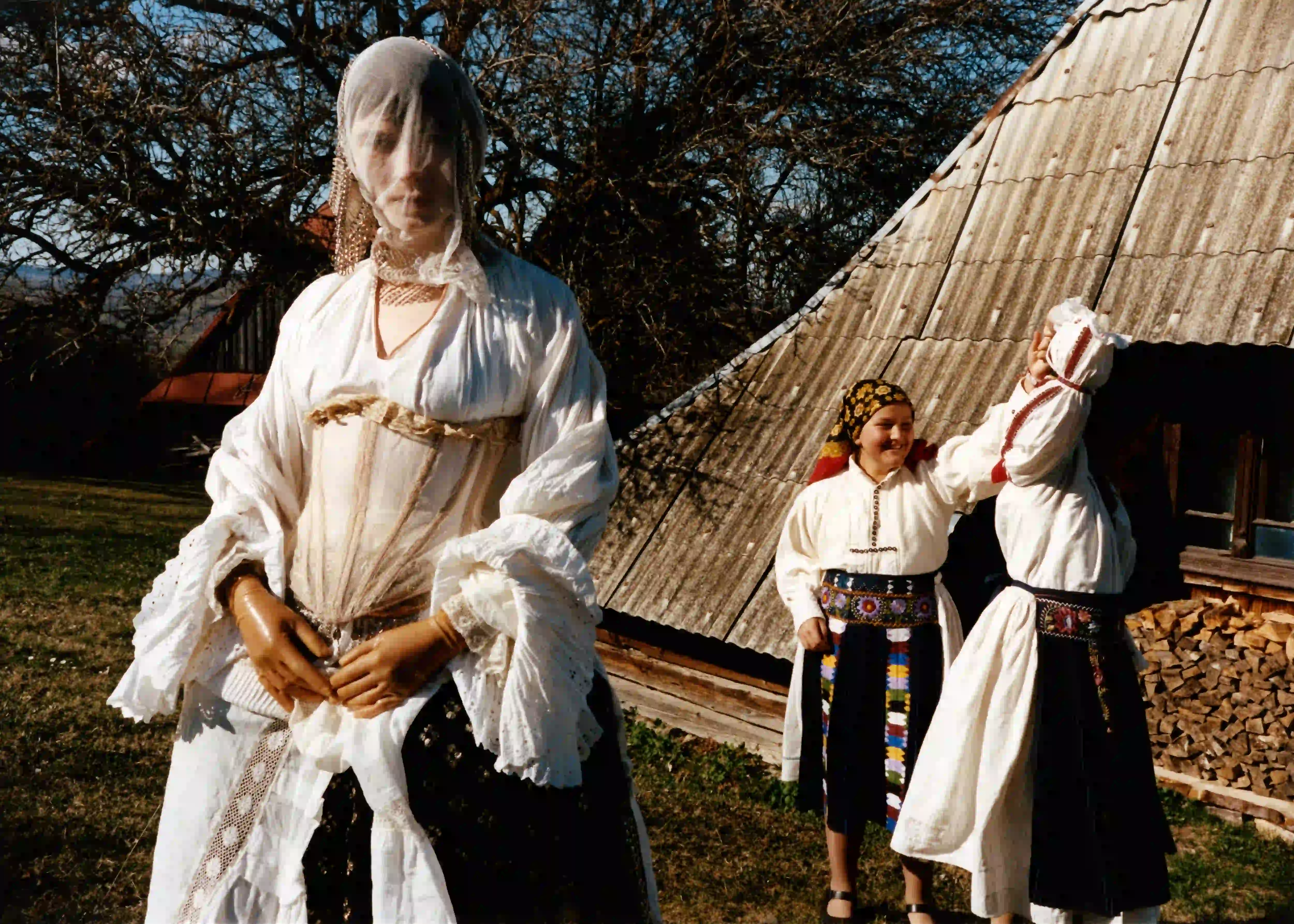
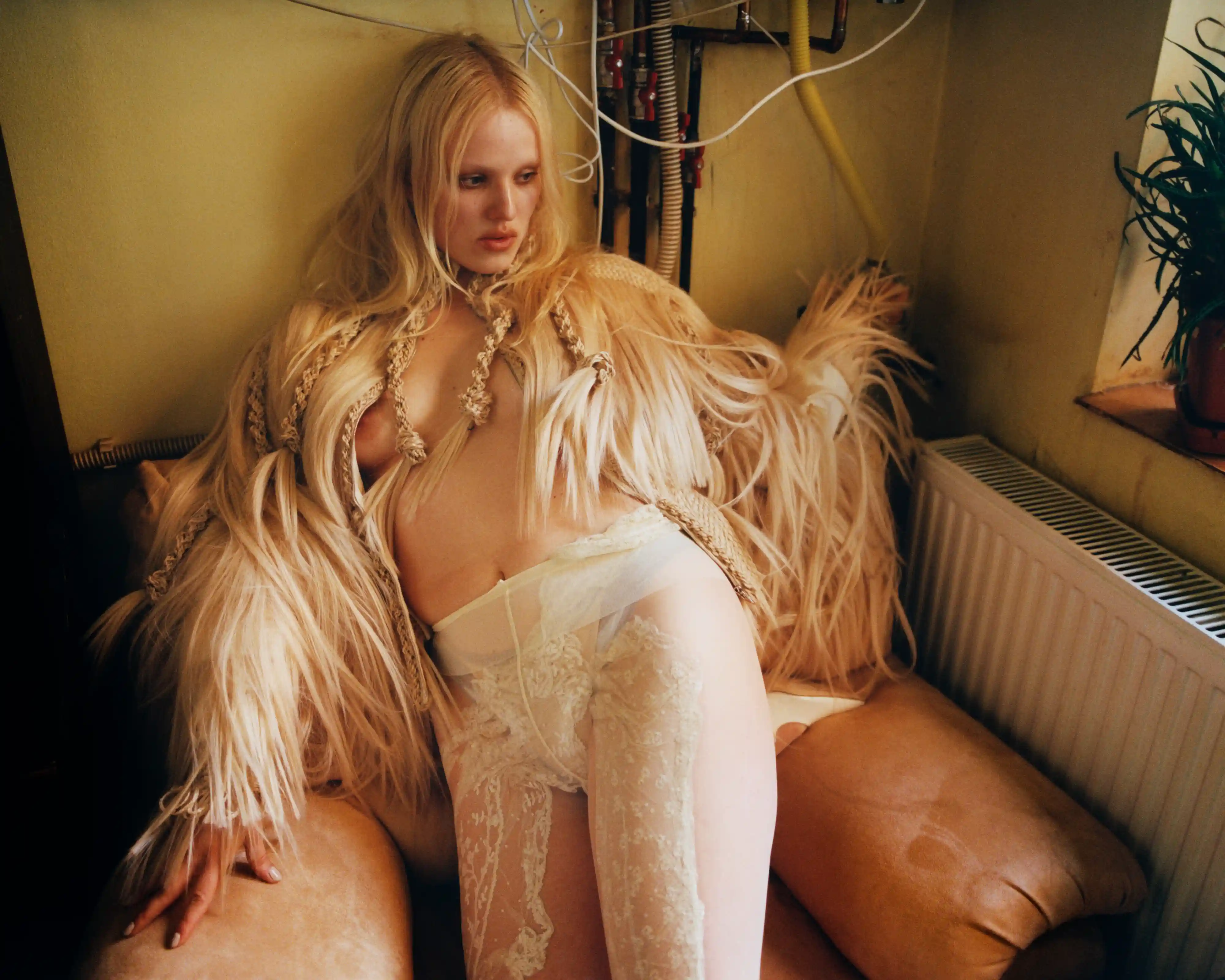
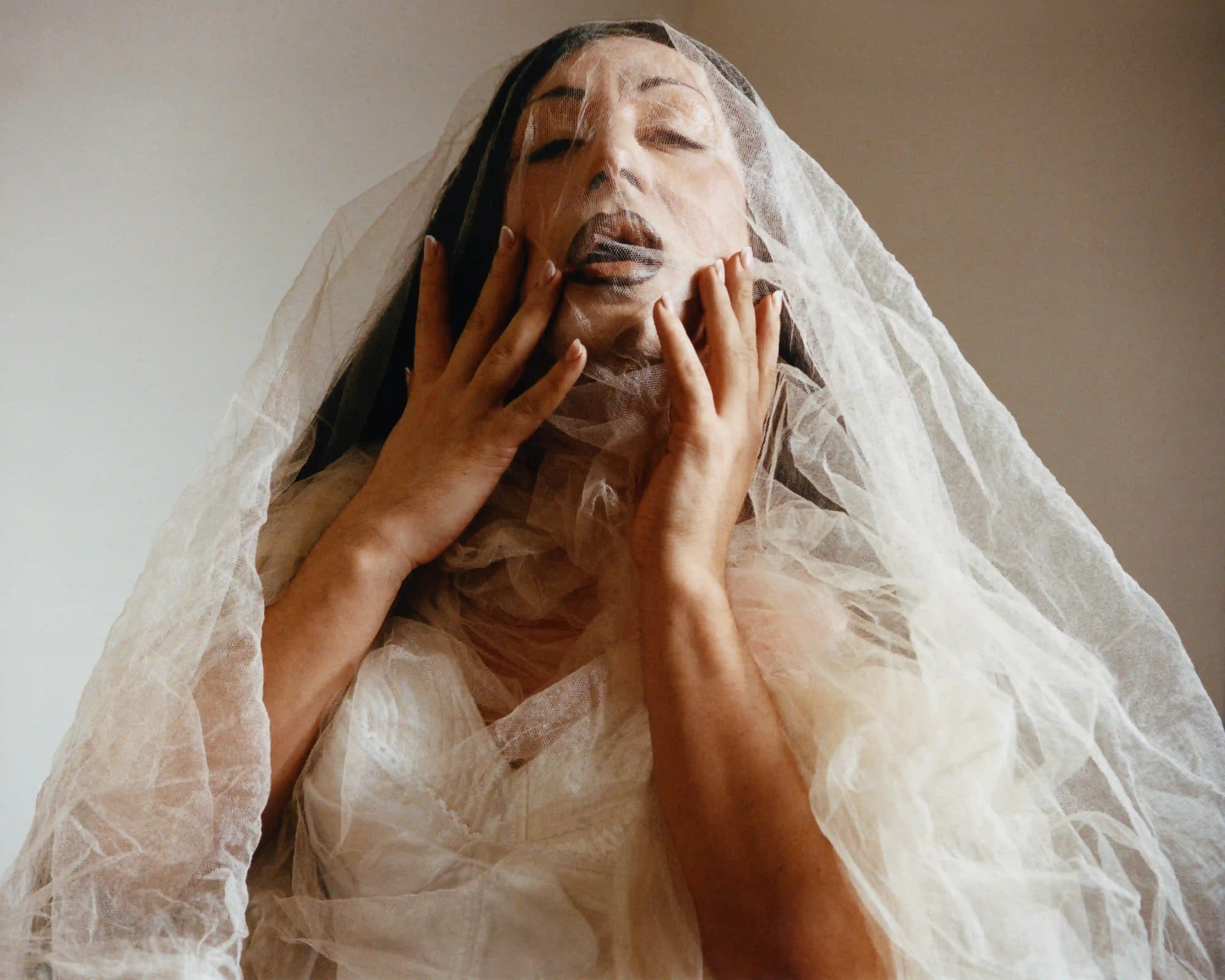
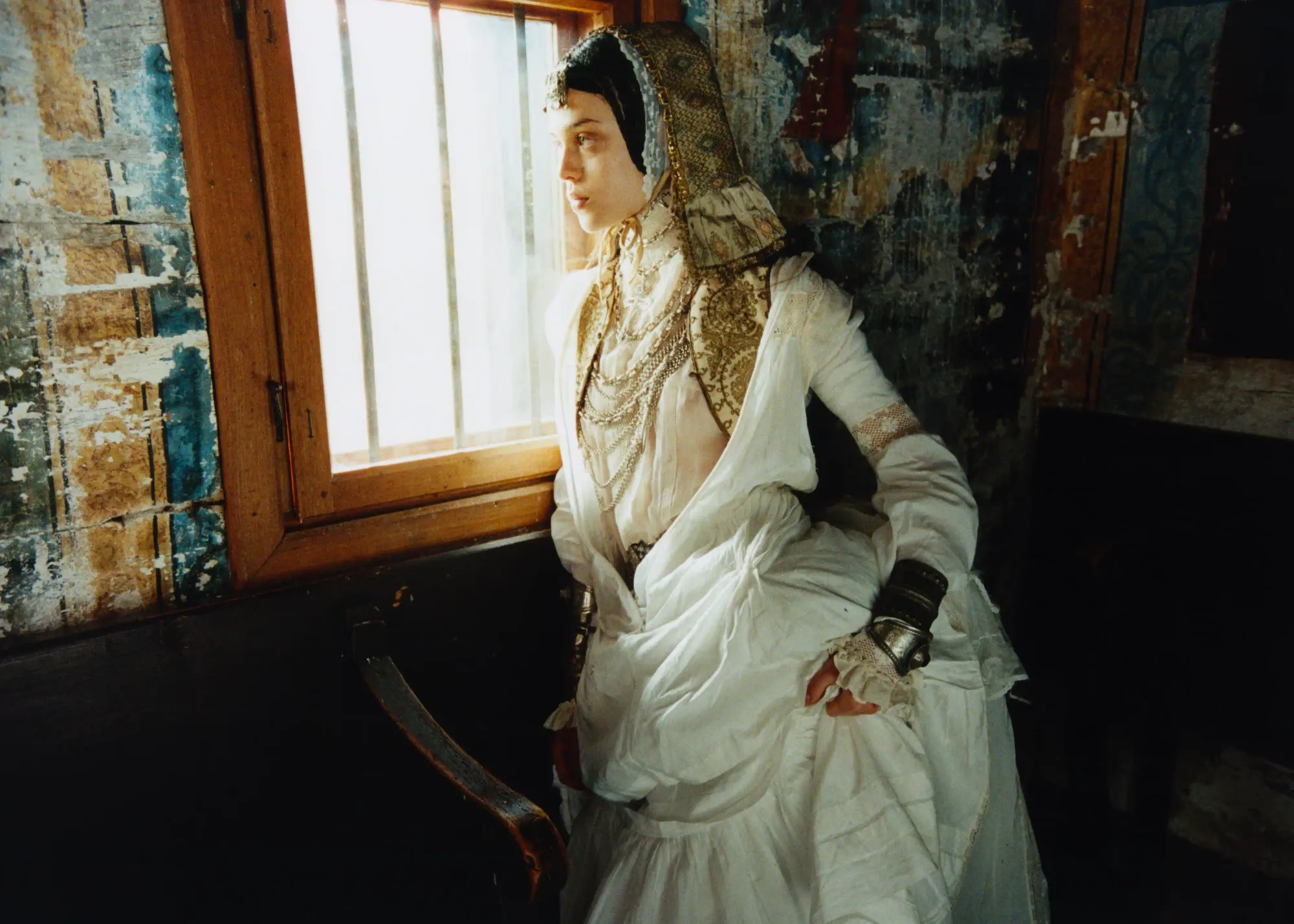
"For centuries, patriarchal thinking has placed logic, reason and control above intuition, emotion and instinct. Yet these are equally valuable forms of knowledge, each essential to our understanding of existence. The wisdom associated with the feminine is not something mystical or extraordinary, but something deeply rooted in our bodies, our connection to nature and the knowledge we carry within us."
Dilara Findikoglu
WITCH challenges the historical narrative that equates the witch figure with evil. By centering women who maintain a deep connection with nature and their own identities, the project reinterprets this figure not as a historical symbol of fear,but as one of absolute freedom.
Photographs: Harley Weir
Styling & Garments: Dilara Findikoglu
Published by: IDEA