Why Do Trees in Canada Need Legal Personhood to Survive Modern Environmental Law?
A Canadian town just gave trees the same legal rights as humans. Why must a forest prove it is a legal entity just to avoid being cut down?
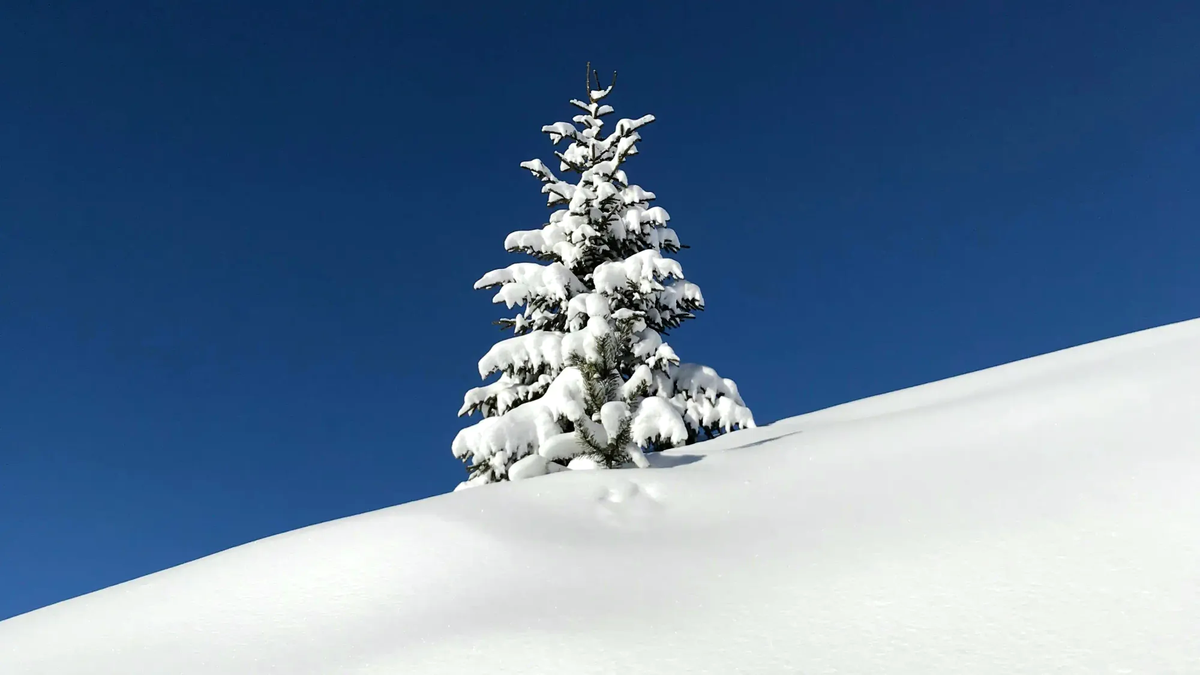
Forty miles west of Montreal, far from the noise of highways and major industrial hubs, the small Canadian town of Terrasse-Vaudreuil, with a population of roughly 2,000, recently became the stage for one of the most bizarre and striking turning points in modern environmental law. On June 9, the town council convened and unanimously passed a historic bill. Under this new legislation, the trees within the town's borders are no longer considered mere "landscaping material," timber resources, or state property; they are recognized as legal entities with the right to live, grow naturally, maintain their integrity, and regenerate.
The notion that centuries-old oaks or maples have won the right to be represented in a courtroom—just like you—might initially seem like a romantic ecological victory. Yet, the fact that we are forced to dress a forest in a "legal human costume" just to protect it from the chainsaws of loggers is the clearest evidence of how pathological our relationship with the planet has become.
This new legal plane, where a tree is forced to prove it is an "individual" to avoid being cut down, confronts us with the profound irony at the core of our justice system: the concept of Legal Personhood.
Inanimate Corporations and Breathing Roots
For over a century, our modern legal framework has had no qualms about distributing human rights to entirely fictional entities. A corporation is a collection of contracts that lacks flesh and bone, does not breathe, does not feel pain, and exists solely on paper. Despite this, modern laws have granted corporations "individual" rights, such as the right to own property, file lawsuits, exercise freedom of speech, and seek protection.
The backbone of environmental lawyer Karine Peloffy’s defense at the town council was exactly this legal illusion. If a lifeless, breathless corporation has enjoyed legal personhood for decades, what prevents a living, breathing organism that filters water and cleans the air from equally obtaining these rights? Why is the right to life of a fictional entity considered more sacred than that of the earth's original hosts?
The decision made by the town of Terrasse-Vaudreuil is a brilliant attempt to "hack the system" to shatter this contradiction. Granting legal status to trees is not actually about humanizing nature; it is about creating a defense mechanism for nature within the bureaucratic language humanity has constructed.
Floodwaters and Green Infrastructure
The driving force behind this historic step was not purely a love for nature, but a relentless survival reflex. In recent years, Terrasse-Vaudreuil has been submerged three times by severe flooding triggered by the climate crisis. In these moments of crisis, when concrete barriers and modern engineering marvels failed, the townspeople paid a bitter price to remember that their oldest and strongest allies were the trees.
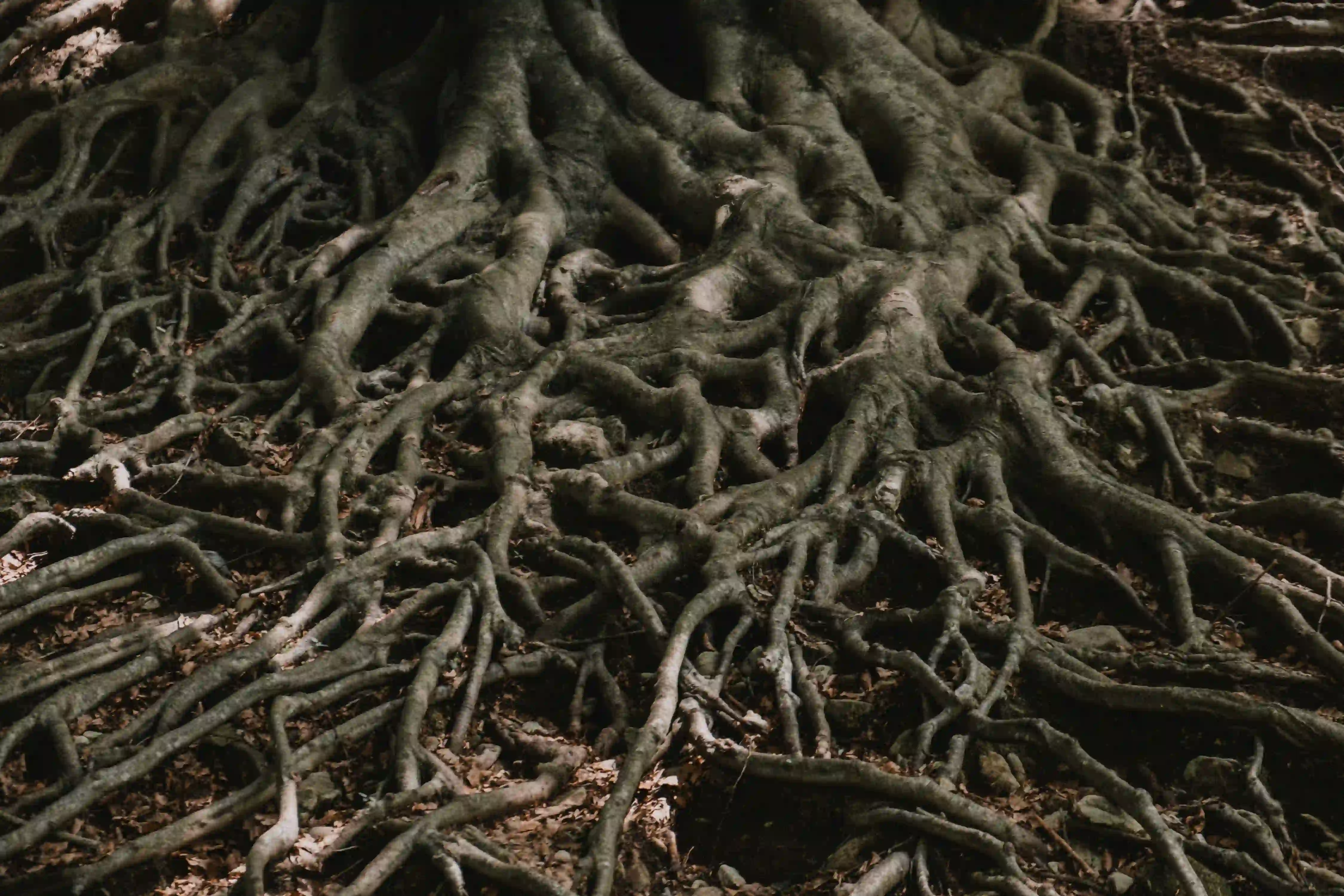
A forest offers more than just aesthetic scenery. It operates like a massive hydro-engineering system stretching for miles beneath the city. During heavy downpours, the complex root systems of trees act like sponges, absorbing tons of water, directing it into groundwater reserves, and halting surface floods. Simultaneously, they break the urban heat island effect and maintain the physical integrity of the soil. This is why Mayor Michel Bourdeau describes trees as "our greatest ally." They are no longer just plants to sit under; they are the "green infrastructure" systems ensuring the town's survival. And like any critical infrastructure, they must be directly protected by the law.
Biological Reality Reflected in Law
The scientific reality behind recognizing trees as legal individuals is even more fascinating. The argument presented to the townspeople by filmmaker André Desrocher, the inspiration for the decision, relied on one of the most striking discoveries in modern botany: trees are not isolated, deaf, and mute pieces of wood.
We are talking about a massive community that constantly communicates, shares resources, pumps nutrients to sick or young saplings, and warns each other of approaching threats via chemical signals through the mycorrhizal networks beneath the forest floor. Desrocher’s argument that "a tree is just like a human" is not a romantic metaphor; it is a biological fact. They build neighborhoods, cooperate, and construct a social network. Our legal system is only now catching up to this communal reality—which biology has known for millions of years—by finally granting them a legal identity.
The Courtroom of Hubris
Representing trees, rivers, or mountains in the legal arena—much like the human status granted to the Whanganui River in New Zealand in recent years—is undoubtedly one of the most practical and effective weapons devised to slow ecological destruction. Thanks to this, when a construction company wants to clear-cut a forest, it will no longer be able to simply pay a fine to the state and walk away; it will face a legal "individual" whose right to life is being stripped away, represented by attorneys.
Yet, this grand legal victory is not enough to conceal the hubris of modern humanity. We failed to protect nature for its own existential value, simply because it is "nature." We viewed it not as a silent sanctuary to be respected, but as an inventory to be claimed as property. And today, to save a forest from annihilation, we are forced to drag it into modern courtrooms and drape a fictional identity over it. We only deem it worthy of protection when we fit it into our own molds, when we make it "one of us."
Granting legal status to trees is a promising, brilliant, and revolutionary step toward saving the planet. But when the doors of those grand courtrooms close and we are left alone with our conscience, there is a much heavier truth we must confront:
Was granting the right to life to these ancient organisms—which took root on this earth millions of years before us, establishing their own languages and flawless networks—ever truly ours to give?
— Related Reading: 'Plant Blindness' and the Silent Network of Forests