The Nordic Paradox: How the World's Happiest Country Rejected the Ownership of Nature
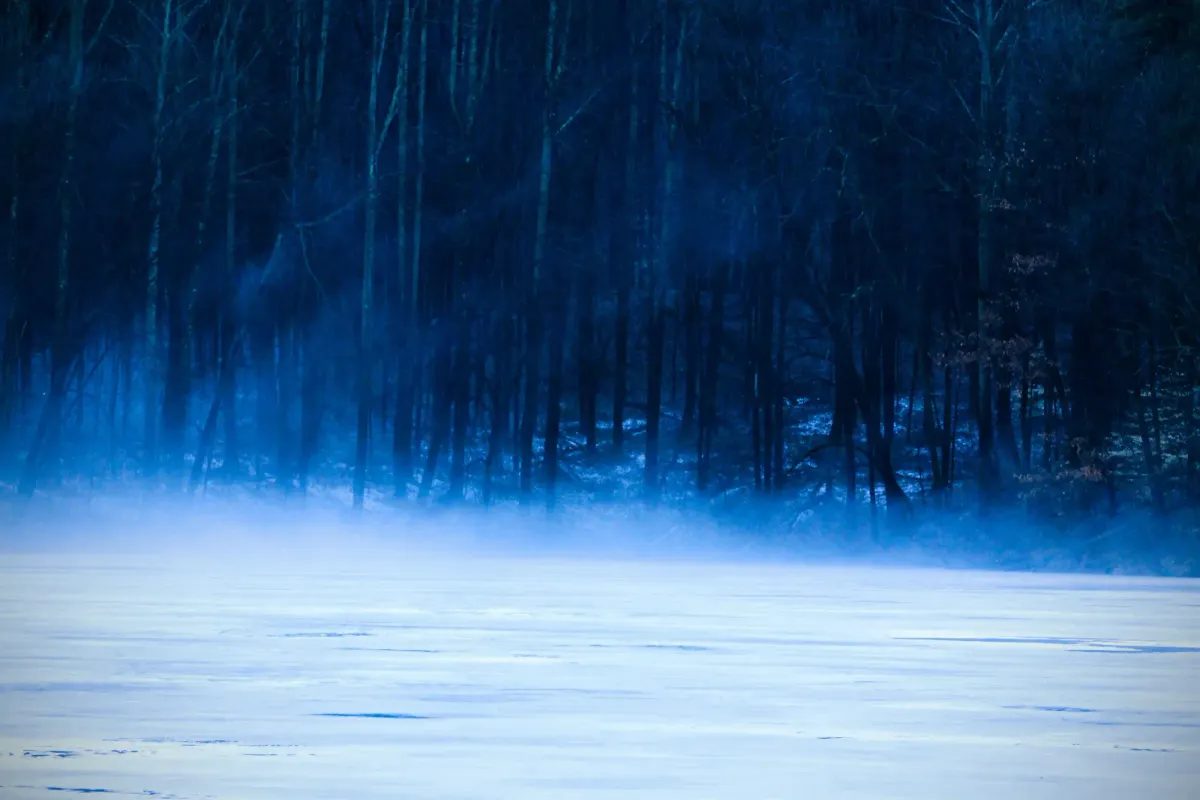
Freezing temperatures plunging to -20°C, a lingering darkness that captures most of the year, and a pale daylight that reveals itself for only a few fleeting hours. This geographic reality, which reads like a harsh dystopia on paper, has been home to the world’s happiest country for eight consecutive years. Finland’s unshakeable monopoly on the World Happiness Report does not stem from a sterile, artificial utopia populated by constantly smiling citizens. The code of the Nordic mindset relies on a much more rational foundation: the act of rejecting the neurosis of constant progress.
The Rejection of the Progress Fetish
The hysteria of "always wanting more," relentlessly pumped by the modern era, actually breeds a massive cycle of dissatisfaction. In a system built on consumption, status, and an endless race for success, Finland's silent stance is a powerful sociological rebellion. This approach is not a surrender or a form of pessimism; it is the practice of finding contentment with what is at hand by minimizing expectations. It is a conscious exit ticket from that inexhaustible progress fetish. The human mind truly begins to breathe only when it is freed from the weight of unreachable horizons.
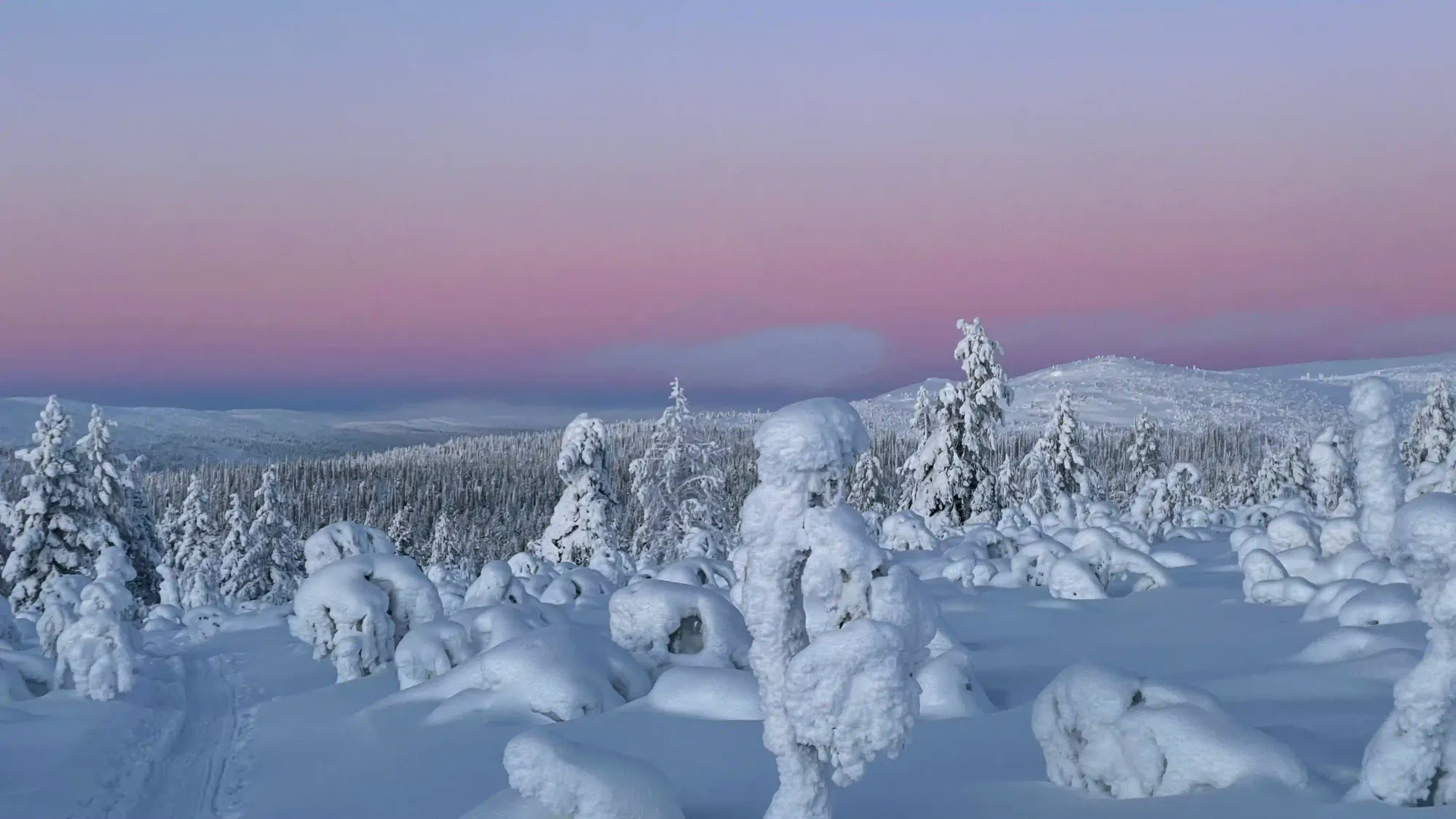
An Existence Without Ownership: Jokamiehenoikeudet
The true backbone of this rational simplicity lies in the non-possessive relationship cultivated with nature. At the heart of Nordic happiness is the law of "Jokamiehenoikeudet" (Everyman’s Right). By ensuring the country’s vast forests, lakes, and coastlines belong to no one, this concept effectively grants universal access to everyone. It strips nature of being a fenced-in deeded property or a privilege waiting to be conquered.
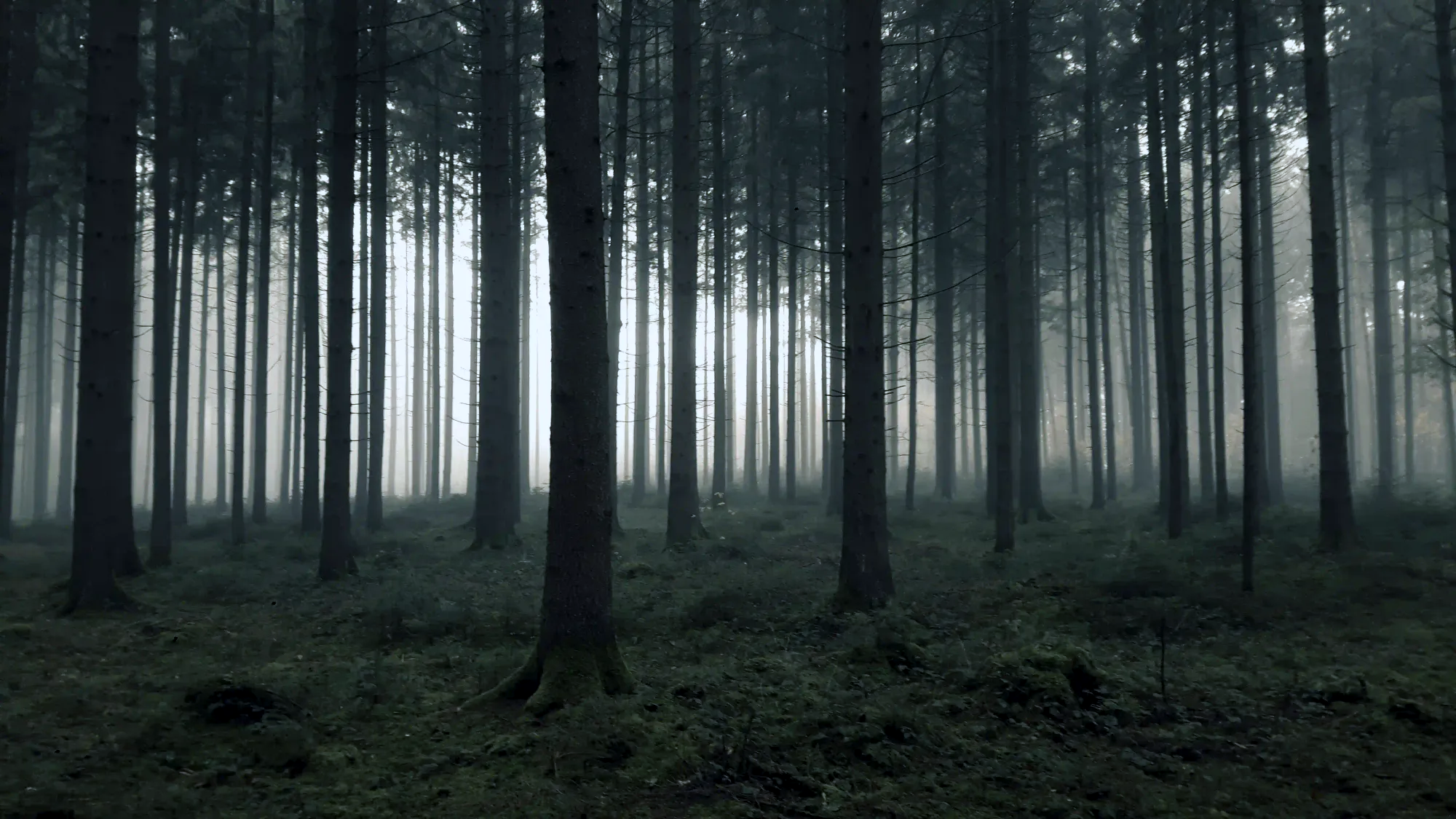
Walking through the depths of a pine forest is not a weekend project to be showcased on social media, nor is it a passive process observed from the outside. It is the ability to exist within a whole without possessing the rights to the land. The forest belongs to no one, and precisely because of this, everyone is a part of the ecosystem. Beneath these colossal pines, one realizes that humanity can lay roots in soil it does not own, and that peace is never an act of "purchasing."
Vallisaari: Where Borders Become Translucent
This non-possessive existence also renders the boundaries between human culture and wild systems surprisingly translucent. Stepping onto the island of Vallisaari off the coast of Helsinki, stumbling upon a world-class biennial installation hidden among centuries-old trees is the routine of an average Tuesday. The human mind does not attempt to tame nature or bulldoze the landscape to create a storefront for its art. Culture finds its place merely as a silent guest within that massive, untamed structure.
Fire, Ice, and Primal Confrontation
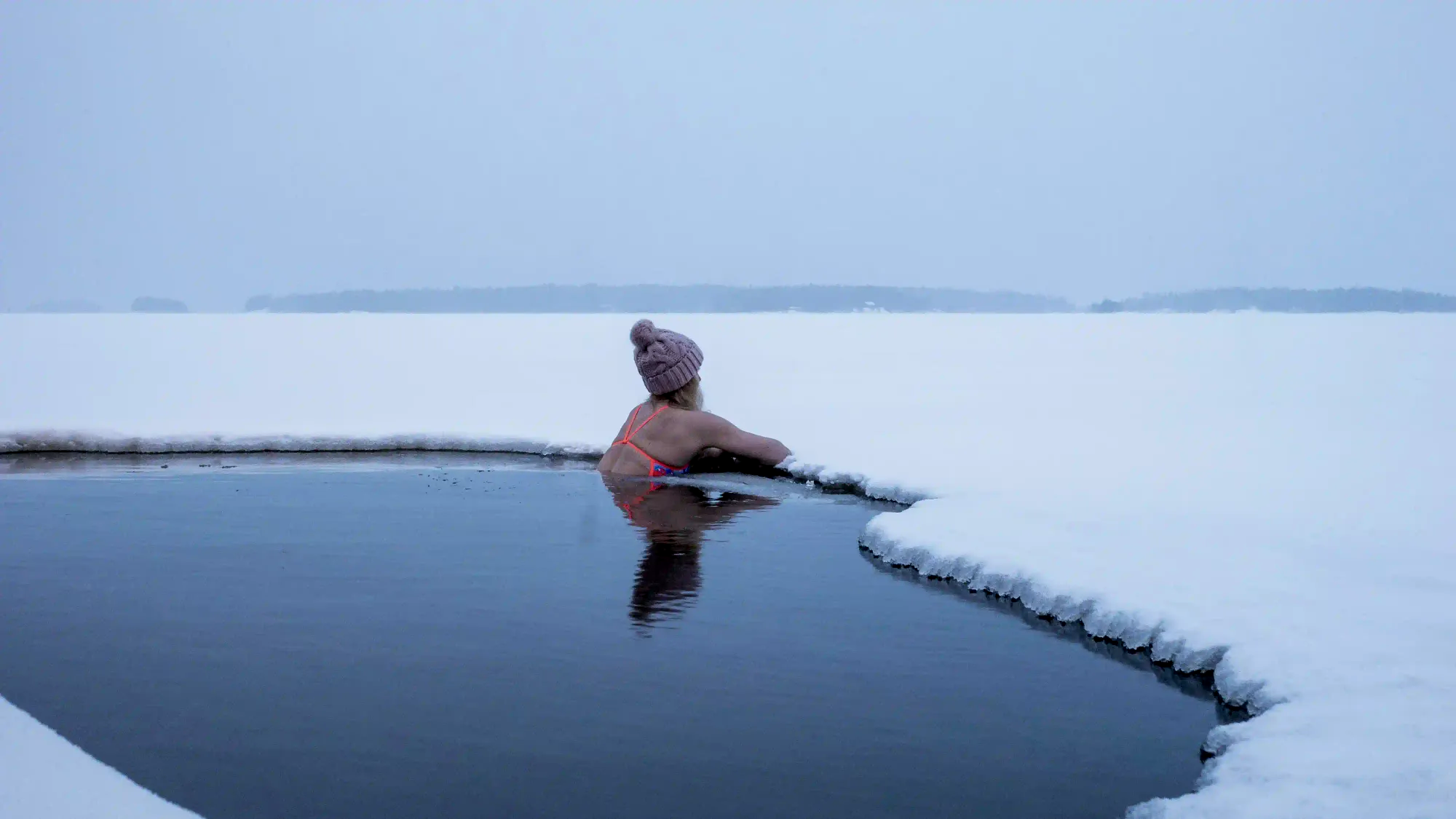
The survival mechanism during the dark and freezing winter months goes far beyond a distant respect for nature; it is shaped by a violent, direct contact with it. Emerging from the searing steam of a traditional sauna (löyly) to plunge straight into a dark hole cut into a frozen lake (avanto)...
This act is an unmasked confrontation with the ruthless reality of the wild. Instead of trying to heat the water or make the conditions more tolerable for the human body, it is the courage to surrender the physical self to the freezing violence of nature. Flooding the body with endorphins in mere seconds, this physiological shock violently reminds one of being alive through a primal tremor. What follows immediately after that shock is an absolute, seamless, and profound stillness.
Sufficiency as the Ultimate Luxury
For a nation that ranks first globally in per capita coffee consumption, happiness is not a new peak to be reached, an experience package pushed to its limits, or an ever-growing bank account. It is the luxury of standing quietly on a wooden pier, warm cup in hand, facing a freezing lake that belongs to no one.
In an era where dissatisfaction is considered the greatest virtue, could the ability to derive profound pleasure from a landscape, a success, or a moment without "owning" it be a skill modern humanity has long lost?