Biological Homelessness: What Bees Dozing in Flowers Reveal About Our Cities
We view exhausted bees dozing inside flowers as an endearing aesthetic. But this exposes a violent ecological truth. Almost 90% of bee species don't live in hives. They are solitary workers navigating our concrete deserts, desperately seeking a floral capsule hotel to survive the night.
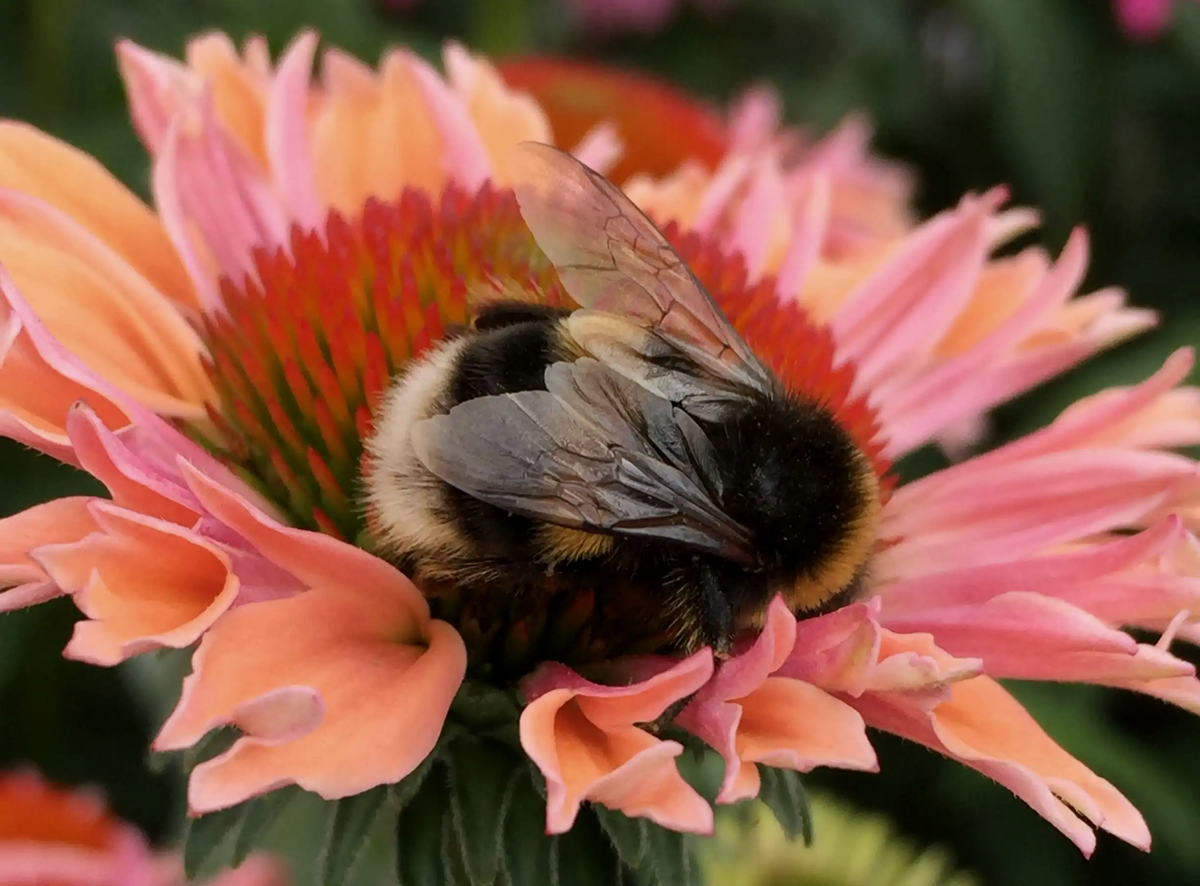
As humanity, we are overly prone to viewing nature as a reflection of our own economic and industrial systems. One of the greatest victims of this perceptual fallacy is the bee. We code them as tireless biological machines—devoid of individuality, working ceaselessly within a massive hive. Yet, certain frames captured by the macro lenses of wildlife photographers expose a completely different reality that shatters this myth of the flawless machine: exhausted bumblebees, literally passed out amidst the petals of a flower, covered in golden pollen.
These moments of "power naps," which appear highly aesthetic and perhaps even endearing to us, are actually a vital breaking point demonstrating just how violently the flawless mathematics of the ecosystem collide with our modern urbanization practices. Behind these creatures falling asleep inside flowers lies a biological truth far more striking than mere exhaustion—one that demands we confront our urban planning vision: a permanent homelessness.
The Hive Myth and Solitary Homelessness
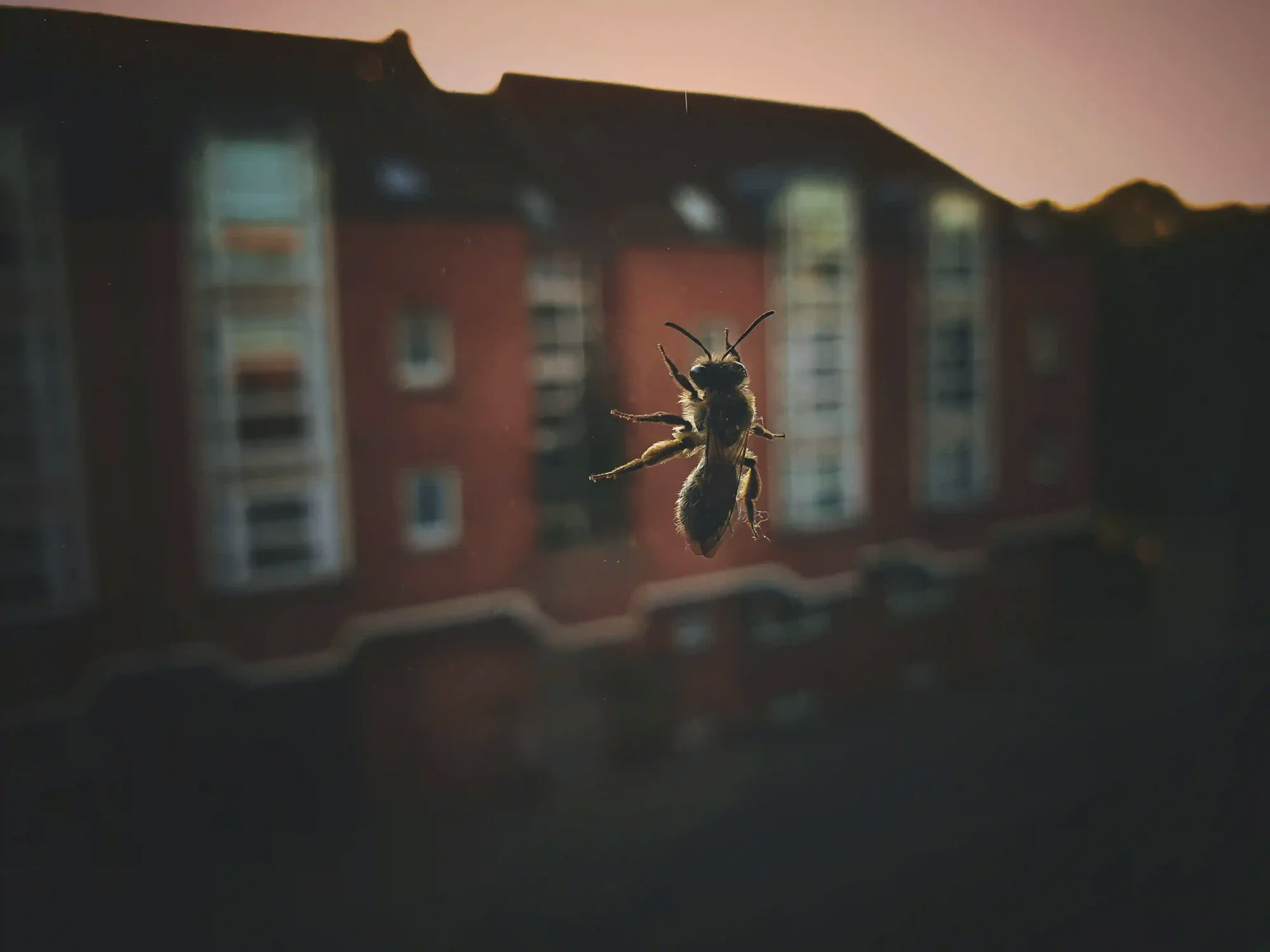
When we think of bees, popular culture brings to mind honey bees (Apis mellifera) with their massive, organized hives. However, nearly ninety percent of the bee species worldwide do not live in hives. They are solitary bees. At this juncture, a biological tragedy transforms into a massive mechanism of ecological balance. Female solitary bees dig small nests underground or in tree cavities for their offspring, store the pollen they collect throughout the day, and return to this sanctuary to spend the night. But for solitary male bees, the concept of a "nest" simply does not exist in their evolutionary design.
From the moment a male solitary bee emerges from its cocoon, it spends its entire life without a permanent shelter. During the day, they consume a tremendous amount of energy searching for pollen and navigating their flight paths. Considering that insects regulate their body temperatures according to their environment (ectothermic), flying becomes physiologically impossible for these bees when the sun sets and the air begins to cool. Lacking a nest to spend the night and protect themselves from the cold, they seek out a flower that is about to close in order to survive. Thus, what drops them into the heart of a flower is not merely the exhaustion of a grueling shift, but also the absolute fact that they have nowhere else to go.
Biological Capsule Hotels and "Nyctinasty"
It is exactly at this point that nature's engineering orchestrates a magnificent partnership for survival. Many plant species, such as crocuses, squash blossoms, or mallows, tend to close their petals as the sun goes down or the temperature drops. This nocturnal closing movement, referred to in botany as "nyctinasty," is essentially the flower's strategy to protect its own reproductive organs from cold and moisture.
However, for the homeless male bees seeking refuge inside these flowers for the night, this closing motion is lifesaving. When the flower closes, the air inside creates a microclimate that is a few degrees warmer than the outside. This tight space, insulated from the wind and hidden from predators, serves not as an aesthetic pitstop, but as a highly functional "capsule hotel" for the bees. When the flower reopens with the first light of dawn, the bee has recovered its body temperature and is ready to take flight once again.
Evolution transforms even the housing crisis of its most vulnerable creature into fuel that runs the system's main engine. A worker falling asleep does not mean the system stops; on the contrary, in nature, even the moment of rest is an active engineering process.
Even while the bee lies passed out inside the flower throughout the night, completely passive physically, the ecosystem continues to operate. Thousands of pollen grains clinging to the bee's furry body rub against the flower's reproductive organs within that confined space. As the bee stirs in its sleep, the plant's chances of pollination increase exponentially. No human-made machine can continue to benefit its surroundings while its main engine is turned off and resting. Yet, the biological web operates so integrally that it converts even weakness and exhaustion into a flawless utility.
Habitat Fragmentation and the Collapse of the Biological Navigation Network
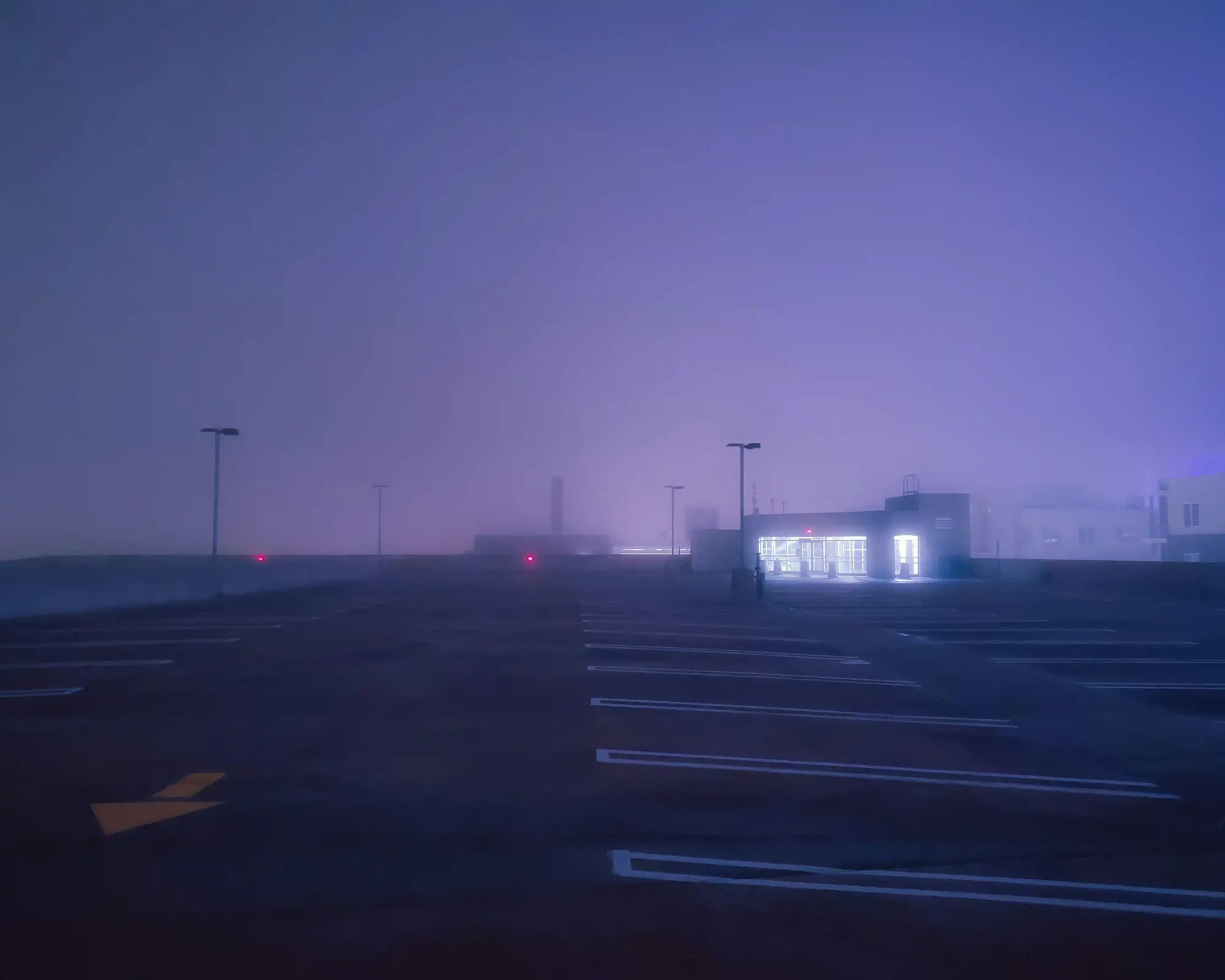
Today, this millennia-old, flawless, and silent choreography shatters against the endlessly sprawling concrete blocks of modern metropolises. It is exactly here that urban ecology and city planning make a grave mistake. When designing cities, we calculate only the mobility of humans; meanwhile, we erase the invisible routes of the ecosystem off the map.
Honey bees can fly miles away from their hives to find a food source. However, the flight range of solitary bees is highly restricted; many can only travel a few hundred meters from their nests or birthplaces. This short range means that to survive, solitary bees require continuous, closely spaced "stepping stone" habitats. Nature operates as a massive, organic navigation network, linking flowers at specific intervals so bees can rest, feed, and spend the night.
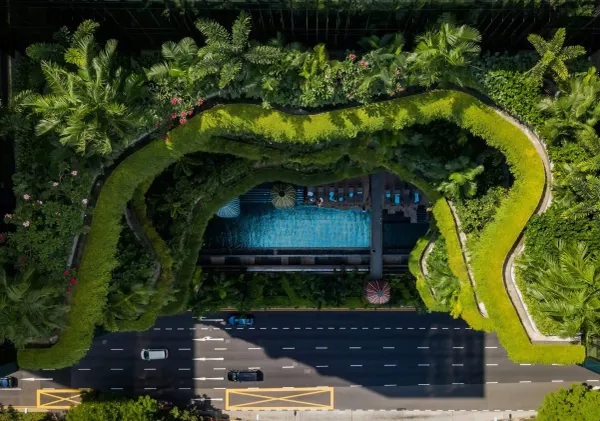
Yet in modern urbanism, a four-lane asphalt road, a gigantic parking lot, or a "sterilized" landscape area planted entirely with turfgrass (but lacking a single wild flower) turns into an impassable desert for these bees. This process, known as habitat fragmentation, drives bees—whose shelters have been erased from their routes—into extinction within a literally disconnected geography. A solitary bee that reaches the end of its flight range and cannot find a "capsule hotel" to seek refuge in as the sun sets will die of cold that night.
Pocket Forests: Not an Aesthetic Detail, but a Charging Station
This is exactly where the visionary nature of concepts like "pocket forests" or "Miyawaki forests," which have gained popularity in modern urbanism in recent years, comes to light. City planners and municipalities often tend to market these small green spaces squeezed into roadsides or between buildings as an aesthetic landscape addition or a carbon sink. Yet, from an ecological perspective, these small areas harboring native wildflowers are not an aesthetic luxury; they are vital nodes that allow a severed biological network to reconnect.
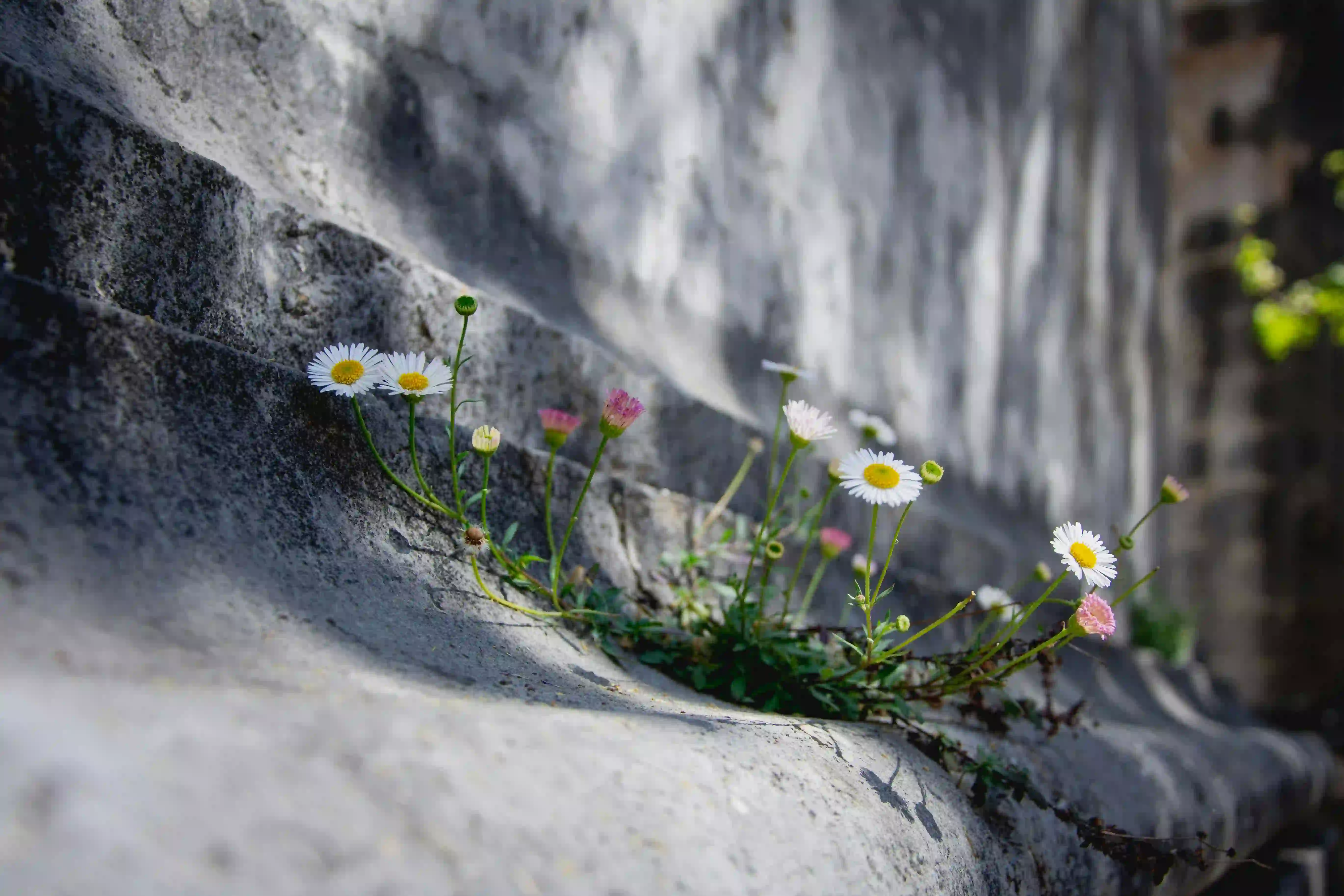
These pocket forests serve as charging stations for solitary bees trapped in the middle of a concrete sea. They provide the capsule hotel where a bee can curl up and sleep when night falls, and find the nectar it needs while crossing the asphalt as if crossing an ocean. Unless we weave our cities with these biological corridors, the homelessness of bees at the micro level will continue to trigger a massive ecosystem collapse at the macro level.
Ultimately, we are left with a burning question: Humanity possesses resource management selfish enough to build a coffee shop, a rest area, and a park on every street and corner of its cities, just to cope with its own mental fatigue and corporate burnout. While designing massive resting facilities for our own comfort, we view even a handful of wildflowers—where the exhausted workers shouldering the planet's primary food chain, agriculture, and biodiversity might pass out—as a "waste of space" in urban planning.
Condemning those who sustain our life-support system to a vast, permanent homelessness within the colossal concrete architectures we built with our own hands... Is this picture truly proof of a superior intelligence capable of designing the world, or is it a bitter confession of how devoid we are of a rational vision regarding how the system actually works?
— Related Reading: Maximum Yield Fallacy: The Lethal Cost of Taking It All