Defying the Doomsday Algorithm: 7 Silent Ecological Revolutions Saving the Planet
Looking for good news from the planet? The narrative of irreversible climate doom is loud, but this July, real climate action is taking root. From AI water regulations in Texas to wild coastal protections, local ecosystems are forming a global resistance.
In the modern digital age, the apocalyptic news feed we encounter while scrolling is no coincidence. Algorithms exploit our evolutionary vulnerability to danger, knowing full well that pessimism and doomsday scenarios garner the most attention and clicks. This constant exposure has triggered a global paralysis known in contemporary psychology as "climate anxiety." When humanity believes the Earth is damaged beyond repair, we lose our reflex to fight and slip into safe inaction.
Yet, lost in the noise of mainstream media and the endless spiral of doomscrolling lies a vastly different reality: massive ecological victories spearheaded by governments, local municipalities, and civil society are unfolding every day.
Is giving up truly easier than fighting back? The answer is being written by communities across the globe who are challenging the cogs of the system and forging a new contract with nature. Here are seven milestones happening silently around the world—proof of humanity’s ongoing effort to make peace with the Earth.
1. France’s Legal Barricade Against the "Ultra-Fast Fashion" Industry
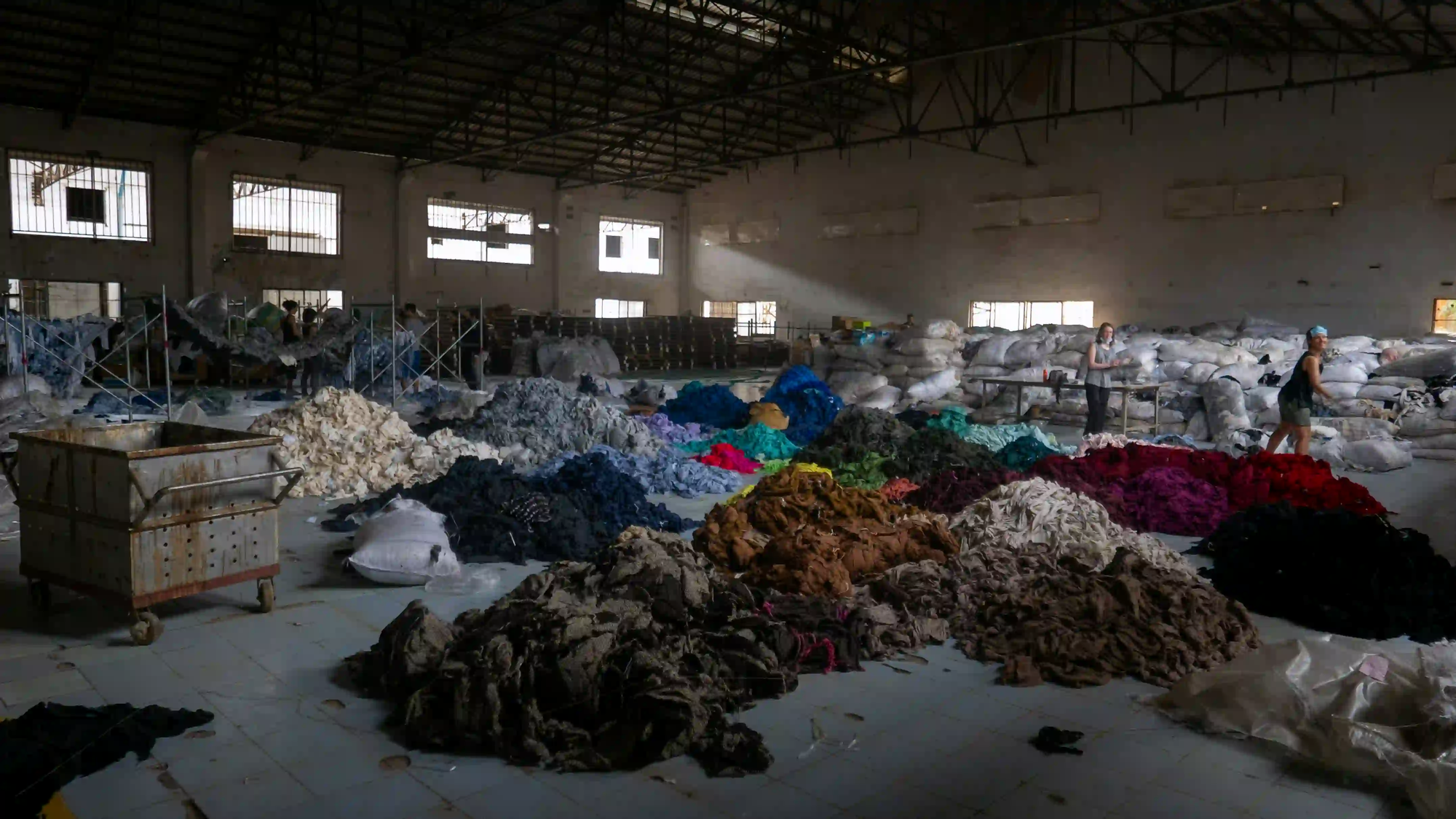
The ultra-fast fashion industry, the absolute pinnacle of consumer frenzy, stands today as one of the planet's largest and most unchecked polluters. Mountains of synthetic textile waste piling up in the Atacama Desert and pervasive microplastic pollution represent the unseen toll of our disposable clothing culture. Recently, France took a historic step, becoming the first country to erect a legal barricade against this destructive cycle.
Under this revolutionary new law, brands with colossal production and logistical volumes, such as Shein and Temu, are placed under strict scrutiny. Moving forward, these brands will be forced to pay for the true cost of their cheap synthetic garments—not just at the checkout counter, but through a strict "eco-score" system. This environmental surcharge is calculated based on the sheer volume of products they flood into the market and the ratio of a garment's repair cost to its initial sales price. This move sets a global precedent in the ongoing debate that the "environmental cost" must be directly reflected in corporate profit margins.
2. Texas Issues a Climate Veto on AI Data Centers
While the artificial intelligence revolution is marketed as humanity's next great technological leap, a colossal water and energy crisis hides behind the polished presentations of Silicon Valley. Generative AI queries demand an immense amount of processing power compared to traditional search engines, consequently requiring billions of gallons of fresh water to cool the servers.
When this technological gold rush began to directly threaten the water security of local communities and ecosystems, the city of San Marcos, Texas, made an unprecedented decision. Drawing a historic line in the sand against tech giants to protect its natural resources and groundwater reserves, the city completely banned the construction of new data centers within its borders.
When will our desire for limitless technological growth finally collide with the planet's finite physical resources? While San Marcos's climate veto currently faces looming legal pushback—with state lawmakers already signaling intentions to sue and overturn the ban—it stands as the first concrete, legal boundary drawn against a crisis every metropolis will soon have to face.
3. Costa Rica’s "Impossible" Forest Restoration
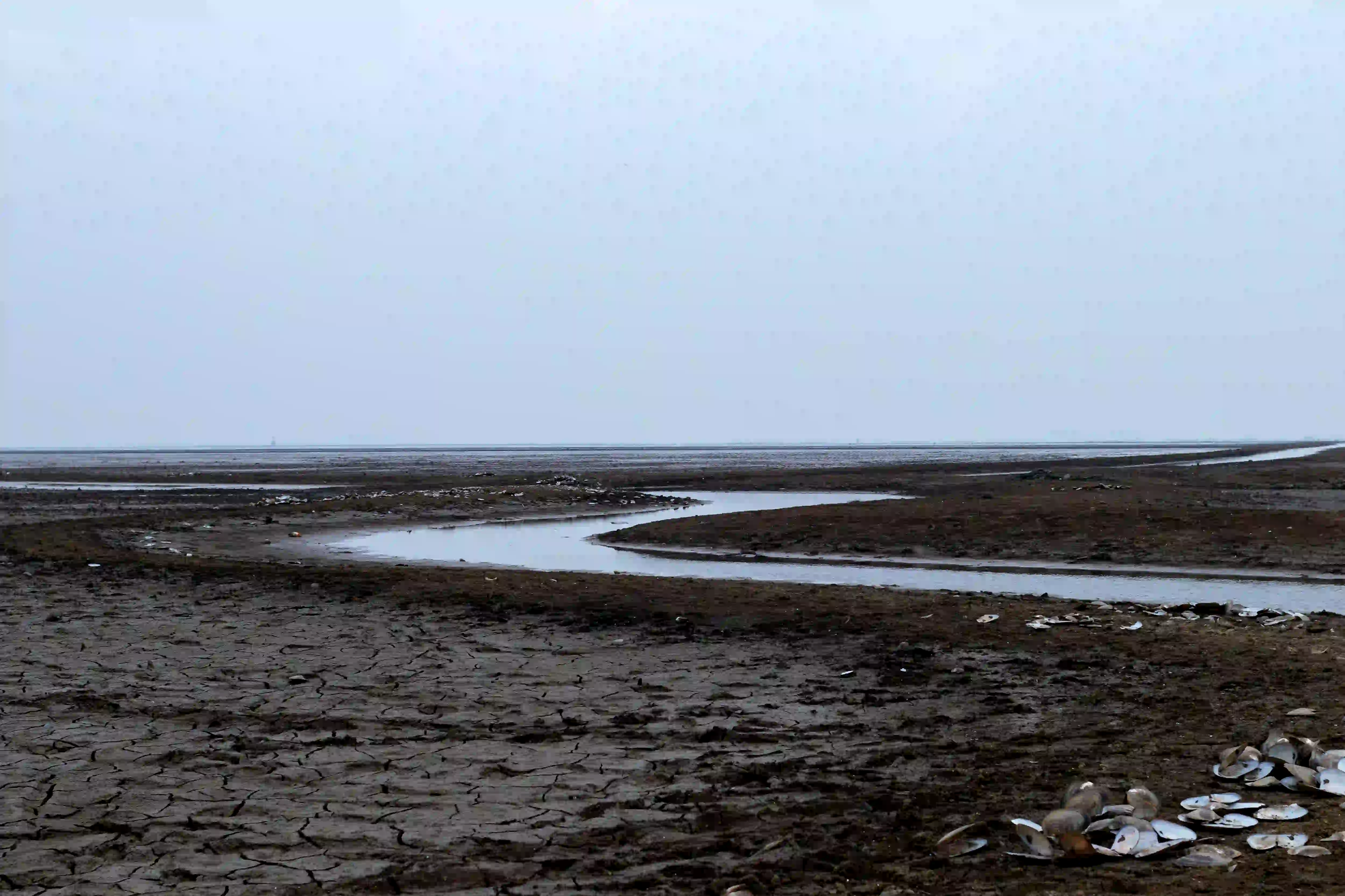
In the 1980s, Costa Rica ruthlessly cleared its forests for agriculture and cattle ranching, becoming one of the fastest-deforesting countries on Earth. Today, its story shatters the pervasive and paralyzing myth that ecological destruction is irreversible.
Through decades of radical nature conservation policies, a strict halt on unchecked agricultural expansion, and pioneering economic models like the "Payment for Environmental Services" (PES) program, Costa Rica has successfully reclaimed its lost forest cover. By providing financial incentives for landowners to protect their forests, the nation has transformed into an ecological powerhouse leading the world in nature restoration projects. This triumph serves as undeniable proof that biodiversity loss can be halted with resolute state policy.
4. A Historic Solar Power Record in Europe's Electricity Grid
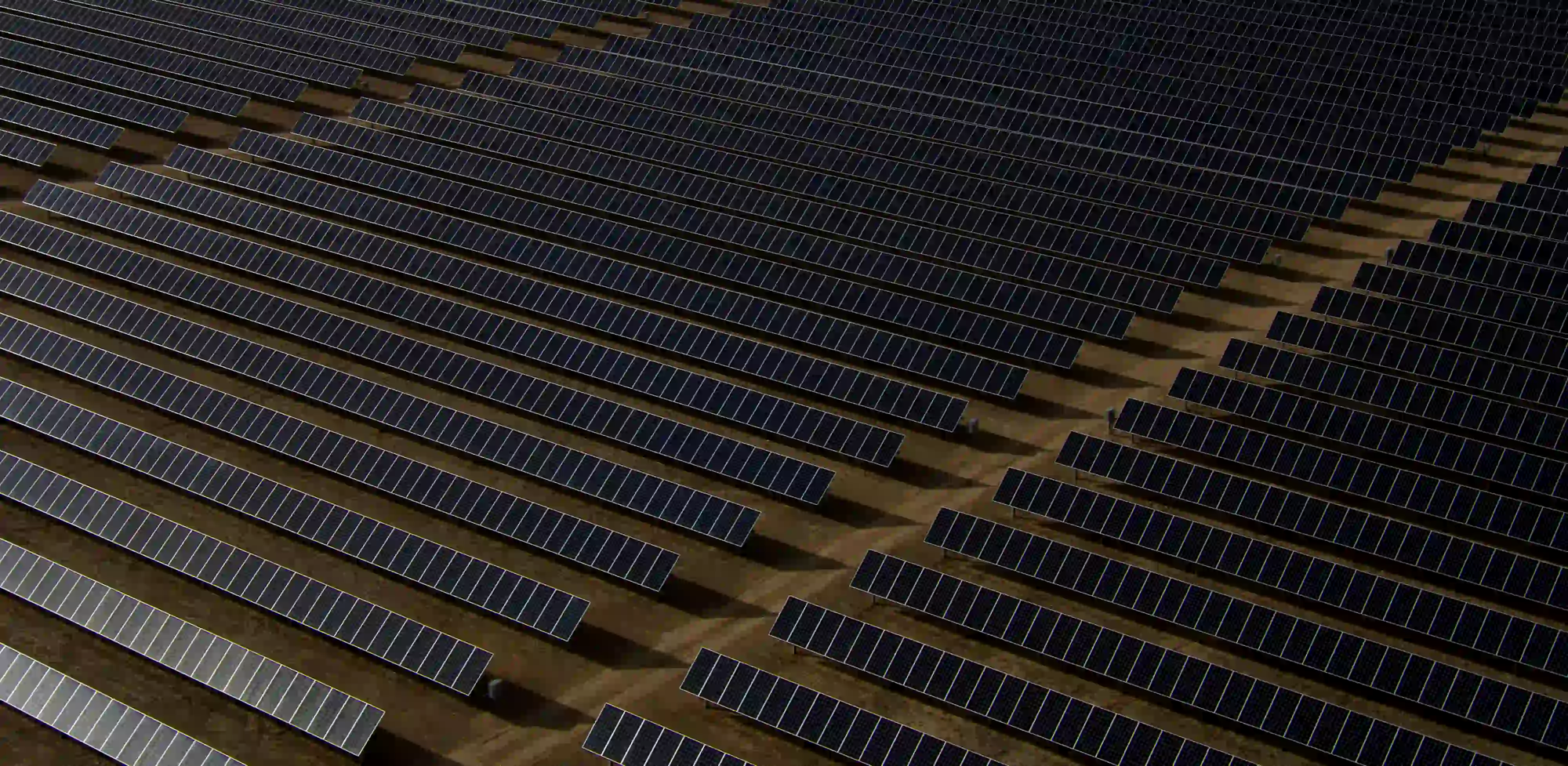
As global geopolitical crises and the harsh realities of a warming world force Europe to sever its dependence on fossil fuels, this necessity has triggered a massive renewable energy transition. A historic threshold was crossed this past June, proving that solar panels are no longer merely an alternative energy source, but the very backbone of the main grid.
A staggering 25 percent of the European Union’s total electricity demand was met exclusively by solar power in a single month. Several European nations, including Germany, Spain, and Poland, shattered their own domestic records in clean energy production, preparing their grids for a new post-carbon era. This unparalleled statistic indicates that the century-old hegemony of coal and natural gas in the energy market is now cracking—structurally and at an irreversible pace.
5. Global Environmental Resistance on the Albanian Coast
One of the most current and inspiring battles against the commodification of nature as a luxury asset is taking place in southern Europe, on the pristine shores of Albania. Public resistance initiated by local communities against a massive luxury resort project—spearheaded by Ivanka Trump and Jared Kushner’s investment firm, Affinity Partners—planned for the legally protected coastlines and fragile ecosystems of the Ionian Sea has rapidly gained global momentum.
Elevated to the international stage with public support from world-renowned artist Dua Lipa, this movement symbolizes the immense power civil society can wield against the plunder of nature disguised as "economic development." The core philosophical struggle emerging from this case is clear: Will millennia-old local ecosystems and natural heritage be sacrificed to the short-term profit motives of global capital?

6. New York’s Plan to Break the Concrete Jungle: A 30% Tree Canopy
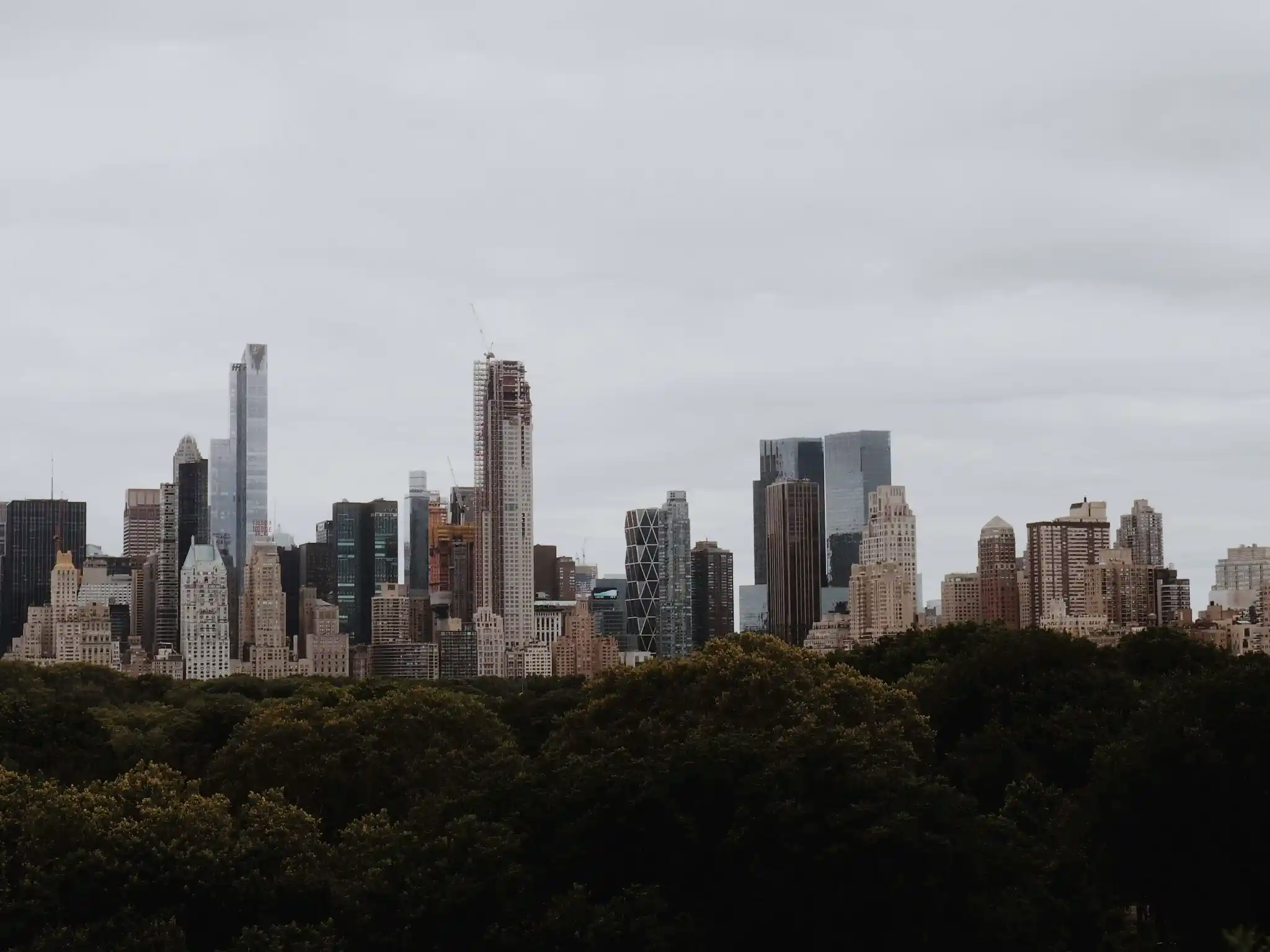
One of the most insidious threats posed by global warming, particularly in major metropolises, is the "urban heat island effect." Dense concrete and asphalt trap solar radiation, quite literally turning cities into open-air ovens. New York City, the global capital of skyscrapers and dense urban development, has launched a radical urban adaptation plan to combat these deadly heatwaves.
To break the dominance of concrete, the city administration aims to increase its tree canopy to 30 percent by 2040. The vision of creating a massive "urban forest master plan" is far more than an aesthetic landscaping project. It is a vital infrastructural initiative designed to break the heat trapped by asphalt, regulate groundwater, establish a natural cooling infrastructure, and prevent thousands of heat-related fatalities each summer.
7. California’s 'Farm to School' Revolution Uniting Education and Soil
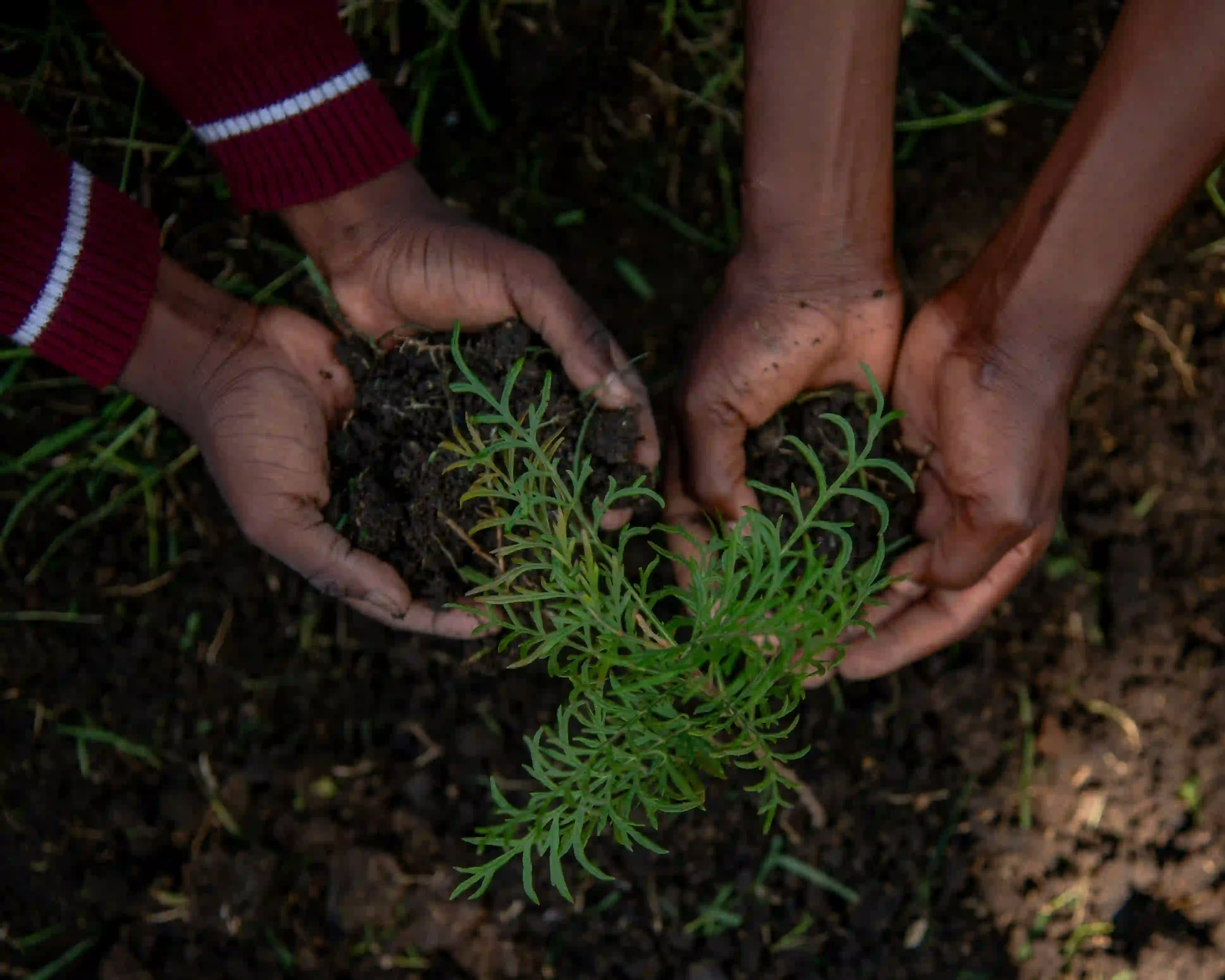
While the detrimental impact of global industrial food production—with its heavy chemical use and massive carbon footprint—on both human health and the soil is undeniable, the state of California has taken a powerful socioeconomic step to break this chain at its foundation.
The "Farm to School" program, which aims to liberate the public school nutrition system from agricultural and packaged food monopolies, has evolved from a temporary pilot into a permanent initiative backed by a massive state fund. Thanks to this new system, schools will bypass corporate middlemen, purchasing the food they use to prepare student meals directly from local, small-scale, organic farmers. This multi-layered policy financially sustains local producers resisting industrial agriculture, while simultaneously instilling a culture of sustainable eating in the next generation right at the lunch table.
The Planet's New Narrative
The algorithmic hunger to sell disaster may keep these structural, revolutionary changes off our screens. Yet, the seven realities outlined above present a very clear picture: The climate crisis and ecological destruction are not merely tales of despair; they also represent humanity’s greatest awakening, a period of technological reckoning, and profound adaptation.
What we need is not a detached, Pollyannaish optimism, but to free ourselves from the paralyzing effects of pessimism by acknowledging the concrete victories won on the ground. Because the world is changing, and this change is rooted in a foundation far greener and far more resilient than what we see on our feeds.
The question we must now ask ourselves is this: Will we surrender to the safe inaction of the masses who believe the world is ending, or will we become part of this silent ecological revolution that is slipping through the cracks of the system to regreen the forest?
— Related Reading: 7 Documentaries That Will Change Your Relationship With the Planet