The Neurological Premium of the Ocean View: Status Symbol or Biological Necessity?
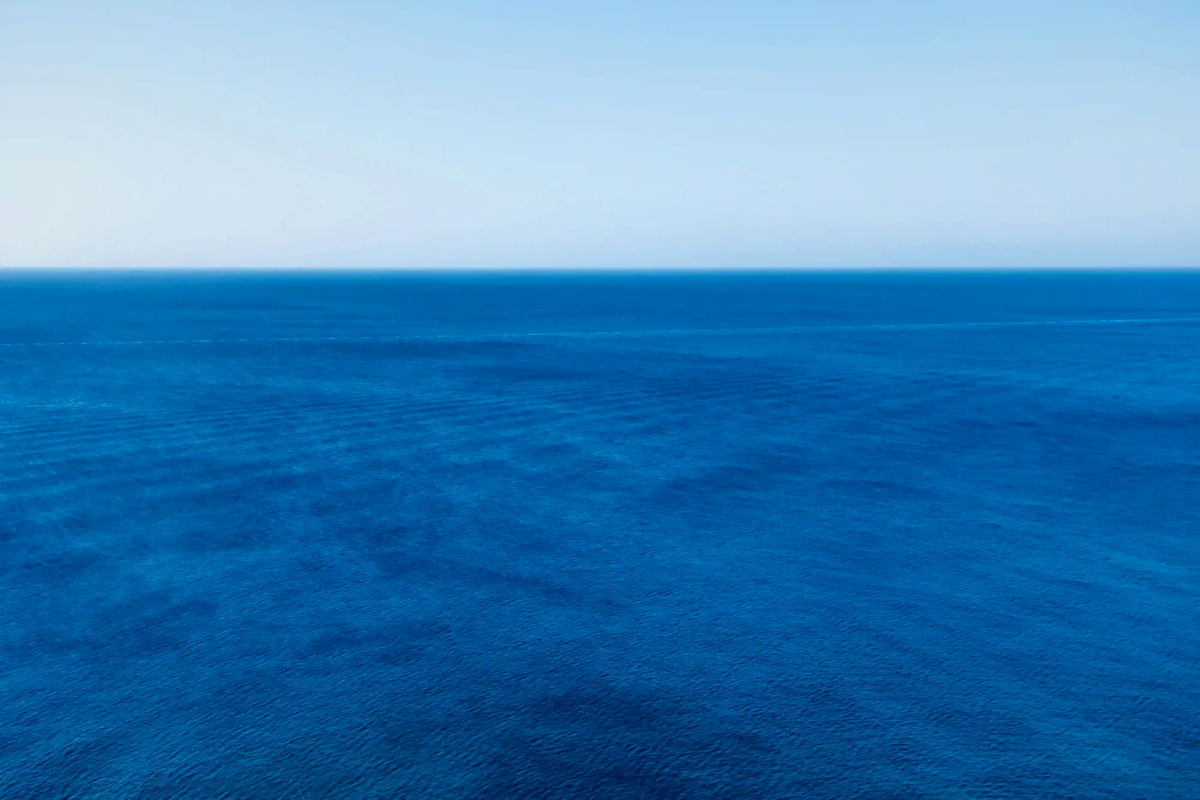
Consider the moment you check that small "ocean view" box while booking a hotel. We often rationalize this price difference as an aesthetic preference, a symbol of social status, or a simple luxury. However, neuroscience suggests a much older and deeper mechanism is at play. The premium you pay is not for a beautiful photograph; it is a medical invoice issued to restore your brain to its factory settings.
The Exhaustion of the Red Mind
Under the cognitive load of modern city life, our brains operate in a perpetual state of "Red Mind." Constant notifications, the roar of traffic, and digital noise fracture our attention into microscopic pieces, keeping our cortisol levels chronically high. Evolutionarily, this means being locked in a permanent state of "fight or flight." The city constantly demands a draining "hard focus" from your brain; it siphons your energy to sense danger, process data, and simply survive.

Soft Fascination and Factory Settings
Marine biologist Dr. Wallace J. Nichols defines the only natural antidote to this chronic overstimulation as the "Blue Mind." This is a meditative and neurochemical state of calm triggered when we encounter bodies of water. The moment you look at the horizon and the rhythm of the waves, your brain waves shift; the cacophony of the city is instantly replaced by a release of dopamine and serotonin.
Psychologists call this specific type of attention "Soft Fascination." Unlike the city, the ocean demands no effort from you. You do not have to force yourself to watch the waves; you simply observe them. This effortless attention offers the modern mind a rare, genuine opportunity to truly rest.
A Biological Homecoming
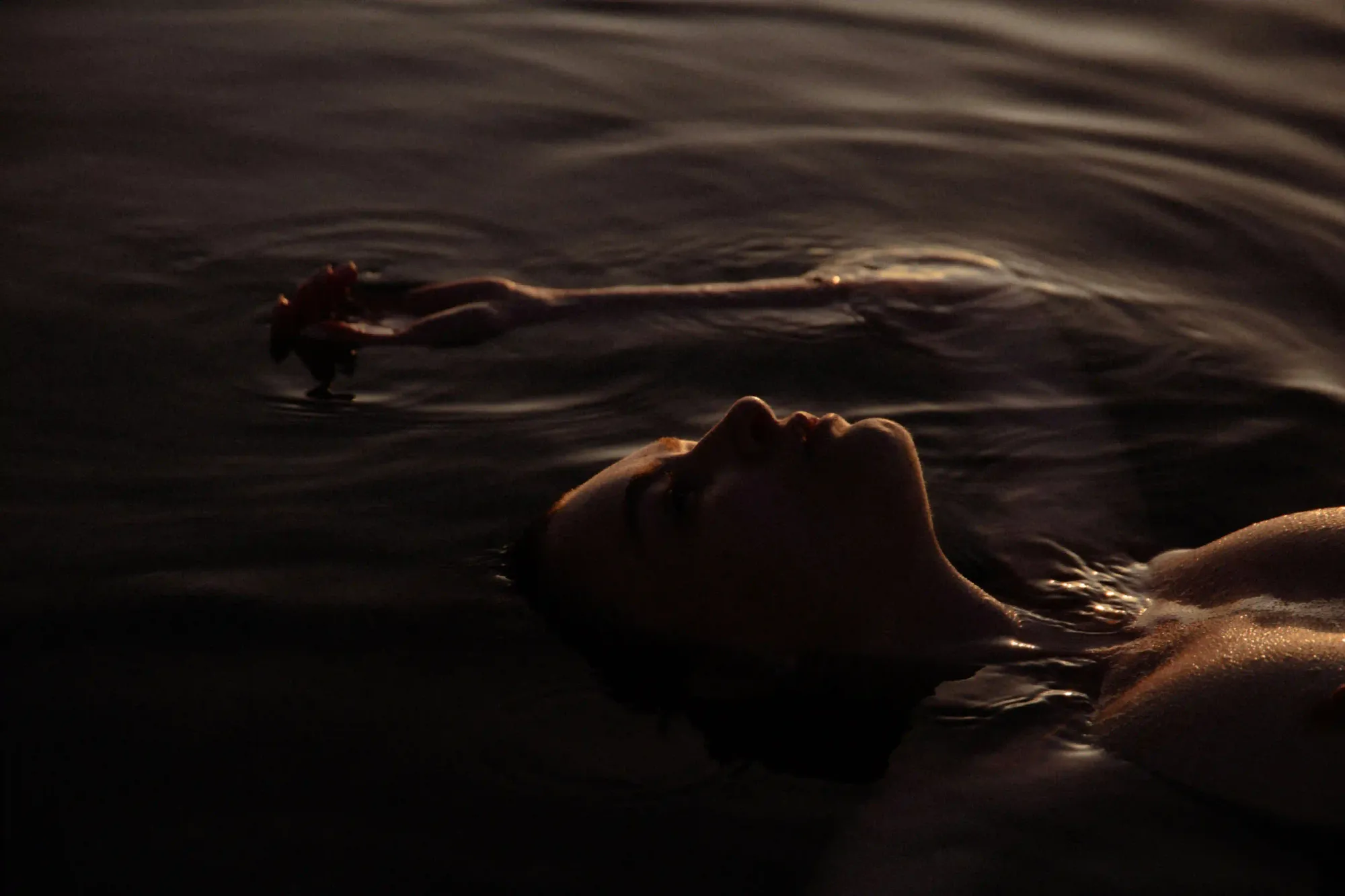
The reason we are so drawn to the ocean is not merely aesthetic; it is fundamentally structural. Our bodies are composed of 60% water, and our brains 75%. The steady, rhythmic sound of waves crashing on the shore is an acoustic simulation of a heartbeat in the womb. Staring at the horizon is not the simple act of looking at a view; it is a biological homecoming, a primal sense of belonging.
Redefining Luxury
All this biological data fundamentally shakes the concept of "Luxury Travel" as we understand it today. True luxury is no longer about gold-plated faucets, infinity pools, or high-thread-count sheets. True luxury is the ability to purchase the silence your mind has lost. It is the privilege of disconnecting from the noise and reconnecting with your own biological rhythm.
The next time you hesitate at the extra cost demanded for the "ocean view," remember that you are not just booking a room. You are investing in the most effective, oldest, and most natural non-prescription therapy available on Earth: the blue horizon.