The Reign of Asphalt: How to Reclaim Our Streets from Machines
Stepping onto modern sidewalks, we accept narrow concrete strips while machines claim 60% of our public space. Behind this spatial injustice lies a history of criminalized pedestrians, toxic tire wear particles, and a radical resistance proving cities can finally exist without car dominance.
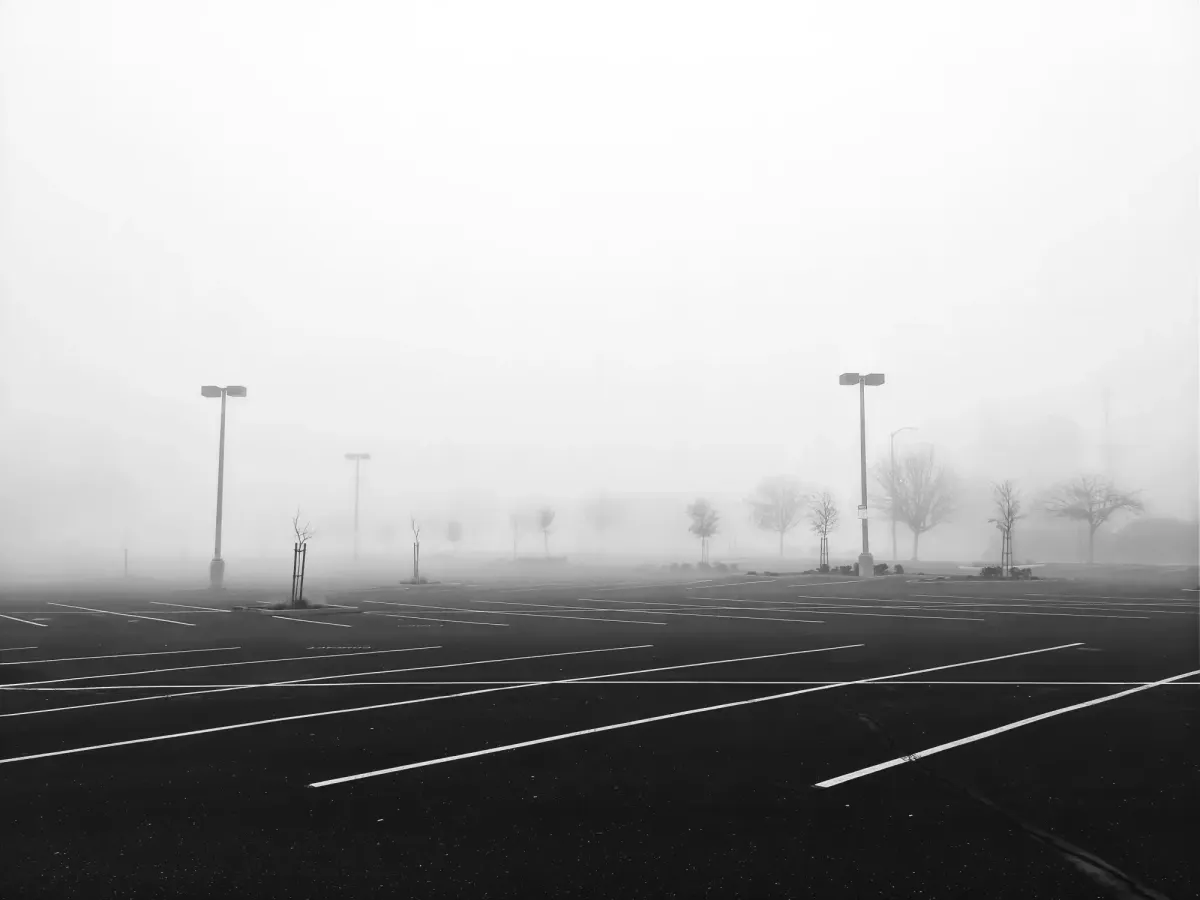
If an extraterrestrial intelligence were to observe our planet from space today, it would likely conclude that Earth's dominant life form is a four-wheeled, fossil-fuel-consuming creature with a hard metallic shell. Humans, on the other hand, would be classified as a symbiotic subspecies tasked with maintaining these metallic masters, fueling them, and paving colossal asphalt networks to ensure their smooth movement. This alien observer would not be entirely wrong in its assessment. Stepping onto the street in a modern metropolis, you quickly realize that the space allocated to you consists of a narrow concrete strip squeezed against the base of buildings. The remaining massive void is dedicated entirely to machines, whether they are moving at high speeds or waiting passively.
The transformation of streets from public gathering spaces into mere transit corridors is not a natural evolution. With the mass production of automobiles in North America and Europe during the 1920s, pedestrian rights were systematically criminalized. The automotive industry invented the concept of jaywalking to clear the roads of pedestrians, effectively surrendering the streets to machine sovereignty. Yet, the aggressive advertising campaigns of that era marketed car ownership as the ultimate symbol of freedom and success. Consumer credit and massive marketing budgets proved so successful that, for an entire century, we began building cities for cars rather than for people.
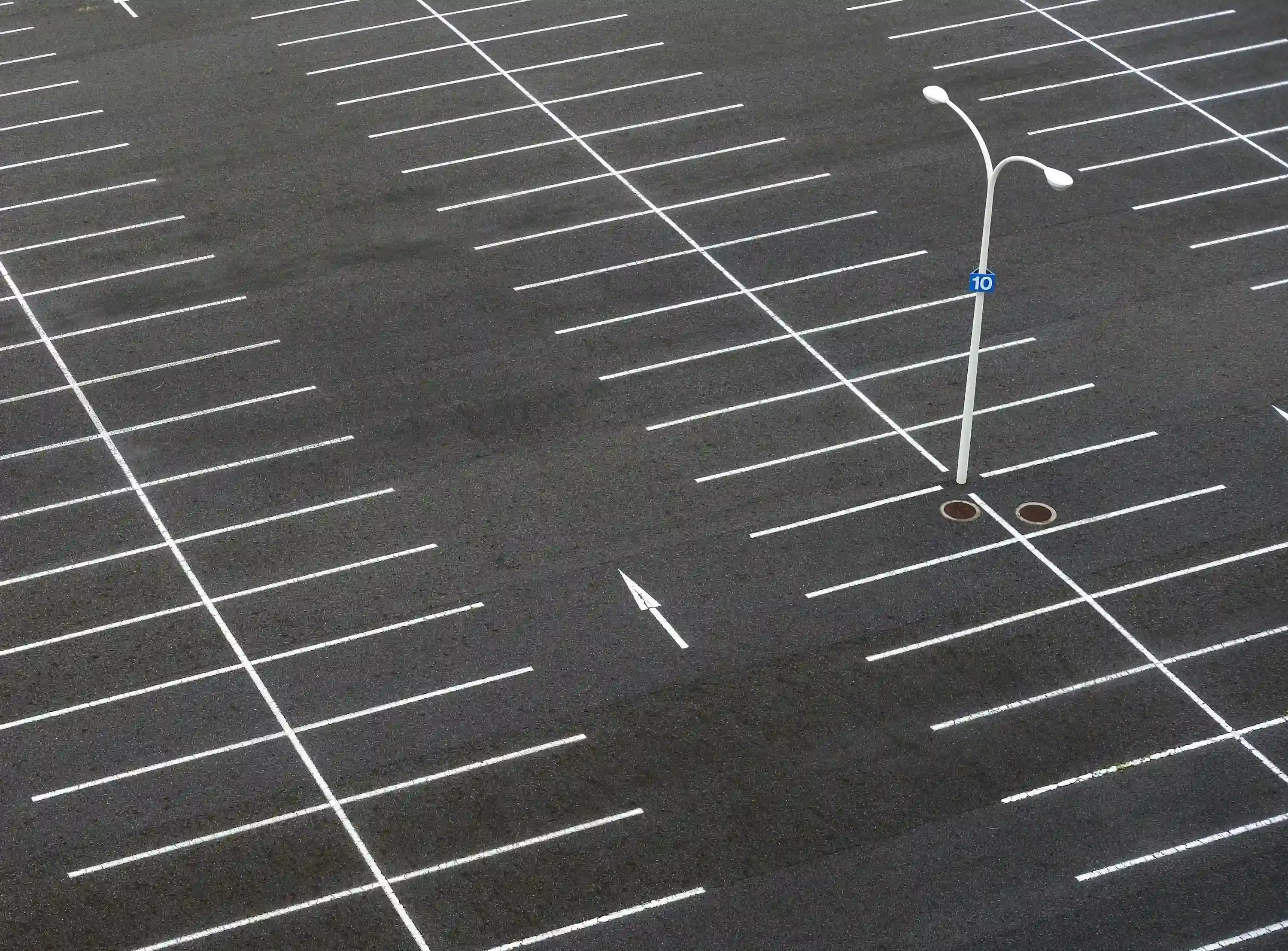
World Car-Free Day, marked on our calendars every year on September 22, is not a cute environmental awareness event. It is a radical day of remembrance that forces us to confront how our urban spaces have been usurped. Looking at urban land use today, the arrogance of space is glaringly obvious. Although private vehicles account for a tiny fraction of daily mobility in most cities, they occupy nearly 60 percent of the surface area. We sacrifice multimillion-dollar real estate projects and vast tracts of public land to metal boxes that spend almost their entire lifespan parked, doing absolutely nothing. In urban planning terminology, this disproportionate distribution of power is not a simple transportation error; it is directly defined as spatial injustice.
The Invisible Devastation
The most institutionalized form of this inequality is parking policy. In his book "The High Cost of Free Parking," urban planning professor Donald Shoup defines free parking spaces as a classic tragedy of the commons. As drivers engage in a relentless competition for these limited public areas, the mere act of circling the streets looking for a parking spot causes a massive waste of time and resources. Shoup sharply criticizes the standard methods used by transportation engineers to determine parking requirements. He argues that these rules, which rely on limited data and completely ignore public transit, are nothing more than pseudoscience masquerading as objective research.
The cost of surrendering our streets to machines cannot be measured solely by lost square footage or wasted time. Wheels spinning on asphalt create a silent biological devastation that collapses a city's water and air systems from within. A large portion of society falls into the illusion that electric vehicles will save cities, mistakenly believing that automobile pollution consists entirely of exhaust fumes. However, an analysis of urban runoff mixing with rainwater from city surfaces reveals a much darker reality. Scientific studies have proven that more than 60 percent of the total microplastic mass in these waters originates from tire wear particles. Samples taken from road surfaces exhibit the highest pollution rates, while microplastics under 75 micrometers make up over half of the particle count in urban runoff. As these toxic particles seep through the asphalt into our water systems, the ecological balance of our cities suffers irreversible damage.
The burden of this massive urban machine on the human body is not exclusively chemical. The relentless road traffic noise radiating from the highways and avenues of modern cities consumes people at a cellular level. When exposed to continuous noise, the body perceives a biological threat, activating the hypothalamic-pituitary-adrenal axis and the sympathetic nervous system to release stress hormones like cortisol and catecholamines. This state of chronic stress, triggered by traffic noise, leads to systemic inflammation and oxidative stress, paving the way for cardiovascular diseases, circadian rhythm disruptions, and neuroinflammation.
The Urban Resistance
Faced with this unsustainable biological and spatial trajectory, some cities are finally taking the initiative back. The Spanish city of Pontevedra is the most concrete proof of a car-free vision lived out every single day. Upon taking office, Mayor Miguel Anxo Fernandez Lores pedestrianized 300,000 square meters of the city center, preventing vehicles from using the town as a transit corridor. Surface parking was removed and relocated underground, speed limits were reduced to 30 km/h, and sidewalks were widened. Lores's philosophy for urban transformation is remarkably clear:
"Owning a car does not give you the right to take up public space." (Miguel Anxo Fernandez Lores)
Thanks to these strict but necessary policies, Pontevedra has not experienced a single fatal traffic accident since 2011, and carbon emissions have plummeted by over 70 percent. Today, more than 2,000 students between the ages of six and twelve can walk to school without the fear of traffic.
A similar resistance is taking place in Barcelona's famous 19th-century grid-planned Eixample district. The Superblocksconcept, developed under the leadership of Urban Ecology Agency Director Salvador Rueda, transforms nine architectural blocks into a single living cell. While private vehicles are restricted to the outer perimeters of this massive cell, speeds inside are reduced to 10 km/h, and the area is surrendered entirely to residents. The ultimate goal is to reduce private vehicle usage by 21 percent, returning approximately half of the 13.8 million square meters currently allocated to motorized traffic back to the citizens.
Paris takes this philosophy one step further with the concept of chrono-urbanism. Conceptualized by Professor Carlos Moreno, the 15-Minute City model envisions residents being able to access their employment, education, healthcare, and cultural needs within a maximum 15-minute walk or bike ride, entirely bypassing the need for a motor vehicle. Driven by the decisive steps of former Mayor Anne Hidalgo, the right bank of the Seine River, which used to see 40,000 vehicles a day and routinely pushed air pollution limits, was completely closed to traffic and transformed into a linear park for pedestrians and cyclists. Today, the city boasts over 1,000 kilometers of cycling routes, and safe transportation networks have replaced the old urban highways.
When offices closed and traffic dwindled due to the global pandemic in 2020, the true potential of our streets was briefly revealed. People took walks on asphalt roads occupied by machines for decades, restaurants converted parking spots into dining tables, and street life was revitalized. However, the emptied roads quickly turned into deadly speedways. In the United States alone, 42,000 people lost their lives in motor vehicle crashes, marking the largest single-year increase in a century. This statistic sends a very clear message about the nature of urban design. Wide asphalt roads are not safe for humans even when devoid of vehicles, because their very design centers on machine speed, not human life.
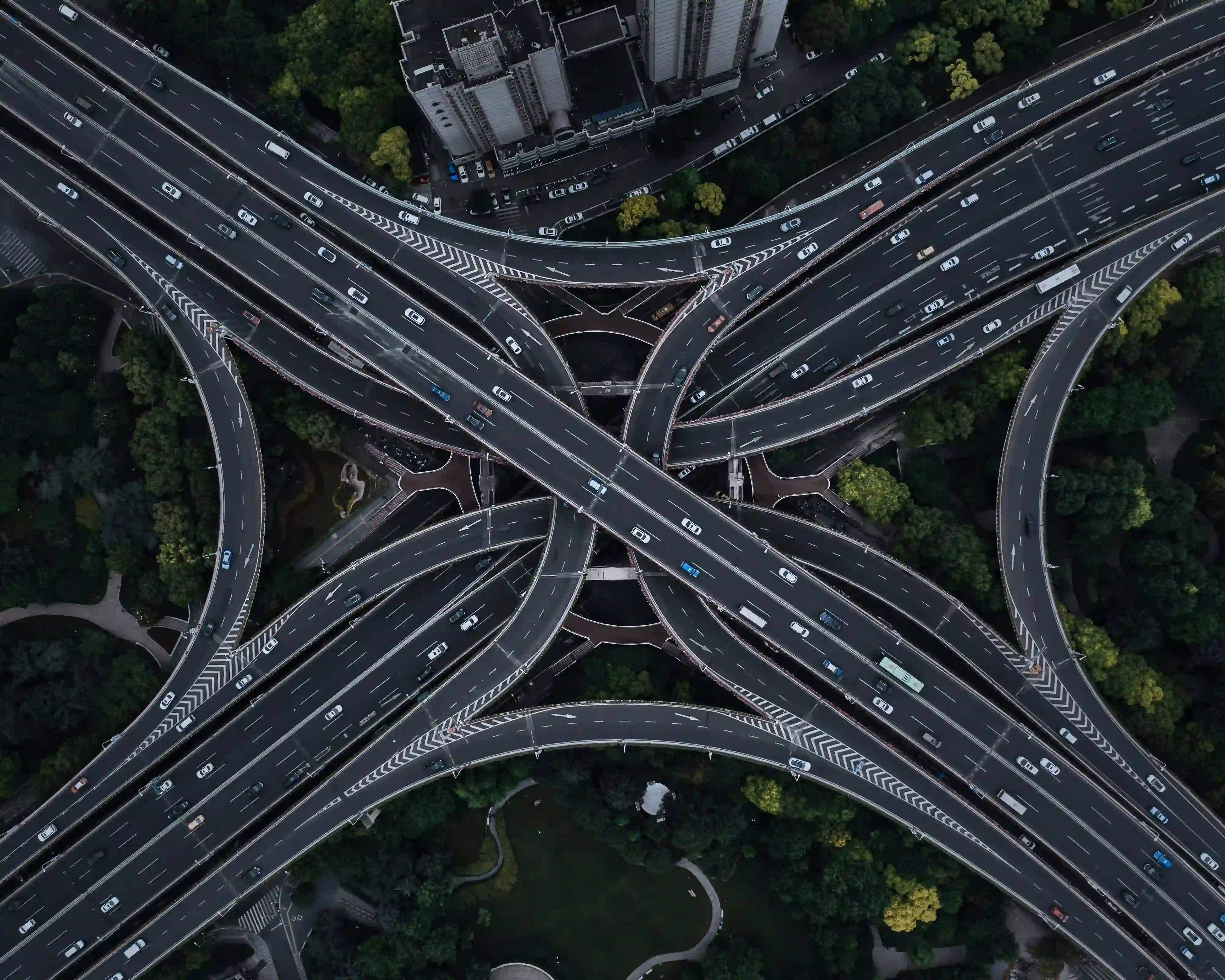
All these urban transformation efforts lead us to a very fundamental questioning of logic. If an architect designed a house for you and allocated the vast majority of your living room to a noisy, toxic-gas-emitting, giant metal box, leaving you only a narrow walking margin along the walls, you would never buy that house. You would not accept having to detour around a rapidly moving machine in the middle of your living room just to get to the kitchen. Yet today, we continue to build our urban spaces, the very extensions of our homes, with exactly this pathological architecture, accepting it as the natural price of modern living.
We believe we built cities to protect ourselves from the dangers of the outside world. But if we have willingly surrendered our living spaces to piles of metal that constantly threaten to crush us, poisoning our air and water with invisible particles, what exactly are these high walls protecting us from?
— Related Reading: The Cities That Demand Consumption: The Silent Death of the "Third Place"