A New Penguin Species Found in a Vanishing World
We assume nature has no secrets left. Yet the desolate Kerguelen Islands just yielded the first new penguin species named in over a century. Pygoscelis kerguelensis survived in absolute isolation, but this genetic miracle now faces an uncertain future in a rapidly shifting climate.
We live in an era where we assume every inch of the earth has been mapped and all of nature's secrets have been unraveled. Yet the most remote and unforgiving corners of the planet continue to subvert what we thought we knew as absolute truth. For the first time in over a century, an international research team has discovered a new species of penguin, the first since the northern rockhopper was identified in 1921. This discovery represents more than just a biological triumph. It is the silent cry of an ecosystem standing on the brink of an escalating climate crisis.
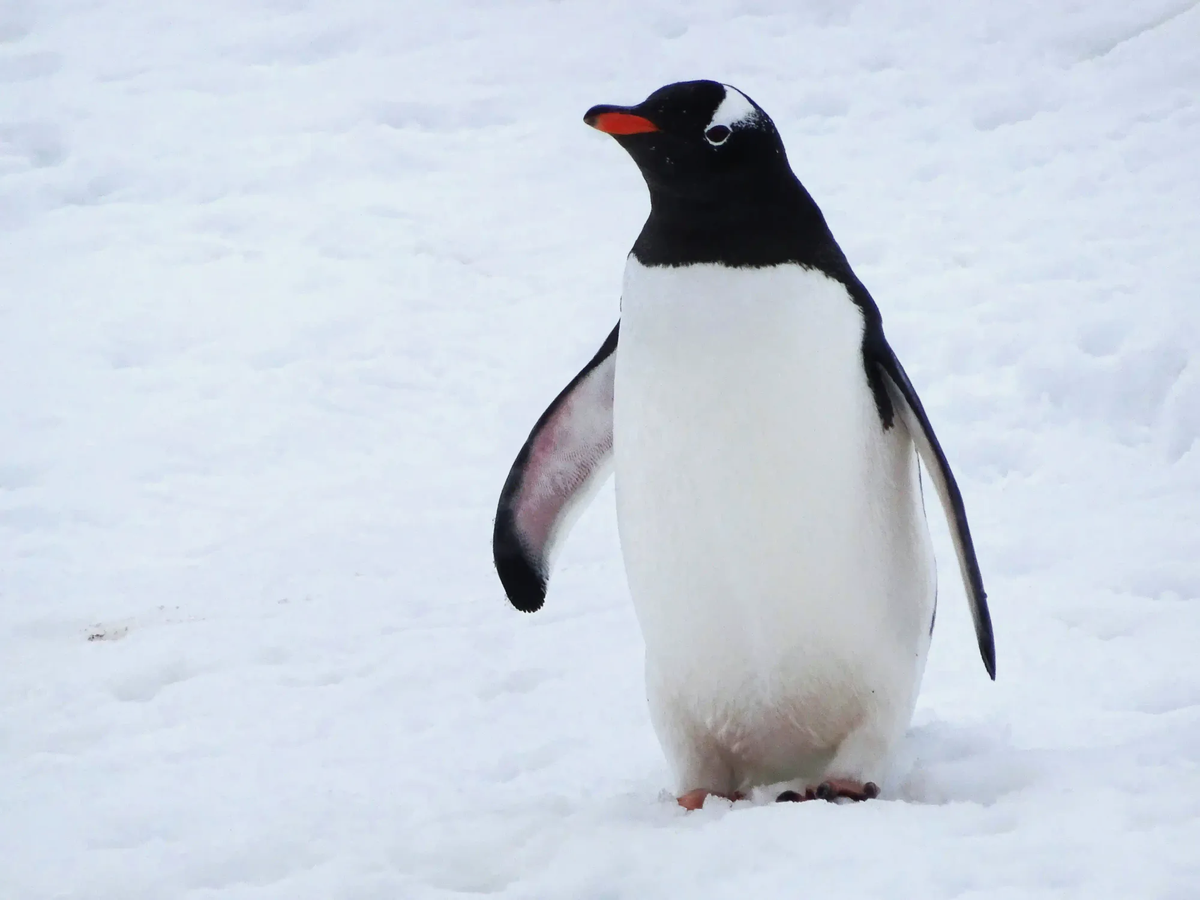
Published in April in the journal Communications Biology, a study involving 22 researchers across five continents has finally concluded a taxonomic debate that spanned decades. The gentoo penguin, previously classified as a single species, has now been proven to diverge into four distinct evolutionary lineages. These include the northern, southern, eastern, and the previously entirely unknown southeastern gentoo penguin.
The Cryptic Nature of the Subantarctic
Residing roughly 1,200 miles north of Antarctica on the desolate and inaccessible Kerguelen Islands in the Indian Ocean, this new species has been named Pygoscelis kerguelensis. The reason this penguin remained unnoticed for a century lies in one of nature's most flawless camouflages, known scientifically as a cryptic species. While visually identical to other gentoo penguins on the surface, the true distinction of these creatures was hidden deep within their genetic code.
According to the study led by scientists from UC Berkeley and various institutions in Chile, this genetic divergence occurred between 300,000 and 500,000 years ago. The Antarctic Polar Front acts as a natural barrier of ocean temperature and salinity. Combined with the gentoo penguins' tendency to stay close to their breeding colonies for foraging, this physical boundary isolated these populations and forced them to evolve independently.
A Species Threatened the Moment It Is Found
This fascinating discovery unfortunately arrives with a dark timeline. While the southern gentoo penguins inhabit the Antarctic mainland and possess the cold climate genes necessary to potentially expand their populations, the other subantarctic island dwelling populations are under severe threat, including the newly discovered southeastern species.
According to climate projection models, even under a moderate global warming scenario, the islands these penguins call home will become uninhabitable for them by 2050. The tragedy deepens when considering that these endemic species have no other suitable neighboring islands to seek refuge or migrate to once their current habitats are lost.
After a century of waiting, we have finally been able to give a name to these hidden residents of the Kerguelen Islands. As UC Berkeley researcher Rauri C. K. Bowie emphasized, this discovery did not merely uncover a remarkable new species. It revealed just how urgently these fragile ecosystems need our protection. The real question now is whether we will surrender this natural miracle to the rising tides of the climate crisis before we even have the chance to truly understand it.
— Related Reading: How We Deafened an Entire Ocean While Mourning the Loneliness of a Single Whale