Escaping the Ecological Doomsday Narrative: 7 Documentaries on the Earth's Power of Self-Regeneration
We are paralyzed by the climate doomsday narrative, believing the Earth is a fragile victim waiting for our rescue. But what if the opposite is true? These films reveal the planet's brilliant self-healing mechanisms and shatter the centuries-old illusion of human supremacy.
Modern media consumption and mainstream environmental journalism are largely built upon the premise that the Earth is spiraling toward an irreversible collapse. The daily influx of global warming reports, declining biodiversity, and accelerating habitat loss statistics rightfully exposes the sheer scale of the ecological crisis. However, the "climate doomsday" narrative, which focuses solely on this destruction and seeks salvation entirely in technological interventions, brings a dangerous psychological side effect: eco-anxiety and a paralyzing sense of inaction.
While we constantly discuss humanity's destructive power over ecosystems, are we perhaps missing a much more fundamental question: Do we view nature merely as a fragile victim awaiting our intervention and rescue, or as a complex, intelligent network capable of making its own decisions and equipped with self-healing mechanisms?
If we truly begin to understand the planet's biological architecture, its subterranean networks, and the social memory of other species, we might realize that the reversibility of ecological destruction can occur much faster and more dynamically than we assume. We examine seven cinematic documentaries that dismantle our anthropocentric hubris, allow us to witness the Earth's own pace, intelligence, and regenerative capacity, and rebuild our hope for the planet on a solid scientific foundation.
1. Fathom (2021): The Deep Ecology of Communication and Whale Culture
As humanity, we tend to view culture, language, and complex social structures as an evolutionary privilege belonging exclusively to our own species. Fathom dismantles this fallacy through an in-depth acoustic study conducted in the dark waters of the ocean. The documentary centers on marine biologists Dr. Michelle Fournet and Dr. Ellen Garland in their efforts to decipher the vocalizations of humpback whales and their cross-oceanic communication networks.
What we watch on screen here is not a simple biological instinct; it is one of the most tangible proofs of cultural transmission in the wild. We are confronted with a genuine marine mammal culture that is transmitted across geographies, adapts over years, and is taught from generation to generation. When we understand the structure of whale communication frequencies, we face the reality that there are other "meaning-making" civilizations on Earth besides us. This realization transforms the oceans from merely a massive body of water that needs cleaning into a living library whose ancient language must be decoded and respected.
2. Jane (2017): The Anthropocentric Hierarchy Shattered by Observation
For decades, the science of biology evaluated animals through the philosophical legacy of René Descartes—as "unfeeling and unthinking machines." The notion that tool making and use was the fundamental trait separating humans from animals was accepted as an indisputable scientific dogma. That was until the 1960s, when a young researcher with no formal academic training quietly infiltrated a troop of wild chimpanzees in Gombe National Park.
Using previously unreleased archival footage, Jane documents the revolutionary process in which Jane Goodall proved that chimpanzees make tools, forge complex political alliances among themselves, and grieve deeply, much like humans. Witnessing the impact of this field data on primatology, the renowned paleoanthropologist Louis Leakey summarized the reality the scientific world had to confront in a historic telegram:
"Now we must redefine tool, redefine Man, or accept chimpanzees as humans."
Shattering the centuries-old hubris of man the toolmaker (Homo faber), this production proves how even the most unshakeable hierarchies in natural sciences can be fundamentally upended when we observe wildlife patiently and impartially, rather than attempting to interfere with it.
3. The Elephant Queen (2019): The Weight of Intergenerational Ecological Memory
When a deadly drought strikes the African savanna, the survival of a massive elephant herd depends not on a genetic reflex or sheer physical strength, but on the mental capacity of a single individual. The Elephant Queen follows a matriarch named Athena as she navigates her herd along an arduous migratory route to find hidden underground water sources in a parched, unforgiving landscape.
The most significant conceptual debate this documentary brings to environmental ethics and conservation literature is the cultural memory of wildlife. That massive topographical map in Athena's mind is not static software hardwired into DNA; it is intergenerational wisdom learned from previous ancestors and tested through her own leadership experiences. This film analytically demonstrates that conservation strategies for endangered species should not rely solely on biological population statistics; rather, the elder leaders of the herd and their knowledge transfer are the true backbone of the ecosystem.
4. The Velvet Queen (2021): The Philosophy of Waiting and Observing Nature
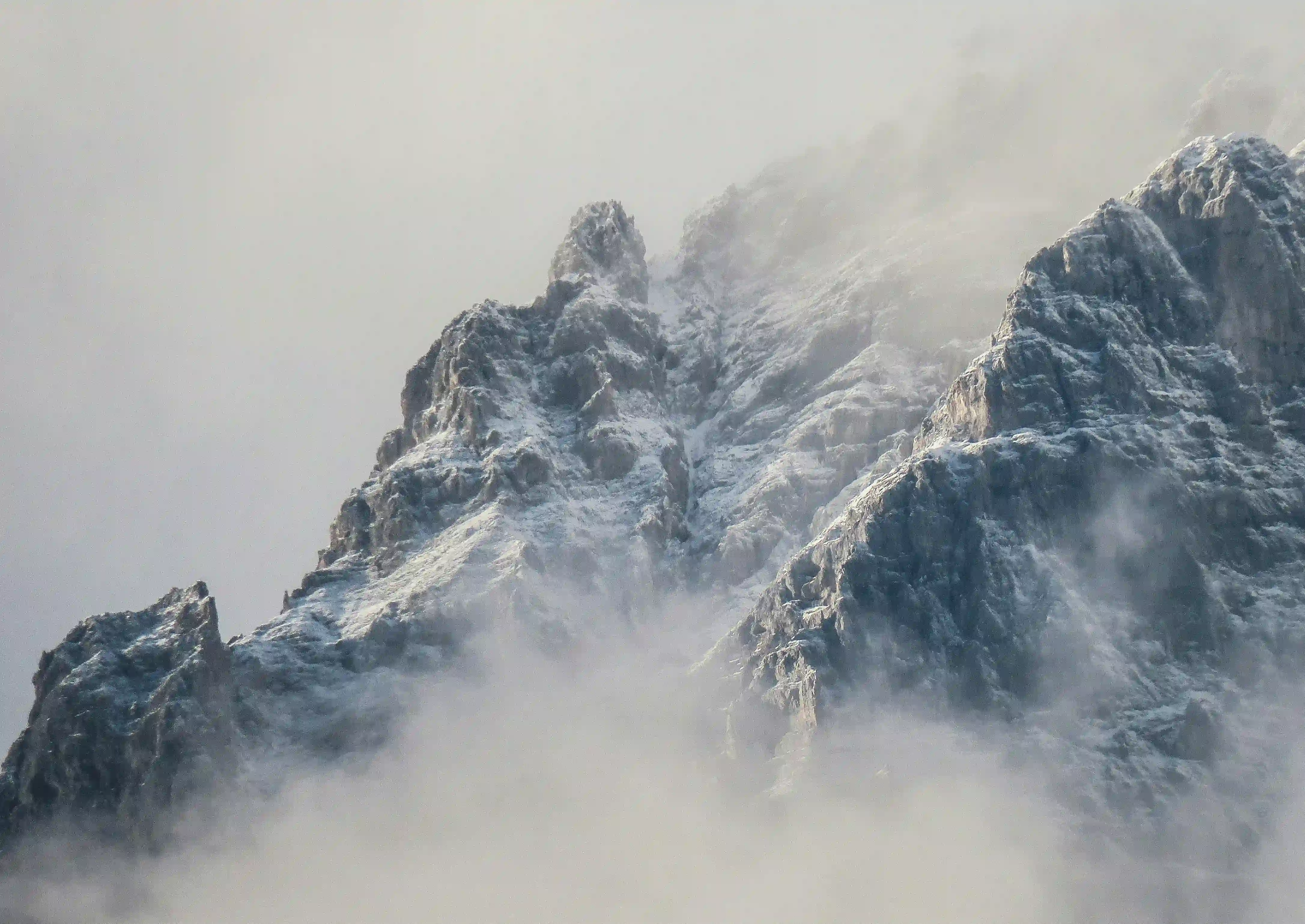
We tend to think of ecological restoration as an active endeavor, an aggressive intervention, or a multibillion-dollar engineering project. Yet, the first and most difficult step in making room for nature to heal itself is learning to "stop." While modern life glorifies speed and instant gratification, The Velvet Queen—which follows wildlife photographer Vincent Munier and writer Sylvain Tesson as they search for the elusive snow leopard across the freezing, desolate highlands of Tibet—invites the viewer into a state of radical inaction and waiting.
The film functions less as a classic nature documentary and more as an ecological meditation. By critiquing the human urge to interfere with everything and force nature into our own timeline, it reveals just how transformative it can be to simply "be there" and allow nature to watch us in return. Wildlife is not a resource to be conquered or converted into data; it is an ancient presence that reveals itself only when its boundaries and silence are respected.
5. The Biggest Little Farm (2018): The Dynamics of a Regenerative Agriculture Ecosystem
In environmental and climate crisis discussions, we usually focus on what we "should not do" or what we need to restrict. The Biggest Little Farm, however, is a tangible, measurable, and scientific answer to the question, "What can we do differently alongside nature?" It presents an eight-year chronicle of how a dead, 200-acre plot of land—barren and entirely stripped of its biodiversity by the monoculture practices of traditional industrial farming—was transformed into a massive, self-regulating ecosystem through regenerative agriculture principles.
The answer to every problem encountered during the farming process, from snail infestations to unprecedented droughts, is found not in harmful chemical interventions, but in integrating a new predator or a complementary plant species into the ecosystem. Proving that nature utilizes every organism as an element of balance, this process demonstrates that ecosystem restoration is not merely a romantic dream, but a viable, elegantly engineered model.
6. Fantastic Fungi (2019): The Scientific Limits of the Biological Solidarity Network
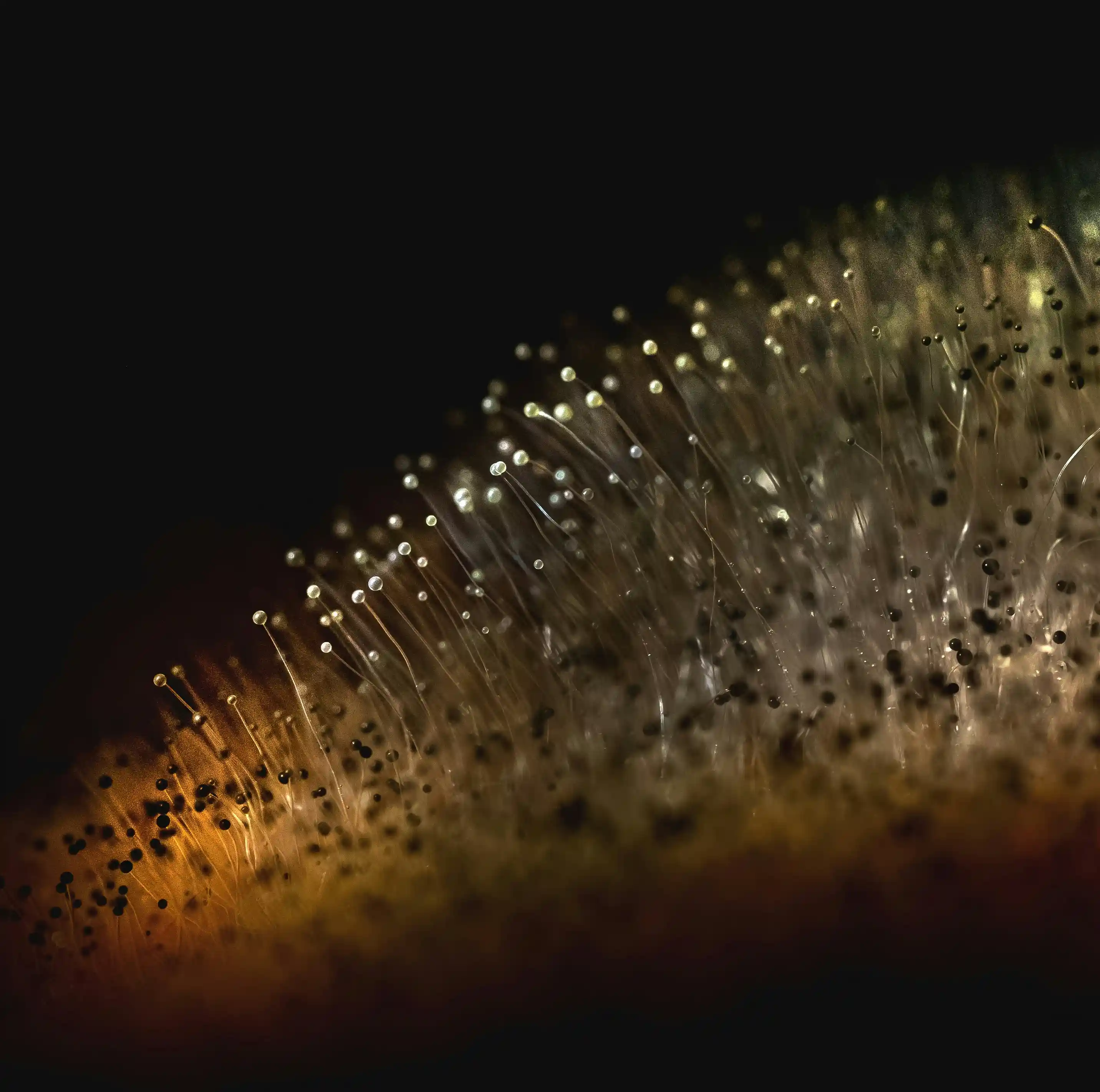
For many years, we imagined forests as Darwinian biological battlegrounds where every tree competed with one another for sunlight and water. Fantastic Fungi disrupts this evolutionary paradigm, taking us into the invisible subterranean world of mycorrhizal networks, also known as the "Wood Wide Web."
Although recent studies published in the journal Nature Ecology & Evolution in 2023 have rightfully noted that claims of direct tree-to-tree communication and nutrient transfer have been somewhat romanticized beyond the existing scientific evidence, the massive recycling system of fungi underground remains an indisputable fact. Proving that death is actually the beginning of new life, this documentary forces us to question what we know about the inner workings of nature while allowing us to read the foundation of ecological solidarity through a biophysical map.
7. My Octopus Teacher (2020): Interspecies Empathy and Psychological Repair
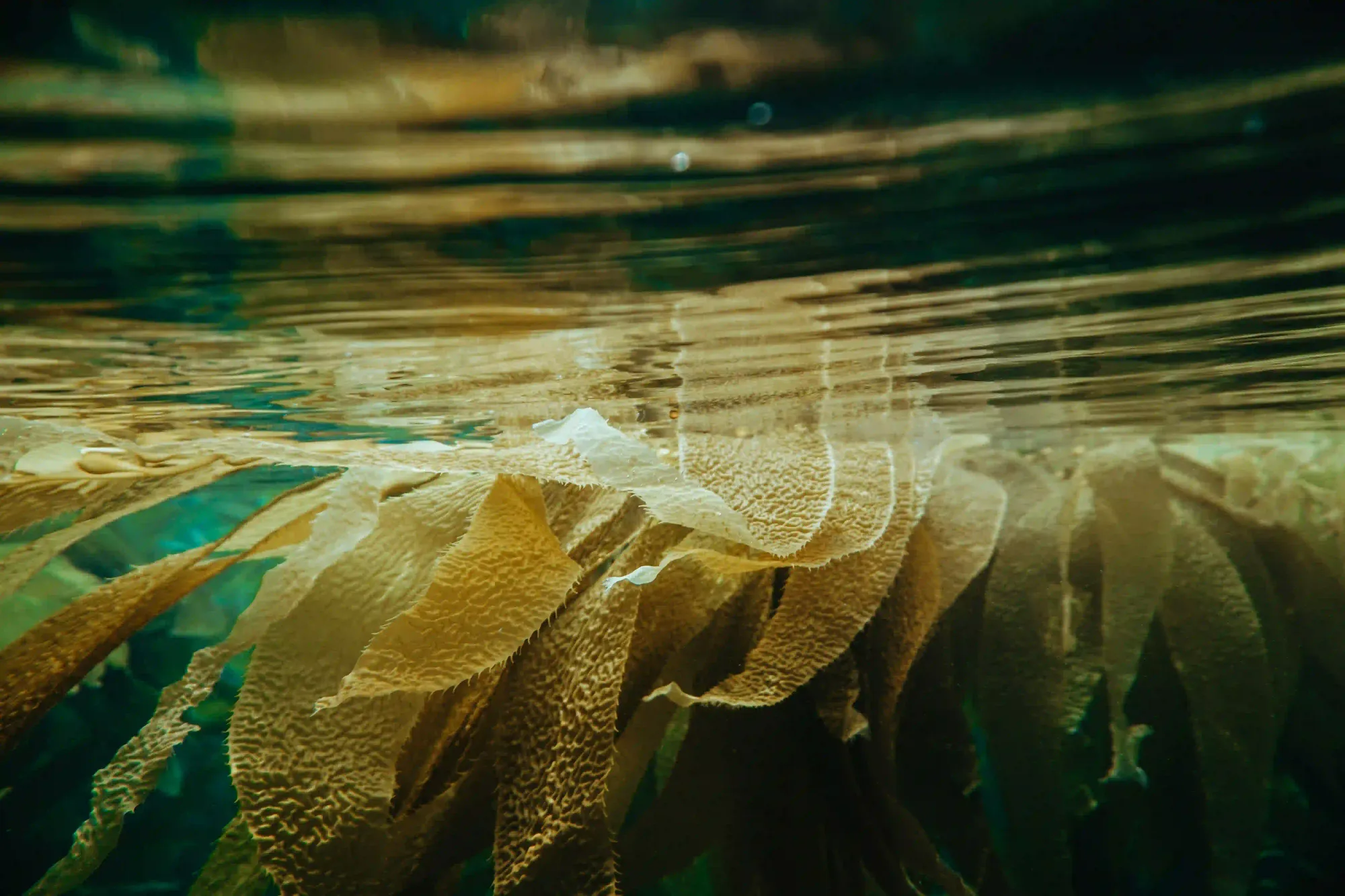
Perhaps the most deeply personal of all productions tearing down that invisible, hierarchical wall between the human mind and wildlife, this documentary chronicles the daily relationship a filmmaker experiencing severe burnout forges with a wild octopus in the kelp forests off the coast of South Africa.
Despite octopuses belonging to an entirely different evolutionary lineage from humans neurologically, with the majority of their neurons located in their arms, they display extraordinary problem-solving abilities, curiosity, and conceptual intelligence throughout the film. The breaking point where the observer becomes the observed, and the teacher becomes the student, allows us to view biodiversity not just as an abstract "resource" to be protected from afar, but as a collective of conscious beings with whom we can establish a direct emotional relationship.
Are We Saving Nature, or Is Nature Saving Us?
These seven cinematic documents offer a new, resilient philosophical foundation for global ecological discussions: The Earth has not yet given up. If we, as humanity, relinquish our hubris of controlling and managing everything and make space for the repair mechanisms the planet already possesses, the Earth's capacity for self-healing extends far beyond the darkest disaster scenarios ever written.
Protecting nature does not mean putting it in a glass dome like a museum artifact, isolating it, or viewing it merely as a structure dependent on our mercy. It means respecting the inherent culture of wildlife and its learning, healing systems. Perhaps the only way to escape the paralyzing grip of eco-anxiety is to ask ourselves that difficult question:
Could it be that the real key to solving the ecological crisis is not us saving nature, but us simply stepping aside and letting nature do its job?
— Related Reading: The Art of Witnessing: 7 Documentaries That Will Change Your Relationship With the Planet