How We Deafened an Entire Ocean While Mourning the Loneliness of a Single Whale
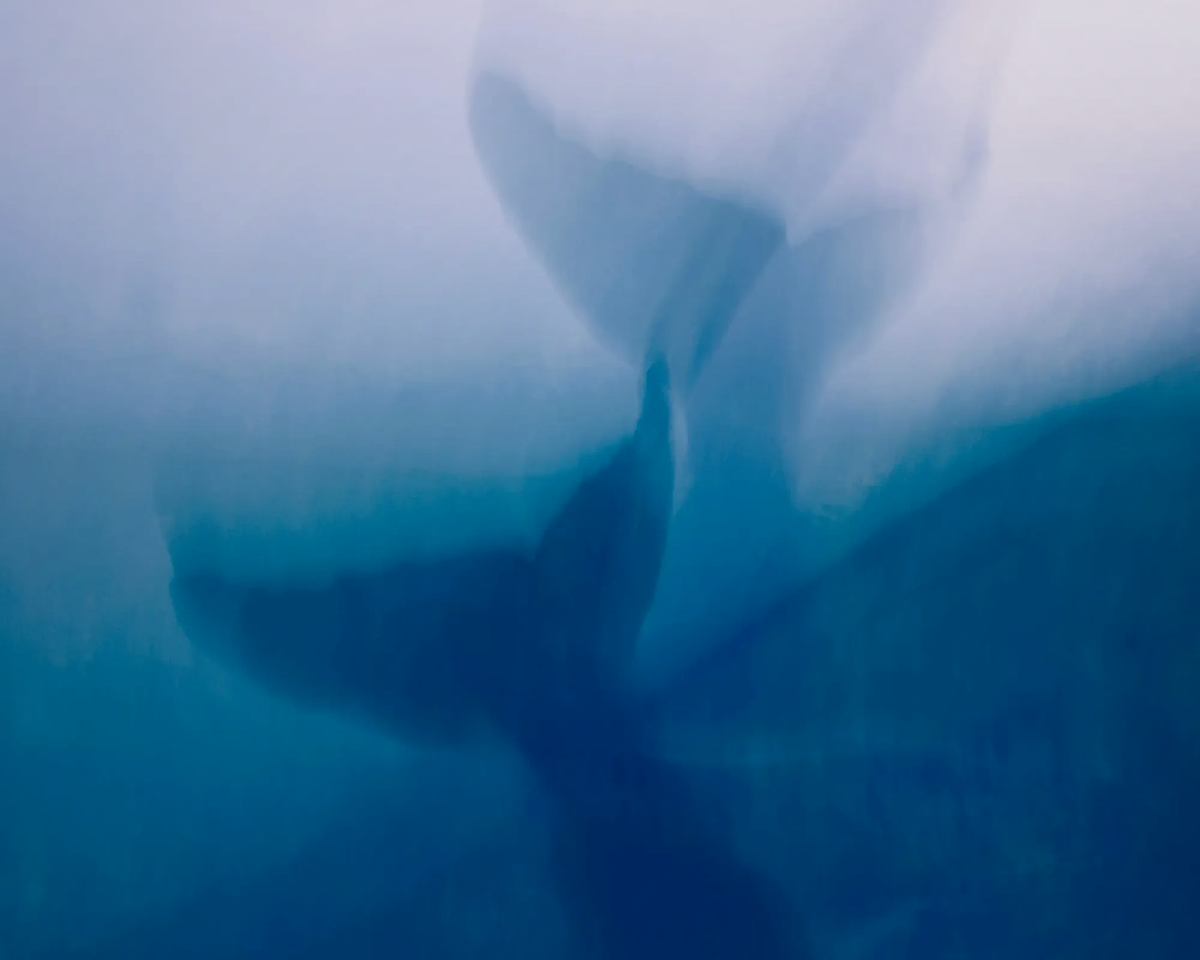
For thirty years, we told ourselves a romantic story. Somewhere in the dark waters of the North Pacific, the "loneliest whale in the world" was singing at a frequency his own kind seemingly couldn't hear. Yet, the latest scientific data and the current acoustics of the ocean point us toward a far more unsettling truth.
The story begins during the Cold War. The US Navy had deployed a massive, classified network of hydrophones across the ocean floor to detect Soviet submarines. However, instead of engine hums, these underwater listening devices began recording mysterious, low-frequency moans echoing from the deep. These were the communication calls of massive blue whales. But in 1989, a completely different voice was caught in this acoustic web.
Large whales typically communicate in the 15 to 30 Hertz range. The new sound picked up by the hydrophones, however, was exactly at 52 Hertz. For a creature of that magnitude, speaking at this pitch is the equivalent of a human talking after inhaling helium. The media quickly romanticized this unusual frequency. Documentaries were filmed, songs were written, and he was bestowed a melancholic title: The Loneliest Whale in the World.
For years, we believed he was living in true isolation, singing songs in an endless silence that no one could hear.
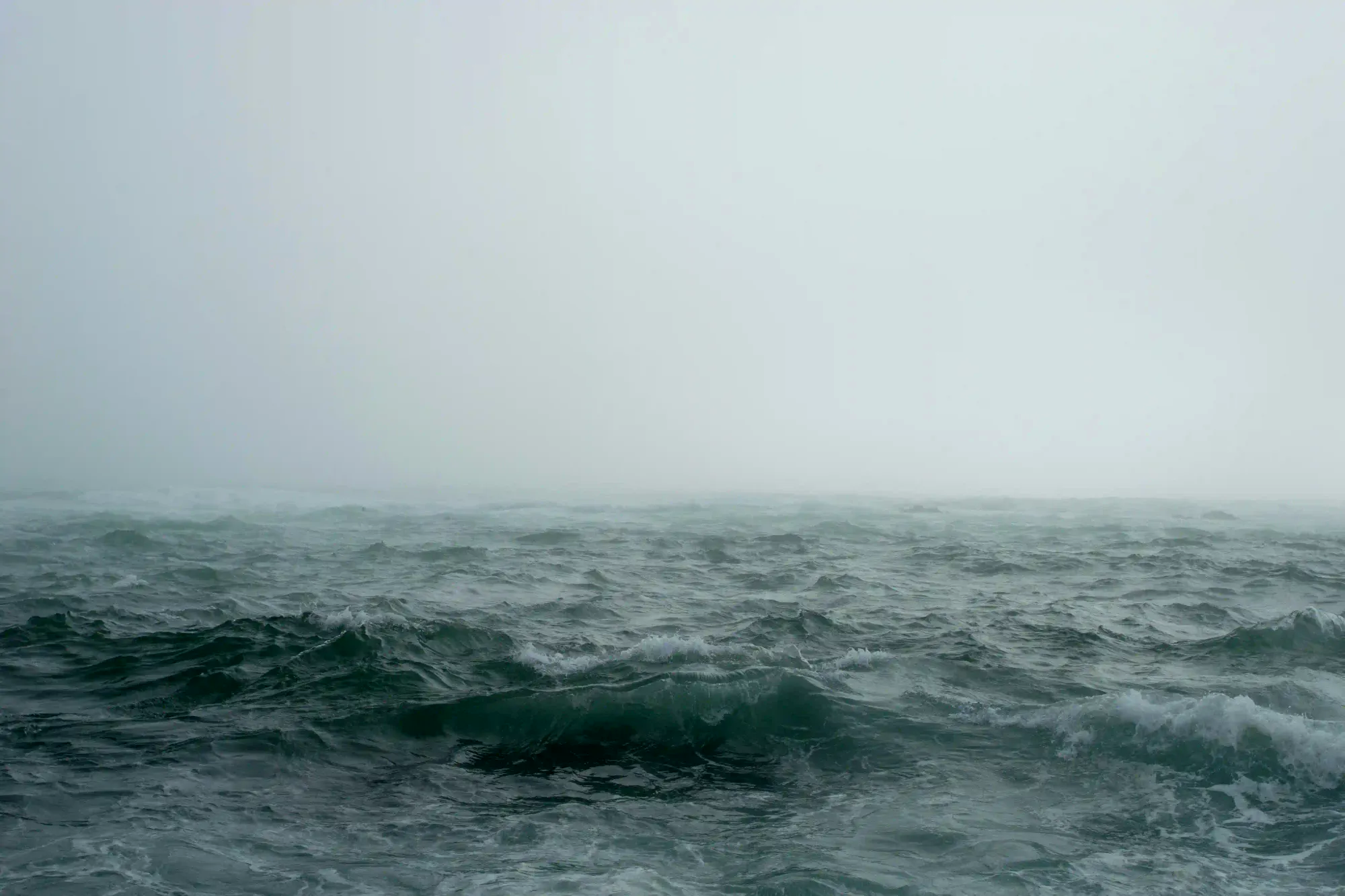
True Isolation or an Acoustic Illusion?
Contrary to the melancholic myth constructed by the media, leading marine biologists argue that this whale was never truly "alone."
Other whales are not deaf; they can absolutely hear the 52 Hertz frequency. The fact that a whale calls at a slightly higher or different pitch does not render him imperceptible to his peers. To scientists, it is akin to hearing someone speak with a peculiar accent or an unusual tone of voice. We understand them; we simply recognize that they sound different.
So, if he could be heard by his own kind, why was he so difficult to find? The truly staggering revelation emerged in 2021, when a documentary crew searching for this specific whale hit a much darker, physical wall.
Screens Turning Red: The New Acoustics of the Ocean
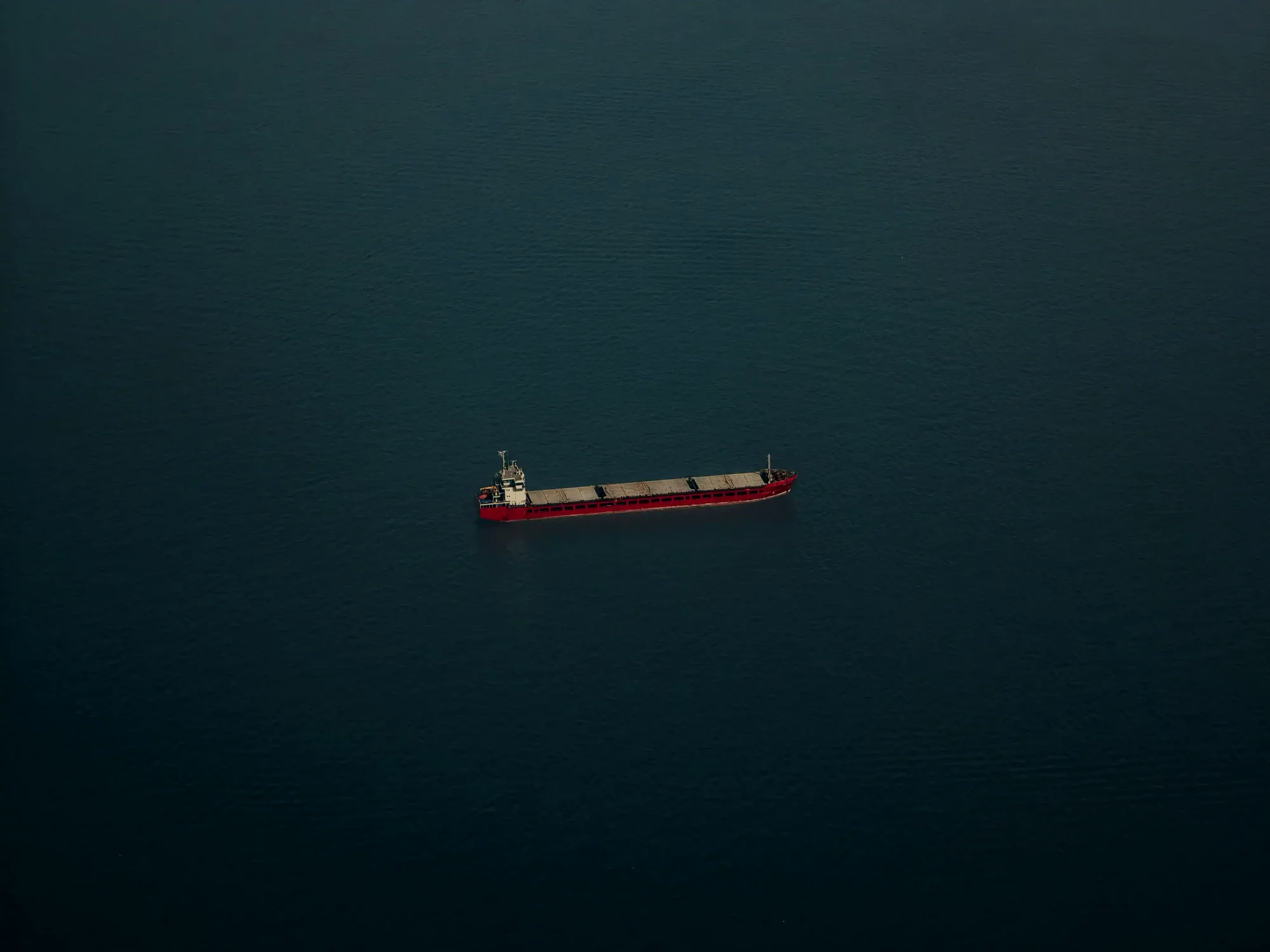
As researchers tried to focus on the call of 52 Hertz off the California coast, their hydrophone screens suddenly flared red with violent interference. The force deafening their equipment wasn't a storm or an ocean current. It was the relentless, floor-shaking engine roar of passing giant cargo ships.
The immense noise pollution generated by global maritime trade has shrunk the acoustic space in our oceans by two-thirds in recent years. Whales can no longer hear each other in the waters where they have communicated for millions of years. To survive, hunt, and find mates, they are forced to overpower this artificial cacophony. Much like people trying to converse in a blaring nightclub, whales are now shouting at higher volumes and shifting their frequencies just to be heard.
The Concrete Proof of Silence: Autumn 2001
The clearest evidence of the devastating impact of ocean noise on marine life is hidden behind a tragic global pause.
Immediately following the September 11 attacks in 2001, commercial shipping traffic briefly came to an unprecedented, global halt. The oceans suddenly went quiet. Oceanographers studying this period analyzed cortisol (stress hormone) levels in the feces of whales in Canada's Bay of Fundy. The results were staggering. During that brief window when the commercial vessels stopped, the whales' stress hormones plummeted instantly and dramatically.
The mere presence of silence was enough to heal them.
Drowning in Our Own Noise
We spent years lamenting the romantic loneliness of a single whale. Meanwhile, the relentless gears of global commerce have filled the entire ocean with "lonely whales," isolated and unable to reach their own kind.
Today, the oceans are not silent. Rather, they have become a deafening arena of chaos, where the cries of countless creatures desperately trying to reach one another are drowned out by the engine roar of giant cargo ships navigating the seas.
The question we must now ask ourselves is this: How do we heal a crisis we refuse to hear? As nature's voice grows fainter by the day, isn't it time we finally turned down our own noise?
— Related Reading: What Octopuses Teach Us About the Ethics of Nature