What is Mountain Day in Japan? The Philosophy of Yama no Hi
While the modern world is obsessed with speed, Japan deliberately pauses every August 11th. Born not from political decree but from a grassroots love for nature, Mountain Day (Yama no Hi) is a rare legislative act asking humanity to simply look up and give thanks to the silent giants.
Look closely at the calendars of modern nation-states, and you will find that nearly all national holidays are rooted in anthropocentric hubris. Military victories, royal birthdays, political revolutions, or religious rituals. Because humanity shapes history around itself, we use the blank spaces in our calendars to celebrate our own achievements.
Yet, in 2016, Japan—one of the most hyper-productive, technological, and capitalist societies on Earth—made a decision that entirely shattered this universal template. The government declared August 11th a national holiday. The purpose was not to commemorate a battle or exalt a leader. Its legislative definition was stark and unsettling in its simplicity: "To provide opportunities to get familiar with mountains and appreciate blessings from mountains."
So, let us ask the question that surges in global search engines every August: What is Mountain Day in Japan? And more importantly, why does one of the world's most overworked societies legally halt its economy for a day just to look at its geography? The answer is not found in a tourist guidebook, but in modern humanity’s profound disconnection from nature and a silent ecological rebellion.
A Grassroots Rebellion Against Speed
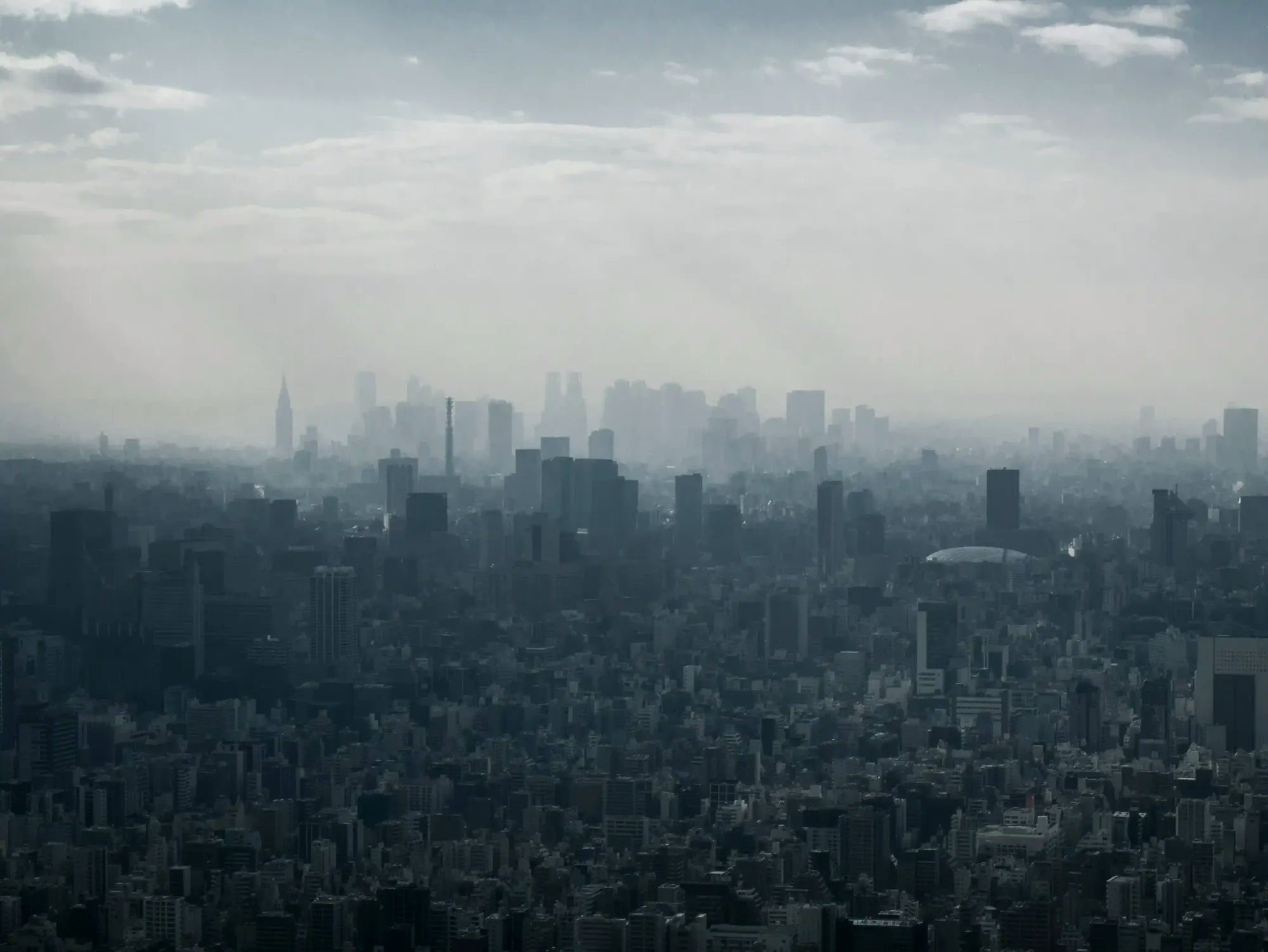
Yama no Hi (Mountain Day) was not born as a government public relations stunt or a project to boost tourism. Unlike most other national holidays in Japan, the architects of this day were not politicians, but everyday citizens.
In 2010, a coalition of nature enthusiasts, climbers, and environmentalists, led by the Japanese Alpine Club, began exerting an extraordinarily rare level of pressure on the national legislature. What they demanded was a deliberate pause—a space created to remind the modern Japanese public, trapped in sprawling megacities, endless overtime, and digital screens, of their true terrestrial host. Years of relentless lobbying paid off. The legislation passed in 2014, and the holiday was officially inaugurated in 2016.
This is no ordinary holiday; it is a self-administered shock therapy for a society on the verge of losing its "ecological memory" amid blocks of concrete. It is a concerted effort to remind modern humans, who have begun to view nature as merely a "green blur," that those silent giants have never left.
"The legislation of Mountain Day is not simply a country adding a date to its calendar; it is a legal victory of the silence of the peaks over the noise of the cities."
The Symbolism of August 11 and a Visual Intelligence
Japan’s selection of August 11th for Mountain Day is far from coincidental. This date stands as flawless evidence of how the Japanese language visualizes the world, and how grammar inherently intertwines with nature.
August is the eighth month of the year. In Japanese, the kanji for the number eight (八 - hachi) visually resembles a widening mountain peak. The number 11, denoting the day, mirrors the silhouette of two towering trees standing side by side. Thus, in Japanese culture, writing "August 11" evokes not merely a chronological timeframe, but the vivid image of a heavily forested, majestic mountain. Language mimics nature, and this mimicry achieves legal status.
Furthermore, its proximity to the traditional Obon festival (a period honoring the spirits of ancestors) allows modern workers to string these days together, transforming the holiday into a prolonged ritual of returning to the wild.
The Sacred Boundary: Kami and the Concrete
Approximately 70 percent of Japan’s geography consists of mountainous and rugged terrain. Yet, almost the entirety of its population is densely packed into the remaining 30 percent of flatlands—into massive, claustrophobic megacities like Tokyo, Osaka, and Kyoto. This geographic compression deeply influences the nation’s psychology.
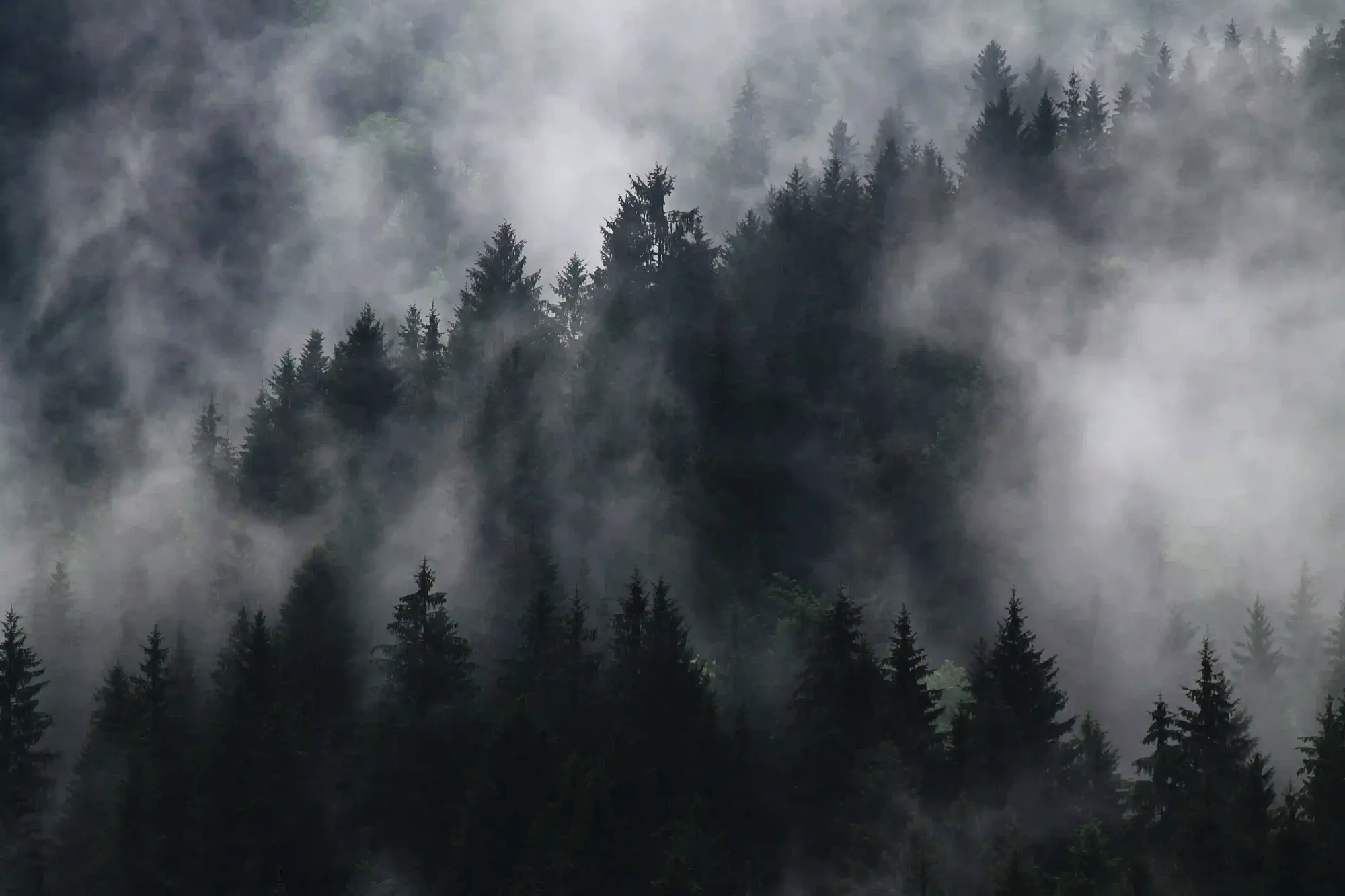
In Western thought, mountains are often viewed as obstacles to be conquered, colossal repositories of raw materials to be mined, or extreme sports arenas designed to satisfy the individual ego. Planting a flag on a summit is perceived as a victory won against nature.
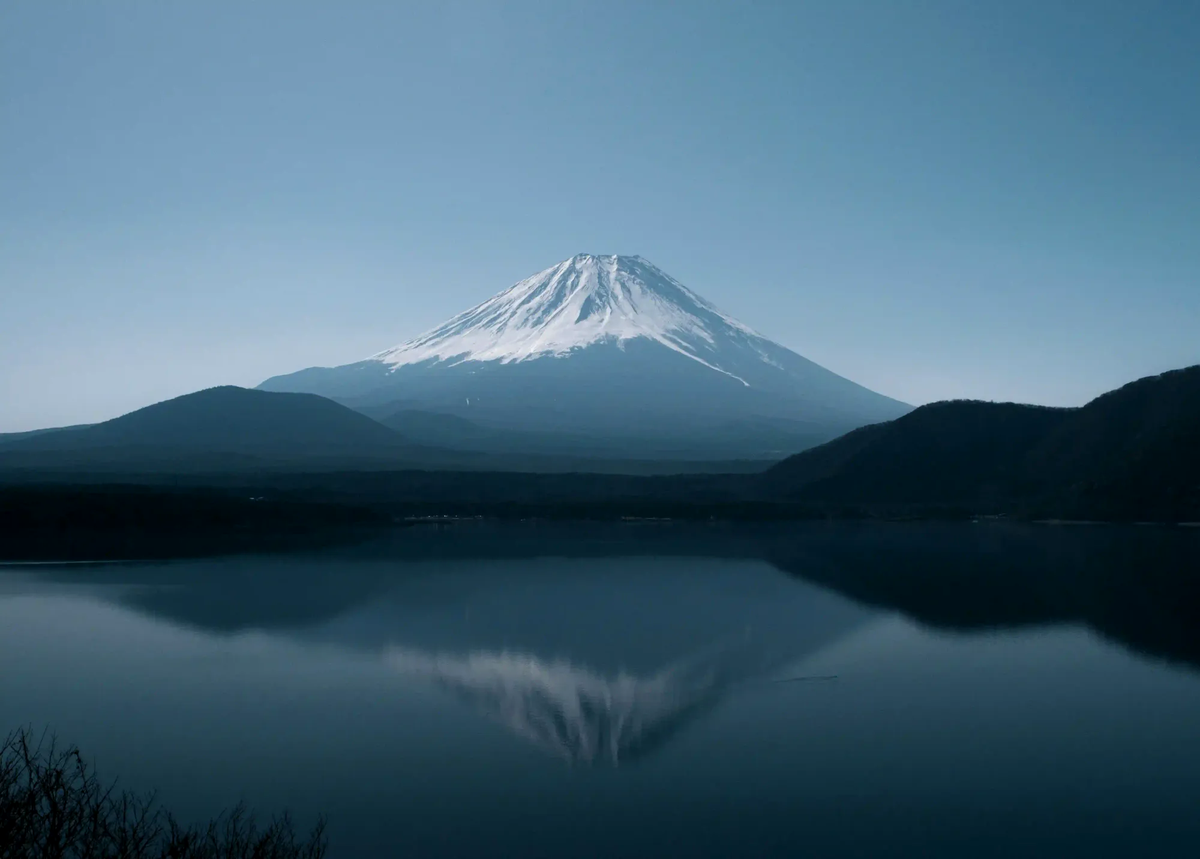
However, within Japan's deeply rooted Shinto beliefs, mountains are untouchable sanctuaries inhabited by sacred spirits, gods, and ancestors known as Kami. For centuries, the Three Holy Mountains (Fuji, Tate, and Haku) have served as pilgrimage routes where people climbed not to conquer, but to purify themselves and pay respect. Mountains are the border outposts between the earth and the sky.
Today, a Tokyo resident descends into the world’s most complex and crowded subway network every morning, struggling to exist in a reality woven from neon lights and algorithms. "Mountain Day" acts as an alarm bell ringing through this technological and urban isolation. It is a legislative mandate to look up from the 30 percent concrete prison and gaze upon the remaining 70 percent of sacred, untamed wilderness.
To Witness Rather Than Conquer
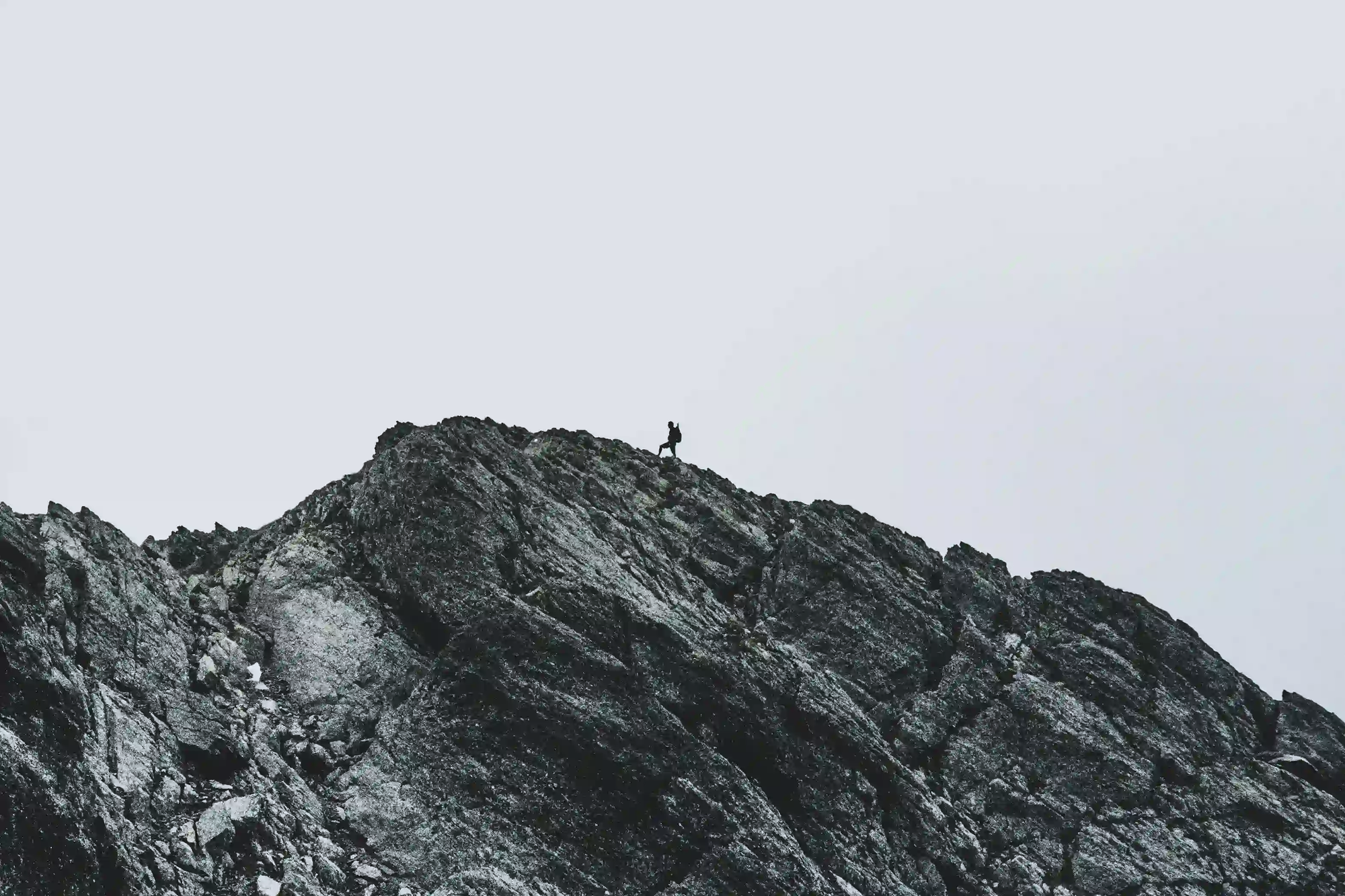
Today, mountains have been reduced to a colossal backdrop for the tourism industry, outdoor clothing brands, and social media consumption. Even when we venture into the wild, we are consumed by the urgency to prove our location to the digital world rather than listening to its silence.
This is precisely why Japan’s concept of "Yama no Hi" serves as a universal philosophical lesson transcending borders. Mountain Day whispers to us that nature does not exist for our consumption or aesthetic pleasure; rather, we are the temporary guests that nature tolerates.
A mountain's perception of time is vastly different from ours. Amid the frantic brevity of human life, the silence and permanence of a mountain remain the most noble form of resistance. Perhaps the ultimate question we must ask ourselves is this: In an age where everything is faster, more consumable, and hyper-digital, how do we carve out that editorial silence in our own lives to simply pause and give thanks for the existence of a mountain?
— Related Reading: The Luxury of Being Unreachable: Is Silence the New Status Symbol or Just Another Trend?