The Exhaustion of Being Seen and Our Retreat to Digital Forests
The original flâneur wandered physical streets to feel the pulse of the city. Today, exhausted by the internet panopticon, we retreat into synthetic nature videos. We think we are finding a sanctuary. In reality, we are quietly witnessing the extinction of our own earthly experiences.
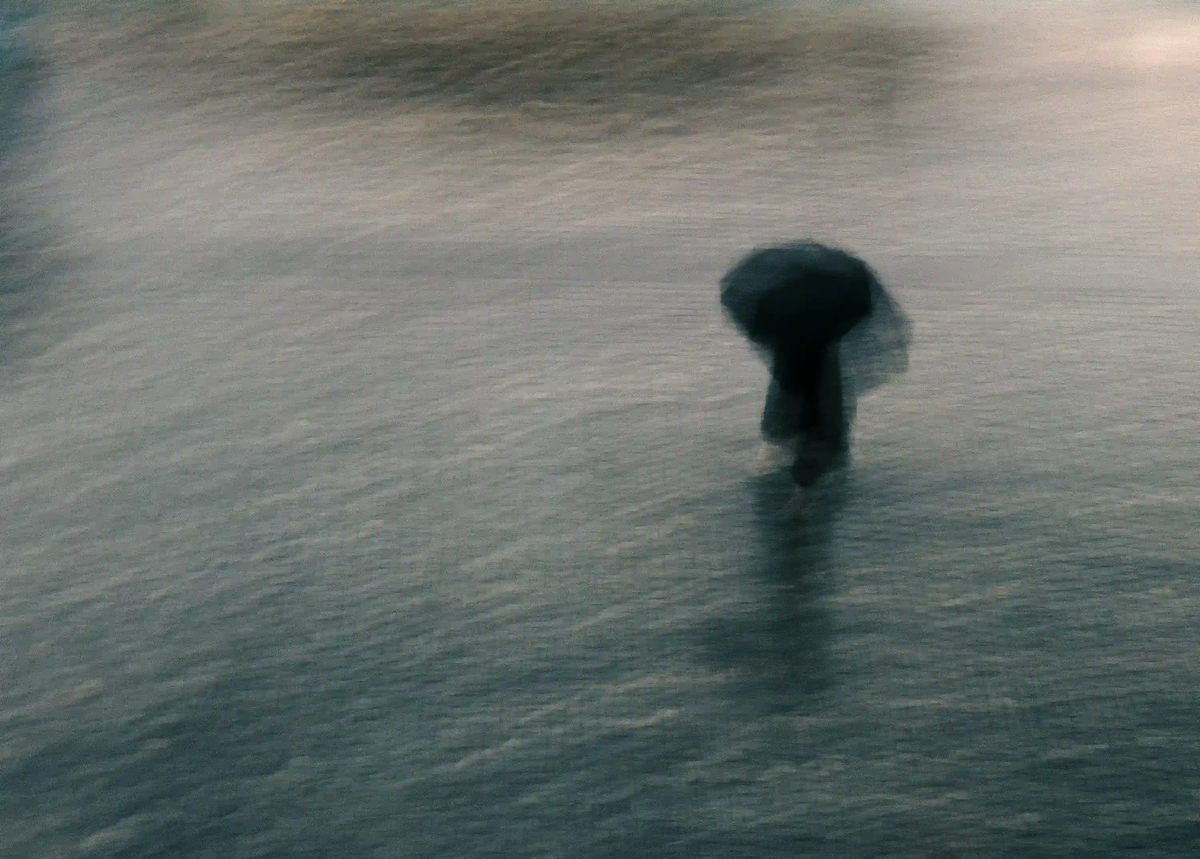
In 1925, when Virginia Woolf wrote her novel Mrs. Dalloway, she strikingly captured the tension between invisibility and visibility for a woman walking the streets of London. As Clarissa Dalloway looked into the city's shop windows, she was acutely aware that she was simultaneously a display for those around her. This profound anxiety regarding how an individual is perceived by others has magnified thousands of times in the digital realm today, permeating every second of our lives. Social media platforms have stripped us of our roles as mere observers of the world. They have transformed us into actors compelled to perform constantly, prove our existence, and react to events. We are exhausted from being perceived, judged, and forced to continuously construct an identity. Under this dictatorship of absolute transparency, one of the oldest characters in urban history is quietly dying out. This character is known as the flâneur.
The original flâneur was the famous urban wanderer of nineteenth-century Paris who strolled aimlessly, bathing in the crowd without ever surrendering to it. When the internet first became widespread, this philosophical concept was reborn in a new body through cyberflânerie. People wandered aimlessly through anonymous forums, the depths of Wikipedia, and personal blogs, enjoying the untouched architecture of the information superhighway.
Today, algorithms have rendered this aimless walk impossible. Every digital step we take is recorded, mapped, and instantly converted into consumption data. Just as modern cities force us onto specific routes, the internet relentlessly pushes us toward a destination. Technology critic Evgeny Morozov clearly declared this death in a 2012 article published in The New York Times:
"Transcending its original playful identity, it's no longer a place for strolling; it's a place for getting things done. Hardly anyone 'surfs' the Web anymore."
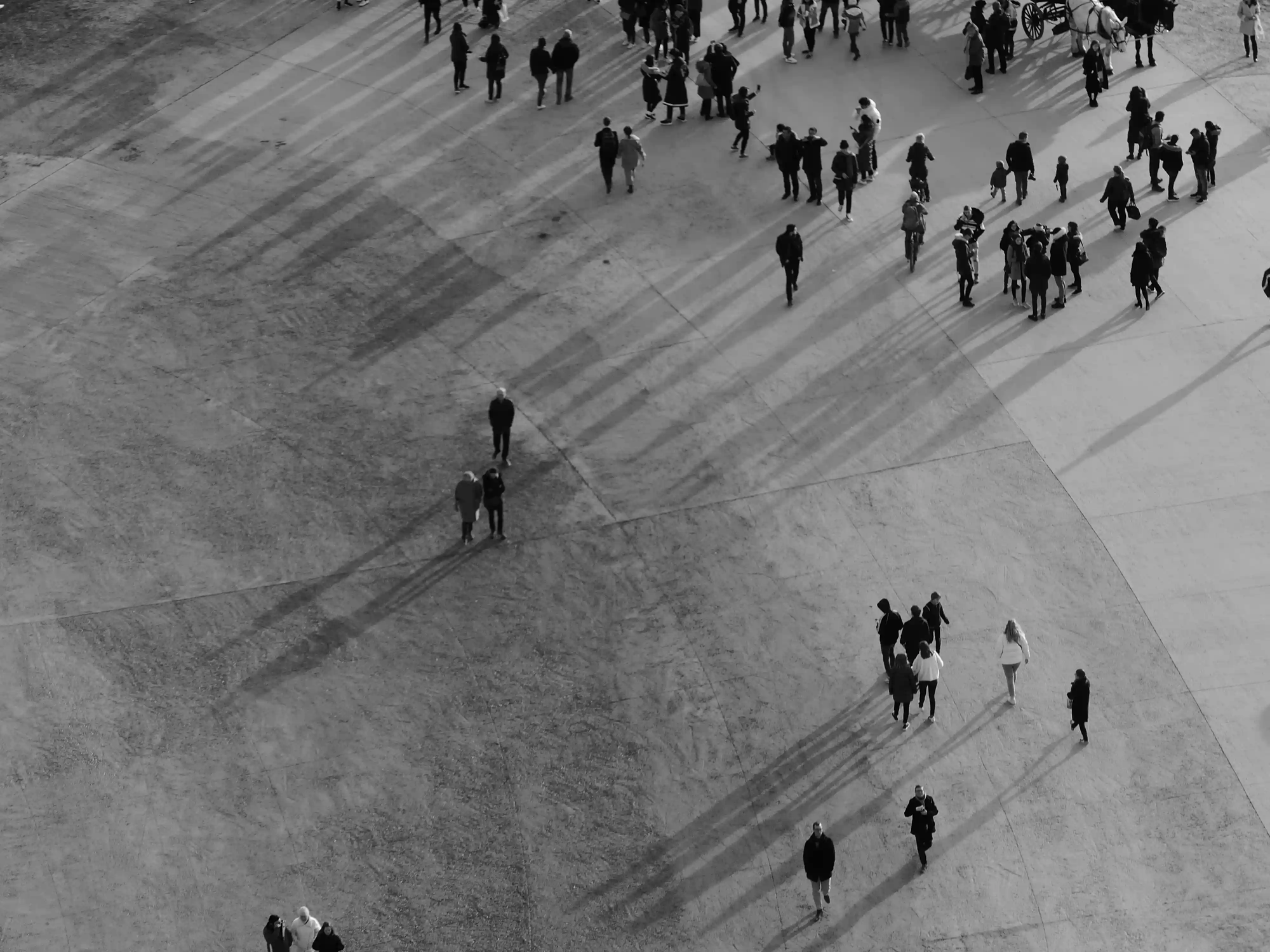
The New Sanctuary: Ambient Walking and Slow-TV
Overwhelmed by the pressure to constantly achieve things and remain visible, minds began searching for a new sanctuary. The route shifted entirely away from physical streets and social media feeds to the digital wild. Millions of people now spend hours watching high-resolution ambient walking videos. Viewers sit in front of their screens to follow a camera gliding through the neon-lit, rainy alleyways of Tokyo, a silent train journey through the Swiss Alps, or the route of a ship navigating the Norwegian fjords in a Slow-TV format that lasts for weeks.
There is no narrator or guiding narrative here. There are no expectations. The mind sheds its heavy urban burden and returns to the primal comfort of simply being an observer. Rather than physically pacing the rhythm of the earth, modern humanity prefers to be a passive spectator in front of a screen. This space where one is not required to comment, like, or prove their existence has become the ultimate luxury for the modern mind.
However, the original flâneur defined by Baudelaire or Benjamin was always active. He willingly exposed his body to the friction of the street, the unpredictability of the crowd, and physical exhaustion. He was open to coincidence and risk. Yet the steps taken on these digital routes are entirely sterile and devoid of risk. Watching rain fall in Tokyo through a screen eliminates the cold that the rain leaves on your skin or the smell of wet asphalt. The viewer does not choose their own path; they merely consume an experience recorded through someone else's camera. This act is not wandering aimlessly in nature. It is purchasing someone else's idleness as an aesthetic product.
Artificial Intelligence and the Threat of Synthetic Nature
At this exact point, this digital reality we have taken refuge in faces a brand new and far more jarring crisis. This crisis is synthetic nature generated by artificial intelligence. Until recently, those long walking videos recorded in Tokyo or Switzerland brought a physical copy of the planet to our screens. The rain we watched was actually falling, and that wind was actually blowing. The physical earth was still there.
However, with the introduction of generative AI video models, high-resolution simulations of forests and cities that have never existed, with no grounding in the physical earth, began to be produced. As algorithms synthesize synthetic nature landscapes with extraordinary clarity, the difference rapidly blurs for the viewer. When the sound of a synthetic waterfall can create the exact same calming effect in our brains as an organic waterfall, our need for the physical reality of the earth completely disappears. Humanity is becoming addicted not to the planet itself, but merely to the sensory input the planet evokes. Once the line between reality and an algorithmic hallucination vanishes, cyberflânerie carries the risk of getting completely lost in a synthetic labyrinth.
The Extinction of Experience
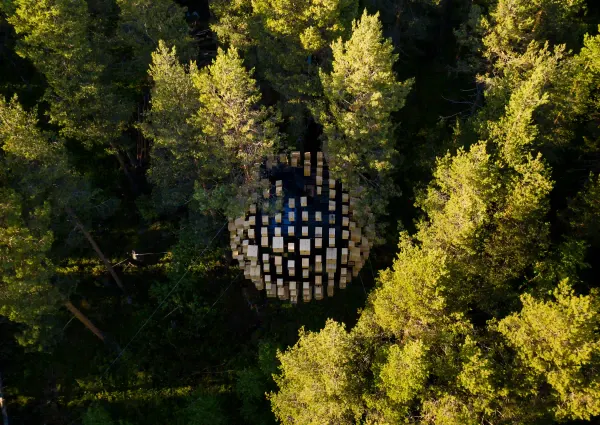
This picture represents the darkest point reached by the Extinction of Experience crisis, a concept heavily debated in ecological literature. Defined by Robert Michael Pyle, this term expresses how people become desensitized to biological diversity as they lose physical contact with nature. In the Digital Anthropocene era, screens that filter out the dangers and comfort-disrupting elements of nature do not bring us closer to the planet. They isolate us from the earth and cause us to settle for a mere visual imitation of it. As the nature we observe becomes falsified, our instinct to protect it or be a part of it atrophies.
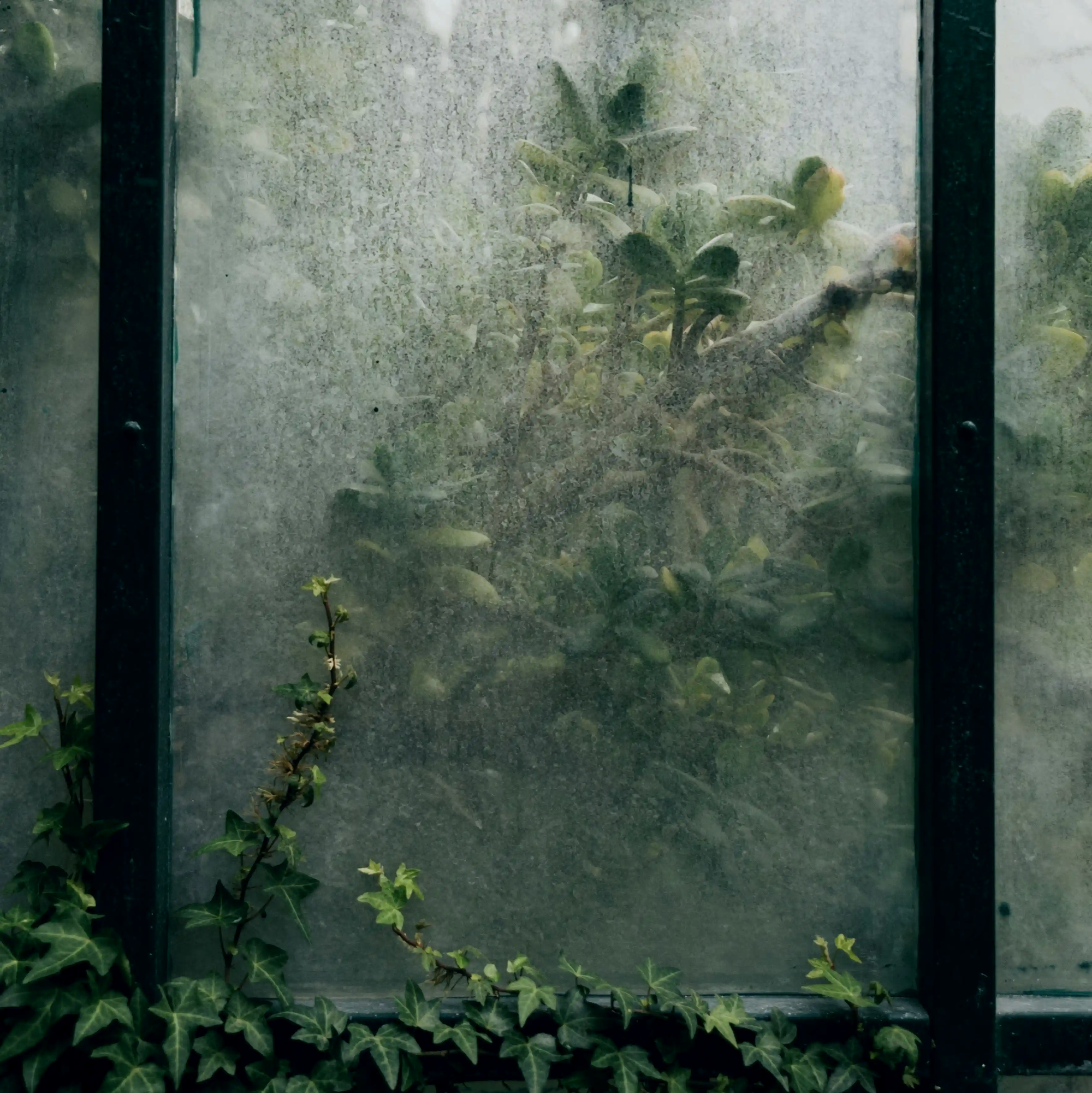
While the absolute neutrality of the earth rapidly depletes in the physical world, we are forced to reconstruct isolation through code. For a modern person living in a loud, concrete-covered megacity, listening to the sound of synthetic rain falling from a screen before sleep is a survival mechanism in an age where organic ties have been severed. Humanity is seeking tranquility by stepping directly into the very screens it wishes to escape.
If Clarissa Dalloway were alive today, she would likely be horrified by the relentless demand for visibility around her, the judging glares of social media, and the fake crowd of the lavish party she was forced to organize. Instead of stepping out into the loud streets of London to look for that familiar reflection in people's eyes, she would lock her door and silently turn on a Tokyo walking video on her screen. But the true philosophical tragedy would begin in that moment. As she took refuge in that silence that neither saw her, judged her, nor demanded anything from her, she would not know that the streets she watched, the rain that fell, and the wind she listened to never actually existed. She would never realize that all of it had been custom-generated by an algorithm specifically for her desire to escape.
— Related Reading: Solastalgia: The Homesickness That Strikes Without Moving