Introverted Cities: Solitude as an Urban Right Against the Dictate of Constant Socialization

The modern world dictates a relentless performance: be constantly accessible, act extroverted, and remain perpetually engaged in socialization. But what if a city is built entirely around a profound respect for your need for silence and personal space?
In some geographies, solitude is not a social flaw, but a fundamental urban right. Here is a closer look at those introverted sanctuaries where silence is an architectural element and being alone is a protected urban culture:
Tokyo, Japan: Invisibility Within the Crowd
The ability of 37 million people to coexist and maintain such profound silence is a feat of urban engineering. With single-seat dining booths designed to avoid eye contact and a transit network strictly governed by rules of quietness, Tokyo allows one to remain completely invisible amidst a colossal crowd.
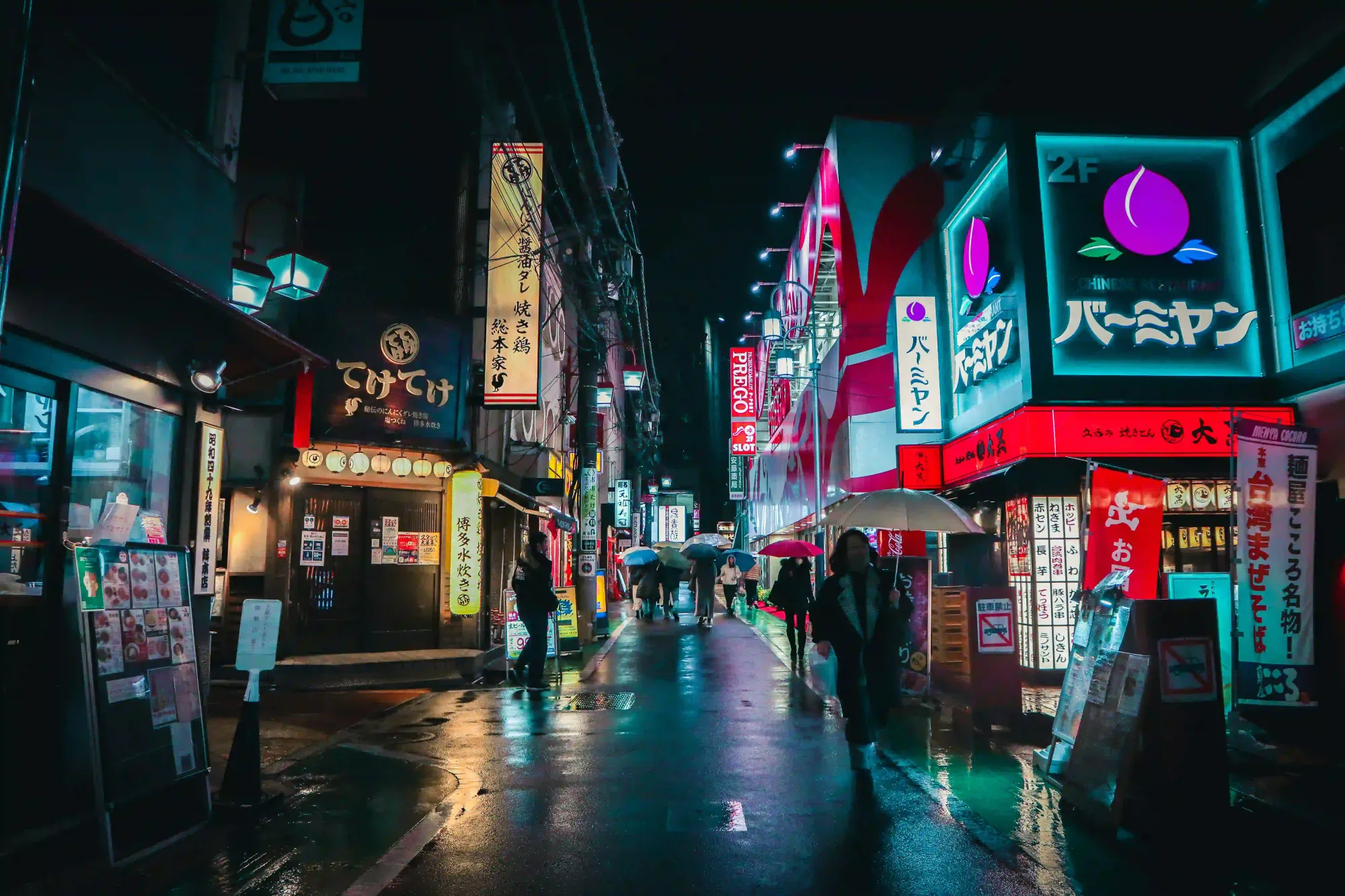
Kyoto, Japan: The Architecture of Slowing Down
In contrast to Tokyo's isolation within a crowd, Kyoto is a space of inward reflection through its very architecture. Its wooden temples and Zen gardens, built upon silence, practice slowing down and being alone as an urban culture, rather than trying to keep pace with the outside world.
Seoul, South Korea: An Architectural Rebellion
The greatest rebellion against traditional community culture unfolds in the streets of Seoul. Transforming the concept of honjok (alone-ness) into architectural design, the city offers single-seat dining booths and silent rooms built for one. This culture of individual silence provides perfect isolation within massive crowds, echoing even on the long KTX train journeys down to Busan.
Taipei, Taiwan: A Safe Haven in the Middle of the Night
Amidst the crowded metropolises of Asia, Taipei carves out a specific space for nocturnal solitude. Hundreds of people quietly spending time in massive 24-hour bookstores in the middle of the night prove how the city creates safe, undisturbed environments for introverted individuals.
Helsinki, Finland: The Nordic Courtesy of Distance
In a city where people leave meters of space between each other at bus stops, physical distance is not alienation, but an unwritten rule of ultimate courtesy. Helsinki protects individual personal space through wide streets and massive, silent libraries, turning the freedom to remain unspoken into a physical reality.
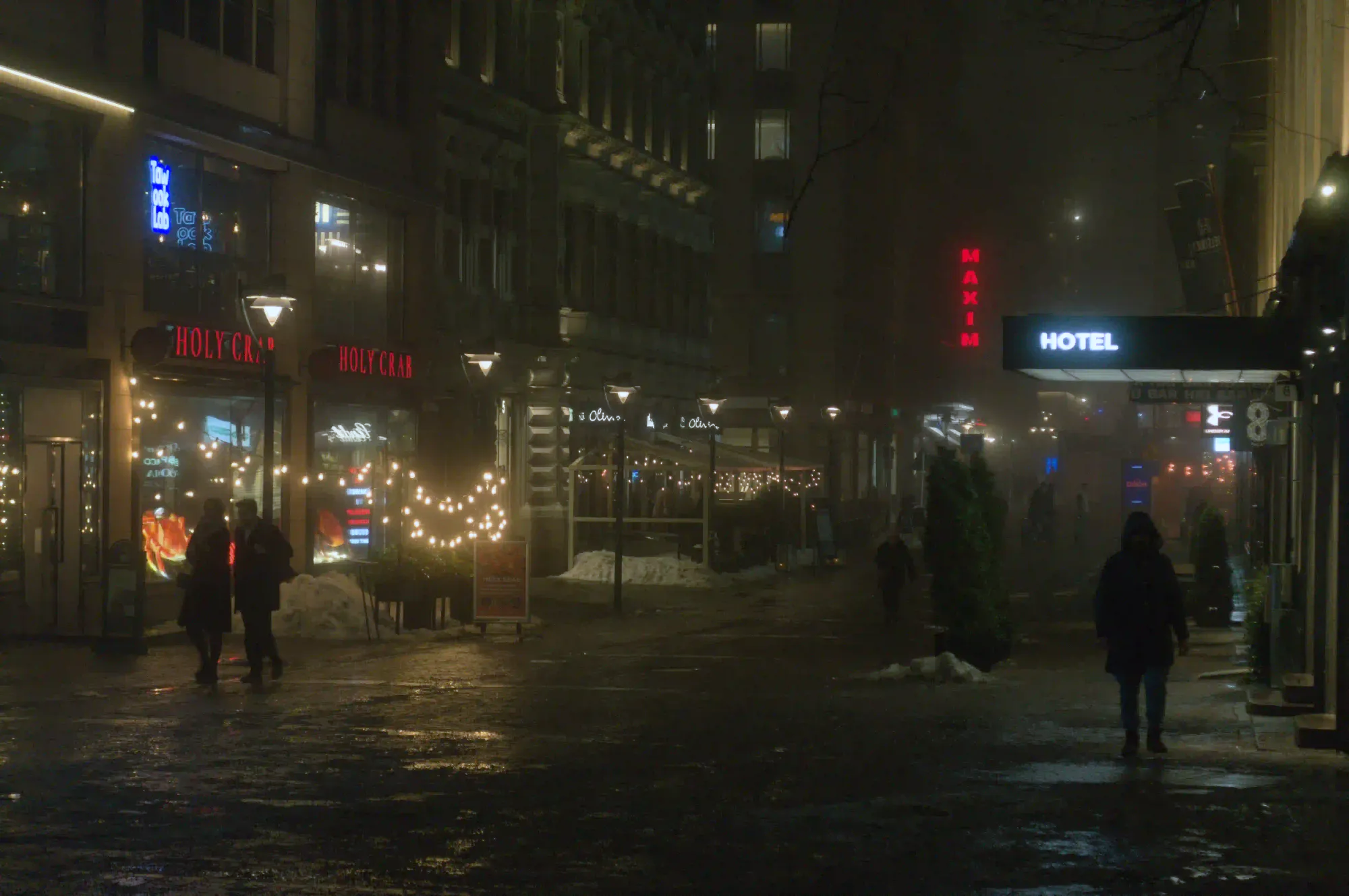
Zurich, Switzerland: Flawlessly Functioning Social Boundaries
In Zurich, where chaos and noise are systematically eliminated, everything operates within a rigid order. The city's flawless and silent functioning protects people from the stress of unexpected social interactions, offering an urban life where personal boundaries are never violated.
Vienna, Austria: The Art of Being Alone in a Crowd
Historic Central European coffeehouses were designed not for constant socialization, but for the art of being alone in a crowd. Never disturbing someone who has retreated behind a newspaper to disconnect from the outside world for hours is one of the city's most definitive social boundaries.
Montreal, Canada: The Underground Neon Sanctuary
A place where the climate divides urban life into a freezing surface and an isolated underground. Montreal's sunless, miles-long subterranean network (RÉSO) shields people from forced social collisions. In contrast to the blizzards above, this neon-lit massive labyrinth offers a surreal sanctuary for those who wish to completely disconnect from the outside world and walk alone.
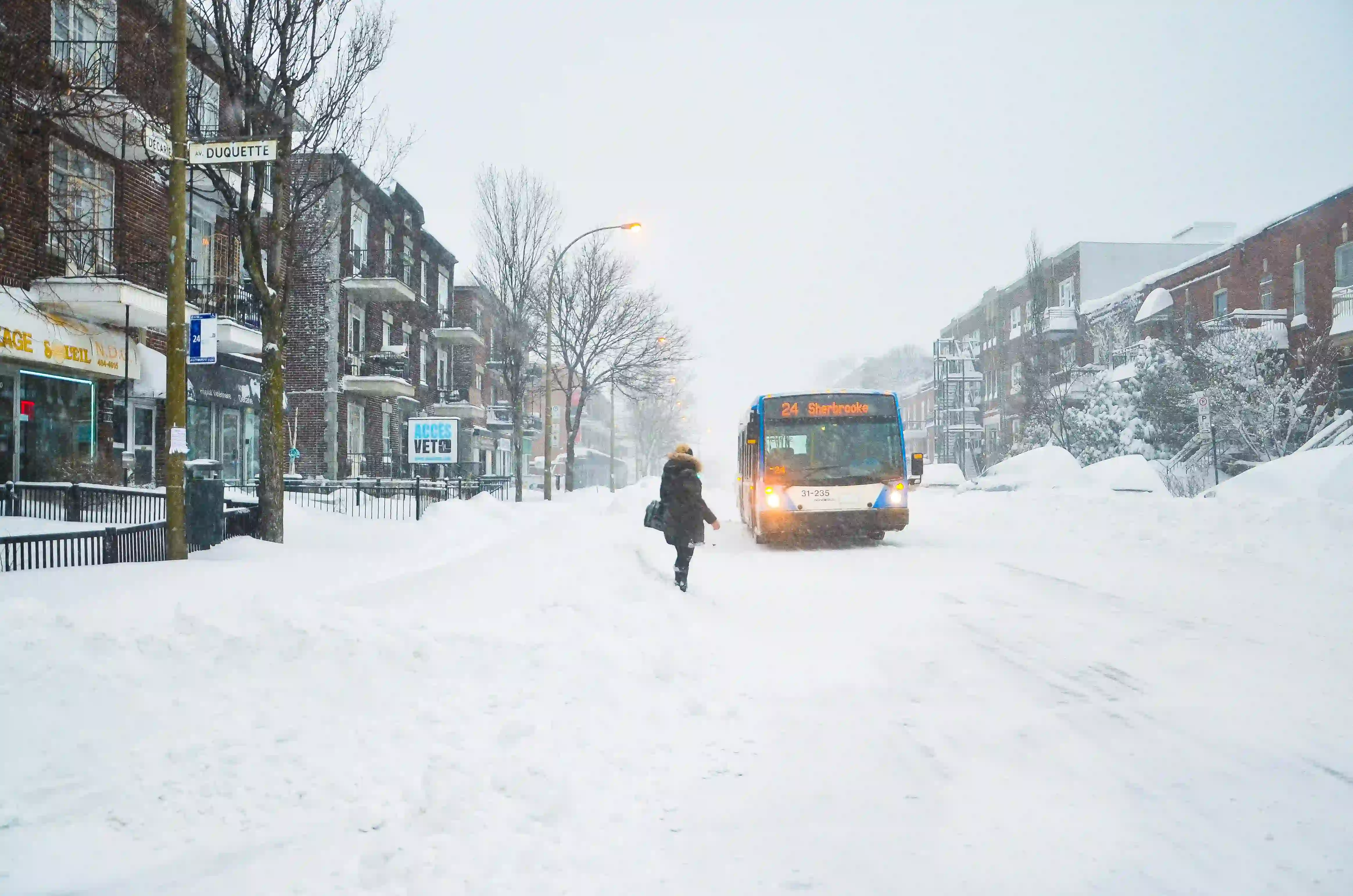
Seattle, USA: The Rainy Refuge of Enclosed Spaces
The overcast weather of the Pacific Northwest makes Seattle a hub for those who seek refuge in coffeehouses rather than noisy outdoor socialization. With its endless rain, the city legitimizes the silence of enclosed spaces without pressuring its residents to be constantly active and outdoors.
Reykjavik, Iceland: Introversion as a Geographical Standard
With its freezing climate and months of darkness, Reykjavik pushes people away from external social chaos and into the silence of interior spaces. Isolated from the rest of the world, this geography eliminates the obligation to be constantly extroverted, making introversion a geographical standard.
Bergen, Norway: Natural Isolation Between the Fjords
Spending most of the year under rain, this geography does not demand constant energy and extroversion from its inhabitants. Its isolated structure, nestled between fjords, turns the city into a geographically constrained, natural sanctuary for those exhausted by the need to stay constantly connected.
Solitude Is Not a Choice, It Is Design
In an era where being constantly accessible has become a mandate, these cities offer silence not as a luxury, but as a standard right. Stepping away from social pressures to be alone within a crowd is the greatest urban freedom that architecture and geography can provide.