The Cities That Demand Consumption: The Silent Death of the "Third Place"
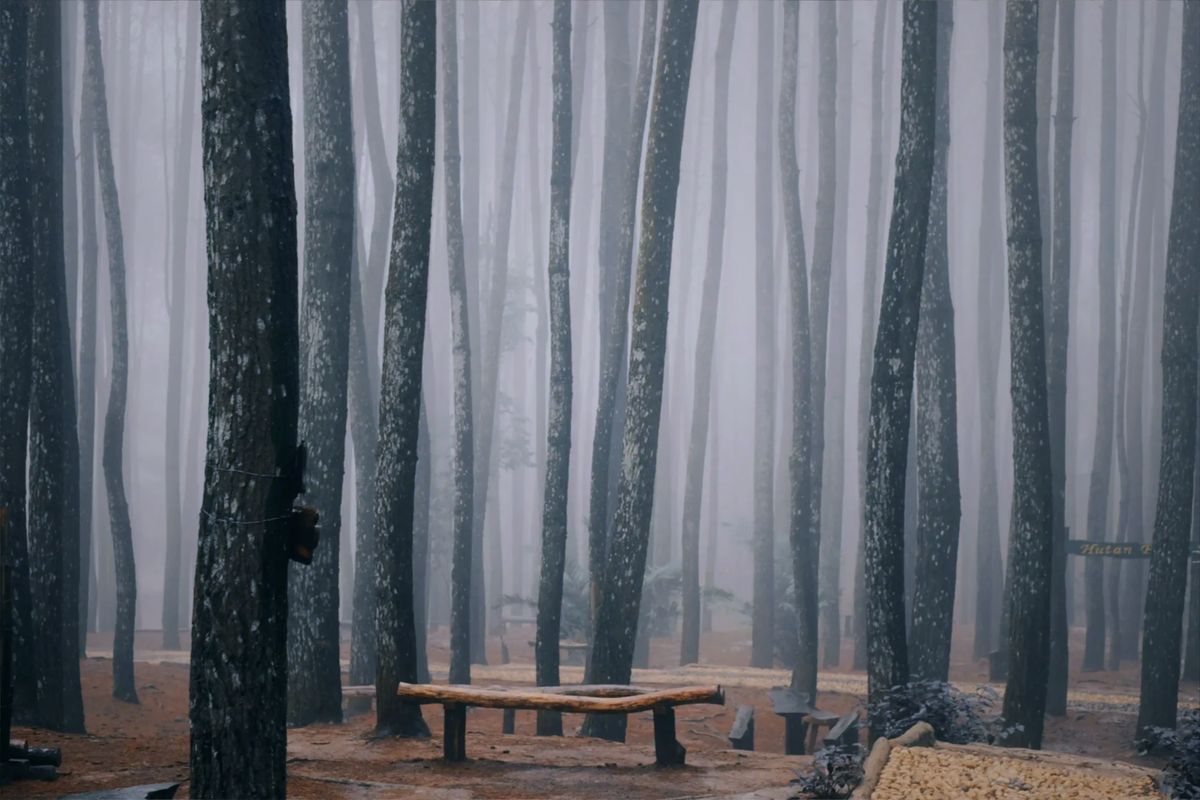
Our endless hunger for remote fjords, isolated forests, or ocean shores does not stem solely from a profound love of nature, as we might assume. The real reason is rooted in a much more structural and confronting reality: modern cities have quietly eradicated the last human spaces where we could simply exist without making a purchase, without engaging in a transaction.
Caught between home and work, this is the story of the sanctuaries modern humanity has quietly lost.
The Collision of Home and Work
Think about your day. Almost all your time revolves around two main axes: your first place, which is your home, and your second place, your work (or your screen). With remote work becoming a permanent fixture, these two worlds have collapsed into one another with a deafening crash.
Today, the space where we rest and take time for ourselves is squeezed into the exact same square footage where we are forced to perform, produce, and cope with stress. The boundaries have blurred; the home is now merely a branch of the office with slightly more comfortable seating.
The Missing Piece and Sociological Equilibrium
It is precisely here that the vital concept introduced to sociology years ago by Ray Oldenburg comes into play: Third Places.
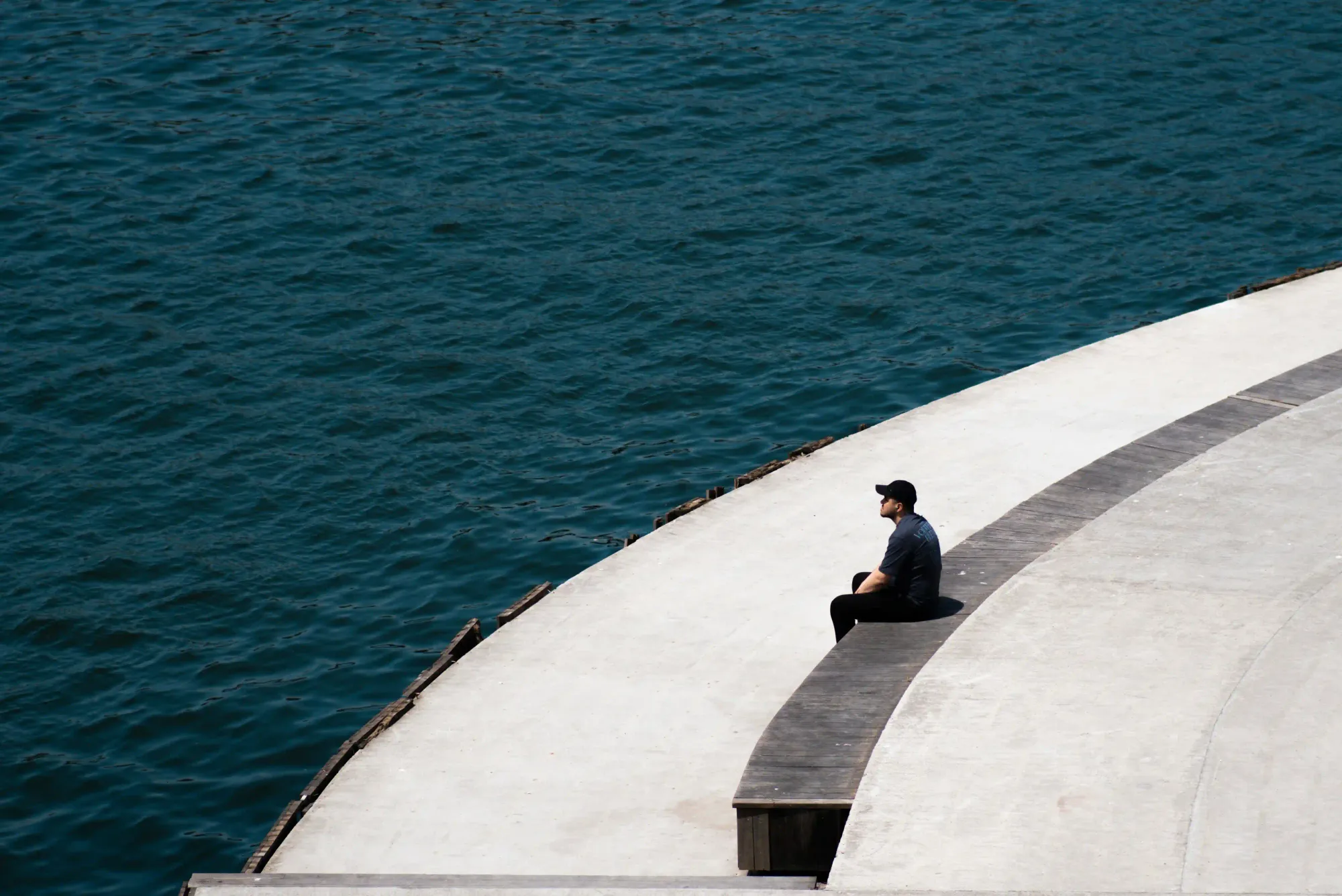
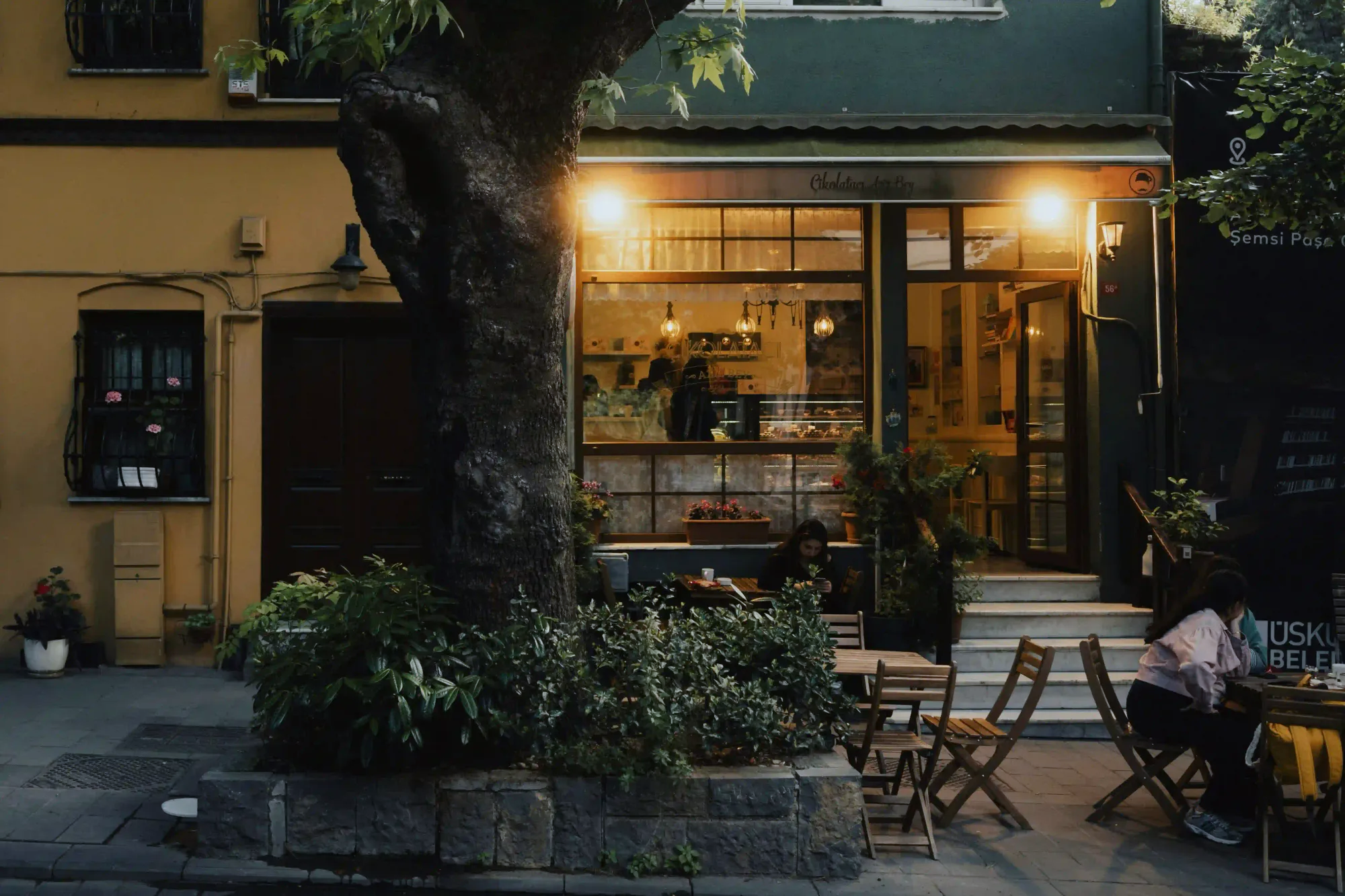
This is neither the office where you report to a boss nor the home where you shoulder family responsibilities. It is that small, independent neighborhood coffee shop, your local bar, an old park bench between apartment blocks, or a quiet bookstore. Third places are neutral zones where social status is left at the door, where no one expects a title or performance from you—where you are allowed to simply be.
The Invisible Power of "Weak Ties"
The true magic of these spaces lies not in providing a place to meet your closest friends, but in forging those delicate networks sociologists call weak ties.
The barista who smiles at you every morning, the neighbor from the next building walking their dog, or the stranger silently reading a book at the next table. Research proves that these brief, expectation-free, and frictionless interactions with people whose names we don't even know are a far more critical pillar for our mental health and sense of belonging than we assume. We anchor ourselves to life and to the city through these weak ties.
Commodified Square Footage and Hostile Design
Today, however, every square meter we step on in the city has been ruthlessly commodified. If you want to sit in a cafe to rest your mind, you are forced into a constant loop of consumption. Linger a little too long on a bench or spend time in a space without buying anything, and you instantly become a "problem" in the eyes of the system.
Meanwhile, public spaces where consumption is not mandatory are being designed with increasing hostility. Benches you cannot lie down on, unshaded concrete squares, depersonalized streets... Modern urban planning sends us a relentless, crystal-clear message: Keep moving, buy something, or go home.
The Real Reason We Escape to Nature
This is precisely why we want to fly thousands of miles to escape to isolated fjords and untouched forests. Our hunger for those magnificent natural sanctuaries is actually a direct result of losing the sanctuaries in our own neighborhoods. A tree in the forest does not expect you to order a coffee to sit in its shade. When the city fails to embrace us, we begin searching for belonging in the wild.
Stop daydreaming about that perfect, faraway vacation route for a moment and look at today, at the place where you live.
Where is your Third Place in your own city? The spot where you can sit for hours, playing no roles, feeling no pressure to buy anything, and just watching the world go by—does that place truly still exist?
— Related Reading: The World's 10 Oldest Hotels and the History Etched in Their Walls