The End of Oak Street: The Illusion of the Suburbs and Our Primal Longing for the Wild
When a sterile neighborhood is violently uprooted into a prehistoric jungle, it reveals a harsh truth about modern life. The End of Oak Street isn't just a sci-fi survival movie; it’s a reflection of our deep ecological alienation and the silent psychological cost of absolute comfort.
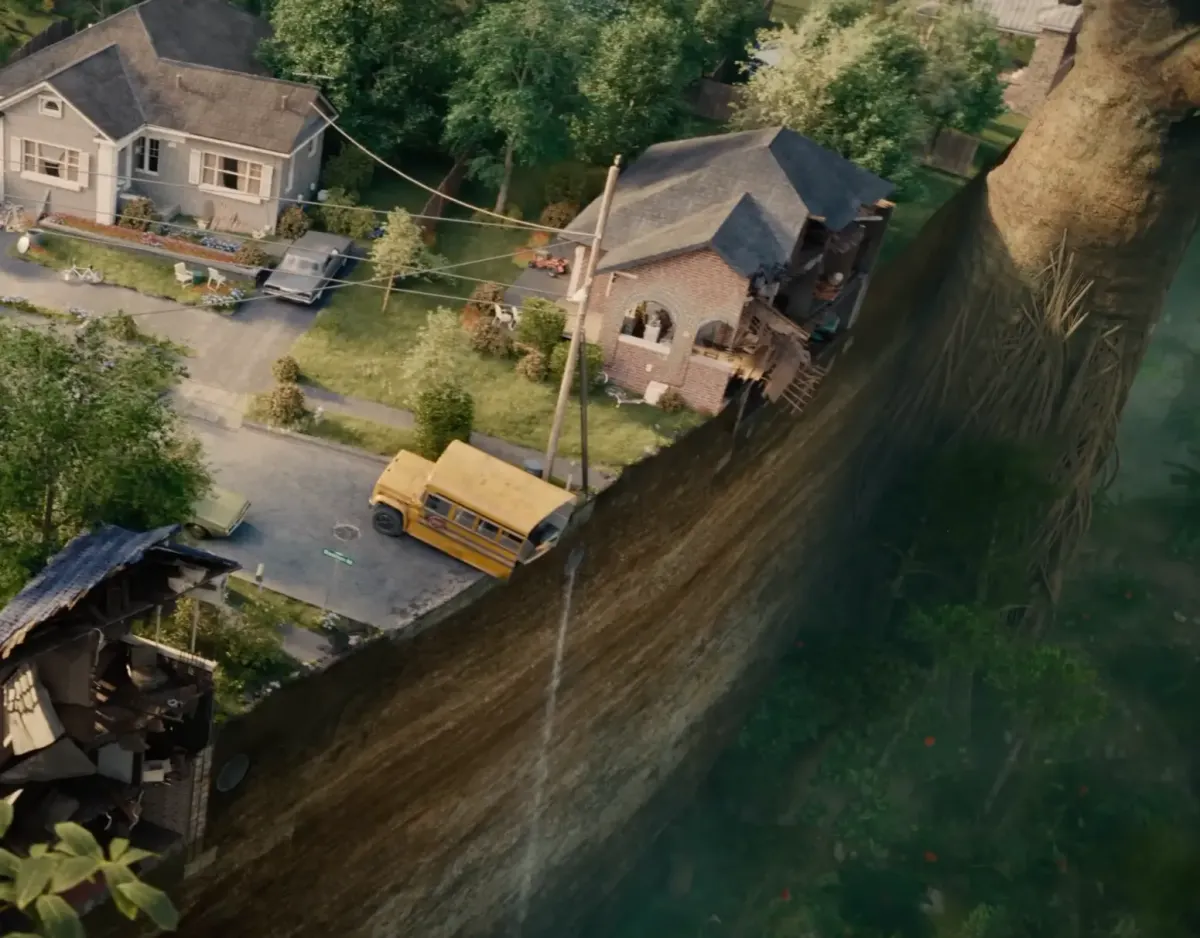
David Robert Mitchell’s upcoming Warner Bros. sci-fi survival film, The End of Oak Street, does not offer a conventional disaster narrative. Starring Anne Hathaway and Ewan McGregor, the film follows a family living in a perfectly manicured, predictable American suburb that is suddenly uprooted by a cosmic event and deposited into a prehistoric jungle crawling with apex predators.
At first glance, this reads as a high-budget popcorn spectacle. Yet, beneath the cinematic thrill lies a profound psychological conflict simmering in the collective subconscious of modern society. Why is humanity—after spending hundreds of thousands of years fighting to escape the brutal, unforgiving elements of the wild to build climate-controlled rooms and fortresses of asphalt—now so obsessed with watching those exact comforts collapse on the silver screen?
Our societal fixation on The End of Oak Street and the broader survival-thriller genre is not merely a quest for entertainment. It is a striking manifestation of modern ecological alienation and the deep psychological isolation born from our own synthetic safety.
The Perfect Illusion of Suburbia and Evolutionary Mismatch
The fundamental promise of modern city planning and suburban sprawl has always been identical: total control, absolute security, and zero unpredictability. Suburbs are sterile shells where raw nature, climatic unpredictability, and physical threats are left strictly at the front gate. However, this architectural triumph introduces a severe conflict with our own biology.
In evolutionary biology, the concept of Evolutionary Mismatch argues that the human brain and nervous system were meticulously sculpted over millennia to respond to the physical threats, sensory stimuli, and open-air conditions of the Paleolithic era. The human nervous system is exquisitely tuned to smell a shift in the wind, distinguish the subtle rustle of a predator's footstep, and make existential decisions that result in immediate physical action.
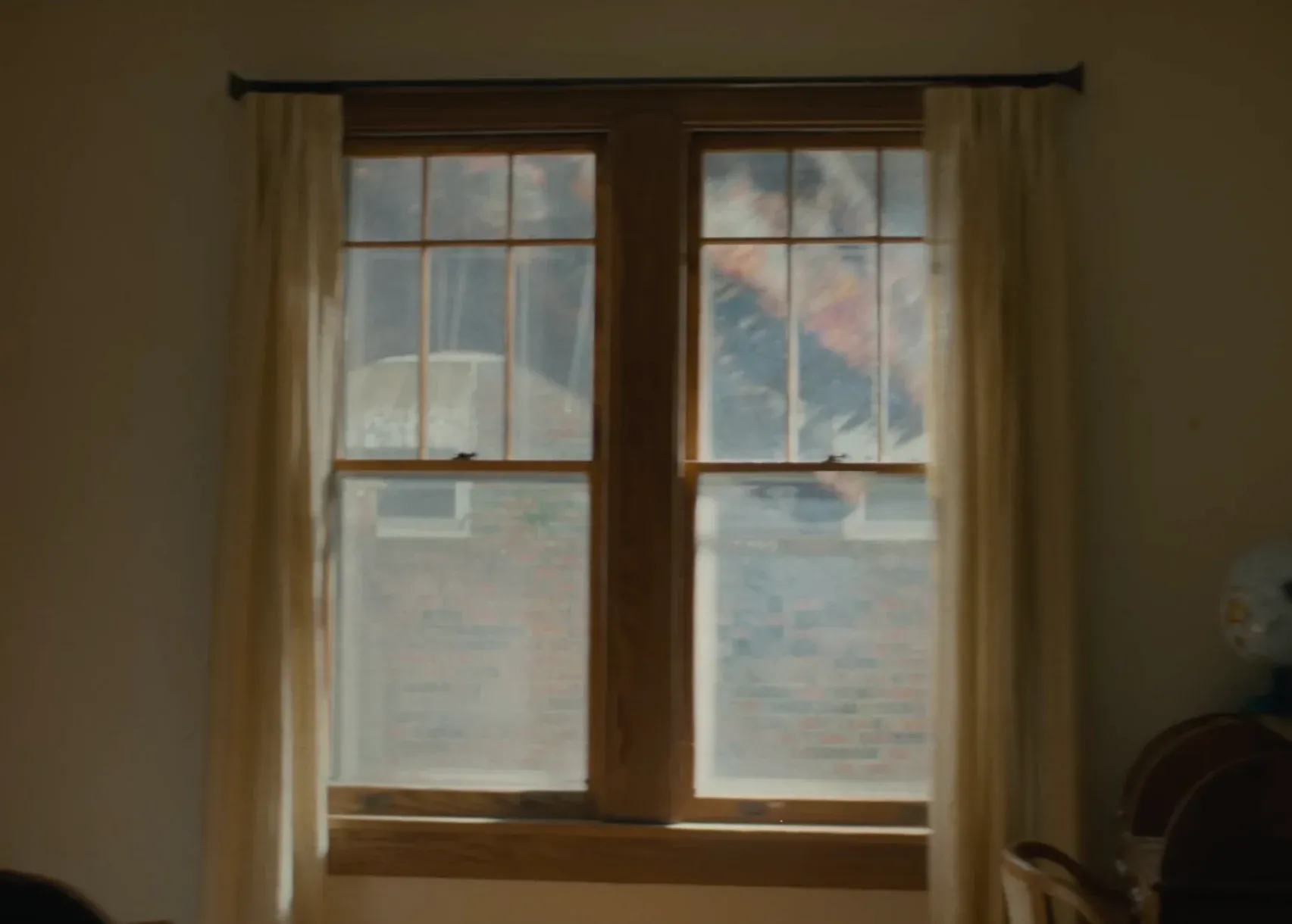
In stark contrast, modern humans are confined within temperature-controlled concrete boxes, trapped in routines that render their physical existence largely passive. The immediate danger has been eradicated, but along with it, the visceral sensation of "reality" has evaporated. Sterile neighborhoods keep us physically safe while mentally anesthetizing us.
The Biophilia Hypothesis and the Era of Abstract Threats
Popularized by the legendary biologist Edward O. Wilson, the Biophilia Hypothesis suggests that humans possess an innate, genetically driven need to connect with nature and other forms of life. According to Wilson, a life completely isolated from the natural world generates an inexplicable, chronic restlessness within the human psyche.
The stress experienced by modern individuals is structurally entirely different from the stress felt by our primal ancestors. The terror triggered by a predator emerging from the brush is sharp, physical, and instantaneous; it demands immediate action—fight or flight. The stress of the modern era, however, is abstract, perpetual, and lacks any physical outlet: mounting credit card debt, looming corporate deadlines, the digital algorithms dictating our social validation, or the crushing weight of institutional hierarchies.
"Modern society eradicated concrete physical threats, replacing them with abstract anxieties that offer no physical release. The fear you experience while outrunning a predator has a definitive end; the chronic anxiety you feel while staring at a glowing screen of unread notifications does not."
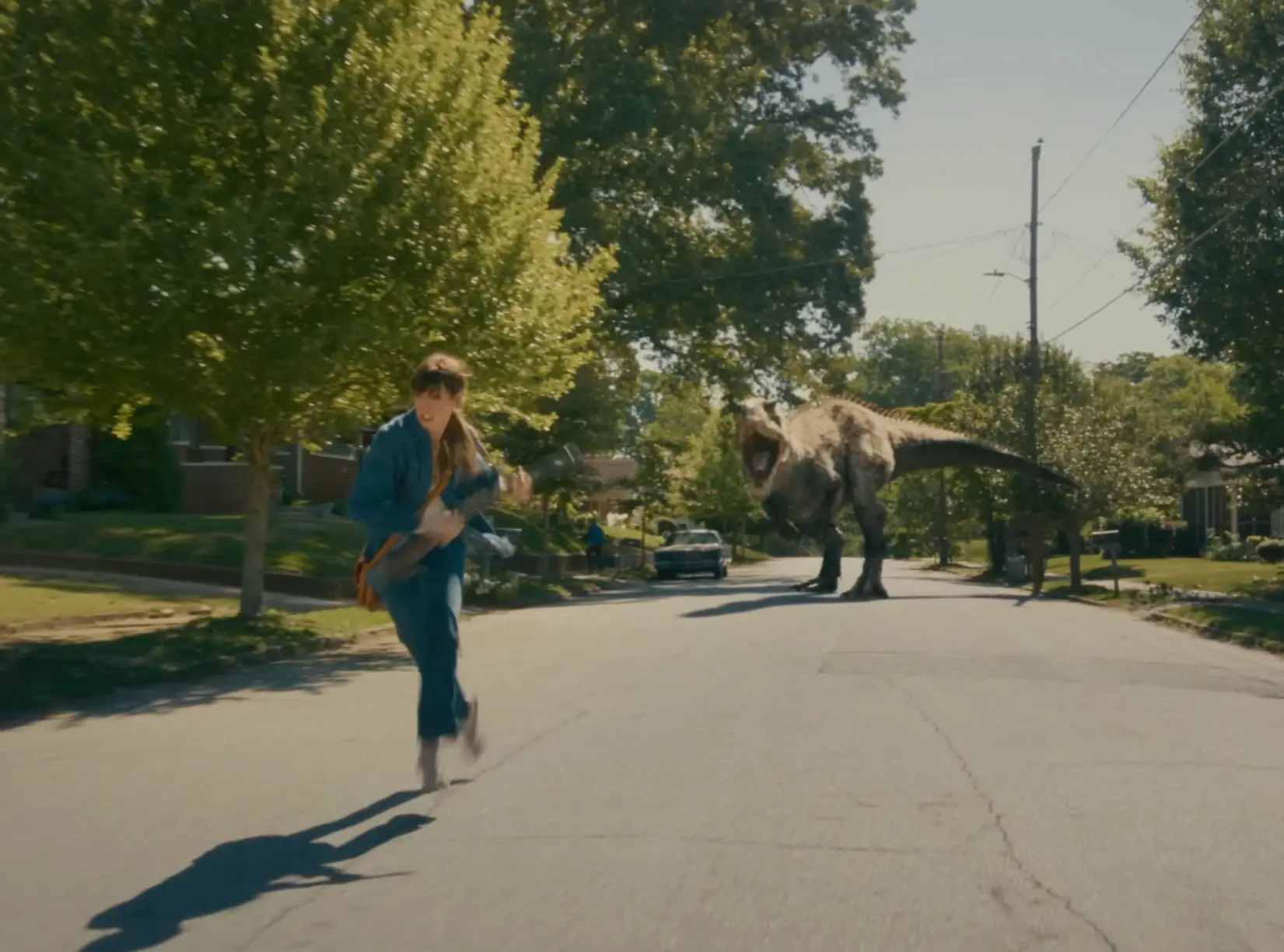
This is precisely why narratives where a quiet neighborhood is violently thrust into a primordial wilderness evoke a bizarre sense of relief in the audience. In this scenario, abstract modern anxieties instantly evaporate, replaced by the most honest, unadulterated form of existence: the physical struggle to survive.
Nature Deficit Disorder and the Survival Fantasy
Author Richard Louv coined the term Nature Deficit Disorder to describe the psychological toll—ranging from depression to attention deficits and a collapse in existential meaning—that individuals and societies suffer as they alienate themselves from the natural world. Louv frames this not as a medical diagnosis, but as a severe socio-ecological crisis engineered by modern lifestyles.
The cinematic trope of "culture collapsing and nature reclaiming control" is the fantasy manifestation of this exact deprivation. Naturally, no one actually wants to be hunted by an Allosaurus or die of dehydration. Yet, people quietly yearn for a world where every decision carries immediate, tangible weight—a reality where hypnotic screens and fabricated societal rules lose their jurisdiction.
Cinema serves as the mirror for a society's repressed primal desires. In The End of Oak Street, the Platt family is forced to abandon their lawnmowers and luxury vehicles, clinging only to their primal instincts and to one another. This mirrors the modern family's desperate search for the "authentic connection" that comfort has quietly eroded.
The Craving for Reality in a Synthetic Age
Ironically, the marketing campaign for The End of Oak Street accidentally proved the film's underlying philosophical thesis. When Warner Bros. attempted to promote the film using a generative AI video—featuring the movie’s dog, Starbuck, on an AI-generated canine podcast called Goldie & Frenchie—social media users revolted. The campaign was widely mocked and heavily criticized for feeling "soulless" and synthetic.
This visceral public backlash against an AI-generated marketing stunt perfectly aligns with the subtext of the film itself: In an increasingly synthetic world, humanity harbors a deep exhaustion toward everything artificial and a desperate craving for blunt, unpolished reality.
It is the defining paradox of our time: a film that literally rips humanity out of its concrete structures and throws it into the arms of untouched, million-year-old nature, marketed using the most artificial, disconnected technology available.
The Forest at the End of Comfort
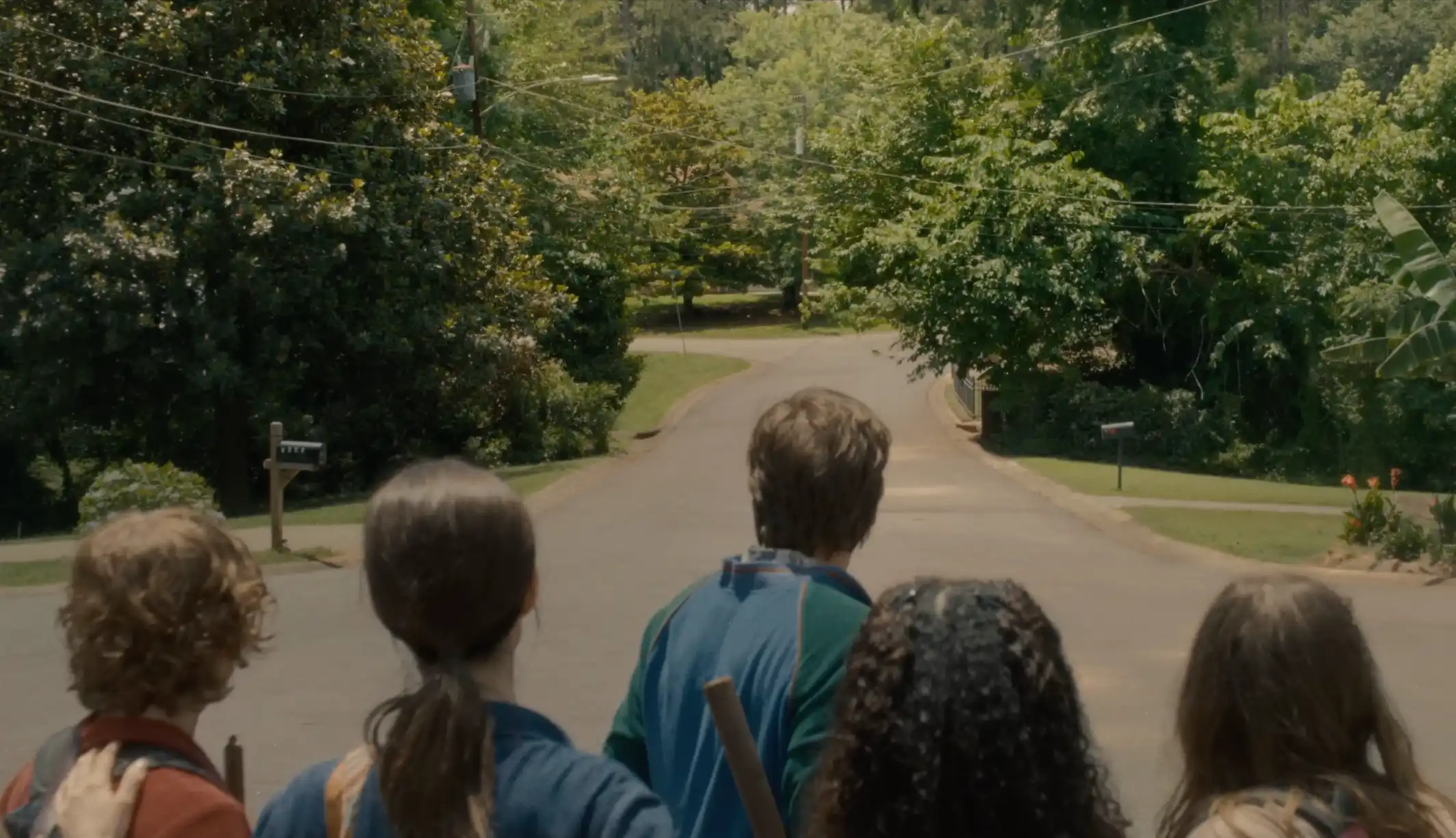
Oak Street is not merely a fictional avenue; it is a symbol of the sanitized habitats modern humans have built for themselves—spaces stripped of all surprise and danger, but equally drained of color and vitality.
As long as we continue to deadbolt our doors, surround our manicured lawns with high fences, and experience nature solely through high-definition wallpapers on our monitors, our primal biological memory will continue to protest. Our fascination with fictional apocalypses, untamed jungles, and the collapse of the system is the quiet confession of a species mourning the artificial cage it built for itself.
Perhaps the real question we must ask is this: Do we truly have to wait for our neighborhood to be cosmically transported into a prehistoric jungle to feel alive, or can we voluntarily step out of our sterile comforts and finally face our ecological roots?
— Related Reading: The Art of Witnessing: 7 Documentaries That Will Change Your Relationship With the Planet