250 People Cut Off From the World: How Flawless Comfort Destroys Belonging
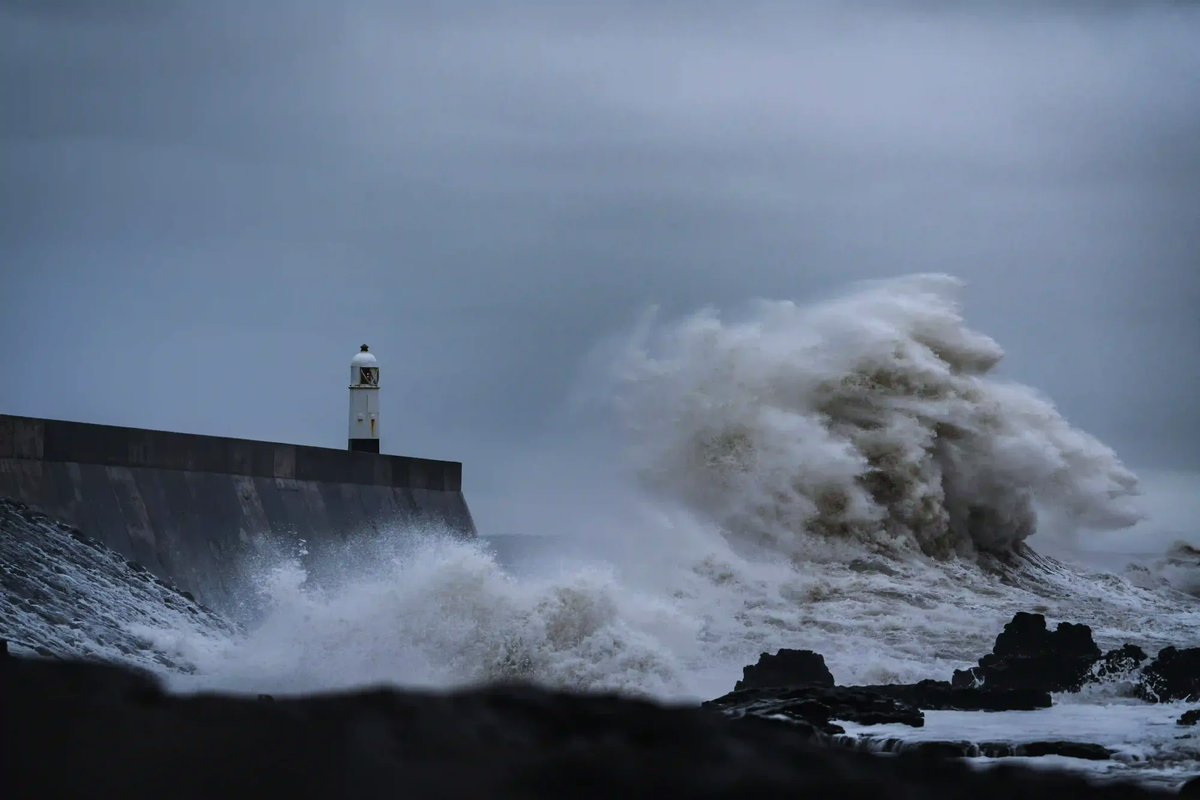
When you open a map and search for the most isolated inhabited island on Earth, Tristan da Cunha appears as a microscopic speck lost in a massive expanse of blue. It is so far removed from any mainland that its geographic coordinate alone is a physical challenge. Located 2,700 kilometers from South Africa and approximately 4,000 kilometers from South America, there is absolutely no way to fly to this volcanic rock. Anyone wishing to set foot on the island must endure exactly seven days of a grueling ocean voyage, with nothing in sight but colossal waves and the unbroken horizon.
Upon arrival, what greets you is not a tropical paradise, but Queen Mary's Peak, an active volcano rising 2,060 meters right from the center of the island. Today, a small community of just 250 people—descendants of the original settlers from 1816—lives under the ceaseless, deafening roar of the South Atlantic Ocean. Their existence is not tethered to the aesthetic landscapes or consumption habits of modern cities; it is anchored directly to the unforgiving physical realities of the ocean and the dirt.
The "Potato Patches" and Organic Unity
Surviving on Tristan da Cunha is never an individual pursuit; it is a collective necessity. The islanders farm shoulder-to-shoulder on communal plots they simply call the "Potato Patches," and they extract lobsters—the island's sole economic backbone—from the perilous, freezing waters together.
This closed ecosystem strictly rejects any external intervention. Foreigners are legally prohibited from buying land or settling permanently on the island. On Tristan, belonging is not a status that can be purchased with a title deed or a bank account. Here, belonging is an organic bond earned firsthand: by withstanding severe storms together, by swinging a hammer in the freezing rain until dawn to repair a neighbor's torn-off roof, and by inheriting a generational memory of endurance. Life is harsh, textured, and demands continuous physical effort. Yet, this relentless friction has a profound side effect: the individuals absolutely need one another to survive.
1961: An Involuntary Exile to Perfection
However, this isolated and tightly knit existence was abruptly shattered by the Tristan da Cunha 1961 volcano eruption. When the peak at the center of the island awoke and began tearing the earth apart, the entire population of 250 was hastily evacuated. Picked up by the British Navy, the islanders endured a weeks-long journey only to find themselves relocated to their nominal motherland: England.
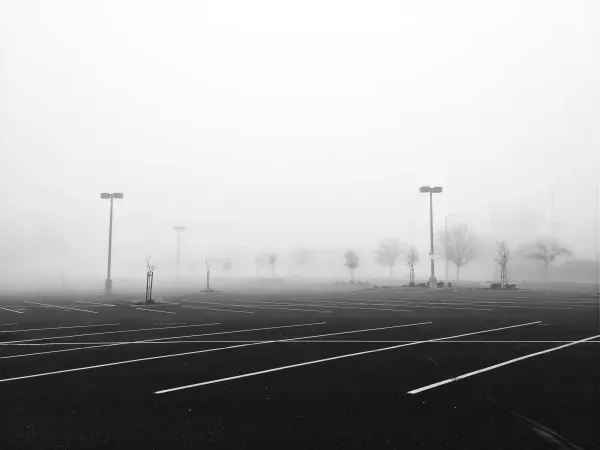
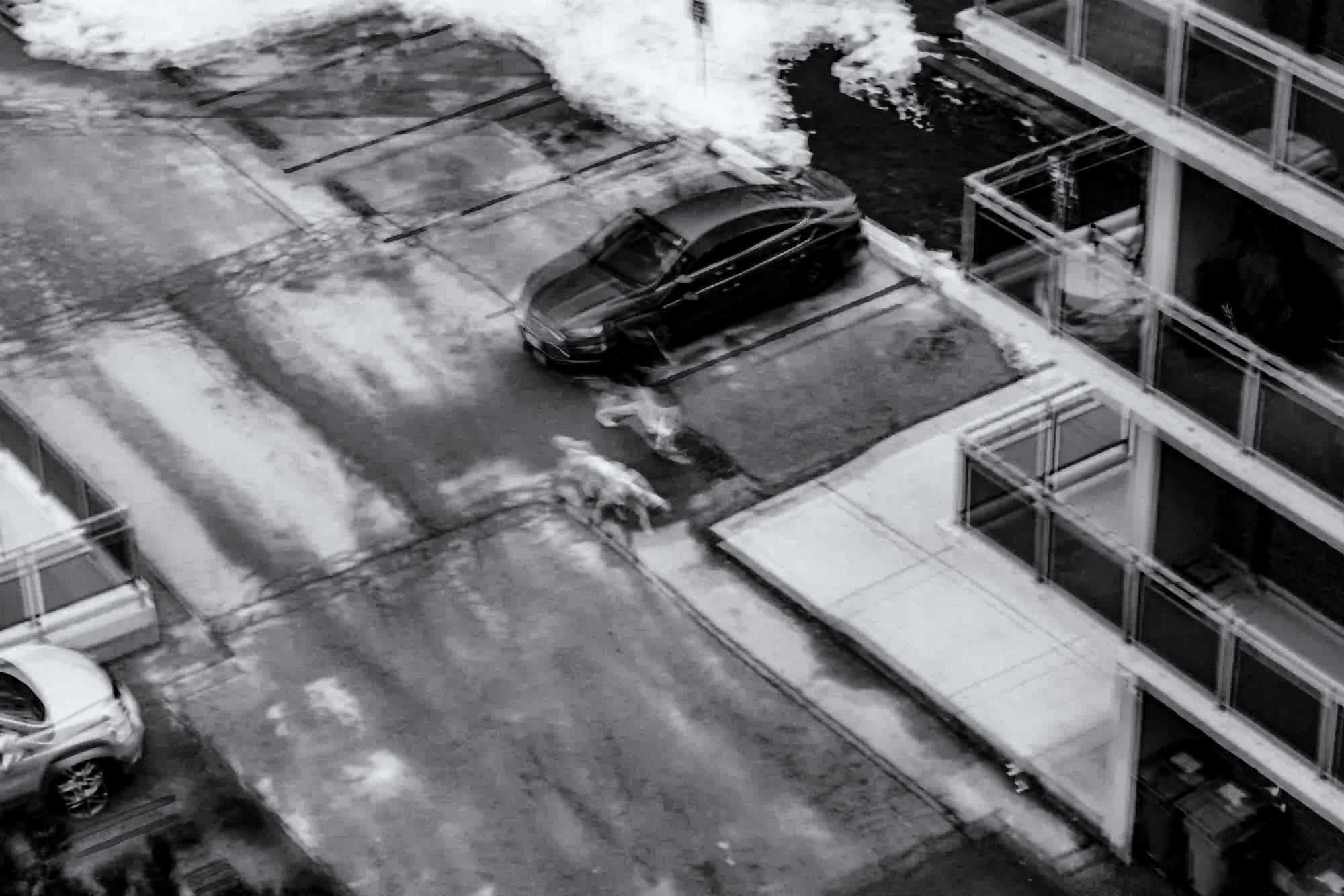
It was the early 1960s, and London was a massive, thriving metropolis that had shaken off the ruins of the Second World War, rapidly climbing to the peak of consumer culture and flawless infrastructure. For the very first time in their lives, the Tristan islanders were introduced to modern convenience. They experienced hot water flowing effortlessly from a tap, homes warmed by central heating, food presented in plastic wrap on supermarket shelves instead of being wrestled from the soil, and streets paved with smooth, predictable asphalt.
There was no physical danger. There was no need to battle ocean currents, calculate the trajectory of a storm, or stand guard at night to prevent crops from freezing. London offered them the ultimate illusion of comfort: an environment that masked all of humanity's vulnerabilities against nature, where everything was served instantly and effortlessly.
The Alienation of Frictionless Living
Flawless infrastructure doesn't just eliminate humanity's struggle against nature; it quietly eradicates humanity's organic need for one another.
This boundless comfort offered to them in London lasted only two years. Because the reality the islanders discovered in this modern "paradise" was distinctly cold. In a world where everything was served without effort, their absolute reliance on one another had silently evaporated.
To eat dinner on Tristan da Cunha, you had to navigate the ocean with your neighbor, read the wind, and protect each other's lives. In London, dinner was acquired simply by handing a few coins to a cashier. People no longer needed their neighbors; they only needed the system and its supply chains. This modern architectural and social design—what we now call "frictionless living"—had eliminated physical obstacles, but in doing so, it had also destroyed the very friction that created societal bonds. What tied these people together wasn't their shared successes, but their shared struggles. When that struggle was removed, what remained were isolated individuals, alienated within a bubble of perfect convenience.
The Return to the Volcanic Rock
At the end of those two years, to the absolute bewilderment of the British government and sociologists, something incredible happened. Almost the entire community flatly rejected the modernity that promised instant access to everything. In a formal vote, they chose to leave behind the central heating, the paved roads, and the supermarkets, opting instead to return to the most desolate volcanic rock in the world.
They returned because they had realized a fundamental truth: merely occupying the same physical space is not enough to truly belong somewhere, or to someone. A genuine sense of community can only be forged when you stand shoulder-to-shoulder against a storm. Rather than enduring the isolating coldness of modern comfort, they chose the unifying hardship of the volcano and the ocean.
Today, modern urban architecture and technology are strictly programmed to eliminate every physical obstacle in your life, seeking the shortest routes and ensuring you can attain everything from where you sit, without the slightest friction.
But in those frictionless comfort zones where you endure no hardships, weather no storms, and shed no communal sweat, how rational is it to believe you truly belong anywhere?