Will Earth Lose Gravity on August 12? The Truth Behind a Fake Apocalypse and the Climate Crisis We Refuse to Face
Millions panicked over a viral rumor claiming Earth is losing gravity for 7 seconds on August 12. While NASA debunked the fake apocalypse, a real gravitational crisis is unfolding right now. As ancient ice sheets melt, humanity is quietly rewriting the physics of the planet.
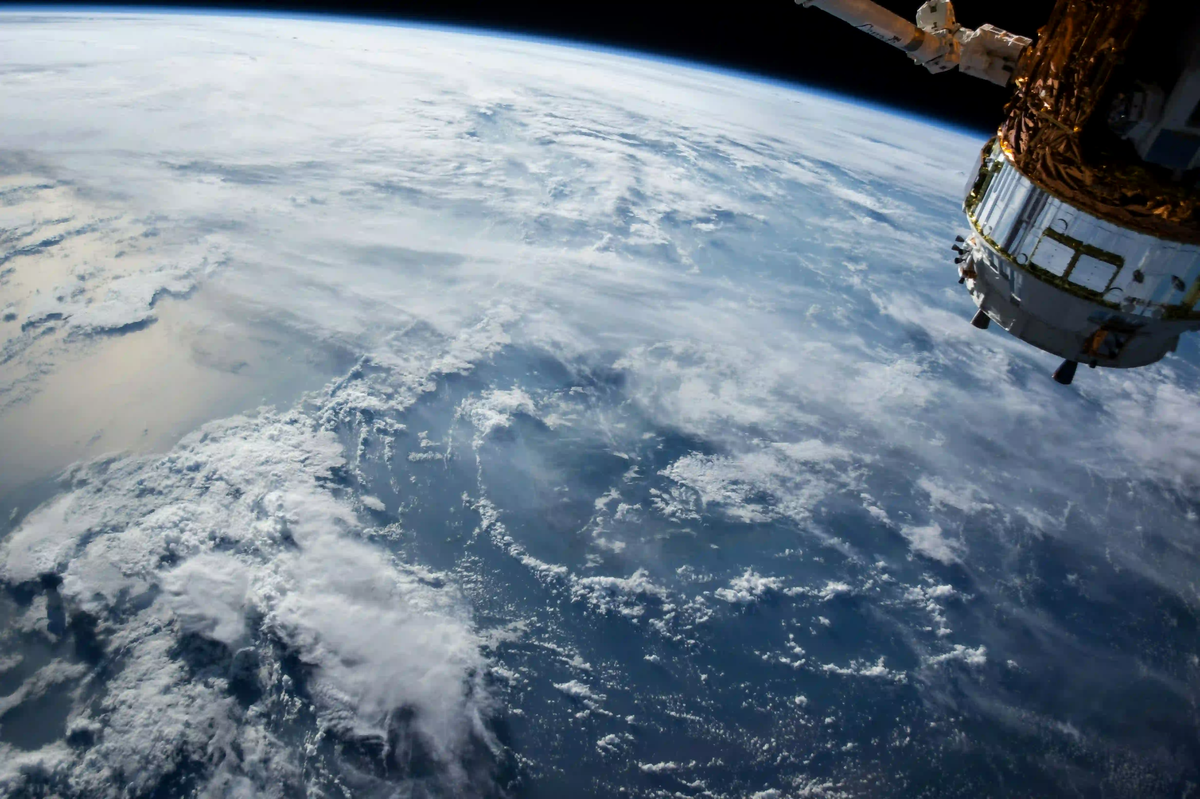
As the morning of August 12, 2026, dawned, millions of people awoke asking a highly specific, yet terrifying question: Is the Earth losing gravity? Whispers of an "August 12 NASA gravity warning" and a classified initiative known as "Project Anchor" rapidly morphed into a global panic. According to this viral claim, the Earth would lose its gravitational pull for exactly seven seconds today. Buildings would shatter, oceans would rise, and tens of millions would perish. The foundation of this hysteria was a completely fabricated narrative suggesting NASA had leaked a secret document and was quietly building underground bunkers to protect the elite.
That such an absurd scenario was accepted as reality and researched by millions is a striking testament to the disinformation plaguing the modern era. However, the true editorial and philosophical weight of this event lies not in NASA debunking the claim, but in a profound irony: while millions panicked over a fictional, momentary loss of gravity, we are completely ignoring how we are permanently rewriting the Earth's gravitational map with our own hands.
"Project Anchor" and the Anatomy of a Digital Lie
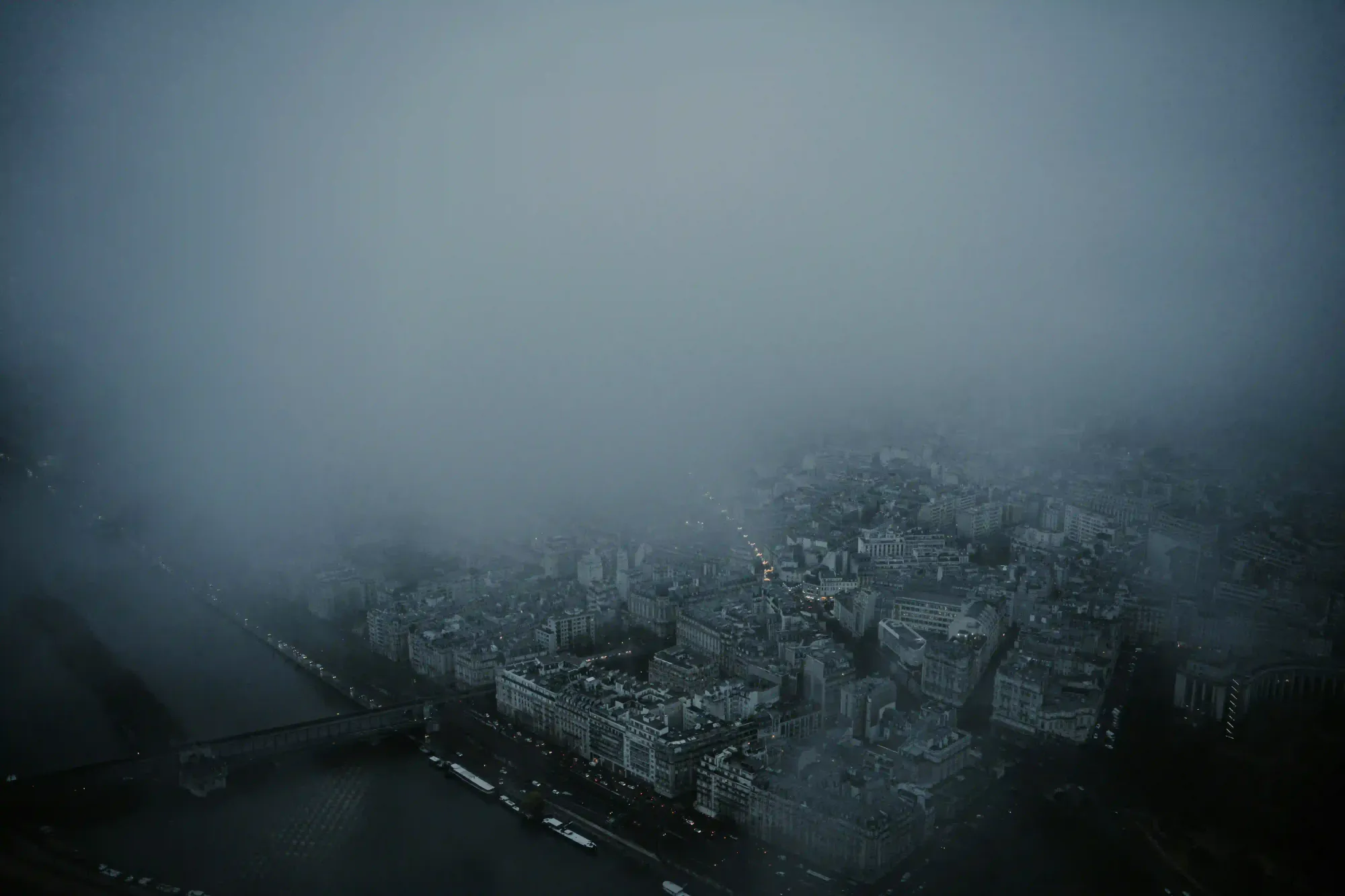
The conspiracy theory that swept across social media was nothing more than a cleverly orchestrated AI fabrication. According to the rumor, intersecting gravitational waves from two black holes would temporarily reset Earth's gravity. For the modern internet user addicted to doomscrolling, this narrative offered perfect disaster pornography.
Faced with this mounting hysteria, NASA was forced to issue a level-headed statement reiterating the fundamental laws of physics. The agency's clarification provided an unequivocal framework for what gravity actually is:
"The Earth will not lose gravity on Aug. 12, 2026. Earth's gravity, or total gravitational force, is determined by its mass. The only way for the Earth to lose gravity would be for the Earth system, the combined mass of its core, mantle, crust, ocean, terrestrial water, and atmosphere, to lose mass. A total solar eclipse has no unusual impact on Earth's gravity."
The laws of physics are unforgivingly simple: gravitational pull is directly proportional to an object's mass. Unless our planet suddenly ejects billions of tons of its physical body into the void of space, it is impossible for gravity to simply "switch off" like an electrical breaker.
Why, then, is humanity so quick to panic over a fake 7-second cosmic glitch? The answer lies in the nature of the catastrophe. A fictional cosmic anomaly demands no accountability. It is a universal accident, entirely out of our hands. Reality, on the other hand, is much harder to accept: We are, in fact, altering the gravity of the planet. And we are doing it not in seven seconds, but day by day, slowly, and irreversibly.
The Unsettling Truth: The Climate Crisis and a Shifting Gravity Map
While the internet is preoccupied with the lie of disappearing gravity, the scientific community is confronting a highly tangible, measurable gravitational anomaly. The source of this anomaly is not a distant black hole, but the colossal ice sheets in Greenland and Antarctica.
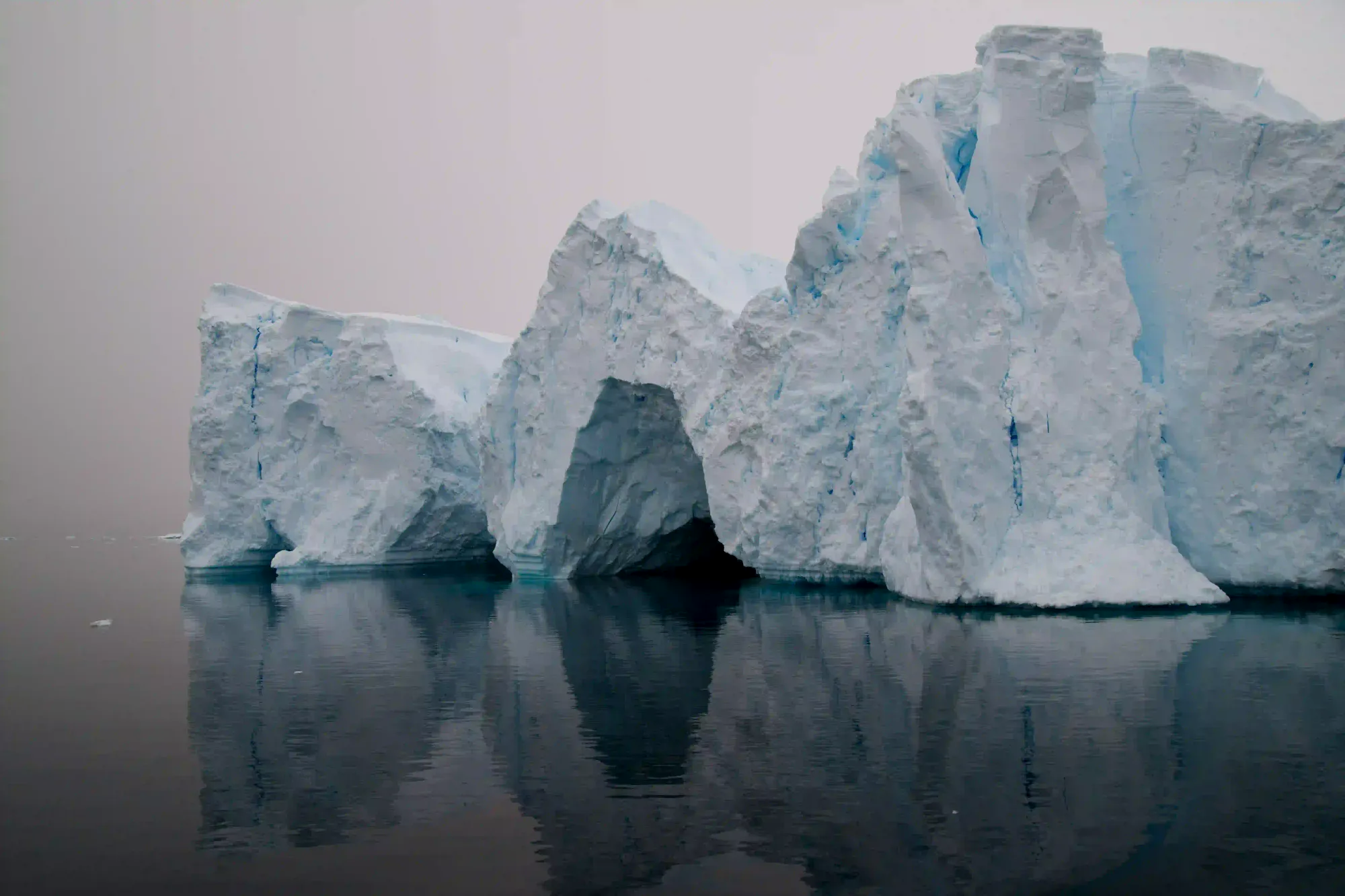
Glaciers do more than simply regulate the planet's climate; due to their sheer mass, they directly dictate local gravitational fields. The ice masses in Antarctica and Greenland are so vast that they generate their own gravitational pull. These silent giants act as colossal magnets, pulling ocean waters toward themselves.
Yet, driven by human-induced global warming, these ancient ice sheets are rapidly melting and bleeding into the oceans. When trillions of tons of ice turn to water, the mass redistributes from the poles toward the equator. This monumental geographic migration of mass is rewriting the gravity map by microscopically altering the shape of the Earth, causing the planet to bulge slightly more at its center.
GRACE Satellites: Witnesses to a Silent Loss
We know this mass redistribution is not a speculative theory, thanks to the GRACE (Gravity Recovery and Climate Experiment) mission, a joint initiative by NASA and the German Aerospace Center (DLR).
The GRACE project consists of twin satellites chasing each other in Earth's orbit. These satellites do not take photographs of the planet; instead, they measure hair-width changes in the distance between them using microwave signals. As the leading satellite flies over a massive geographic formation like Antarctica (which holds high gravity), it is pulled slightly forward, accelerating and widening the gap between the two crafts.
Over two decades of data from the GRACE satellites have proven a chilling reality: The mass loss in Greenland and Antarctica is so severe that the local gravitational pull in these regions is demonstrably weakening. As humanity, we are not losing gravity in a sudden cosmic flash; we are literally melting it away with our industrial smokestacks, relentless fossil fuel consumption, and carbon emissions.
Mass Redistribution and Polar Drift
This shift in gravity carries an even more staggering side effect. Because the planet's mass distribution is changing so rapidly, the Earth has begun to wobble as it spins on its axis. Much like adding a tiny weight to the edge of a spinning top causes it to tilt, the colossal mass of water displaced by melting glaciers is forcing the planet's rotational axis to shift.
Known in the scientific literature as Polar Drift, this phenomenon sharply changed direction and accelerated in the mid-1990s. The North Pole is now deviating from its natural trajectory, drifting toward England at a rate of several millimeters per year. While this might sound like a minuscule measurement, as a mass shift occurring on a geological scale but within a single human lifetime, it is undeniable proof of how violently we are interfering with the planet's mechanics.
Why Are We So Drawn to Fake Apocalypses?
The legend of Project Anchor is a perfect reflection of how we have lost our ability to look at our planet holistically from the outside—a loss of the psychological cognitive shift known as the Overview Effect.
If we truly believed Earth's gravity would vanish for seven seconds today, we would all look out our windows to the sky, waiting helplessly in the face of a supernatural event. In such a disaster, humanity is entirely blameless; capitalism, fossil fuel lobbies, and hyper-consumerist culture have no hand in it. It is a flawless Deus ex machina—a scenario that conveniently absolves us of facing our own fatal errors.
True science, however, presents a much heavier bill. Instead of fearing an invisible gravitational wave from the sky, we must look down at the melting reality beneath our feet. The Earth is not losing its gravity; we are weakening it, day by day, by overheating the atmosphere with our own hands.
For the millions of people typing "when will gravity turn off" into search engines today, the question they should actually be asking is this: If we continue to melt the physical integrity and mass of the planet with our own ambitions, what will be left to anchor us to this Earth?
Fake apocalypses fade from social media algorithms in a matter of days. But the toll of a planet that has lost its mass and balance will fall squarely on the shoulders of future generations—a burden far heavier than gravity itself.
— Related Reading: Jane Goodall's Famous Last Words: Why Does an 'Intelligent' Species Destroy Its Only Home?