The $5,000 Foghorn and Our Inability to Leave the Wild Alone
When a ship’s foghorn wakes a sleeping predator in the remote Arctic, it shatters more than just the silence. This rare penalty exposes a dark truth about modern ecotourism: our deeply rooted, arrogant expectation that the natural world exists merely to entertain us.
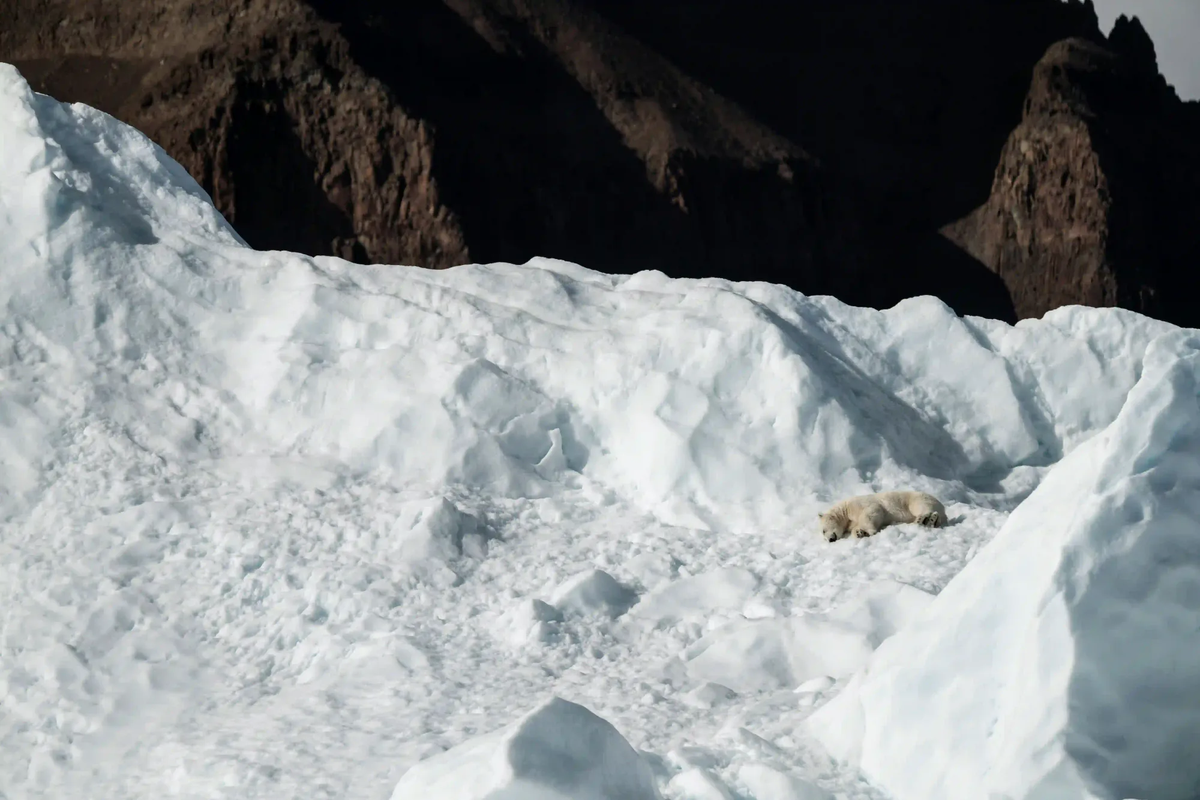
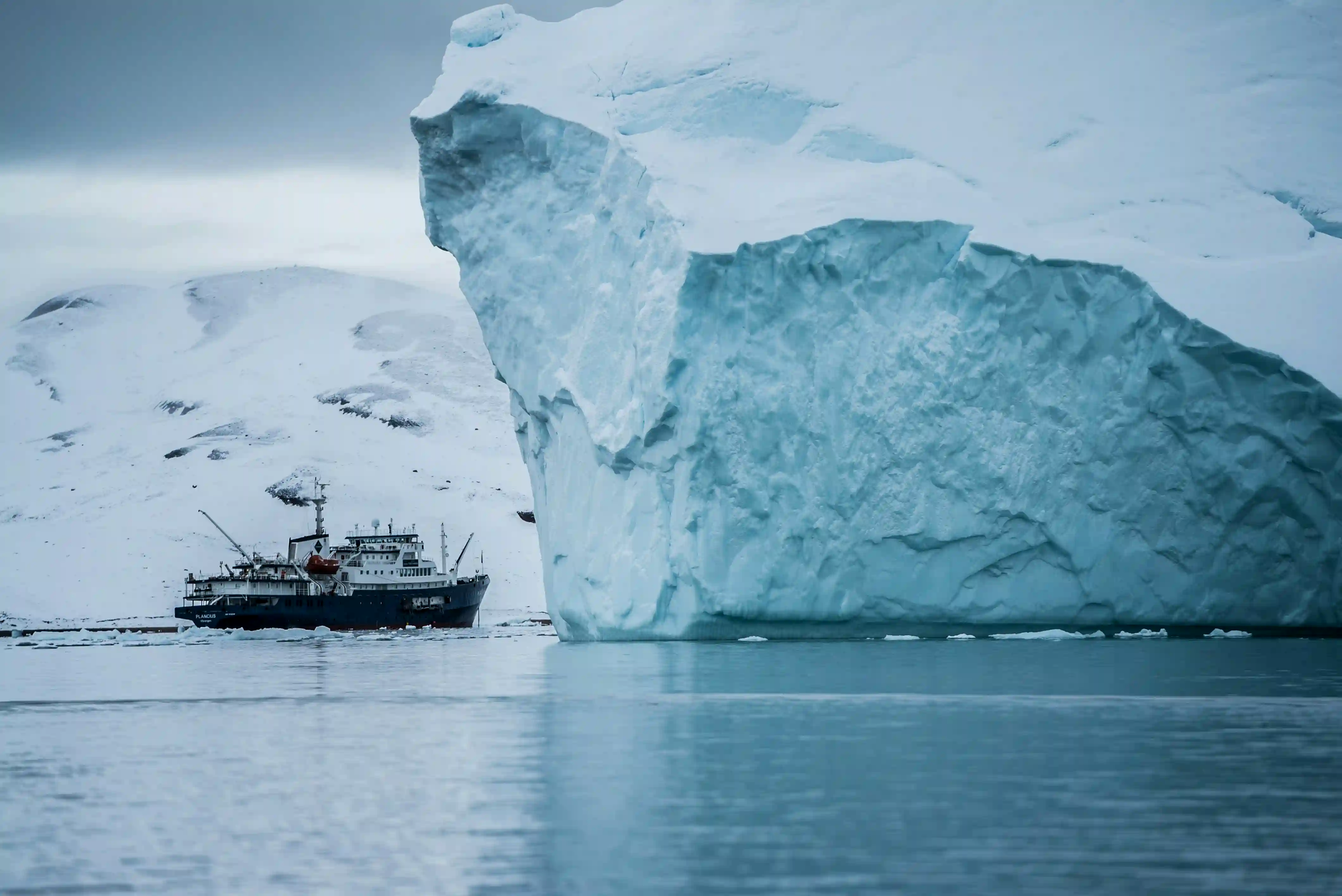
Nearly 1,000 kilometers from the North Pole, in the unforgiving geography of the Svalbard archipelago, a profound silence sculpted by wind and ice prevails. This landscape is a pristine sanctuary, completely isolated from the velocity and noise of humanity, governed by rules written by millions of years of evolution. When passengers aboard a vessel navigating the icy waters of Lomfjorden encountered a massive silhouette resting motionless on the shore, they were witnessing one of the planet's rarest moments: a sleeping polar bear.
The solemn rhythm of this natural scene, flowing entirely at its own pace, proved too much for one person on board to bear. The tranquil stillness of watching a sleeping predator gave way to a sudden urge to intervene, and the ship’s foghorn was blasted. As that deafening, synthetic, metallic sound echoed through the fjord, the startled bear was forced to wake up and abandon the area.
The hefty 50,000 Norwegian Kroner (approximately $5,255) penalty subsequently issued by the Governor of Svalbard went down in legal records as a Svalbard polar bear fine. Discussed across international environmental bulletins under headlines of a Svalbard polar bear foghorn fine, this highly unusual case transcends a simple rule violation. It offers a flawless anatomy of the pathological relationship modern humanity has cultivated with the natural world.
The Theme Park Illusion and Impatient Minds
Modern humans are programmed for an ecosystem that operates "on-demand," where everything is initiated at the push of a button and responds instantly. Movies start whenever we want, and algorithms serve up the most thrilling content in seconds. Our minds have become so accustomed to a state of constant stimulation that even when we step into the wild, we expect it to behave like an interactive theme park.
The depictions of nature we consume in documentaries are largely composed of a few seconds of hunting or fighting scenes, culminating from months of patient waiting. This plants a fallacy in our minds: the illusion that wildlife is in a state of perpetual action. In reality, the overwhelming majority of life in the wild consists of inaction, deep waiting, and the meticulous conservation of energy.
The sleeping polar bear on the shores of Lomfjorden did not satisfy the modern mind's craving for dopamine. The animal was not putting on a "show"; it was simply sustaining its own biological existence. The sounding of the foghorn is a manifestation of the profound impatience humanity holds toward nature. Finding an animal's mere existence insufficient and forcing it to become an extra in our own tourist experience is the most concrete form of anthropocentric hubris.
"Encountering wildlife is not a right; it is a privilege that demands strict adherence to its boundaries. Nature does not owe us a performance. To be a spectator requires respecting the inaction of the wild and rendering our own presence invisible."
Acoustic Sovereignty and the Architecture of Silence
The Svalbard Environmental Act, strictly enforced by Norwegian authorities, explicitly prohibits needlessly disturbing, attracting, or pursuing polar bears. The regulations established for these creatures, which have been protected since 1972, safeguard a highly fundamental component of wildlife: Acoustic sovereignty.
We often envision environmental pollution as oil spilled into the oceans, carbon emissions, or plastic waste. However, anthropophony (human-made noise) is one of the most insidious and destructive forces in the wild. In the Arctic ecosystem, silence is an invaluable survival tool through which animals hunt, sense danger, and communicate.
That ship's horn echoing through the glaciers is a synthetic assault that tears through nature's own internal frequency. This severe fine defends wildlife's "right to remain silent and undisturbed." The fjord is not a tourist's amusement park; it is that bear's home.
The Economy of Energy and the Price of Survival
To fully grasp why waking a polar bear warrants such a severe legal sanction, one must look at the brutal realities of the climate crisis in the Arctic. According to recent data, only around 250 polar bears are fighting to survive across this vast archipelago.
Polar bears are absolutely dependent on sea ice to stay alive. As global warming melts glaciers at an unprecedented rate, the distance a bear must travel to hunt seals—and the energy it must expend—regularly exceeds critical thresholds. Existing in this harsh geography requires flawless "energy economy" management. A bear sleeping on the shore is not experiencing a casual moment of rest; it is executing a vital strategy to conserve the calories essential for the approaching long winter or the upcoming hunting period.
A bear that relocates in a panic triggered by a foghorn burns that uniquely precious energy for a completely meaningless reason. Humanity's quest for momentary entertainment can disrupt a creature's caloric balance for months to come, leaving it face-to-face with an irreversible risk of starvation.
The Ethics of Witnessing
Today, ecotourism expeditions to the most untouched corners of the planet are marketed with the promise of observing nature. Yet, the incident in Svalbard stands as the clearest proof of how quickly tourism can cross the line of witnessing and morph into ecological domination.
To truly experience nature is to accept shrinking and becoming invisible before it. A polar bear sleeping motionlessly on the shoreline is one of the most honest moments nature can offer you. To shatter this moment with an artificial noise is a continuation of that ancient and dangerous delusion that every living thing on Earth must serve humanity.
That sleeping bear on the shore is, in fact, posing a very fundamental question to us all:
When we leave our sterile homes and travel to the last pristine corners of the earth, are we truly going there to be silent students of the world, or are we simply carrying our own internal noise and arrogance into the heart of the wild?
— Related Reading: The Art of Witnessing: 7 Documentaries That Will Change Your Relationship With the Planet