Visual Silence: What Happened When a Megacity Banned All Outdoor Advertising?
What happens when a megacity outlaws its urban wallpaper? In 2007, São Paulo banned all outdoor advertising. But as the billion-dollar marketing veneer fell, it didn't reveal architectural beauty. Instead, it exposed hidden favelas, extreme poverty, and a profound urban identity crisis.
We willingly pay premium subscription fees every month just to block advertisements on our phones and laptops. We purchase software to protect our digital sanctuaries and rely on ad-blockers to ensure our attention is not constantly commodified. Yet, the moment we step outside, we remain remarkably silent as our public spaces, civic architecture, and skylines are hijacked for free by massive corporations.
This exact paradox wasn't just questioned in 2007 in São Paulo, a metropolitan area of nearly 20 million people; it was transformed into an unprecedented, radical act of urban rebellion. The city government took a step previously unseen on a global scale, officially outlawing all outdoor advertising.
Dubbed "Lei Cidade Limpa" (Clean City Law), this mandate was far more than an aesthetic cleanup resulting in the removal of giant billboards. By taking on a billion-dollar industry, the law ultimately stripped away a colorful facade, exposed a ruthless sociological reality, and plunged the entire metropolis into a profound identity crisis.
Tearing Down the Urban Wallpaper
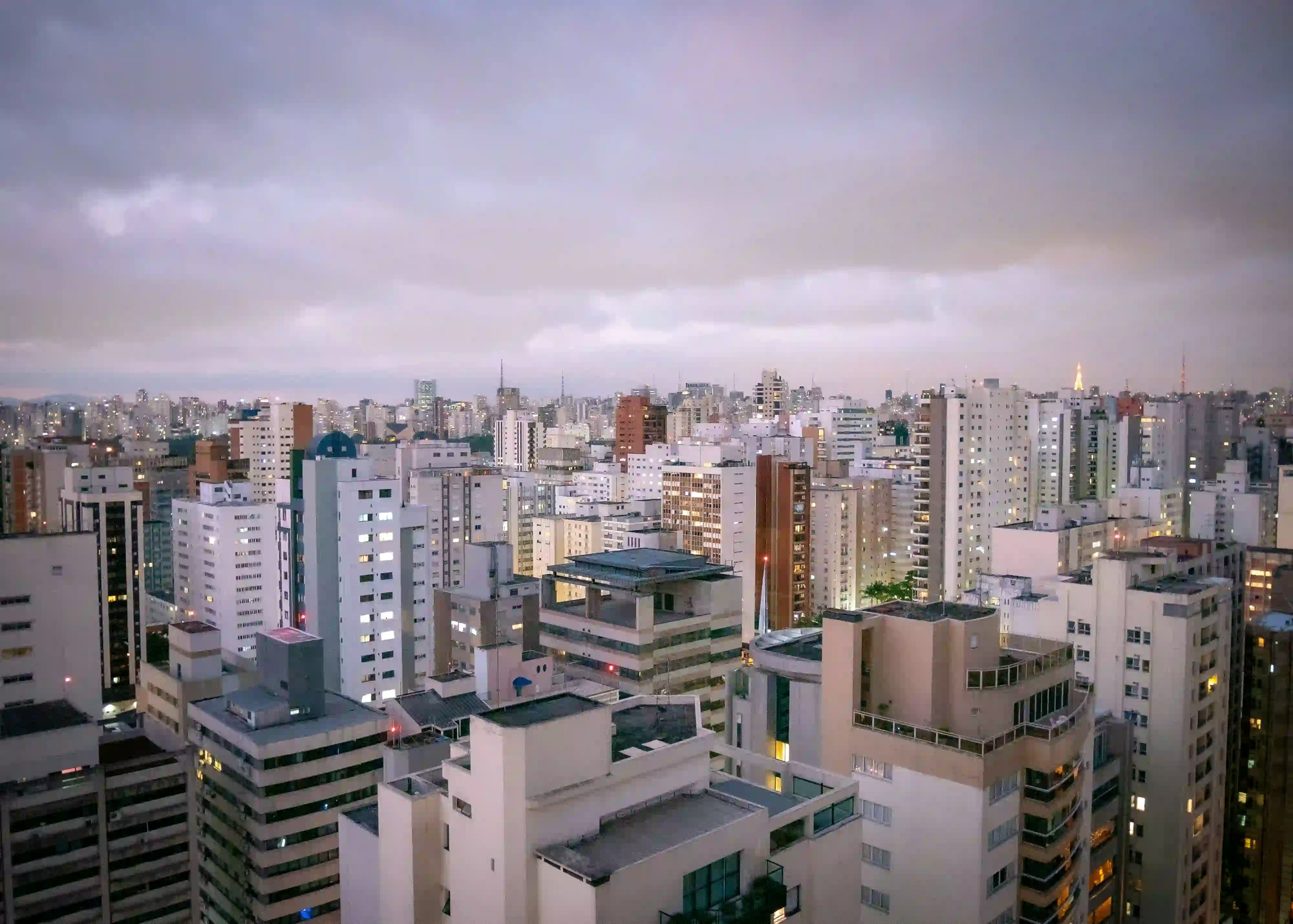
Before the Clean City Law went into effect, São Paulo was suffocating under a dense smog of visual pollution, generated by gargantuan logos, flashing digital displays, and banners occupying every street corner. The aggressive scale of this outdoor advertising had turned the environment into an inescapable "urban wallpaper," consumed daily and involuntarily by the city's residents. This heavy occupation of the visual landscape made it nearly impossible to perceive São Paulo's actual architecture, historic buildings, or authentic street textures.
In response, the municipality moved with unparalleled resolve. The mandate was absolute: 15,000 massive billboards, 300,000 storefront signs, and even the handing out of street pamphlets were banned overnight. Heavy fines awaited those who failed to comply.
Naturally, the lucrative advertising industry retaliated immediately. Sector representatives filed a barrage of lawsuits against the city. Advertisers even resorted to a deeply ironic form of blackmail, arguing that without the artificial illumination radiating from their giant billboards, the streets would be plunged into darkness and crime rates would soar. The government did not back down, initiating one of the largest urban cleansing operations in modern history.
Confronting the Concrete: What Was Hiding in Plain Sight?
When the tarps, signs, and massive screens were finally taken down, São Paulo was left to face a severe urban identity crisis it had long avoided.
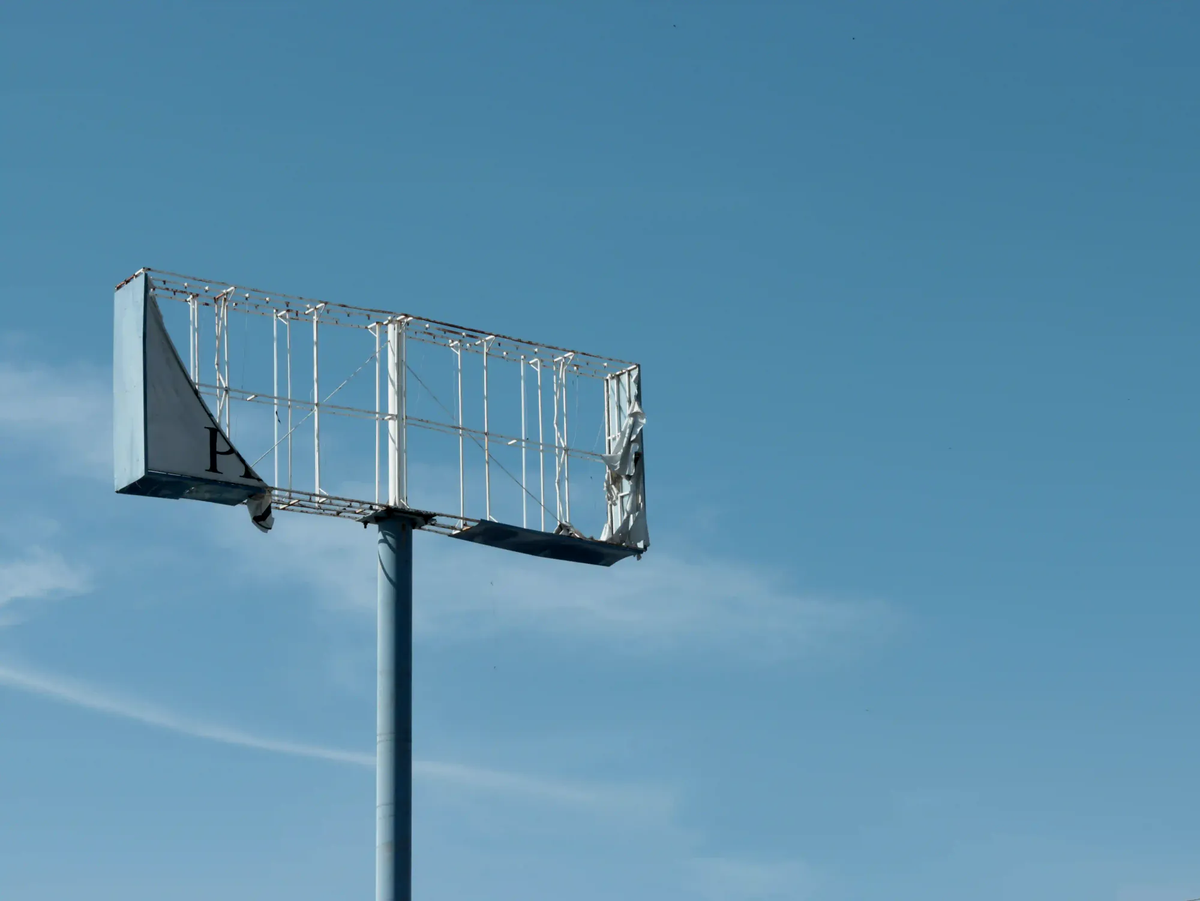
Contrary to expectations, the removal of the ads did not instantly reveal a hidden architectural wonderland. Right behind that vibrant, flawless marketing veneer lay a ruthless, gray concrete jungle. The facades of buildings were left bearing "ghost billboards"—grimy, faded silhouettes and rust marks where advertisements used to hang, which quickly became the city’s stark new landscape.
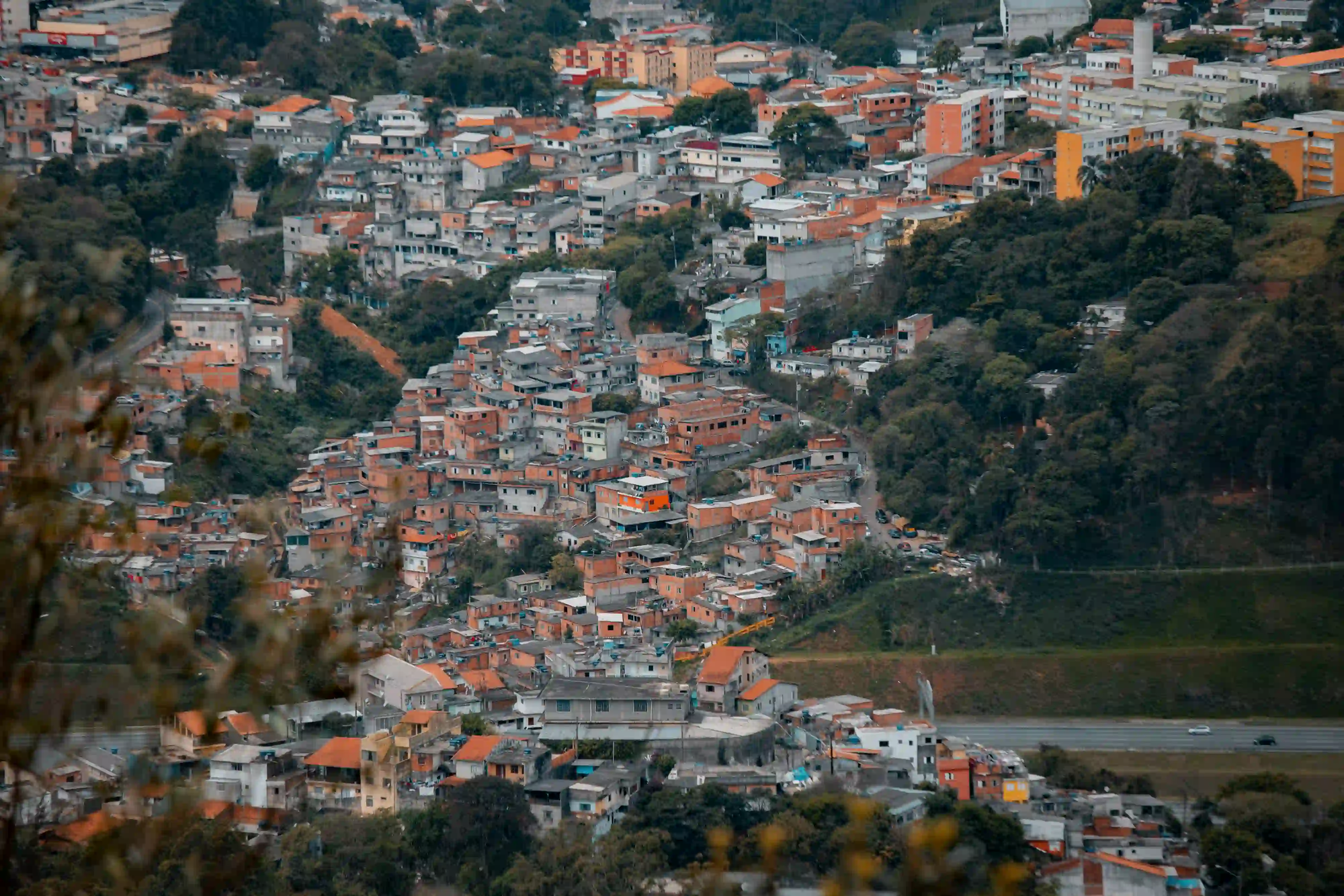
However, the most shocking revelation triggered by the ban was not aesthetic, but entirely sociological.
It became devastatingly clear that the towering vertical ads hadn't been decorating the city; rather, they had been masterfully masking its systemic flaws. Once the massive canvases fell, the sheer scale of the favelas (shantytowns) was suddenly laid bare.
More tragically, with the removal of the towering banners marketing high-end products and the promise of a "better life," a grim reality lost its camouflage. The fact that immigrant workers were living and toiling in abysmal conditions inside the very factories hidden behind those ads was no longer a buried secret; it became starkly visible from every corner of the city, impossible to ignore. The culture of consumerism and outdoor advertising had literally papered over extreme poverty, trapping the city inside a giant, neon-lit illusion. The stark contrast between the utopian lifestyle sold on the vinyl and the dystopian reality of the brick-and-mortar behind it was finally undeniable.
A New Visual Identity: The Revenge of the Blank Walls
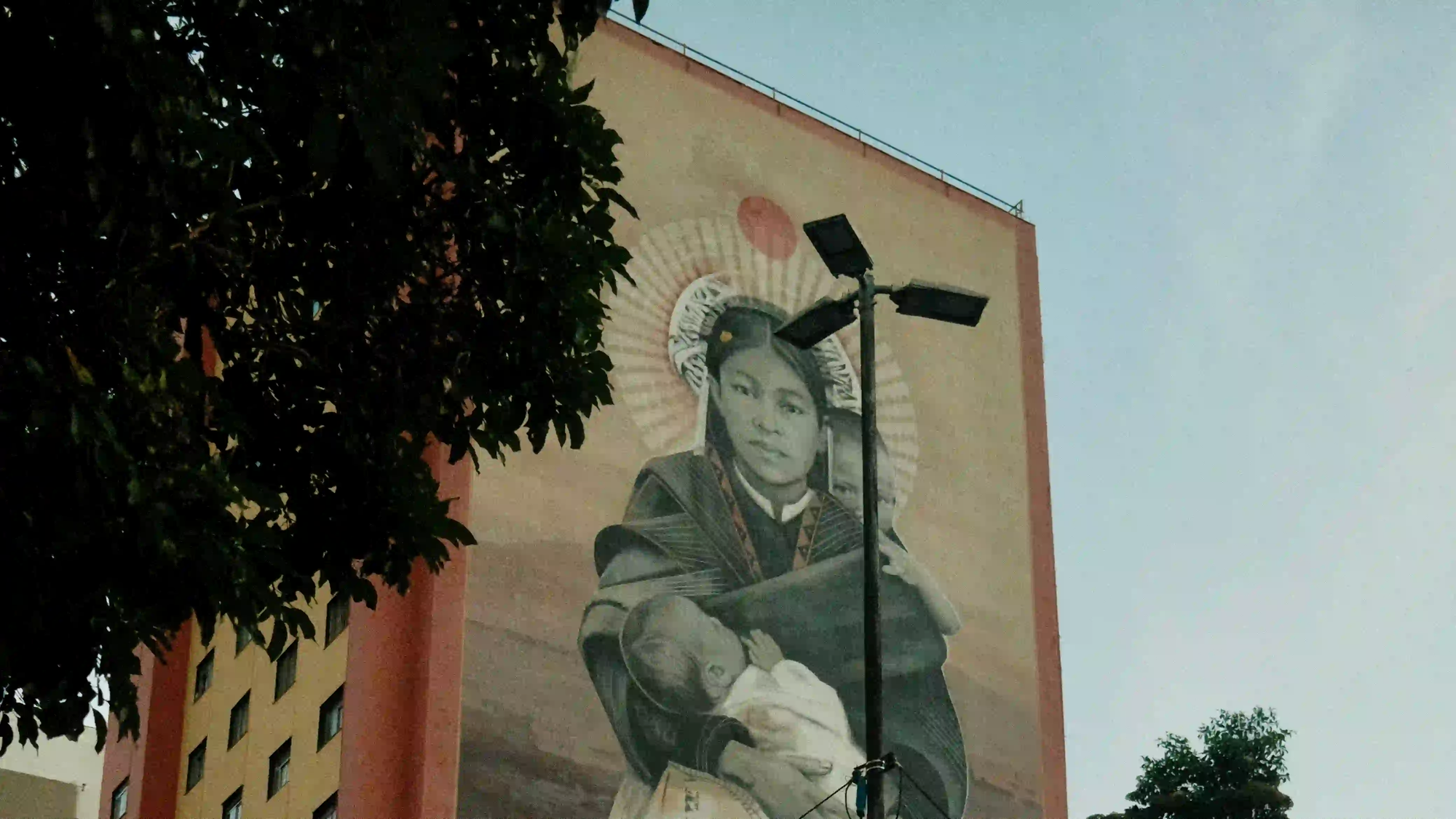
The massive, windowless walls abandoned by corporate advertisers eventually found their new, rightful owners: street artists.
Initially scrubbed away and restricted by municipal workers, these grassroots artworks were later officially protected following widespread public outrage and demand. The monumental murals painted onto these priceless urban canvases gradually formed São Paulo's new, authentic visual identity. The city’s visual narrative was no longer dictated by multinational corporations, but shaped by the communities that actually lived there.
In 1963, David Ogilvy, widely considered the father of modern advertising, made a striking and self-critical confession regarding the true nature of his profession:
"Man is at his vilest when he erects a billboard. When I retire from Madison Avenue, I am going to start a secret society of masked vigilantes who will travel around the world on silent motor bicycles, chopping down posters at the dark of the moon."
São Paulo effectively did the work of Ogilvy’s imagined masked vigilantes through strict legislation, showing the rest of the world exactly what a visually quiet city looks like.
Today, in an era where we gladly pay to block ads on our personal screens, we are left with a fundamental question to ask ourselves:
If your city proposed a total ban on outdoor advertising tomorrow, would you vote for the raw, unfiltered reality of visual silence? Or do we desperately need those neon lights and urban wallpapers to hide the concrete, the cracks, and the inequalities lying just beneath the surface?
— Related Reading: Hostile Architecture and the Hijacking of Public Space