The Geometry of Shadows: Why Japan Protects Sunlight by Law
You likely assume the sunlight streaming through your window is a universal, inalienable right. Yet, in the world's densest metropolises, that light is a highly contested, legally guarded, and meticulously calculated commodity.
The legal framework known by Japanese scholars and urban planners as Nisshoken (Right to Sunlight) was not born from a romantic appreciation of nature. It emerged from an urban crisis in the 1970s, when rapidly rising concrete canyons plunged residential neighborhoods into perpetual shadow. Humanity had built structures so massive that they isolated their own habitats from the sun, subsequently forcing society to invent new legislation merely to reclaim access to daylight.
The 1970s and the Sunlight Wars
During the post-World War II economic boom, Japan entered a frenzy of vertical construction. As cities expanded upward, residents in the lower strata were completely deprived of sunlight. This was not merely an aesthetic issue; it escalated into a public health crisis characterized by severe dampness, a rise in respiratory diseases, and widespread psychological decline.
In what became historically known as the "Sunlight Wars," local citizens—predominantly housewives fighting to protect their homes and health—launched an unprecedented resistance against corporate developers. Pushed into the courtrooms, this crisis forced modern law to confront a question it had never faced before: Who owns the sky?
Japan’s answer was definitive: You can purchase a plot of land, but you cannot confiscate your neighbor’s sunlight.
The Hidden Mathematics of the Tokyo Skyline
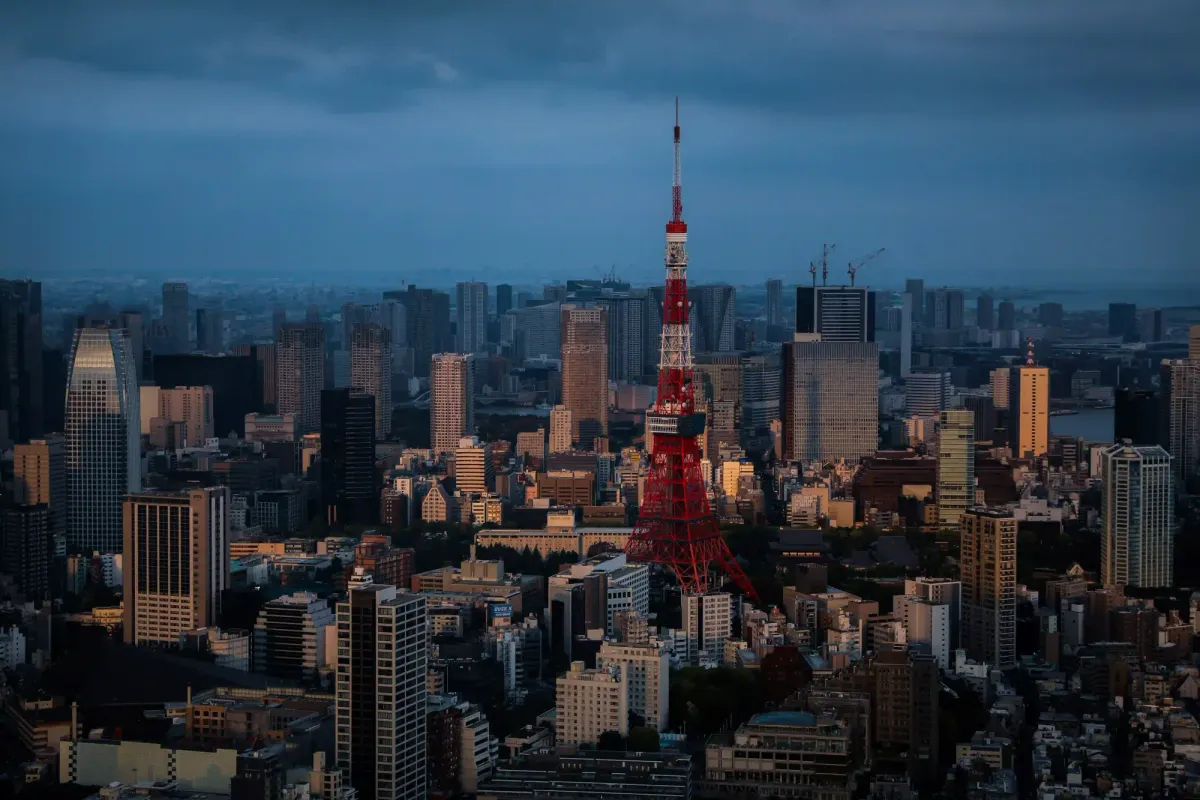
Today, walking through the streets of Tokyo or viewing the city from an elevated vantage point, you will notice an architectural anomaly. The upper floors of many buildings lean backward as if sliced by a blade, roofs feature asymmetrical angles, and massive structures suddenly taper into funnel shapes.
This bizarre geometry is not the result of an avant-garde design movement. It is the physical manifestation of Nisshokenlaws.
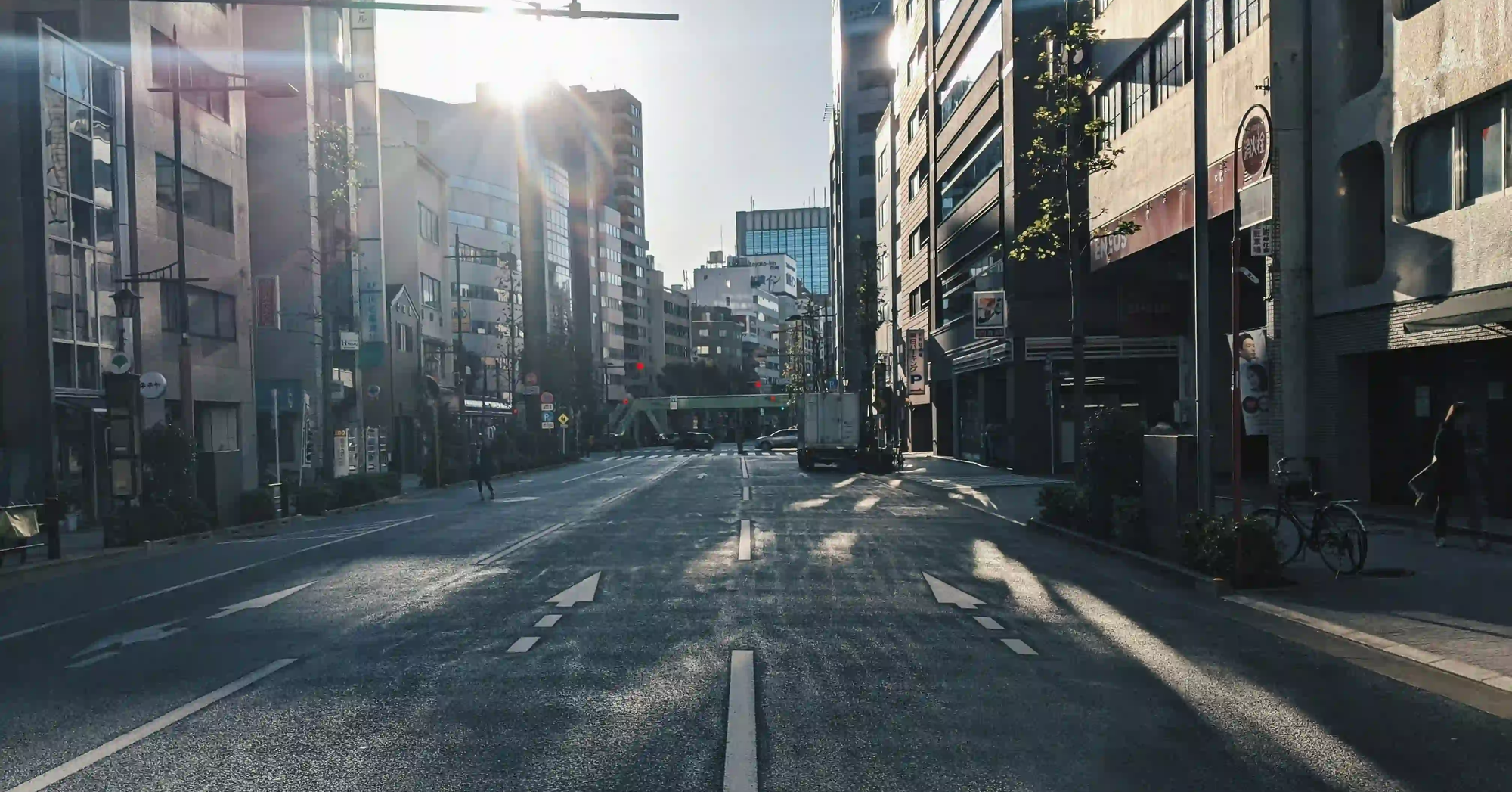
Before any construction project is approved in Japan, developers must calculate—minute by minute—the exact shadow the building will cast on adjacent properties during the winter solstice, the shortest day of the year. If a proposed structure deprives neighboring homes of sunlight beyond a strict, legally defined threshold, construction is halted entirely. Under this system, daylight is no longer a free natural resource; it is a mathematical constraint dictating architectural form.
The Philosophy of "Wa" and the Limits of Ownership
In the Western world, property law is often built upon absolute individualism: If the land is mine, I can build up to the sky as I please. However, in Japan, the legal prohibition against blocking sunlight is a direct translation of "Wa"—the philosophy of social harmony—into urban planning.
The most definitive proof of this framework's rigidity is a landmark court case in Nagoya. The construction of a massive building that complied perfectly with all zoning regulations, height limits, and technical codes was completely halted by a judge. The reasoning was simple: The building would deprive its neighbors of sunlight for more than five hours a day, officially exceeding society's legal "tolerance limit."
Sharing the Warmth of a Star
Those towering monuments of glass and steel that shape our skylines may appear as the absolute pinnacle of civilization and engineering. Yet, upon closer inspection, they serve as glaring reminders of how profoundly our engineered environments have disconnected from the natural world.
To ensure that the light produced by the massive star at the center of our solar system reaches a neighbor fairly on Earth, we now require lawyers, court rulings, and millimeter-precise shadow simulations.
When was the last time you realized that modern life has become so densely engineered that we must legislate and go to court simply to secure the warmth of a star?