The World’s Most Flawless Art Utopia: The Invisible Reality of Naoshima Island
We are sold a fairy tale that Naoshima is a dying town reborn purely through art. But beneath its flawless aesthetic lies an industrial furnace processing global e-waste. True sustainability isn't erasing the past; it is making art and heavy industry work on the exact same soil.
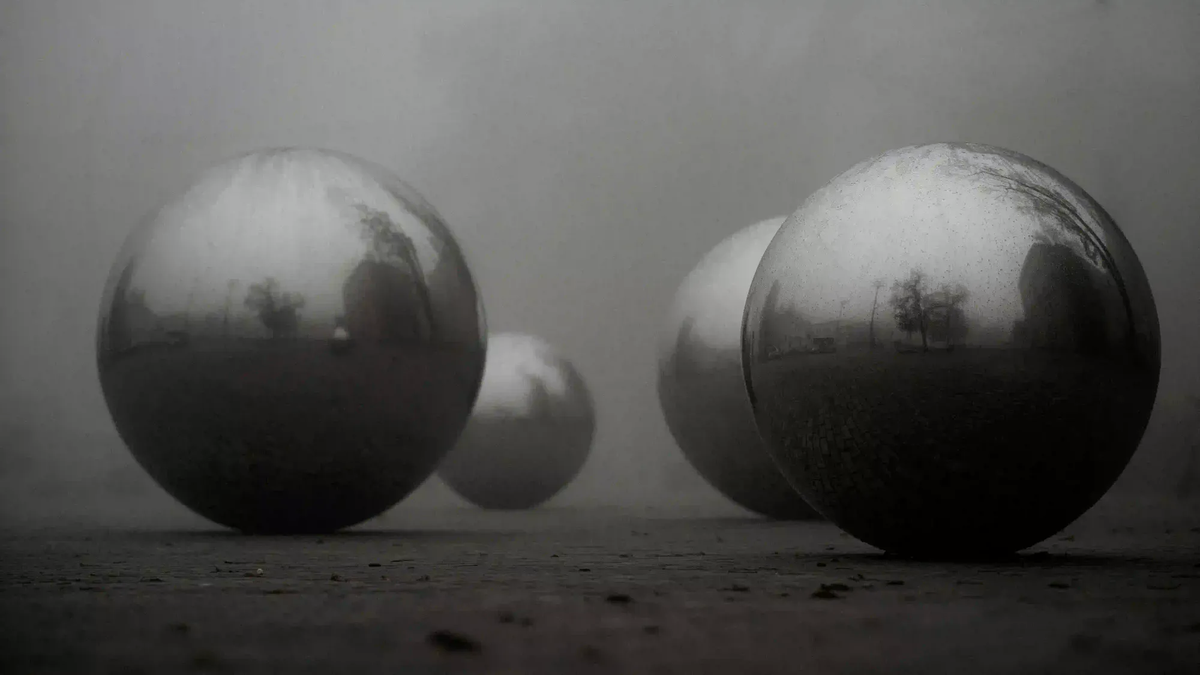
Among the more than three thousand islands scattered across Japan’s Seto Inland Sea, one tiny speck of land is universally revered as a pilgrimage site for modern tourism and the contemporary art world. Every year, hundreds of thousands of visitors flock to Naoshima Island to witness the masterpieces of world-renowned architects, visionary collectors, and iconic artists. Official tourism brochures and international publications frequently market this destination as an inspiring tale of rebirth: a dying, aging fishing town, exhausted by heavy industry, that was transformed into the purest contemporary art oasis on Earth through the healing power of art.
This is the exact "before and after" fairy tale that modern humanity desperately needs to hear. It offers a comforting illusion that the profound damage we have inflicted upon nature can be entirely erased by aesthetics and good intentions. Yet, if you look a little closer at the soil of Naoshima, you will realize that right behind this billion-dollar art paradise breathes a much more astonishing and invisible half of the story.
Naoshima is not an island that has erased its past; it is a rare, living ecosystem that has managed to coexist shoulder-to-shoulder with its heavy industrial history.
Architectural Surrender Beneath the Earth: Chichu Art Museum
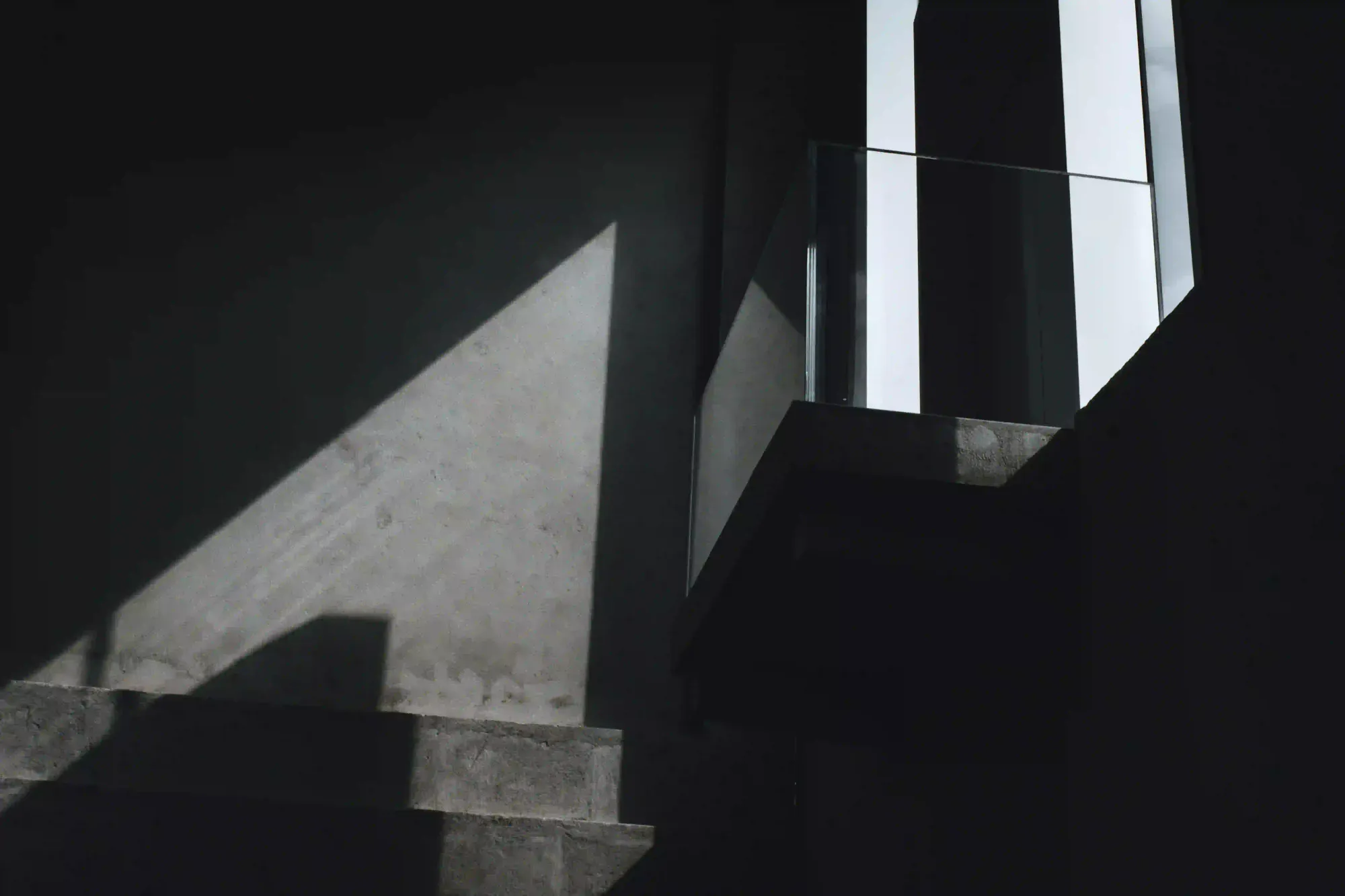
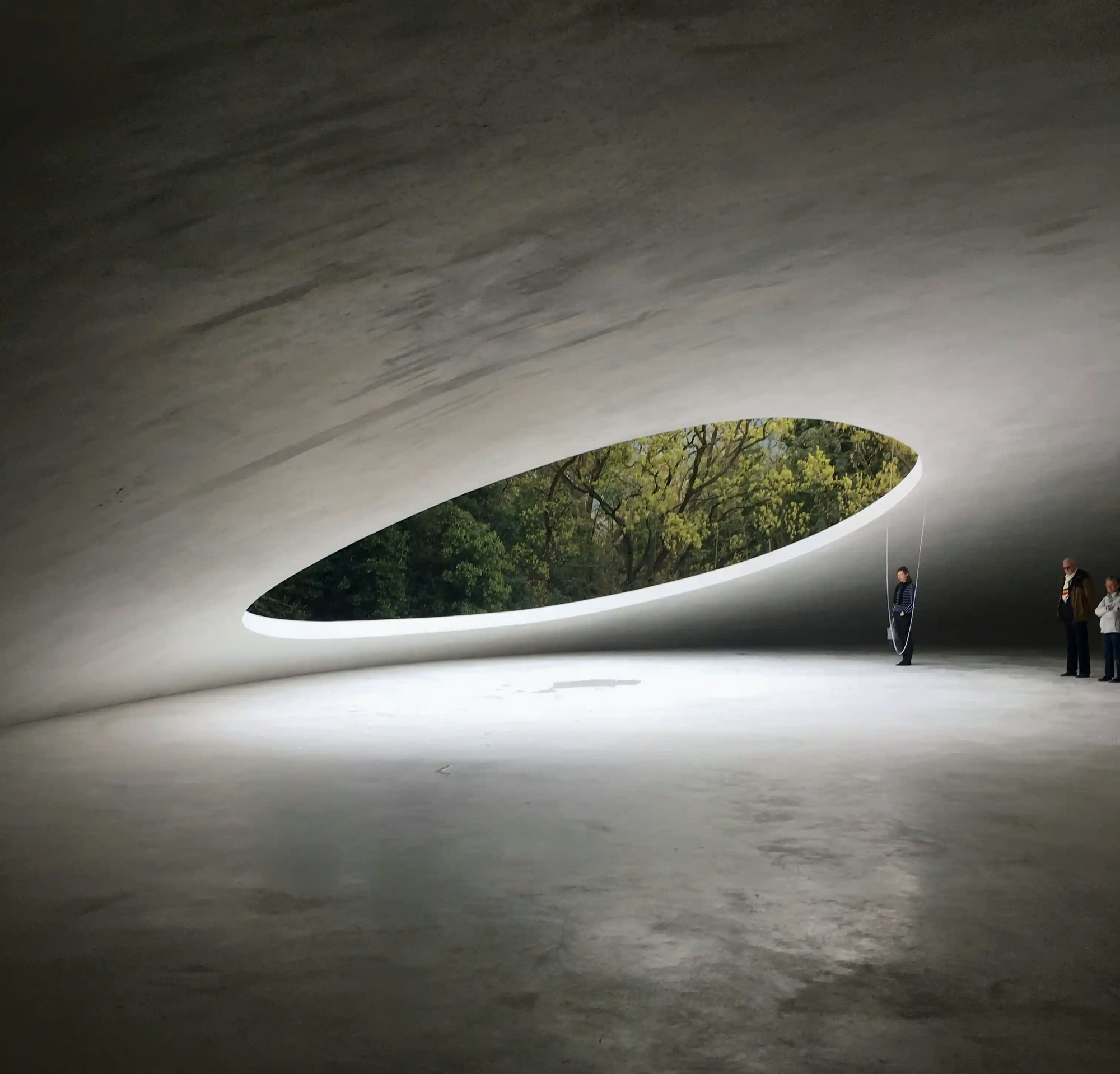
Naoshima’s transformation into a global cultural epicenter stems not merely from the sheer scale of the artworks it hosts, but from the radical relationship these pieces establish with their physical space. The moment you step onto the island, you are met with a tranquil architectural brilliance where human arrogance gracefully yields to nature. When designing the Chichu Art Museum—the island’s most iconic structure—master Japanese architect Tadao Ando made a radical decision to preserve the natural silhouette of the Seto Inland Sea and the organic slope of its hills: he built the entire museum underground.
Visible from the sky only as a series of geometric voids, this structure feels like a subterranean sanctuary where raw concrete quietly surrenders to natural light and the coastal wind. Inside, Claude Monet’s massive Water Lilies paintings and James Turrell’s immersive light installations are illuminated not by artificial gallery spotlights, but by the natural daylight filtering through the ceiling. The spirit of the artworks shifts constantly, dictated entirely by the hour of the day and the movement of the clouds above.
For the modern traveler, this space is the ultimate retreat—a flawless sanctuary of isolation where time slows down, offering a moment of aesthetic peace forged with nature. But just a few kilometers away from this profound silence, the century-old industrial memory of the island is operating without pause.
Urban Mining and the Furnaces That Never Sleep
If you leave the hushed, minimalist corridors of the Chichu Art Museum and head toward the northern side of the island, you will notice plumes of smoke rising right in the heart of contemporary art. The massive Mitsubishi copper refinery, the historical anchor that has dominated Naoshima since 1917, did not close its doors as many assume. As visionary art projects slowly took over the island’s southern coast, this heavy industry facility quietly maintained its presence, undergoing a monumental transformation to meet the demands of the 21st century.
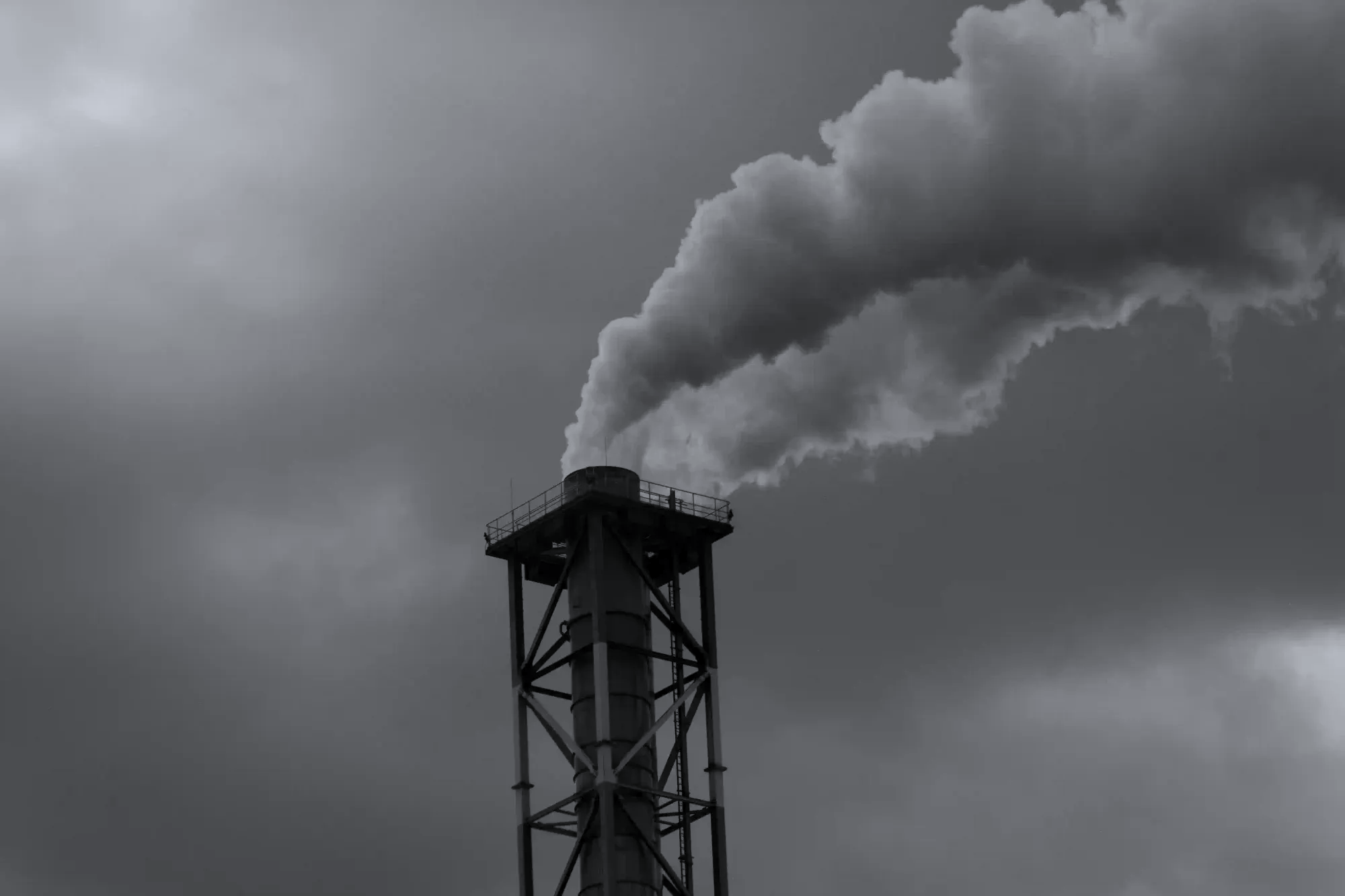
Today, this refinery is far more than a traditional plant processing raw copper ore excavated from the earth. It is a colossal center for "urban mining," processing the unavoidable detritus of modern life: discarded smartphones, computer motherboards, and circuit boards shipped in from all corners of the globe.
Urban mining is the philosophy of recovering precious metals from the technological waste humanity has already produced, rather than tearing up the earth to seek new veins of ore. A single ton of electronic waste contains up to a hundred times more gold than a ton of naturally occurring gold ore.
Operating 24/7, the refinery on Naoshima melts down global e-waste, transforming it back into high-grade gold, silver, and copper. On one end of the island, billionaires arrive on private jets to admire Monet's brushstrokes; on the other, massive industrial furnaces continuously melt down the technological trash of global capitalism. The tranquility of high art and the deafening roar of heavy industry share the exact same soil.
The Burden of Teshima: An Operation of Ecological Redemption
It is easy to perceive the refinery’s presence as a blemish on the island’s curated aesthetic, or perhaps as a lingering extension of capitalism infiltrating the art world. However, the true role of this industrial facility in the history of the Seto Inland Sea is not that of a polluter, but of a silent savior resolving a massive environmental catastrophe. This role is deeply tied to a dark chapter in the history of Naoshima’s immediate neighbor, Teshima Island.
Throughout the 1970s and 80s, as a dark byproduct of Japan’s rapid economic expansion, industrial waste was illegally dumped on the western shores of Teshima. Ranging from shredded automobile parts to toxic chemical sludge, this illegal dumping ground swelled to over 900,000 tons, pushing the local ecosystem to the brink of collapse and severely threatening the health of the island's residents. Following years of grueling legal battles, a landmark decision was reached in the year 2000 to finally clean up this toxic mountain.
But where exactly does one put nearly a million tons of hazardous waste? The solution was found in the massive furnaces of the Mitsubishi refinery, just across the water in the "art island" of Naoshima.
For 16 years, between 2003 and 2019, the toxic waste excavated from Teshima was transported to Naoshima via a specialized fleet of ships. Within dedicated facilities inside the Mitsubishi refinery, this hazardous material was melted down in massive 1,200-degree Celsius furnaces, turned into slag, and entirely detoxified. The heavy metals were safely recovered, and the remaining harmless sand was repurposed as construction material.
In other words, the Naoshima we wander through in awe today—the island whose architecture and art we endlessly praise—is simultaneously an ecological filter purifying the toxic burden of the entire region. The very reason Teshima Island can breathe again is the unending fire of Naoshima’s heavy industrial furnaces.
A New Reading on Sustainability
Naoshima’s "dual life" offers a radical critique and a brand-new perspective on the modern world's understanding of sustainability. We are usually taught that being environmentally conscious means completely erasing the old, the gray, and the smoke-filled; replacing it all by planting trees, building aesthetic museums, or erecting glass-clad "green" buildings. This is a comfortable but ultimately flawed approach, akin to sweeping the dirty footprints of the past under the rug.
Naoshima, however, whispers a much more mature, grounded reality: the transforming gears of heavy industry and the healing power of contemporary art do not have to be enemies. One does not need to destroy the other. They can exist on the same island, at the exact same time, in a state of magnificent equilibrium. While art nourishes our spirit, industry can melt away the mistakes of the past (Teshima’s toxic waste) and recycle the technologies of our future (urban mining).
True transformation does not begin by burying the scars of our industrial past into the earth and conveniently forgetting them. It begins by masterfully repurposing those very scars to serve a system that repairs from within.
This unique partnership of flawless aesthetics and heavy industry on Naoshima holds a silent but heavy mirror to our minds. Must we always completely erase the old to build the new and the "clean"? Or does true harmony lie in our ability to make our contradictions, our contrasting realities, and even our past mistakes work together simultaneously as the restorative mechanisms of today?
— Related Reading: 7 Silent Ecological Revolutions Saving the Planet