The Japanese Art of Obsession: Why Is Everything So Flawless?

From the bullet trains (Shinkansen) arriving at the station to the exact second, to the streets remaining as sterile as an operating room, or even a mundane 7-Eleven egg sandwich being prepared with gastronomic seriousness... What is the secret behind every detail we encounter in Japan being so "painfully" perfect?
If you think the answer is merely strict discipline or hard work, you are mistaken. The true driving force giving life to this cultural phenomenon is a philosophical obsession with a craft, its nature, and its details: Kodawari.
An Untranslatable Devotion
The word "Kodawari" (こだわり) is often translated into Western languages as "perfectionism," but this is a profoundly incomplete and shallow definition. The Western concept of perfectionism is entirely "result-oriented"; the final destination must be flawless. Kodawari, however, is an uncompromising devotion not to the result, but to the "process" itself.
This philosophy requires an intense focus on the invisible details that the vast majority of people will never notice, and perhaps never even care about.
The Invisible Standard No One Will Notice
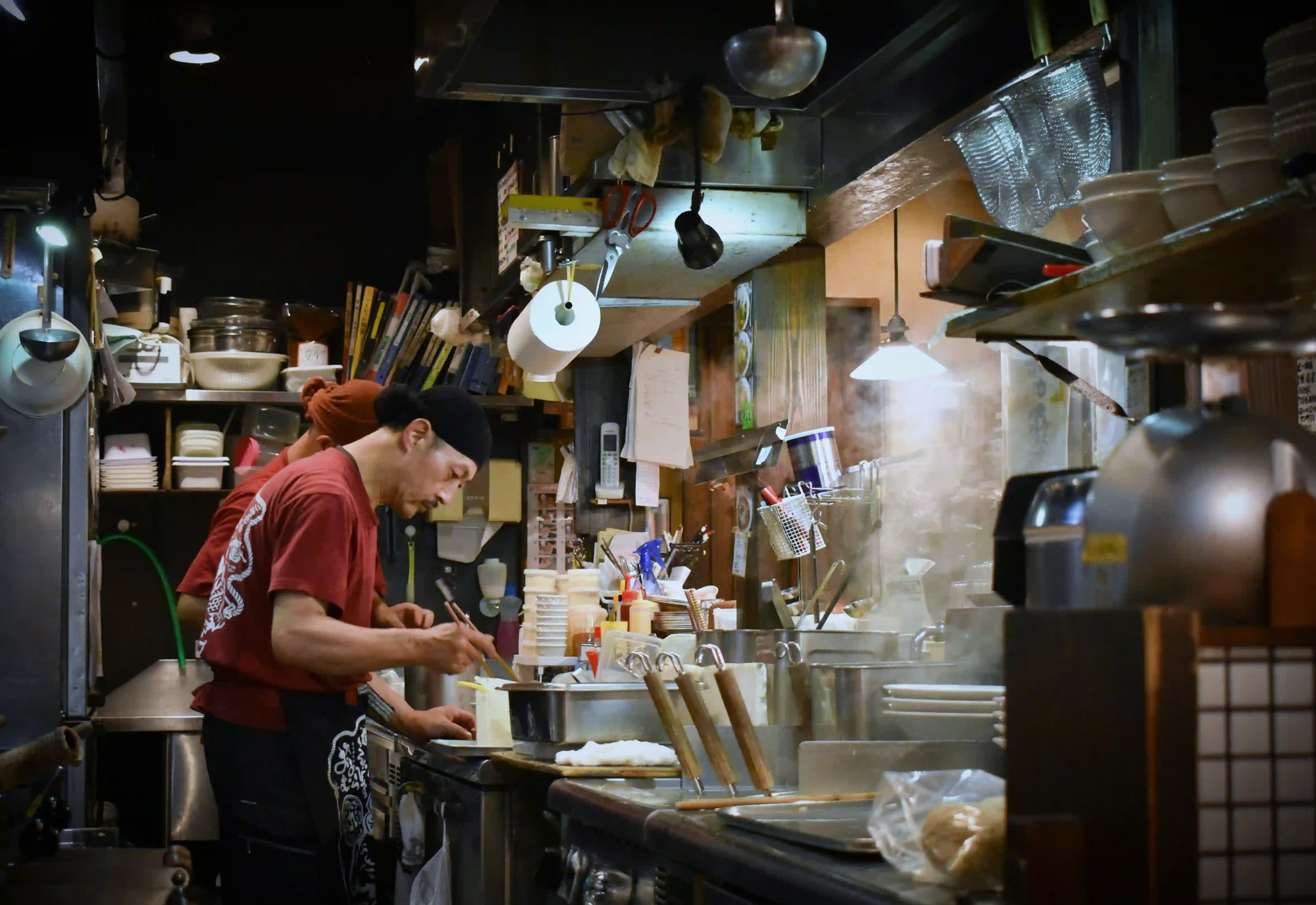
Have you ever wondered why a ramen master boils broth for 48 hours without rest, knowing full well that 99 percent of customers will never taste the difference?
He doesn't do it for external applause, a Michelin star, or social media likes. Kodawari is a deeply internal standard of personal pride. He endures that effort simply because he knows "it is the right way to do it."
Moreover, this philosophy is not an elitist approach reserved only for artists or celebrated chefs. You see the exact same devotion in a construction worker cleaning his tools with the precision of a surgeon, or in a taxi driver gripping the steering wheel with pristine white gloves. Kodawari elevates even the most mundane daily tasks into an art form, granting dignity to every single layer of labor.
The Suffocating Cost of Perfection
Yet, as with any obsession, this too comes with a heavy price. A society where individuals are programmed to execute every detail flawlessly can eventually turn into a suffocating machine where it is hard to breathe.
The constant pressure to never make a mistake and to never inconvenience others creates a massive social burden. This is the ultimate paradox of Japan: The mesmerizing, flawless display that we tourists admire from the outside is actually built upon the crushing pressure carried on the shoulders of the locals.
A Rebellion Against the "Good Enough" Era
Today, we live in an era dominated by fast content, fast food, and a "good enough" culture. In a system where everything must be finished and consumed immediately, Kodawari asks us to stop and slow down.
It reminds us that caring deeply about something—no matter what it is—is actually the highest act of mindfulness. Because true quality is never an accident; it is the product of a deliberate intention from start to finish.
At the end of the day, do you respect your own craft enough to put in that extra effort, knowing that you will be the only one who ever knows about it?
— Related Reading: The Misunderstood Silence of Japan’s Most Famous Path