Oslo's Future Library and the Century of Unread Books
Our era demands instant access to all knowledge, yet a completely different timeline is unfolding in Norway. Hidden on the top floor of the Deichman Library and growing within the Nordmarka forest, this 100-year pact forces us to relinquish words we will never be able to read.
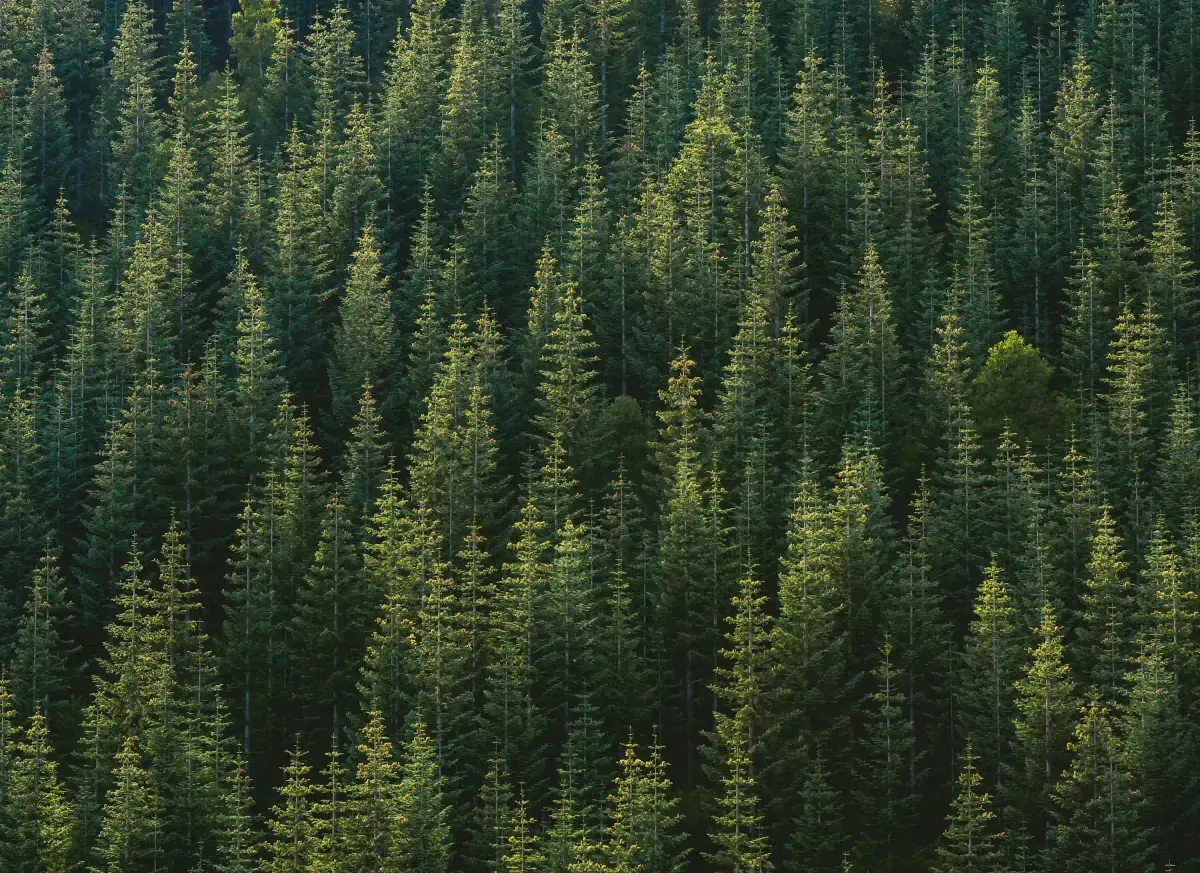
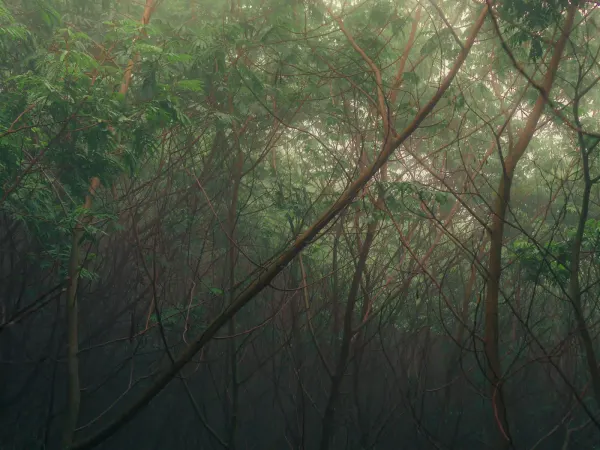
One of the greatest fallacies of modern publishing and digital culture is our unwavering belief in the right to instant access to all knowledge on Earth. In an era where ideas are consumed the second they hit a screen, editorial texts are rapidly measured, and art is served with algorithmic urgency, the value of a work is determined by its accessibility. We want to know everything right now for our own generation. Yet deep within the Nordmarka forest on the outskirts of Oslo, a completely different timeline is unfolding, challenging this hasty hubris of humanity. Here, words do not steep on digital screens but within the slowly growing rings of trees.
Conceived by Scottish artist Katie Paterson in the summer of 2014, Future Library (originally named Framtidsbiblioteket in Norwegian) is a radical public art project spanning 100 years until 2114. The rule is extremely strict and non-negotiable. Every year from 2014 to 2114, a globally renowned author will deliver a previously unpublished, original manuscript to this forest. These submitted texts will remain absolutely unread, unpublished, and unshared for an entire century. Once the hundred-year period concludes, those spruces growing in the Nordmarka forest will be felled and transformed into the paper pulp for the final anthology carrying the hidden words of 100 authors.
A Century-Long Pact in Nordmarka
The biological and physical foundation of the project rests upon 1,000 Norwegian spruce saplings planted in Nordmarka alongside local foresters in 2014. Seeds carefully gathered from the surrounding forest were sealed in a special white wax to protect them from hungry insects and entrusted to the soil. As the artist conceptualized this idea, she imagined the words in a writer's mind merging with the soil's water within the trunk of a tree. Katie Paterson explains this biological and literary synthesis as follows:
"Almost as if the trees absorb the writer’s words like air or water, and the tree rings become chapters spaced out over the years to come."
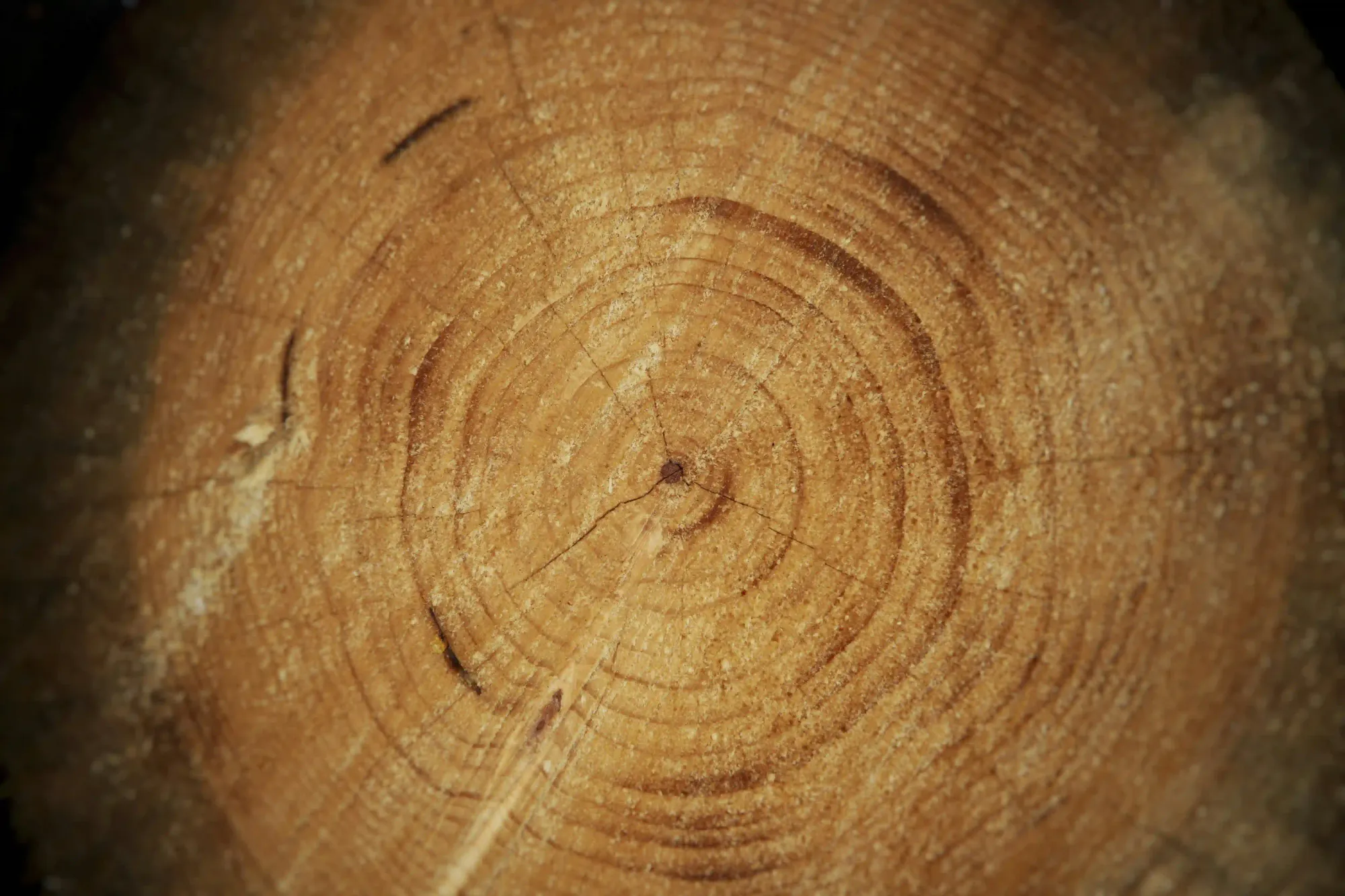
What exactly will happen to these pages that no one will be able to read for a century? The answer lies on the top floor of the Deichman Library, rising through urban renewal in Oslo's former container port of Bjørvika. The wood from the original forest trees, felled to make room for the saplings, underwent an architectural transformation and was placed inside the library as The Silent Room. Designed in collaboration with an architectural team, this intimate space consists of 100 undulating wooden layers stacked upon each other like the rings of a tree. You enter the room after taking off your shoes. There is one glass drawer in each layer. Glowing with the year of submission and the author's name, these drawers protect the writer's words behind a dim light like locked time capsules.
The Ego Death of the Author
Locking their words in this dark room is one of the strangest paradoxes in the literary world for any writer. Writing is inherently driven by the desire to be understood and read. Yet this project demands that authors accept their own mortality and turn their faces entirely toward an unknown future. The first name to join the project in 2014 was Margaret Atwood with her manuscript titled "Scribbler Moon." She was followed by David Mitchell, Sjón, Elif Shafak, Han Kang, Karl Ove Knausgård, Ocean Vuong, Tsitsi Dangarembga, Judith Schalansky, and Valeria Luiselli.
The calendar continues to operate with an unerring rhythm. In a ceremony held on June 28, 2026, the author for 2024, Tommy Orange, and the author for 2025, Amitav Ghosh, delivered their works to the forest. Shortly thereafter, on August 29, 2026, Laurie Anderson was announced as the next name in the project. The Future Library Trust, the executive committee of the project, outlines their official criteria for selecting authors quite clearly:
"outstanding contributions to literature or poetry, and for their work's ability to capture the imagination of this and future generations"
The subject, genre, or length of the submitted texts is left entirely to the author's discretion. Katie Paterson can only make guesses by feeling the weight of the boxes handed to her; in fact, she estimated that the work submitted by British author David Mitchell was around 90 pages based solely on the physical weight of the box.
Anatomy of a Radical Deprivation
Slowing down time to such an extreme paints a disturbing picture for some critics. While the media generally receives the project with great admiration, certain literary circles have questioned the deliberate deprivation of generations living between 2014 and 2114 from reading these works. Writing for the culture and arts magazine Flavorwire, Moze Halperin interpreted this restriction directly as a class privilege and criticized the project with these words:
"art whose intention is to exclude a few generations"
This sense of exclusion becomes even more complicated with the project's funding model. One thousand special certificates granting the right to claim the 100-work anthology to be printed in 2114 were offered for sale through galleries in Edinburgh, New York, and London. Initially priced at 625 pounds and later rising to 800 pounds, these certificates generate funding for the project. Printed on handmade paper featuring designs that symbolize 100 tree rings, these certificates serve as a literary property meant to be left to the buyer's grandchildren rather than the buyer themselves.
In June 2022, an official contract was signed between the Future Library Trust and the City of Oslo, guaranteeing the protection of the forest, The Silent Room, and the manuscripts for a century. Yet no legal binding on paper can secure the future fate of the physical world. In an era where the world experiences constant political and ecological fractures, investing a hundred years into the future is a colossal act of trust. When Margaret Atwood joined the project, she voiced this apprehension regarding the unknown future she was handing her text over to with the following words:
"Will any human beings be waiting there to receive it? Will there be a 'Norway'? Will there be a 'forest'? Will there be a 'library'? It's hopeful to believe that all of these elements, despite climate change, rising sea levels, forest insect infestations, global pandemics, and all of the other threats, real or not, that trouble our minds today, will still exist."
Those trees will continue to grow. The drawers will fill with a new manuscript each year. But the true weight of this project does not lie in what the hidden texts inside actually say. The real issue lies in continuing to live in a world programmed to access everything in seconds, knowing that there are words out there that will never belong to us.
If you happen to stumble upon this editorial record in a digital archive in the 22nd century, anytime after 2114, it means the forest currently in darkness for us has long since turned into paper for you, and those unknown texts have already been brought to light. As you read those words we could never possess, remember how an era accustomed to instant access stood before knowledge it could never taste and accepted that radical deprivation.
When these 100 works are finally published in 2114, if the digital servers and archives of The Great Planet manage to survive until that day, perhaps a future editor will pen a review of that massive anthology on our pages. But as Atwood pointed out, there are no guarantees for tomorrow; we are not certain that the forest, the library, or this magazine will exist on that day. Nevertheless, I am calling out in advance to my colleague who might sit where I am sitting today a hundred years from now to write those lines: I am Enes. For those pages whose leaves you comfortably turn today, someone grew a forest they would never be able to read. Their lot was not to wait for something that would never happen, but to forever relinquish those words just so you could read them. Please be honest in your review; was this flawless deprivation of the past worth it?
— Related Reading: Rough Luxury and the Ultimate Privilege of Disappearing Into Silence