The Desert Paradox, Sand Mafias, and Stolen Shores
Despite endless deserts, the Earth is running out of its most consumed solid resource. Our concrete cities rely on a specific geological grain. This fatal architectural flaw has birthed a violent black market, stealing shores overnight and silently erasing underwater ecosystems across the globe.
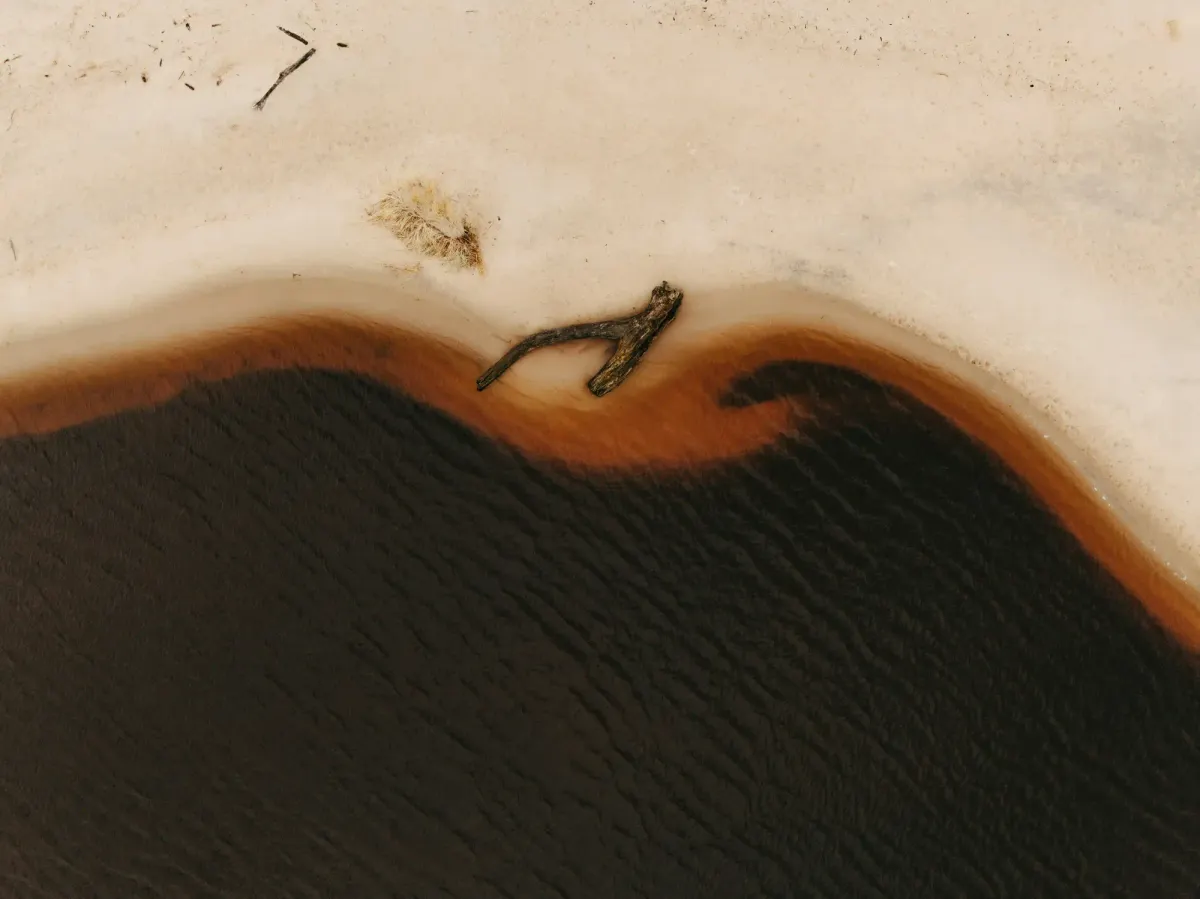
The year is 2004. Kihim Beach on the western coast of India. Environmental activist Sumaira Abdulali was at the shore to document and halt illegal sand mining in the region when she encountered sudden violence. Intercepted by four men, including the son of a local politician, Abdulali was severely beaten. This attack was not an isolated act of aggression or a routine theft. The incident was one of the first major flares of a global crisis keeping modern metropolises standing and the multibillion dollar shadow economy feeding off it. The insatiable appetite of the construction industry is slowly erasing sand, the most exploited natural resource on Earth after water.
America’s Consumption Legacy and the Desert Paradox
Claiming a shortage of building materials on a planet where a third of the landmass is covered by deserts might initially seem illogical. The Sahara, Gobi, and Arabian deserts host endless dunes shaped by the wind. Yet modern engineering, architecture, and chemistry do not possess the flexibility to accept just any material.
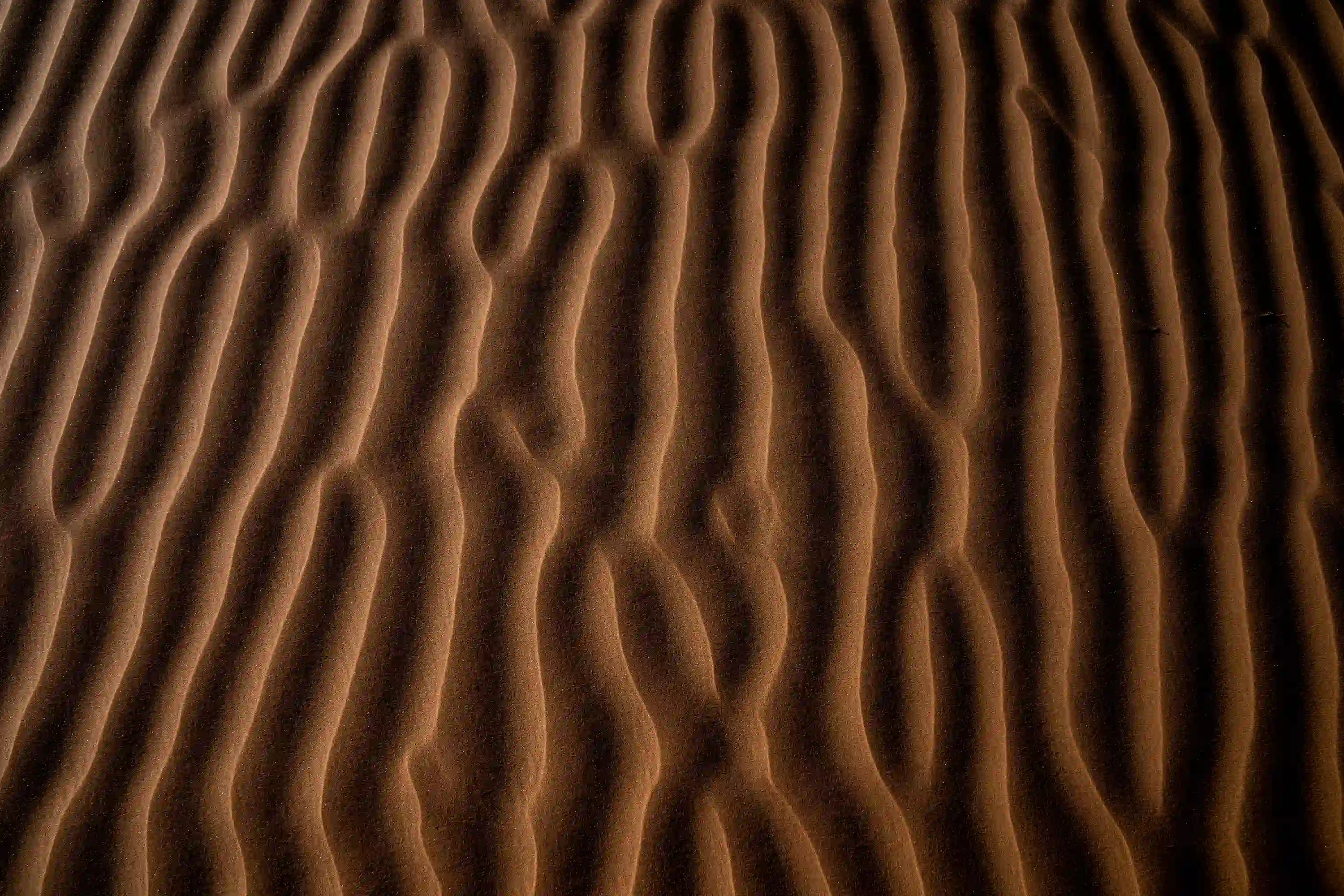
Desert sand grains, eroded and blown through the air over millennia, are microscopically completely round and smooth. Because they lack any rough edges or protrusions on their surfaces, they cannot interlock tightly within cement or asphalt. You cannot build skyscrapers, dams, highways, or resilient urban infrastructure using this sanded down silica. The foundational stone of the industry is the rough and angular marine or river sediment battered by water over centuries.
This geological selectivity creates an incredible urban contradiction known today as the Desert Paradox. Metropolises like Dubai, situated in the heart of a massive arid landscape, cannot use the billions of tons of reserves stretching to their own horizons. To erect skyscrapers or construct artificial islands, they are forced to import marine sand from the coasts of Australia or across oceans at exorbitant costs. Rejecting wind created sand and transporting water created sand via massive cargo ships is the clearest summary of the forced relationship modern urban design maintains with nature.
Pascal Peduzzi, Director of the Global Resource Information Database at the United Nations Environment Programme (UNEP), explains this geological blindness with striking clarity:
"Our society is built on sand. We just think that sand is everywhere. We never thought we would run out of sand, but it is starting in some places."
According to UNEP data, humanity consumes 50 billion tons of sand annually. This volume represents a mass large enough to build a massive nine-story wall wrapping entirely around the planet. Following the Industrial Revolution, this demand grew exponentially, driven first by the United States and subsequently by the urbanization momentum of Asian nations. We rely on these specific grains not only in concrete but also in the glass of our windows, the screens of our smartphones, and even the silicon cells of our solar panels.
The Violence of the Global Black Market and Controversial Murders
The inability of legal supply to keep pace with the speed of urbanization has created a massive black market targeting riverbeds and shorelines worldwide. Statistics indicate that a vast majority of the billions of tons of material extracted each year is obtained through illegal means. While regions like the United States or Europe have high consumption rates, strict environmental laws and rigorous oversight mechanisms leave far less room for organized crime networks on their shores. The true toll of the destruction and violence is paid by countries with weak legal regulations, such as India, Kenya, Cambodia, and Uganda.
In India, where demand has surged incredibly, tens of thousands of people are employed off the books within this ruthless sector known as the sand mafia. The profits in this market are so high and so deeply intertwined with local politics that investigative journalists seeking to criticize or document the system are directly targeted.
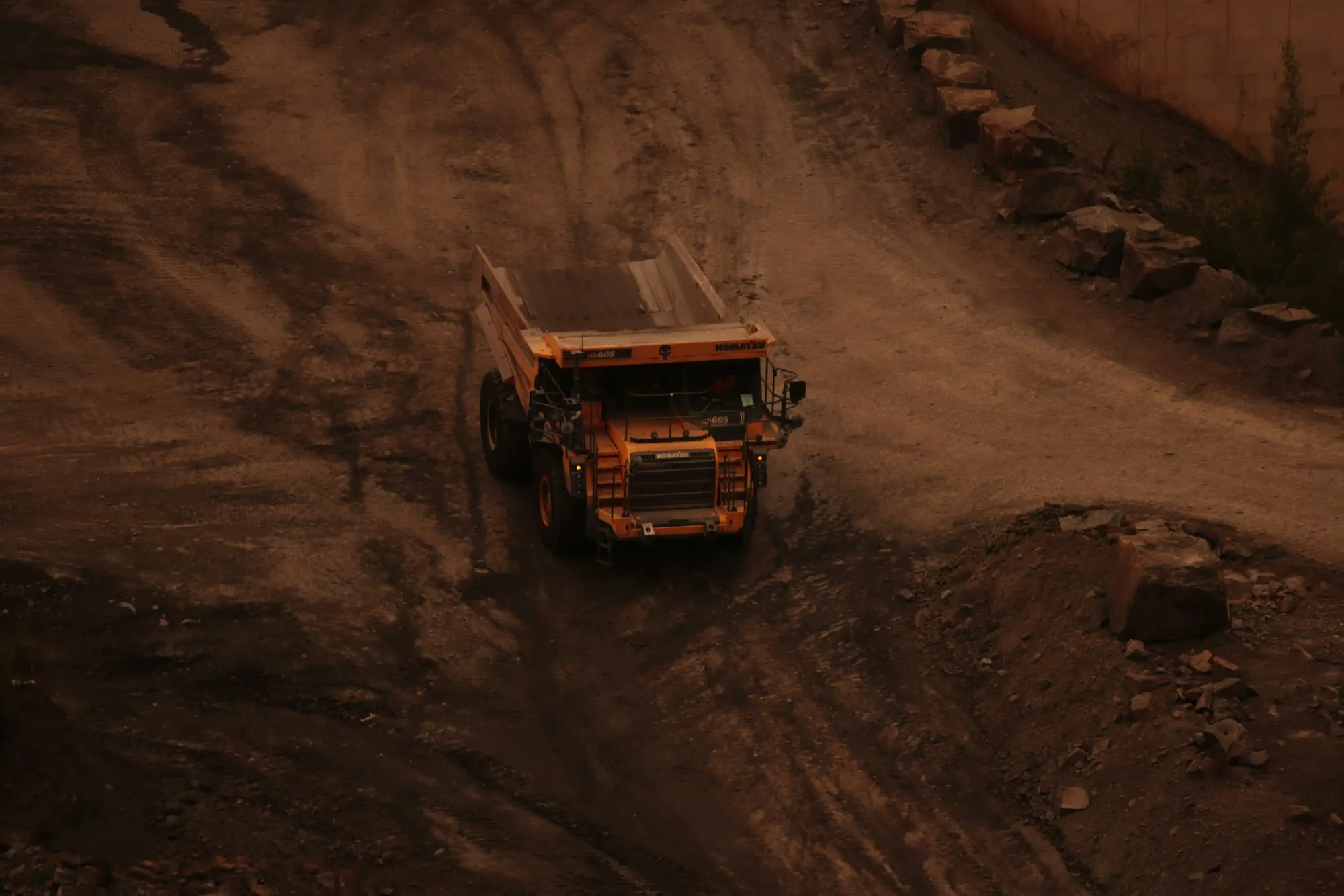
One of the most striking and complex incidents in this dark landscape occurred in 2015. Jagendra Singh, a freelance journalist working in Uttar Pradesh, was investigating state minister Rammurti Singh Verma for illegal sand mining connections and efforts to cover up a rape case. On June 1, 2015, a police raid was conducted at Singh's home. During this raid, the journalist was doused in gasoline and set on fire. He was rushed to the hospital with burns covering 60 percent of his body. Following an eight-day battle for his life, he died in Lucknow on June 8. Although his dying declaration stated that police officers and the minister's men were the ones who set him ablaze, the initial police forensic report suggested the event was self-immolation. While his family and international press freedom organizations like the Committee to Protect Journalists (CPJ) define the case as a clear murder, the incident remains one of the most controversial files in Indian press history.
The spiral of violence was not limited to the Singh case. In 2018, Sandeep Sharma, another journalist reporting on illegal sand mining operations in Madhya Pradesh, was crushed to death when a dump truck deliberately swerved into his motorcycle while he was riding in traffic. The gray concrete used to build luxury plazas and biophilic ecological cities now carries direct criminal violence within its very mortar.
A Silent Biological Meltdown: Benthic Ecosystems and Poisoned Aquifers
Far beneath the criminological and sociological picture lies an irreversible ecological meltdown. The coarse sand required by the construction industry is sourced from oceans, lakes, and riverbeds. Operating under the cover of darkness, giant dredging vessels extract ocean floors using massive vacuum pipes.
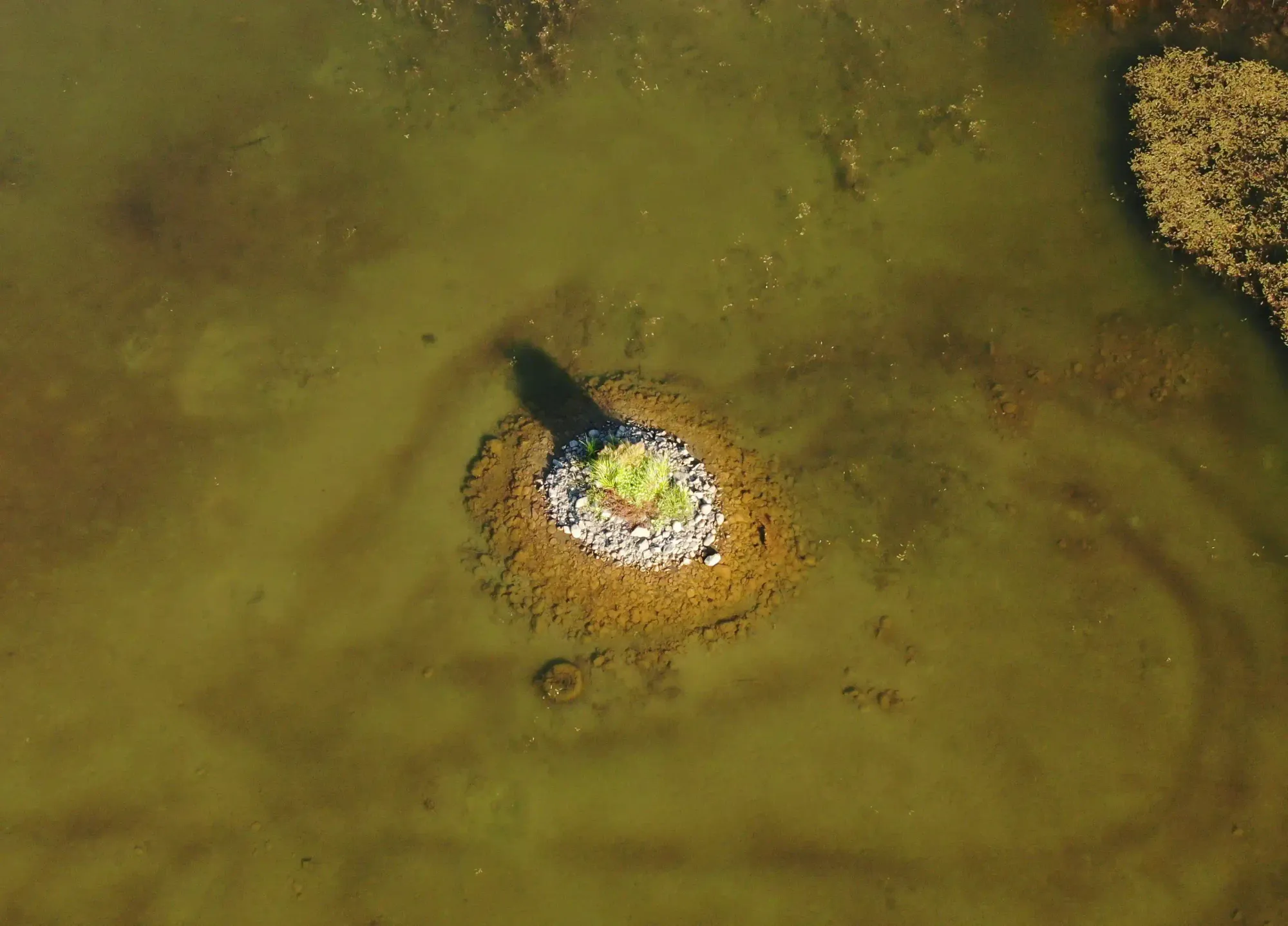
The ocean floor ecosystems, referred to in marine biology as the benthic zone, are swallowed in a single sweep by these industrial hoses. Fish breeding grounds, seagrasses, and microorganism beds are entirely scraped away. Furthermore, the massive sediment plumes generated during the dredging process reduce the water's light permeability to zero, causing the death of photosynthetic life. When natural water filters disappear, the marine ecosystem completely loses its ability to regenerate.
The situation on land creates a much more direct survival crisis. Uncontrolled mining operations in riverbeds and coastal regions scrape away and destroy the natural filters of freshwater systems. When this geological shield protecting groundwater resources is eliminated, salty ocean water mixes directly into underground aquifers. This phenomenon, known as saltwater intrusion, renders agricultural lands barren and permanently poisons the drinking water sources of millions of people.
Architectural Hubris and the Urban Illusion
In the architectural world today, biophilic design, vertical forests, and carbon-neutral buildings are spoken of with high praise. Yet the reality that modern metropolises and urban infrastructure projects shining with claims of sustainability are often financed by this very exploitation is routinely swept under the rug. The new landmasses created by cities reclaiming their sea borders or those flawless green buildings designed to integrate with nature can often only gain physical existence through the consumption of another ecosystem hundreds of miles away.
We are grinding down the geological memory nature wove over millions of years to design our own urban reality. While building our ecological utopias, we are not creating from nothing; we are merely rearranging the Earth. The proud rise of a geography toward the sky means the collapse of a benthic ecosystem or the death of a riverbed in a completely different corner of the world. We have become so accustomed to the invisibility of consumption that we slowly excavate the world from its foundation while believing we are building it. Can any civilization built on draining the aquifers and stealing the shores of another landscape sustain its own weight forever?
— Related Reading: The Reign of Asphalt: How to Reclaim Our Streets from Machines