Shinrin-Yoku: The Word Japan Uses Instead of ‘Medicine’
Walking in a forest is not just a rest in nature; it is an entry into a massive biochemical network. While modern cities silently break down our biology, Japan prescribes Shinrin-yoku as actual medicine. The invisible chemical shield that protects trees is exactly what our immune system needs.
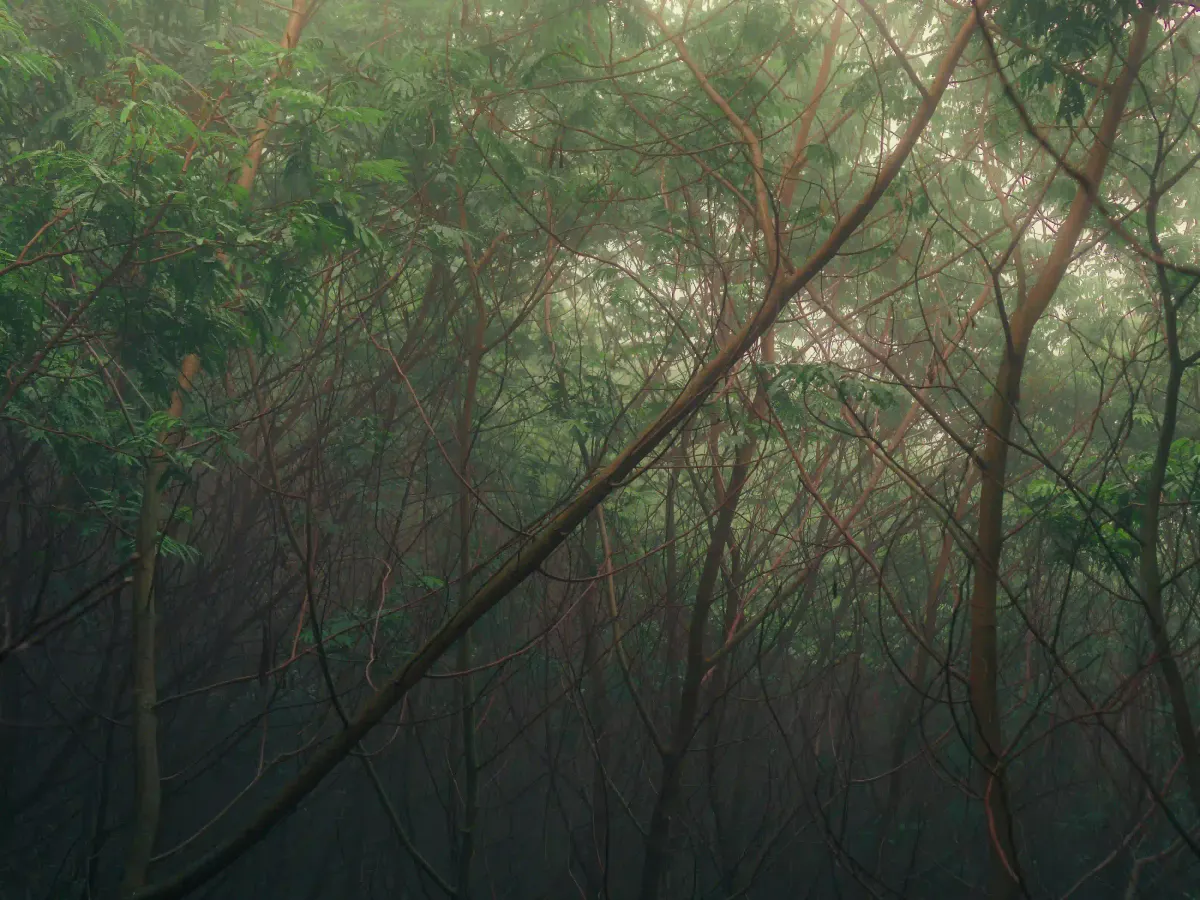
You take a deep breath while walking in a forest. A cool breeze hits your face, and you feel clean air filling your lungs. You think you are simply resting in nature, escaping the exhausting crowds of the city. Yet what you experience in that moment is a pull into a massive biochemical network. Behind the silent and motionless facade of the trees lies a ruthless battle for survival.
The Chemical Shield of the Forest
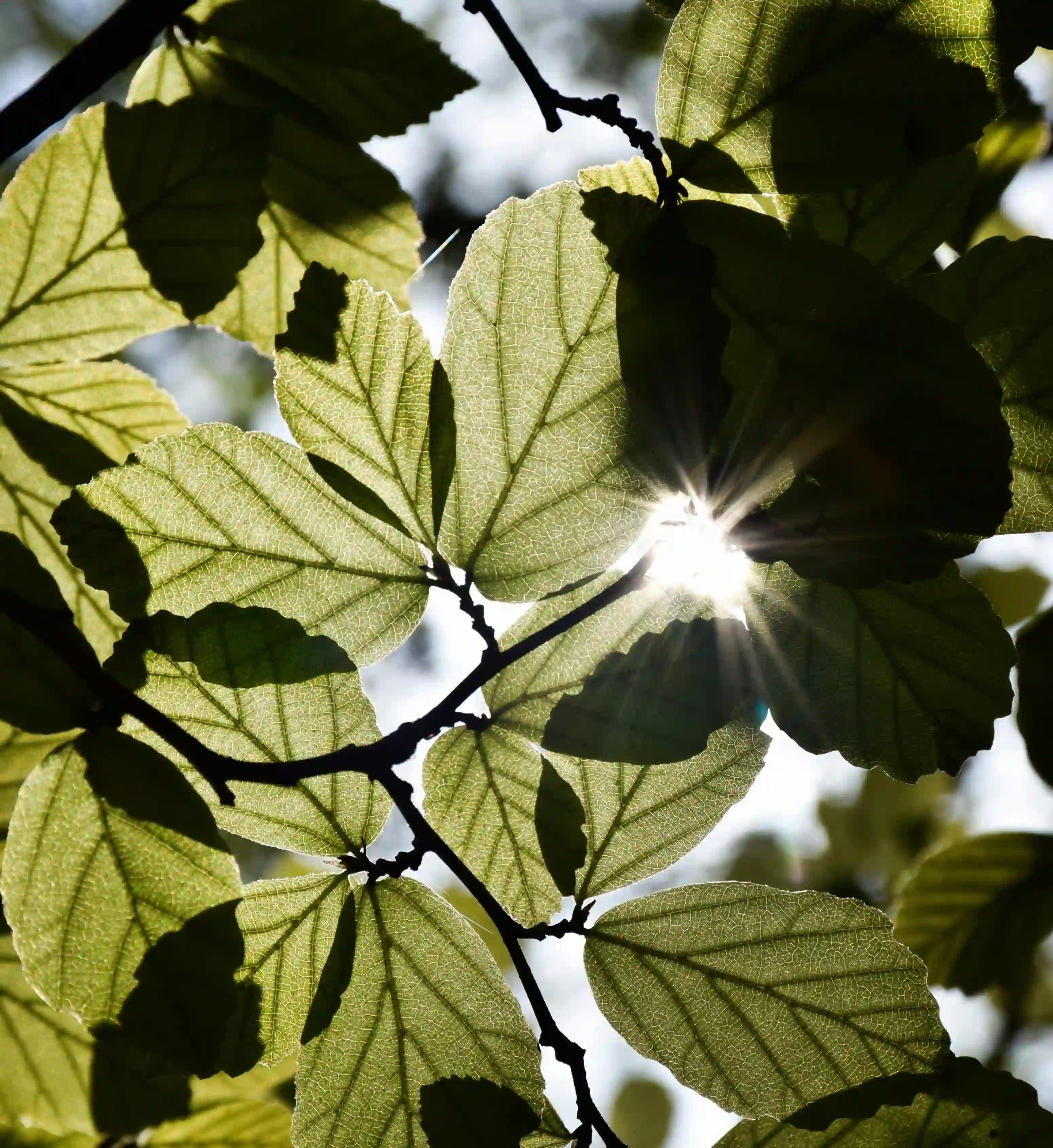
Scientists decoded the truth behind this static illusion years ago. Trees cannot run from approaching danger. Because they cannot move, they must defend themselves against insects, bacteria, and diseases right where they stand. To build this defense line, they release volatile organic molecules called phytoncides into the air. That sharp scent of soil, pine, and resin you smell in the forest is actually the scent of this chemical shield released by the ecosystem.
When our biological hardware recognizes this air, it reacts powerfully on a cellular level. The moment you breathe in the phytoncides in the forest air, the number of Natural Killer cells in your immune system begins to measurably increase. Known as NK cells in medical literature, these cells are responsible for immediately destroying tumors and virus-infected tissues in the human body. Your body rapidly shuts down the chronic biological alarm state it developed in the chaos of the city and integrates into this ancient forest rhythm.
Cellular Proof and the Art of Senses
Clinical data obtained by researchers at Nippon Medical School completely changes the dimensions of this interaction. According to studies conducted by Dr. Qing Li, President of the Japanese Society of Forest Medicine, contact with the forest dramatically lowers stress hormones in the blood like cortisol and adrenaline. Thanks to this effect on the central nervous system, the heart rate slows down and blood pressure balances. The body abandons the fight or flight reflex triggered in times of danger and transitions into a process of repair.
The most striking aspect of medical research is the permanence of the effect. A forest visit lasting three days and two nights increases the intracellular production of anticancer proteins called perforin and granulysin. This creates a cellular immunity shield in the body that will last for thirty days. Scientific facts prove this act is a physiological intervention far different from a romantic nature walk. Dr. Qing Li summarizes this situation in his study presented to the medical world with these words:
"Shinrin-yoku is not exercise, or hiking, or jogging. It is simply being in nature, connecting with it through our senses of sight, hearing, taste, smell and touch. Shinrin-yoku is like a bridge. By opening our senses, it bridges the gap between us and the natural world." (Dr. Qing Li, Medical Doctor at Nippon Medical School, President of the Japanese Society of Forest Medicine)
The Industrial Crisis of the 1980s
At the core of this biological mechanism transforming into a national health policy lies a dark industrial crisis experienced by Japan. In the 1980s, the country was undergoing an unprecedented rate of urbanization and technological growth. The price of this speed was a mental and physical collapse that fell upon the society. The concept of Karoshi, which entered the literature of the era, summarized the situation in its harshest form. The term literally translates to sudden death from overwork. People were losing their lives by suffering heart attacks at their desks following insomnia and intense stress.
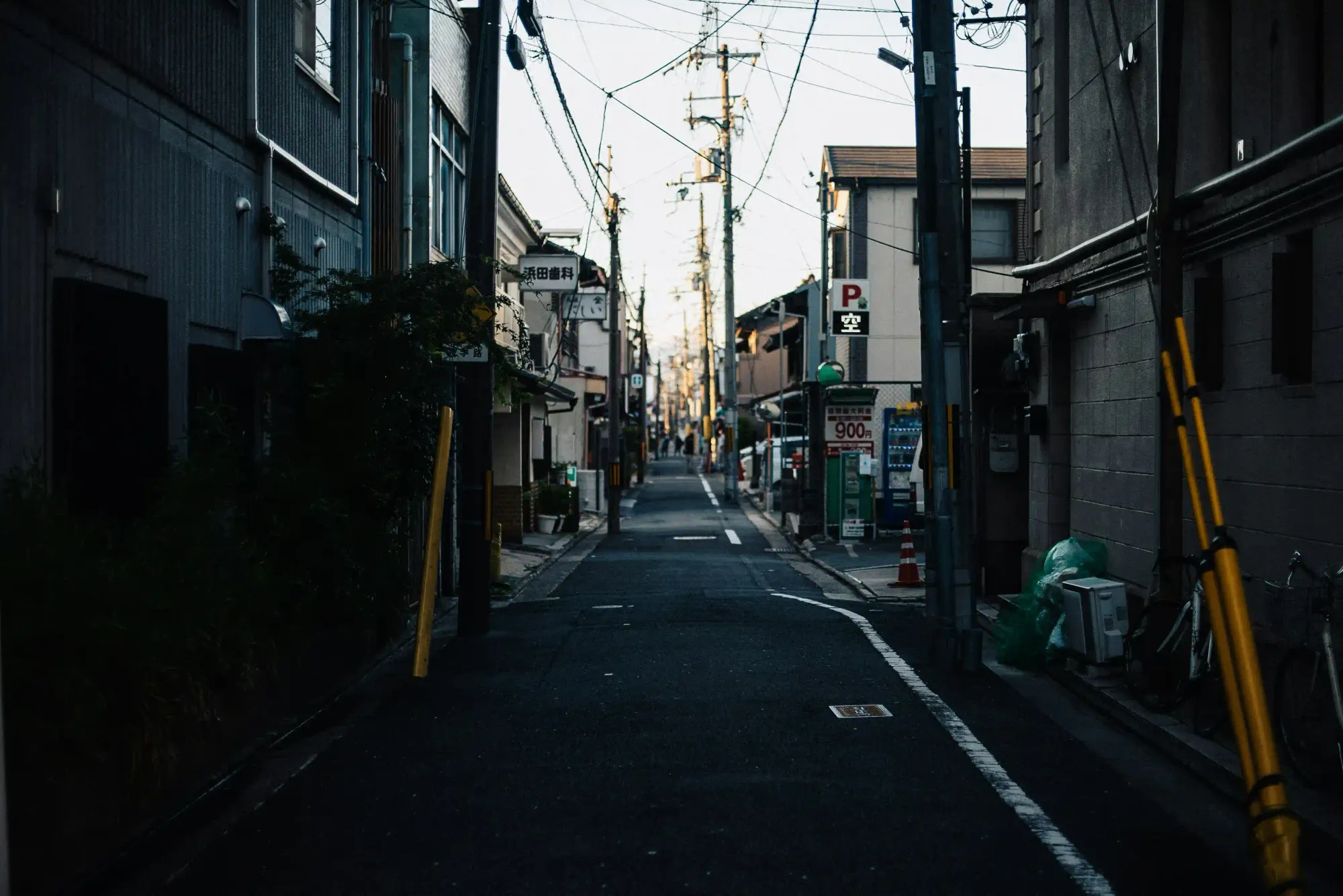
The government realized the toll of this crisis was growing heavier every day. A historic decision was made in 1982. The Japanese Forestry Agency launched an official program directing the public straight into the forests, seeking a public health solution beyond traditional medical institutions. This practice, named Shinrin-yoku, transformed forests into state-backed therapeutic spaces. The bond established with nature was no longer a cultural preference but a matter of survival.
The Biological Cost of Concrete Walls
The vast majority of human history was spent inside this biological cycle, breathing air filled with phytoncides. Today, however, data from the Environmental Protection Agency shows that an average American spends 93 percent of their life behind closed buildings, concrete walls, and glowing screens.
Modern urban planners prefer to leave nature outside when designing the urban fabric. The offices and glass plazas that protect us from the rain have severed us from the primary cellular healing system that keeps us alive. While assuming we are physically more sheltered, we are rapidly losing our cellular immunity. We built our entire life strategy on this illusion of security. We fell into the misconception that we are isolated entities, completely independent of nature while constructing cities.
We believe we have designed our cities with precise engineering to protect us from the unpredictable dangers of the outside world. We thought we could become independent of nature as we illuminated every corner and raised the walls. But what if we left our most fundamental immunity and mental balance in those dark forests? Do these massive concrete walls we built for our safety truly protect us, or are they silently making us sick by severing us from our primary defense mechanism?
— Related Reading: The Architecture of Empathy and Singapore's Vision for a City in Nature