Beyond History: 7 Extraordinary Spaces That Confront You With Humanity's Legacy
Museums are no longer just quiet buildings displaying the past behind dusty glass. Today, they are active spaces of physical and psychological confrontation. We examine 7 extraordinary archives that challenge our hubris, traumas, and resilience to ask: what is humanity's ultimate legacy?
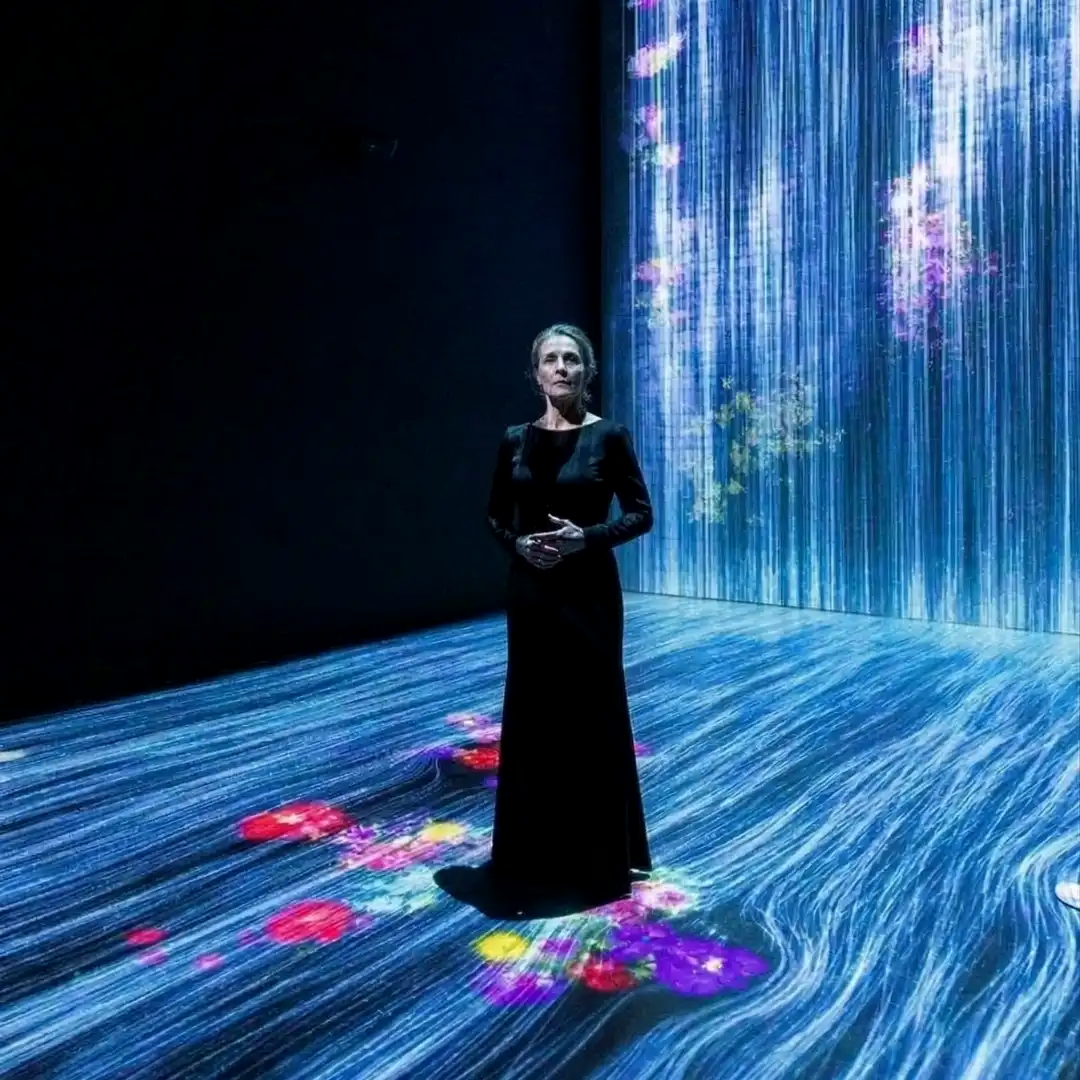
For most of us, museums are hardwired into our minds as quiet, static buildings where the past is displayed behind dusty glass. Traditional museology teaches us to "watch" history in chronological order. However, in the 21st century, the concept of the museum is undergoing a radical metamorphosis. Today, certain structures do more than just show what happened; through their architecture, their curation, and the "voids" they display, they force us to question who we actually are.
Humanity's cultural memory is not comprised solely of triumphs, golden crowns, or flawless sculptures. Our traumas, our hubris, our destructive war with nature, and our capacity to rise from the ashes are all inseparable parts of this legacy.
We examine 7 extraordinary archives that elevate you from a mere visitor, inviting you to a physical and psychological confrontation with our shared human heritage.
1. Svalbard Global Seed Vault (Norway)
The Archive of Life That Begins Where Traditional Art Ends
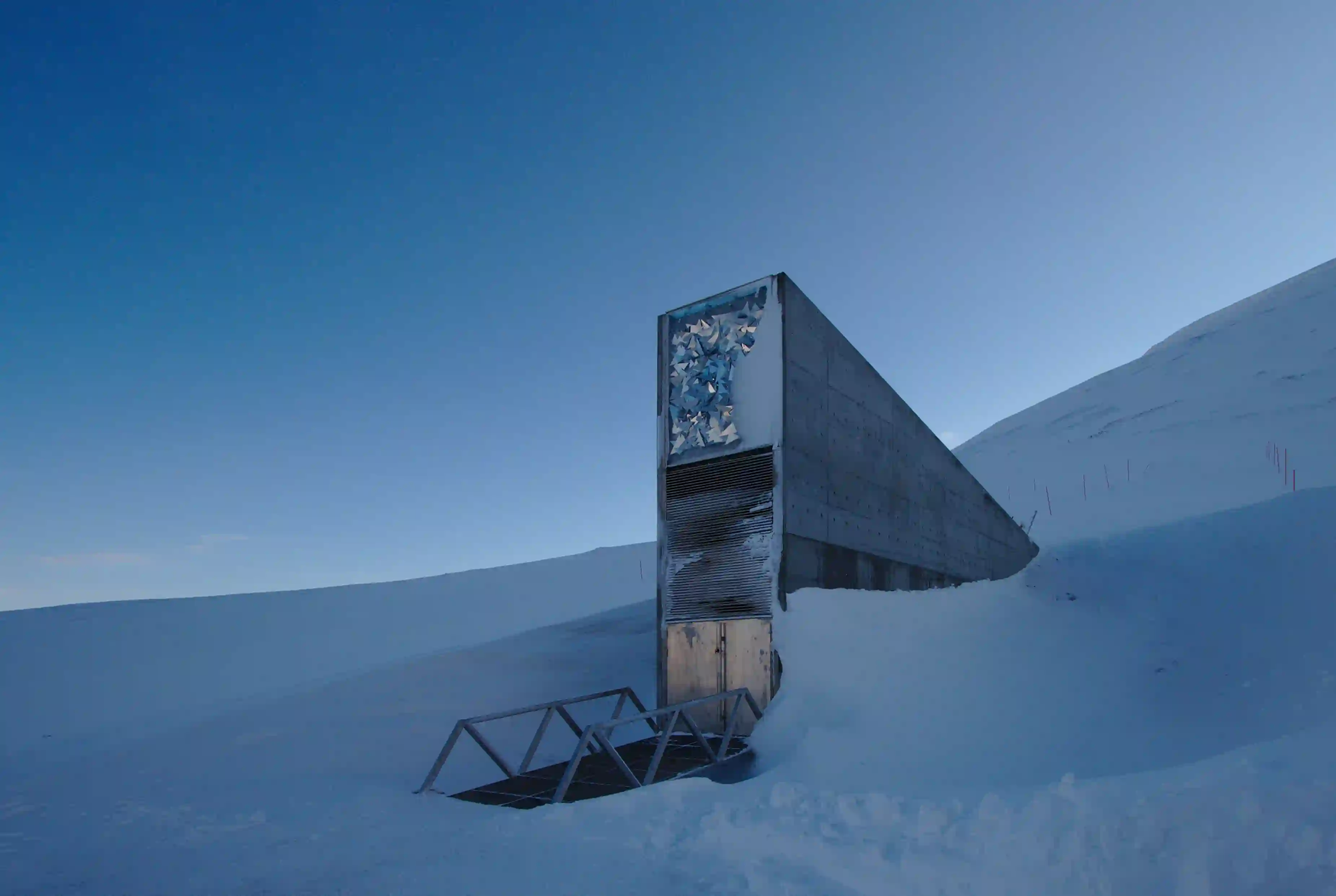
We must begin with a structure that is not a "museum" in the traditional sense, yet holds the most vital legacy humanity could ever leave behind. Built deep into the permafrost on the island of Spitsbergen, just a thousand kilometers from the North Pole, the Svalbard Global Seed Vault—popularly known as the "Doomsday Vault"—is modern civilization's ultimate insurance policy.
This monolithic structure safeguards the seeds of nearly every plant species on the planet at minus 18 degrees Celsius against a potential global catastrophe. Behind doors closed to visitors, Svalbard asks us a staggering question: If our civilization collapses following a climate crisis or nuclear war, will our most valuable legacy be our priceless paintings, or these tiny seeds that will allow life to sprout anew?
2. Museu do Amanhã / Museum of Tomorrow (Brazil)
Exhibiting the Anthropocene, Not the Past
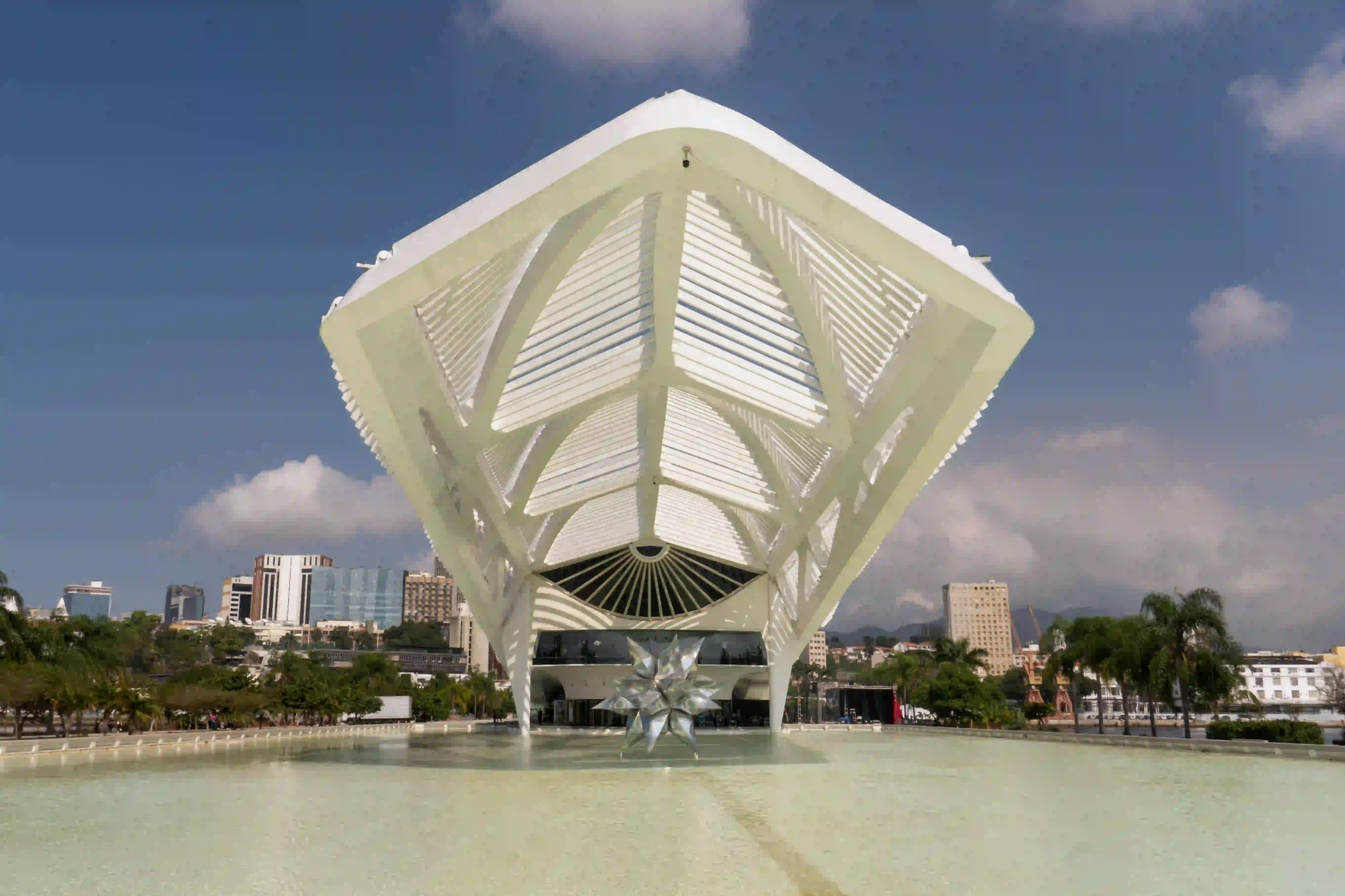
While ninety-nine percent of the world's museums focus on the past, the Museu do Amanhã (Museum of Tomorrow) in Rio de Janeiro builds its entire existence on a single question: "What kind of legacy will we leave for tomorrow?"
Designed by Spanish architect Santiago Calatrava as a futuristic spaceship or a massive organism reaching out into Guanabara Bay, this structure uses data and science to exhibit the impacts of the human-centric era (the Anthropocene) on the planet. Through massive screens and interactive simulations, the museum throws the global climate crisis, ocean acidification, and the extinction of biodiversity right in our faces. It is a technological mirror that showcases not history, but humanity's destructive relationship with the planet, transforming its visitors from passive observers into active decision-makers.
3. Zeitz MOCAA (South Africa)
From an Industrial Ruin to a Cultural Sanctuary
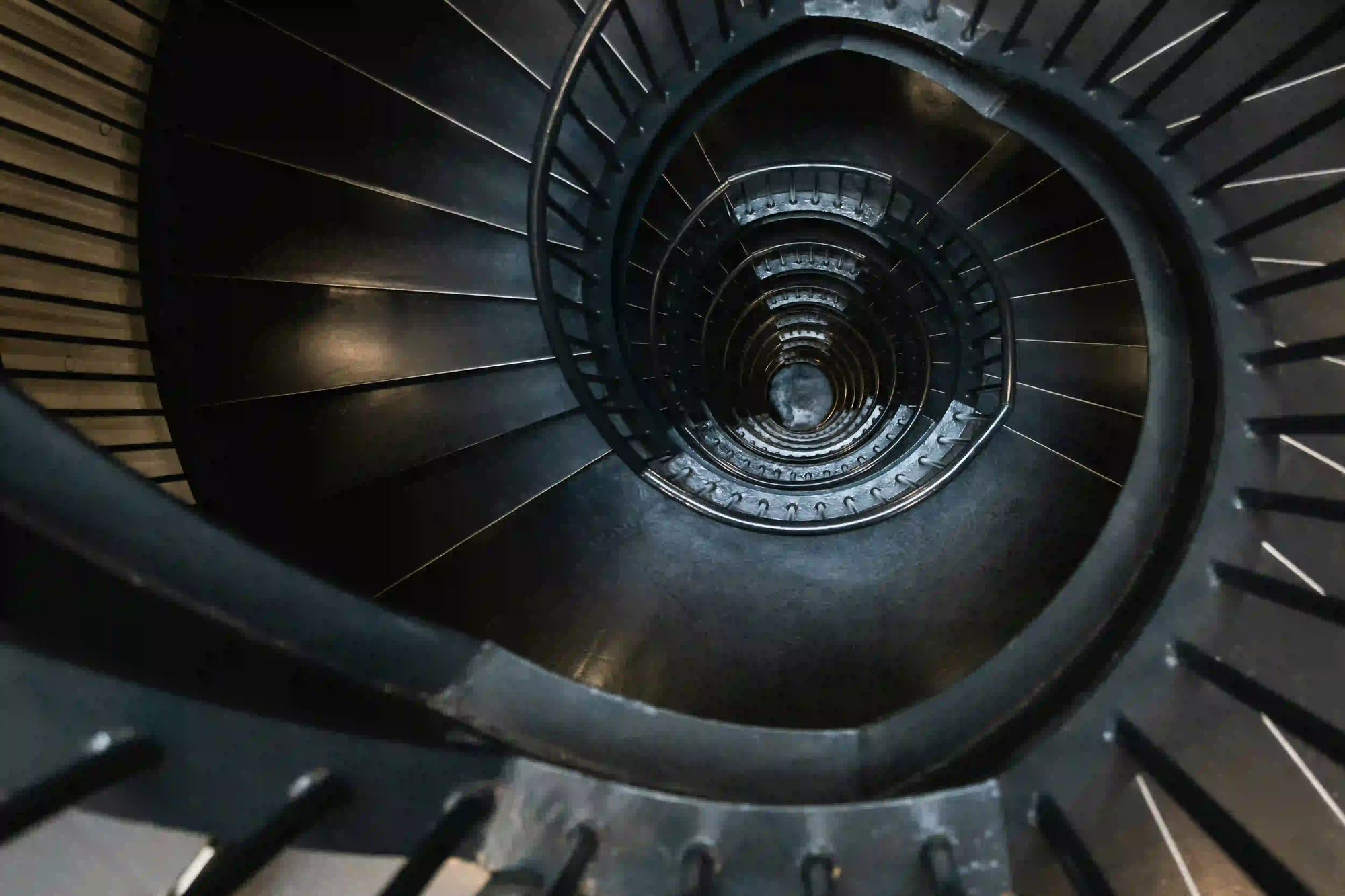
The world's most striking example of how human genius can transform an obsolete, ugly industrial wasteland into a temple of art is found in Cape Town. The Zeitz Museum of Contemporary Art Africa (Zeitz MOCAA) was built inside a massive, abandoned grain silo that was once the tallest building in South Africa.
Instead of demolishing the structure, the design firm Heatherwick Studio carved out the interior of 42 massive concrete tubes like a sculptor, creating an incredible, honeycomb-shaped atrium. This space is concrete proof of how a continent, long overshadowed by a history of colonialism and industrialization, is rebuilding its own contemporary art, on its own soil, and by its own rules. The building tells a story of resistance and reclamation through its own architectural existence as much as through the artworks it displays.
"Architecture is not merely walls enclosing a void; it is the echo that void creates within human psychology."
4. Hiroshima Peace Memorial Museum (Japan)
The Silent Archive of Human Hubris and Extinction
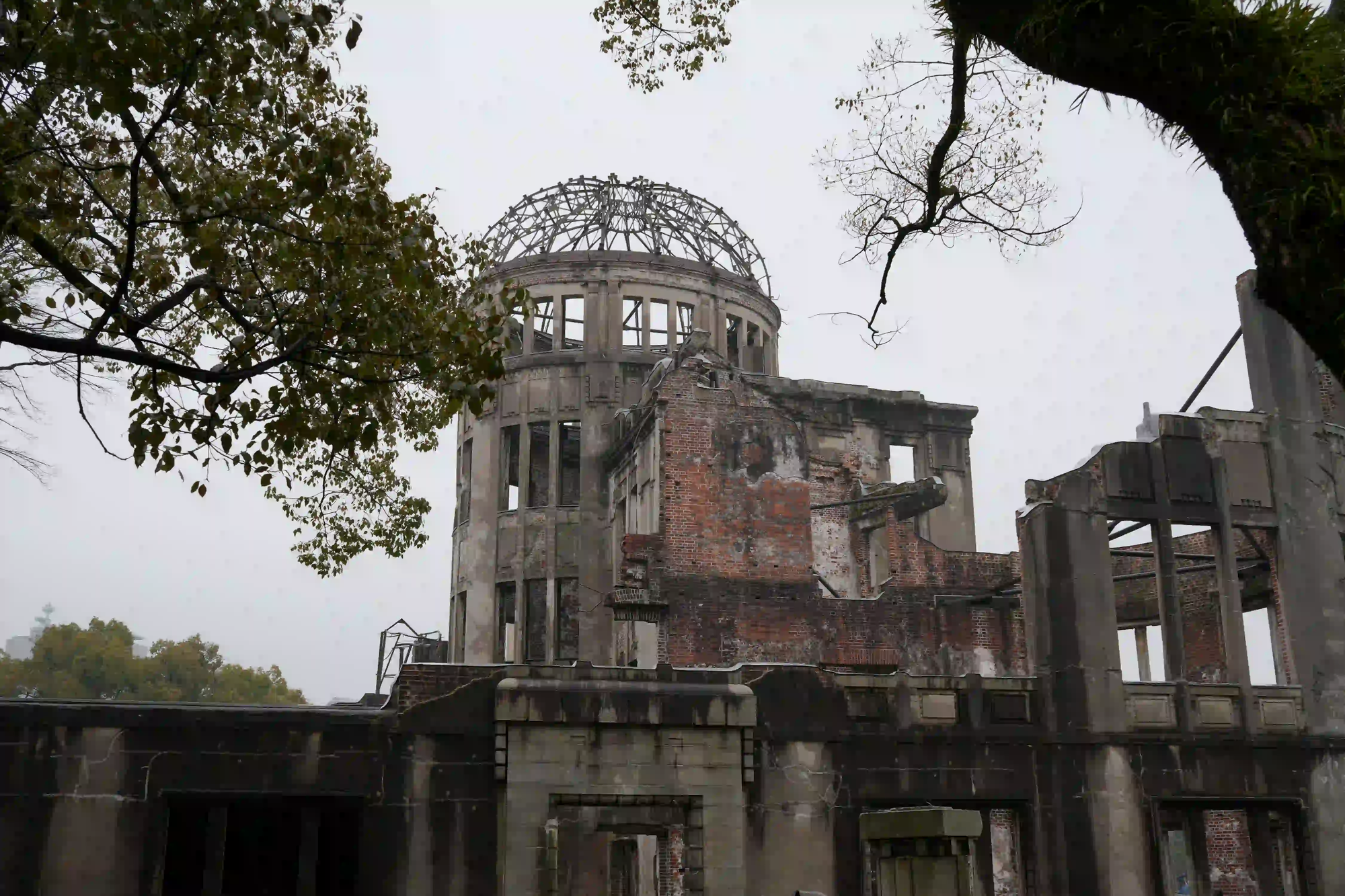
Although the concept of dark tourism is often associated with sensational curiosity, the Hiroshima Peace Memorial Museum transforms this concept into a profound ethical confrontation. Documenting the darkest point humanity's capacity for self-destruction has ever reached, the museum leaves its visitors alone not with grand narratives of heroism, but with microscopic, individual agonies.
Exhibited near the epicenter of the nuclear catastrophe, melted glass bottles, a scorched tricycle, and a pocket watch stopped precisely at 08:15 serve as undeniable proof of how thousands of years of human history and technological progress can be reduced to ash in seconds. As the museum delivers history's most painful lesson, it demands only one thing from the visitor: a deep, uncomfortable, and absolute silence.
5. National Museum of African American History and Culture (USA)
A Monumental Cultural Triumph Born From Trauma
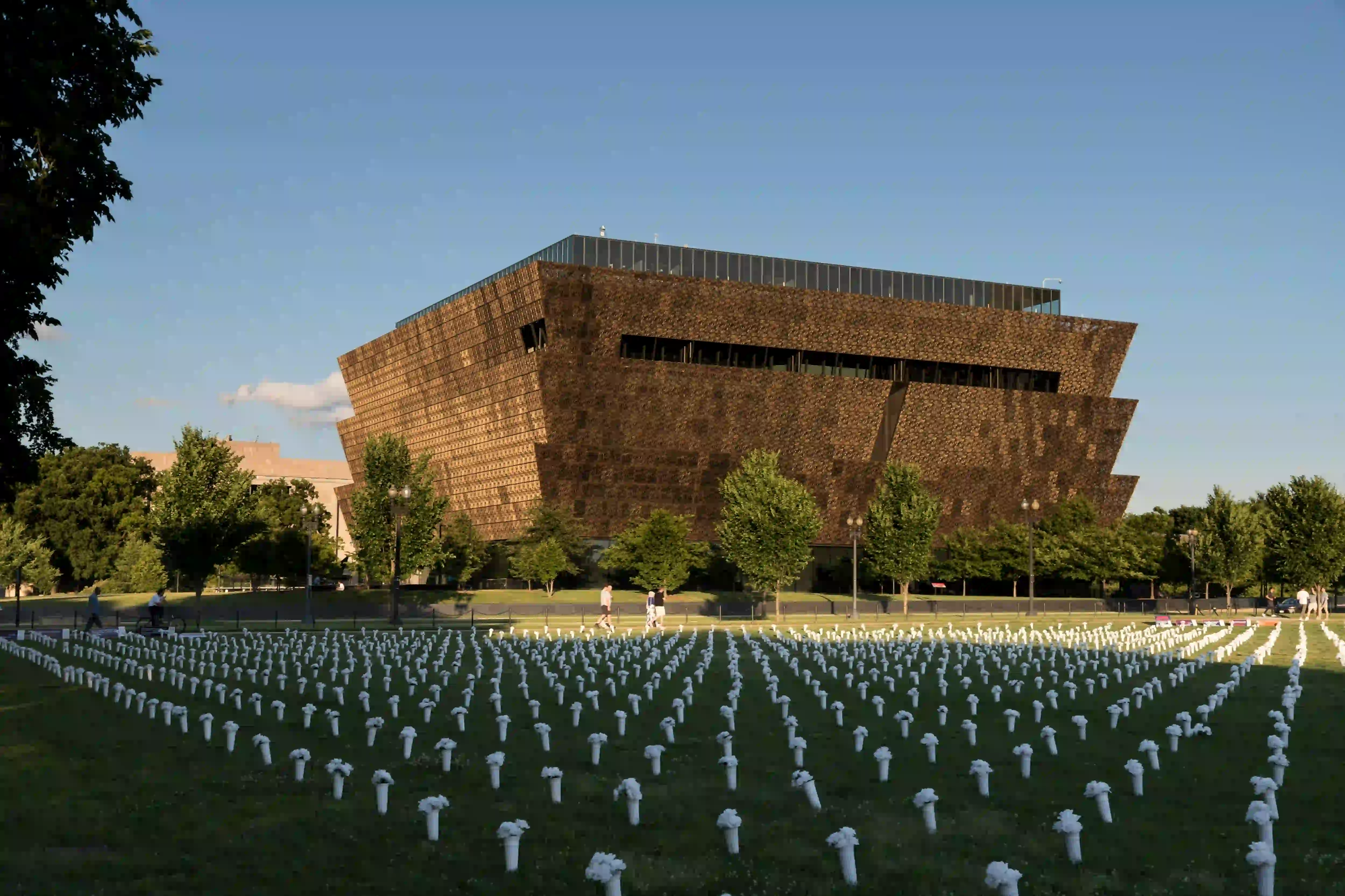
Located on the National Mall in Washington D.C., this museum (NMAAHC) is one of the most important examples of architectural storytelling in the history of museology through its design and curation. The exterior of the building, designed by architect David Adjaye, is covered in a bronze mesh inspired by a three-tiered crown (corona) in Yoruba art, evoking the ironwork crafted by enslaved artisans.
Visitors begin their journey through the museum in the dark, claustrophobic subterranean levels—the brutality of the slave trade. As they climb upward toward the light, the historical narrative shifts; pain and exploitation give way to a global cultural triumph achieved through music, literature, sports, and the civil rights struggle. This structure archives not only the tragedy a people endured, but the resilience they forged from within it.
6. Louvre Abu Dhabi (United Arab Emirates)
Uniting the Universal Human Experience Under One Roof
Traditional museums exhibit artifacts separated by geographical and cultural boundaries, such as "Egypt," "Rome," "Asia," or "Islamic Art." This approach creates the illusion that civilizations are independent, or even rivals. The Louvre Abu Dhabi shatters this preconception, offering a genuinely universal curation.
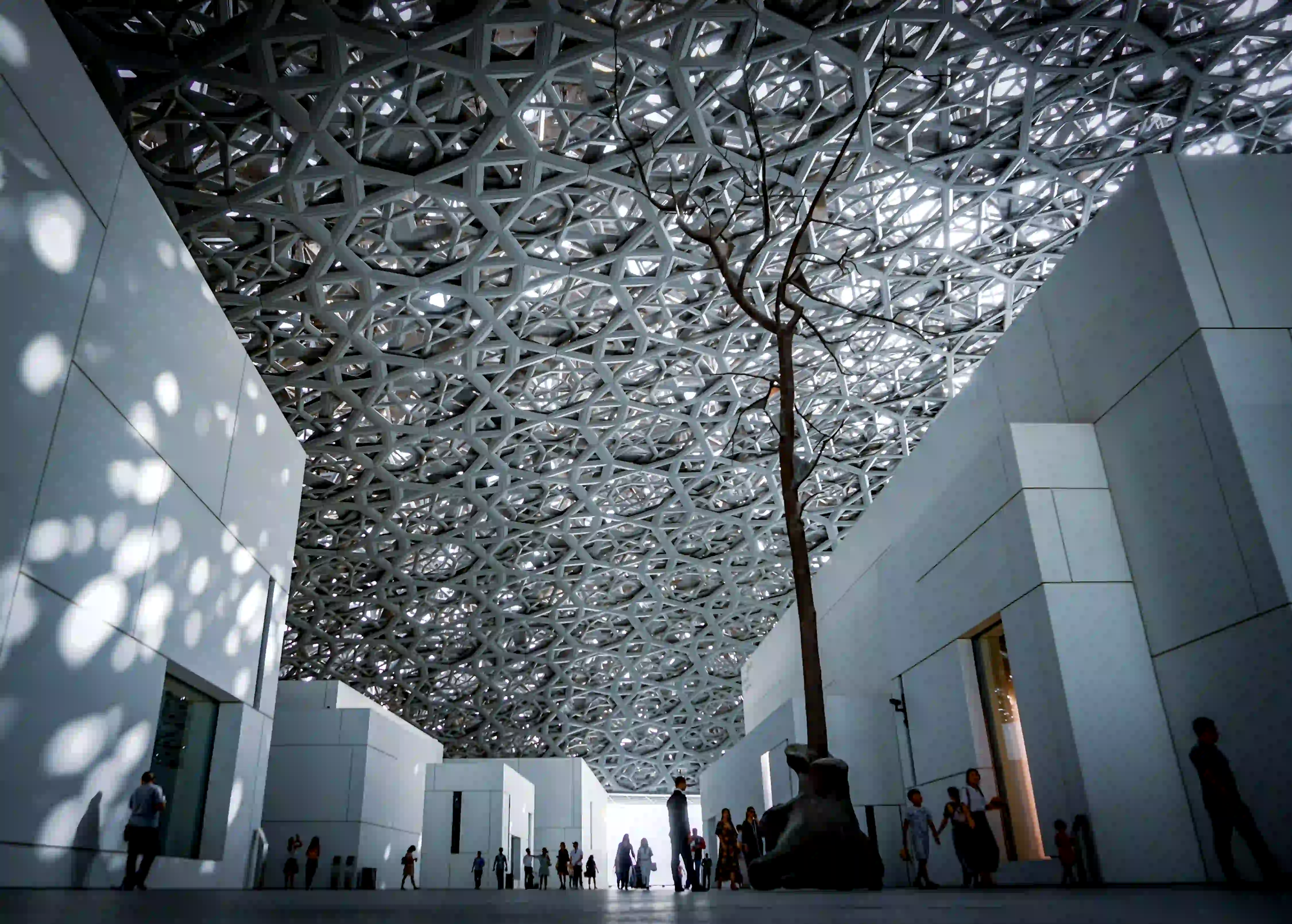
The museum categorizes its pieces not by geography, but by chronology and universal themes. A medieval Bible, an ancient Quran, and a Torah stand side-by-side in the same display case, while maternity figures from different continents face one another in the same room. Walking beneath the massive steel dome designed by Pritzker-winning architect Jean Nouvel—which filters a mesmerizing "rain of light" into the space—you realize just how much of a shared soul civilizations we assume belong to different worlds actually have in their quest for faith, power, and beauty.
7. The Grand Egyptian Museum (Egypt)
The Modern Temple of the Obsession with Immortality
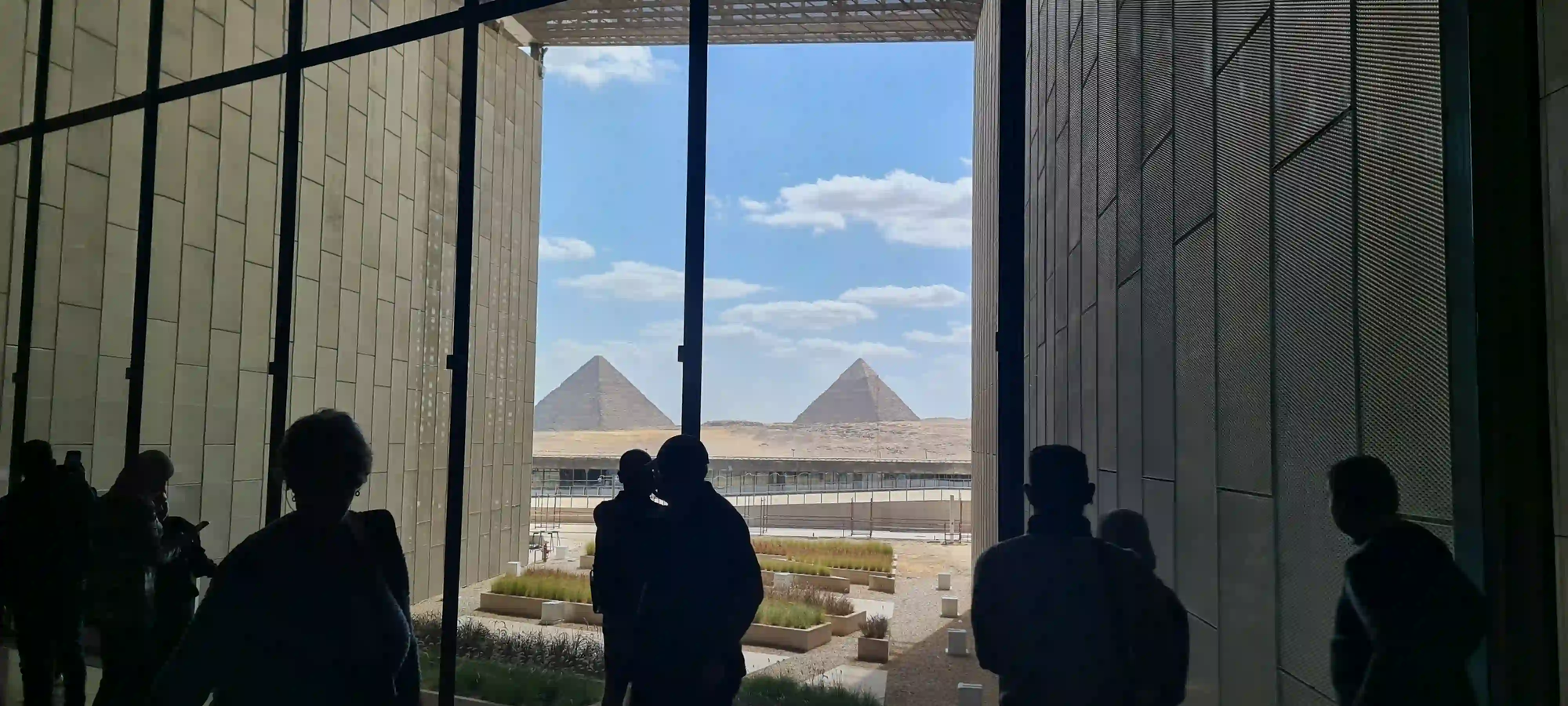
Built right next to the Pyramids of Giza with a budget exceeding $1 billion, the Grand Egyptian Museum (GEM) holds the title of the world's largest archaeological museum dedicated to a single civilization. However, what lands this colossal structure on our list is not merely its size or the treasures of Tutankhamun it houses.
The museum is the modern world's reflection of humanity's millennia-old architectural obsession with death, eternity, and defeating time. The symmetry between the monumental engineering marvels built by the ancient Egyptians to carry their pharaohs into eternity and the massive concrete and glass structures built by modern humans to exhibit this heritage is profoundly thought-provoking. The building whispers how unchanging modern man's desire to "leave a lasting mark" remains in the shadow of the past.
What Is Our Legacy, Truly?
These seven structures prove to us that humanity does not have a one-dimensional story. We are a species forward-thinking enough to hide all the seeds on Earth inside a frozen mountain, yet destructive enough to reduce cities to ash with a single bomb. We can forge colossal art galleries from our industrial ruins and build world-influencing cultures from our deepest traumas.
As we walk the corridors of these archives, are we not left with one grand question: When future generations build the museum of today, will they exhibit the brilliant examples of our creativity in their vitrines, or the ruins caused by our hubris? Which will be the ultimate legacy of humanity?
— Related Reading: 7 Documentaries That Will Change Your Relationship With the Planet