How the rugged cliffs of the Lycian Way shaped the US Constitution
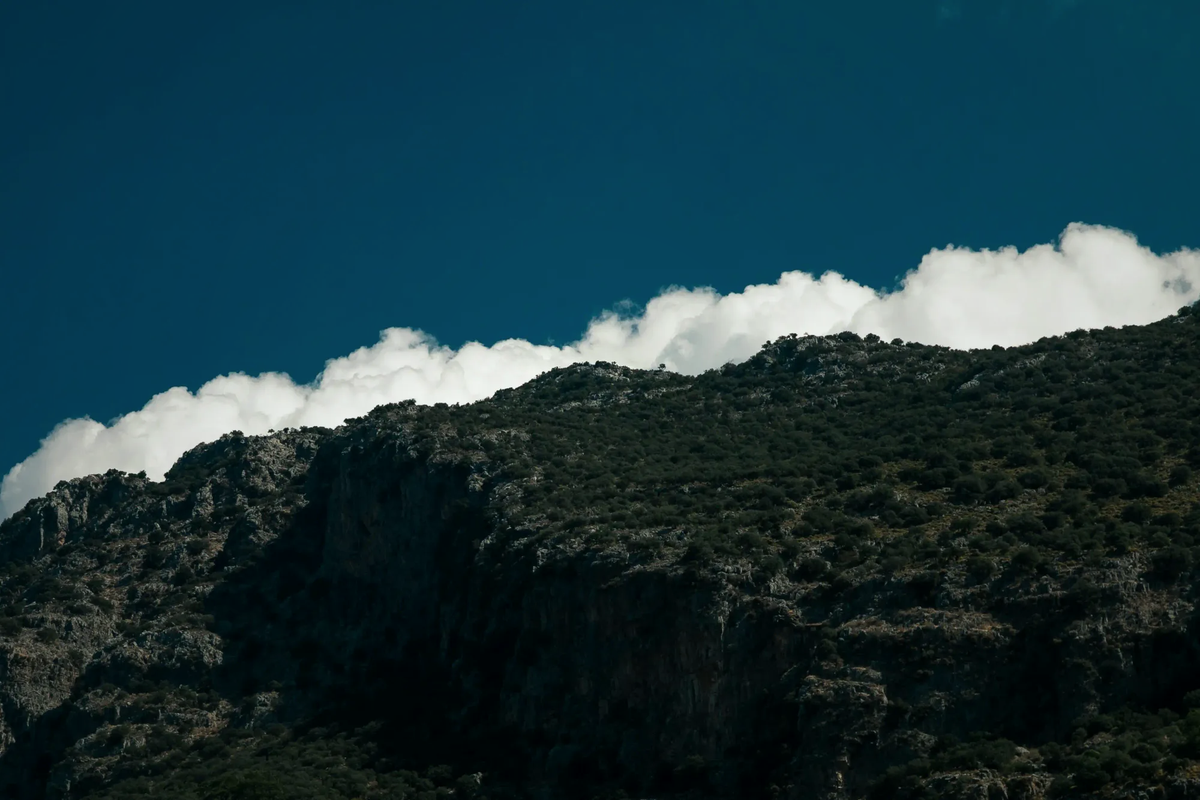
What if you were told that the foundations upholding one of the modern world's most influential constitutional systems were not laid in the marble halls of Athens, but among the rugged, untamed cliffs of southern Turkey? History is not always honest about the legacies it leaves behind, and the story of the Lycian Civilization holds one of the most striking examples of this truth.
Stretching 540 kilometers from Fethiye to Antalya, the famous "Lycian Way" is marketed today as one of the world's most breathtaking trekking routes. Yet, this is no ordinary nature hike. Travelers walking this harsh terrain, where the Taurus Mountains drop like a wall into the Mediterranean, are actually stepping over 2,000 years of political genius as they pass between ancient cities and colossal rock tombs hidden within the forests.
A Constitution Forged by Geography
In the 2nd century BCE, the 23 seafaring cities of the Lycian region were isolated from one another by massive canyons and impassable mountains. This geographic isolation left them highly vulnerable to external threats. To survive, they had to unite; however, no single city was willing to surrender its autonomy and independence.

Driven entirely by geographic necessity, they established history's first known system of "Proportional Representation"—the Lycian League.
The system was built on a flawless mathematical equilibrium:
- Large Cities (such as Xanthos and Patara): Held 3 votes in the League's assembly.
- Medium-Sized Cities: Held 2 votes.
- Small Cities: Held 1 vote.
But why didn't the larger cities simply unite to crush the smaller ones? Because in this system, power came with a heavy price. Cities holding three votes were also required to shoulder the League's taxes and military burdens in the exact same proportion. While small cities were saved from being crushed under massive taxes, the larger cities—which were in constant commercial and political competition with one another—always needed the votes and alliances of the smaller ones to pass their own laws. This equitable distribution of power and burden was the most perfect mechanism of balance the ancient world had ever seen.
This structure was so rational that, millennia later, the French philosopher Montesquieu would hail this league as "the most perfect constitution of antiquity."
The Illusion of Physical Legacy and Hubris
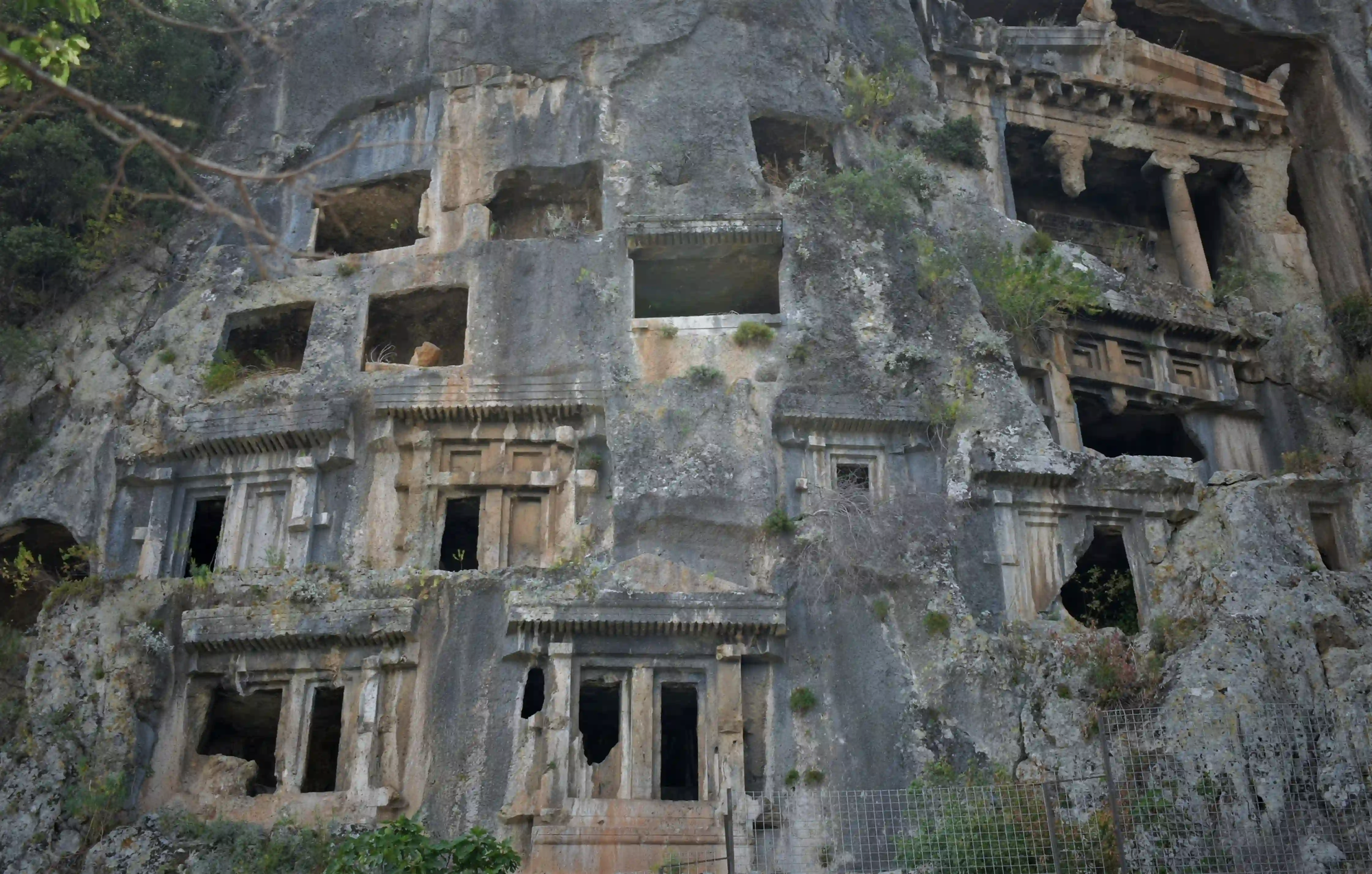
However, the Lycians poured all their energy into the physical realm, not abstract ideas, in their quest to endure into the future and achieve "immortality." Hoping to make their kings unforgettable, they carved gargantuan sarcophagi into those impassable cliffs and along the very route we hike today. They believed that the larger the stones they left on nature's highest and most unforgiving peaks, the more permanent they would become.
If you look closely at those monumental tombs while hiking the Lycian Way today, you will encounter a staggering reality: They are all empty.
Plundered millennia ago by tomb raiders, these structures stand as monuments to the physical stone surrendering to human greed. The massive monuments they physically built decayed, and the names of their kings have long been forgotten.
1787 Philadelphia: The Awakening of an Idea
History's greatest irony begins precisely here: What truly made them immortal was not those colossal stones, but the "invisible" idea that nature had taught them.
Thousands of years after the construction of those rock tombs, across the ocean, the Founding Fathers of the United States reached a deadlock while drafting a new constitution. How would large and small states be represented in Congress? On that day, future US President James Madison took the floor. As a solution, he referenced neither Athens nor Rome, but the Lycian League born on those rugged Mediterranean cliffs. He argued that proportional representation was the only balance that could sustain a nation.
Today, even though their physical monuments have long turned to ruins, the abstract idea of "Proportional Representation" they learned from nature lives on as the backbone of the US House of Representatives.
It seems our true legacy for the future lies not in the hubris we carve into stone, but in the mathematics of the ideas we plant in minds.