Why Cities Plant Male Trees
New York's street-tree guide specifies male ginkgos. Then come the pollen records, the trees nobody planted, and a ginkgo in Portland that began producing seeds despite its label.
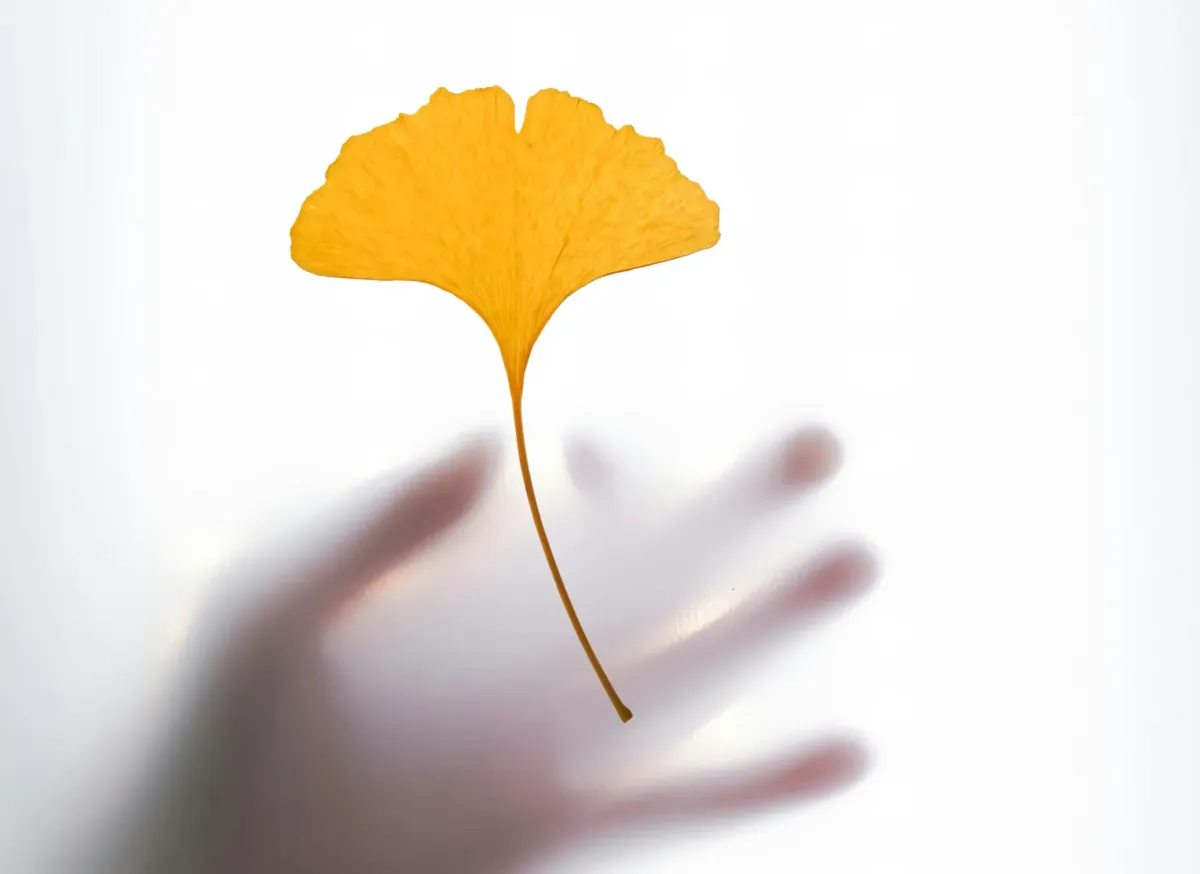
In the fall of 2017, Ned Friedman, a botanist at Harvard’s Arnold Arboretum, invited readers to linger beneath a female ginkgo by the Walter Street gate in Boston. Its fan-shaped leaves had turned gold, but the reason for the visit lay underfoot. The fleshy coat of a fallen ginkgo seed contains butyric acid, the compound behind the smell of rancid butter and vomit. Friedman wanted visitors to experience the part of the tree that no photograph could convey.
New York City had a different idea for its sidewalks. An official street-tree guide lists the ginkgo with a two-word instruction: Male Only. Male trees produce pollen but none of those pungent seeds. Nurseries graft male cultivars such as Autumn Gold, making the choice before a young tree reaches the street. The shade stays. The seeds do not.
The preference has a long history. In its 1949 Yearbook of Agriculture, the US Department of Agriculture advised choosing male cottonwoods if they were used for street planting on the Great Plains, to avoid the cottony seeds released by females. The white drifts were visible, but they were not pollen. That came from the male trees earlier in the season. What could be seen and swept up received the clearest warning.
The same calculation gave a white mulberry cultivar its name: Fruitless. Its male trees spared sidewalks and parked cars the dark stains of fallen mulberries. In spring, however, they still released pollen into the air.
For horticulture teacher Thomas Leo Ogren, that distinction became personal. His wife, Yvonne, had asthma and allergies. When he began photographing flowers on the trees and shrubs he suspected, he found male blossoms easily but struggled to find female ones, he later wrote. He called the preference he saw in nurseries and planting lists botanical sexism. Cities, he argued, were taking fruit off the ground while putting more pollen into the air.
In Clark County, Nevada, pollen had already become a matter of regulation. In 1991, the county barred new planting and sale of fruitless mulberry and European olive trees because they contributed to high spring pollen levels in urban areas. Today, a grower seeking an exemption for a low-pollen cultivar must show that it releases less than 15 percent as much pollen as a conventional mature tree.
From Rooftop to Street
Ogren’s phrase offered a compelling explanation for a miserable allergy season. But how much of a city’s pollen could actually be traced to a preference for male trees?
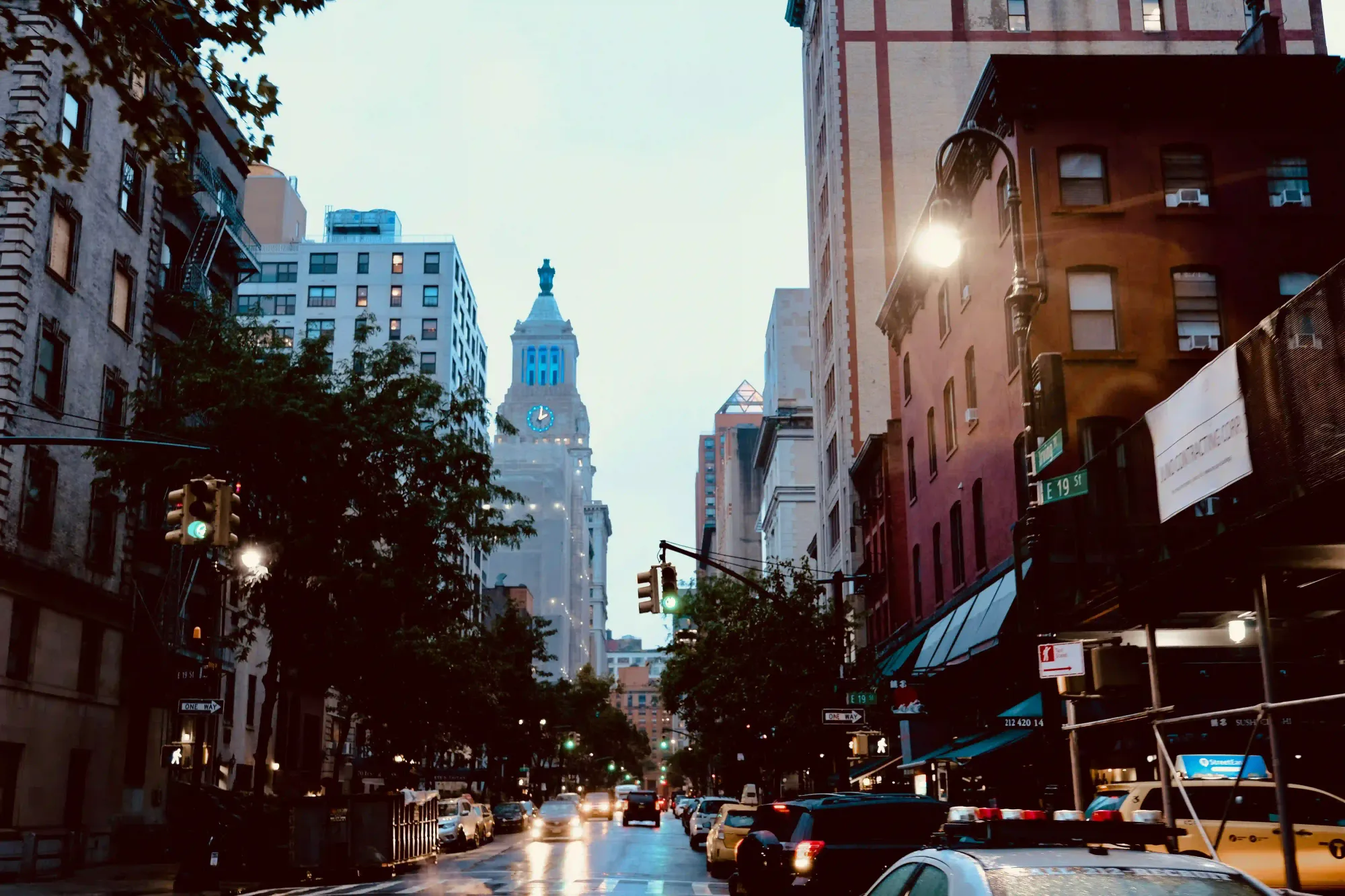
In 2009, Fordham University researcher Guy Robinson began providing Manhattan residents with readings from a pollen sampler on the roof of the university’s law school. That summer, three high school students mapped pollen-producing trees and shrubs on the streets below.
Years later, Daniel Katz, Robinson, and their colleagues combined four pollen seasons of readings from the roof with citywide tree surveys and estimates of pollen production. Their 2024 study found that ginkgo, despite the preference for male trees, accounted for less than one percent of the pollen collected at the station. Oak, plane, mulberry, and birch together made up 71 percent. Nearly a quarter was mulberry pollen.
Who had planted all those mulberries? In one citywide sample the researchers used, only two of nine mulberry trees were classified as planted. The team also noted that white mulberries often spring up on vacant land and along fences. The choice of a male sapling could affect a particular site, but it could not, on its own, explain what was growing across New York.
The longer imprint of deliberate planting appeared in the London plane. New York had favored this broad-canopied, resilient tree for decades. When Grand Army Plaza South was restored in 2026, its historic double row of London planes was reinstated. In the researchers’ model, the species was the largest estimated pollen producer of any single tree species they could assess across the city. Yet the male and female flowers of a London plane grow on the same tree. Its presence in the pollen record reflected how widely it had been planted, and how large those trees had grown, rather than a choice between male and female saplings.
The roof could not show how pollen varied from one block to another. In a separate study of the 2013 season, researchers placed pollen traps on utility poles across New York’s five boroughs. Forty-four yielded usable results. The amount of plane-tree pollen collected over the season differed seventyfold between the lowest and highest sites. A reading from a Manhattan roof was only one view of the city’s air.
A Harvest in Strawberry Boxes
At Portland’s Hoyt Arboretum, even the nursery label proved less settled than it looked. An Autumn Gold ginkgo originally planted as a male began producing seeds. In the fall of 2025, arboretum staff and the Portland Fruit Tree Project gathered beneath it for a harvest. A second tree in the grove had begun producing seeds too.
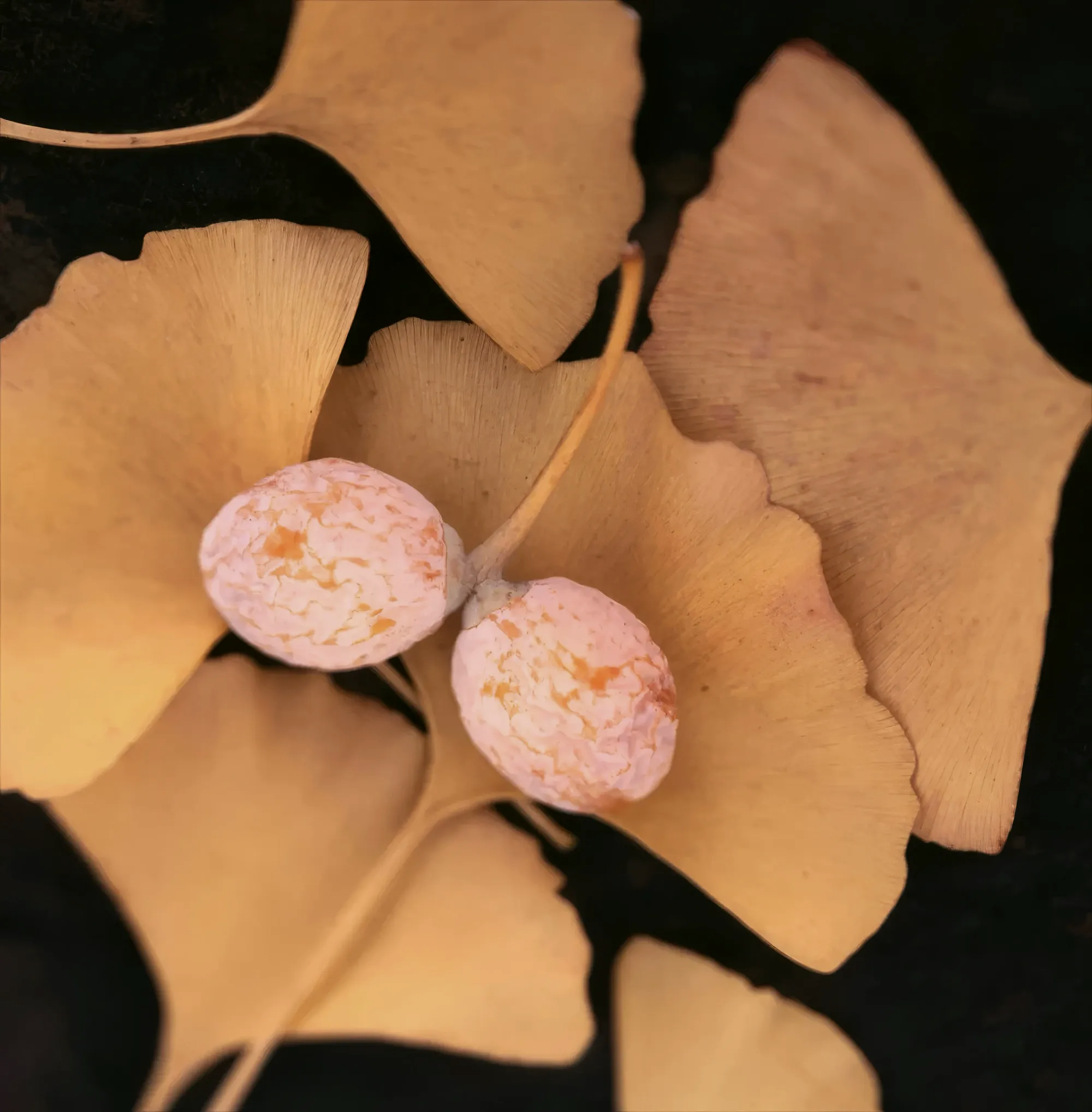
Nursery specialist Brett Rousseau described gently shaking the branches and picking the fallen seeds out of the yellow leaves by hand. The group collected 77 pounds, about 35 kilograms, of fleshy seeds from the two trees and packed them into reused strawberry boxes. After processing, the harvest was intended for the Asian Food Pantry at the Center for Positive Aging. Seeing those boxes, Rousseau imagined ginkgo nuts becoming as easy to find in a local grocery store as other produce.
The strawberry boxes did not make the ginkgo seeds any less pungent. They gave them a purpose that New York’s planting guide had no reason to anticipate. The pollen surveys tell a related story: a tree’s effects are shaped by the neighborhood around it, long after the choice has been made at the nursery.
— Related Reading: Glass Traps to Living Forests: Singapore’s City in Nature