The Concept That Saved New York: The Sidewalk Ballet
In the late 1950s, Robert Moses, New York’s most powerful urban planner of the era, placed a massive ruler over the map and drew a ten-lane highway he called the Lower Manhattan Expressway (LOMEX). This colossal river of asphalt was designed to cut straight through the heart of SoHo and Little Italy, erasing hundreds of historic buildings, independent cafes, and asymmetrical streets in a single stroke. To Moses, these neighborhoods were inefficient, diseased obstacles clogging the city's rational transit network. The engineering mindset of the time sided with him; to achieve the ultimate victory of the 1811 Commissioner's Plan—which sought to turn Manhattan into a flawless right-angled grid—clearing these old, complex streets was deemed essential.
Yet, LOMEX was never built. What saved New York's urban memory from being split in two was neither a million-dollar lobbying effort nor a political maneuver. The city was saved by a single concept introduced by a journalist named Jane Jacobs: the Sidewalk Ballet.
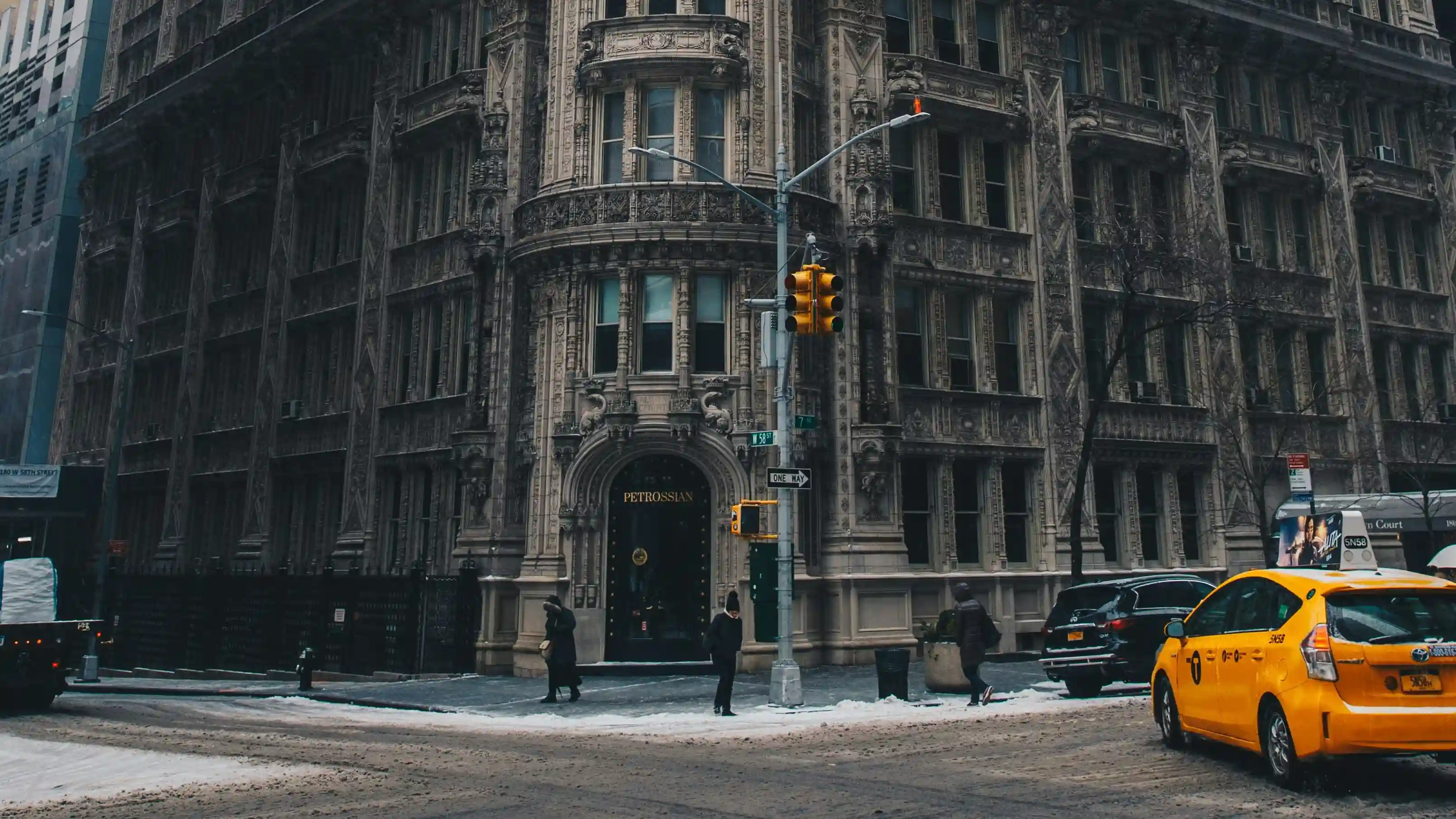
The Sidewalk Ballet and Organized Complexity
In her 1961 work, Jacobs proved that the narrow streets, old brick buildings, and dimly lit shops Moses viewed as "chaos that needed to be cleared" were actually a flawlessly functioning ecosystem. The streets of Greenwich Village were not a randomly piled heap. The grocer rolling up the shutters at eight in the morning, the retirees sitting on the front steps at noon, the record store owner nodding through the window at students passing by in the afternoon... All these individuals, even if they did not know each other personally, were parts of an organic choreography that maintained the safety and spirit of the street by sharing the same physical space. This system, which Jacobs named the "Sidewalk Ballet," was a natural mechanism that kept the street under constant surveillance, granting it vitality and identity.
For this ballet to be staged, the city required specific physical conditions. Jacobs deepened this observation with a concept borrowed from Warren Weaver, a mathematician working for the Rockefeller Foundation: Organized Complexity. Weaver divided scientific problems into three categories: problems of simplicity (the motion of a billiard ball), problems of disorganized complexity (the random collisions of millions of gas molecules in a closed box), and problems of organized complexity (the immune system of a living organism). For years, urban planners viewed the city through simple mathematical formulas like billiard balls or as random chaos like gas molecules.
According to Jacobs, the city was not a random chaos, but a massive living organism—much like an immune system—where millions of small variables are in constant, organic interaction.
The Right to Linger in the Analog Archive
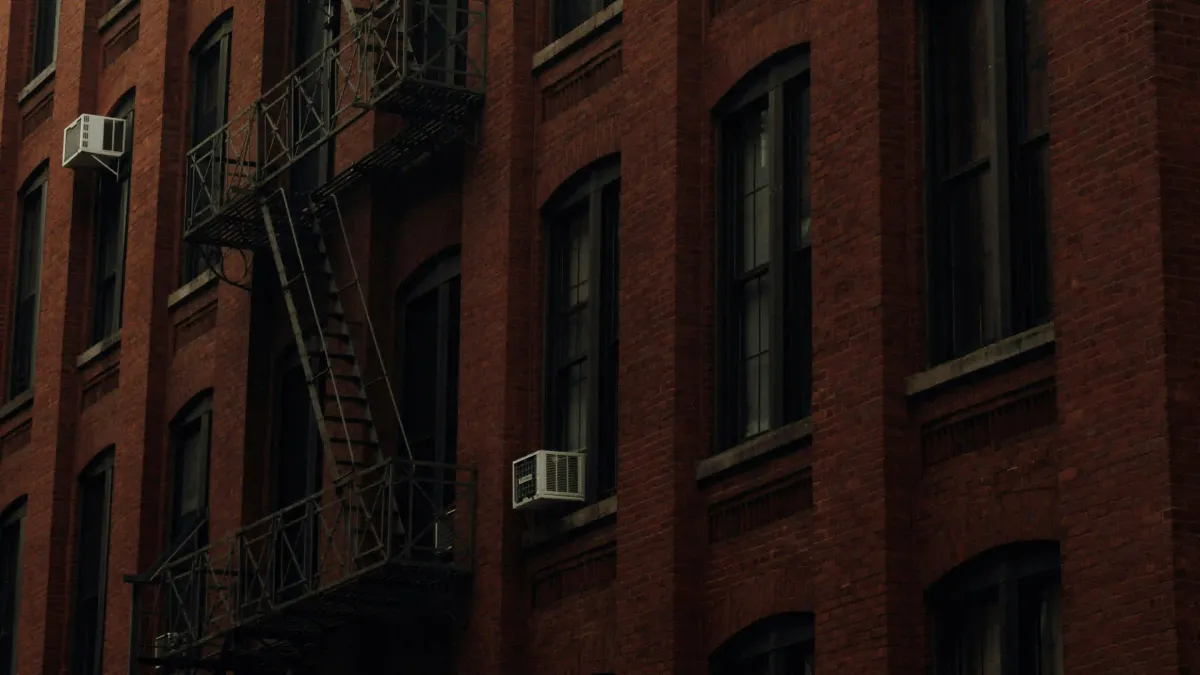
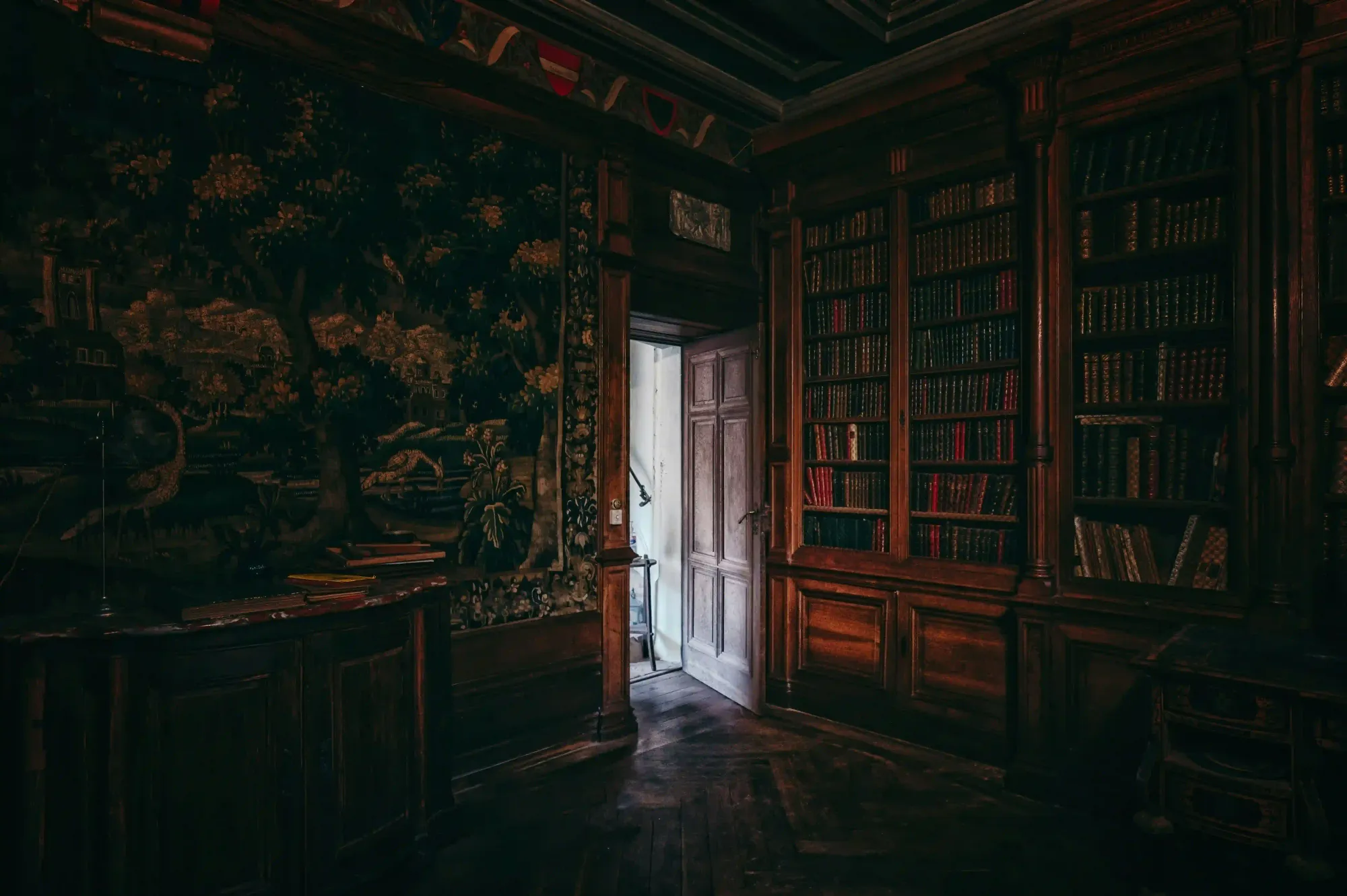
This is precisely where the true function of New York's old, weathered buildings and "third places" emerged. Towering glass skyscrapers and massive commercial plazas demanded high rent; this dictated an acceleration of human circulation within the space, meaning no one was allowed to spend more time there than strictly necessary. In contrast, an independent cafe on the ground floor of an old brick brownstone or a dusty bookstore housing tens of thousands of volumes in narrow aisles could operate at a lower economic efficiency, thereby allowing people to simply linger.
Lingering was the primary fuel of the Sidewalk Ballet. Sitting for hours at a massive wooden table in a library or waiting in the lobby of a cinema turned individuals into active cells of that organized complexity. In an era where modern life increasingly migrates to cloud systems, turning music, memories, and even physical interactions into invisible data, New York’s stubbornly resisting analog silhouettes are not mere nostalgia museums. They are the final tangible archives preventing the city from transforming into a sterile transit zone. A sidewalk ballet cannot be staged in a glass-wrapped tower where entry is controlled by security cards and the ground floor lacks a permeable storefront. The memory of the city does not accumulate in flawless geometry, but in those old, inefficient, and asymmetrical voids where people are forced to slow down.
When you step into one of those "authentic" spaces where time flows slowly, hidden between the brick walls of an old neighborhood, is your goal truly to participate in this complex ballet and briefly intersect with the lives of strangers, or simply to rent an aesthetic and silent background where you can bury yourself in your digital screen while sipping your coffee?
— Related Reading: The Silent Death of the "Third Place"