Will Tomorrow’s Summer Nights Still Have Fireflies?
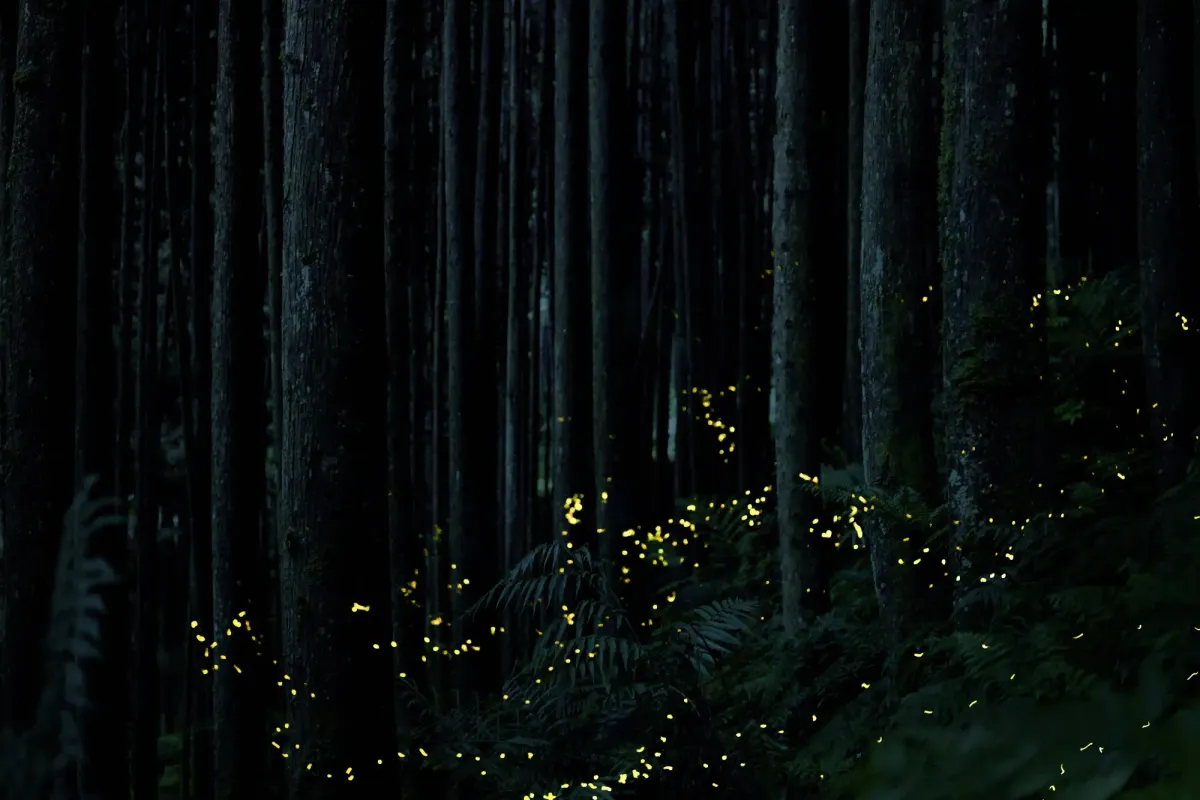
If you look at the viral doomsday scenarios spreading across social media, you might believe we are the "last generation" to see fireflies, and that these insects are spiraling into global extinction. Yet, the truth science whispers beneath this nostalgic sorrow is far more unsettling: What we are facing is not an irreversible climate crisis. It is a massive design problem, the solution to which lies hidden entirely within our daily habits and urban architecture.
So, what exactly did we design wrong when building our cities and homes?
Light Pollution and the Collapse of an Optical Language
For millions of years, fireflies have spoken a flawless optical language called bioluminescence. However, our 24/7 glowing cities and our obsession with security are directly paralyzing this silent courtship ritual.
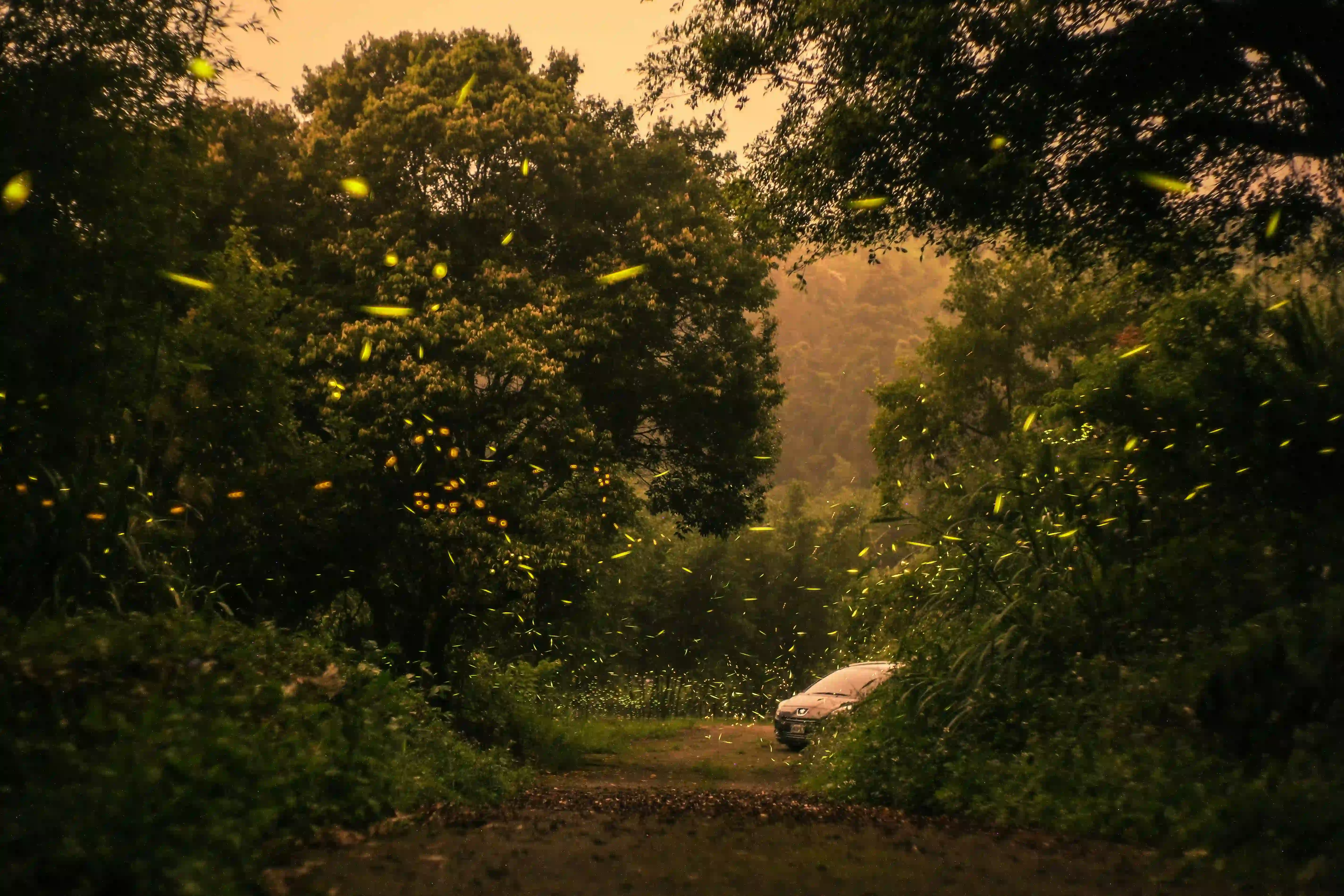
The "LED lighting revolution" of recent years, in particular, has pushed this crisis to a critical tipping point. Unlike the dim yellow streetlamps of the past, today's cheap, brilliant, and blue-spectrum white LEDs perfectly mimic daylight. Fireflies only have a brief time window at dusk to mate. When we illuminate the night and create an artificial day, we render them completely blind to each other's signals, trapping them in an invisible isolation.
The "Too Perfect" Subterranean Deserts
The crisis is not just happening in the sky; it extends to the soil right beneath our feet. Before a firefly takes its first flight, it spends the first two years of its life underground in damp soil.
However, our modern approach to landscaping has essentially declared war on this ecosystem. Obsessively manicured lawns, agricultural pesticides, and the meticulous removal of fallen autumn leaves because they look "messy" are transforming these subterranean nurseries into sterile deserts. In reality, firefly larvae thrive in that dark world beneath the decaying leaf litter, feeding on slugs and snails. Our obsession with making our habitats visually "perfect" is systemically eradicating their food chain.
The Math of Resilience and Sustainable Design
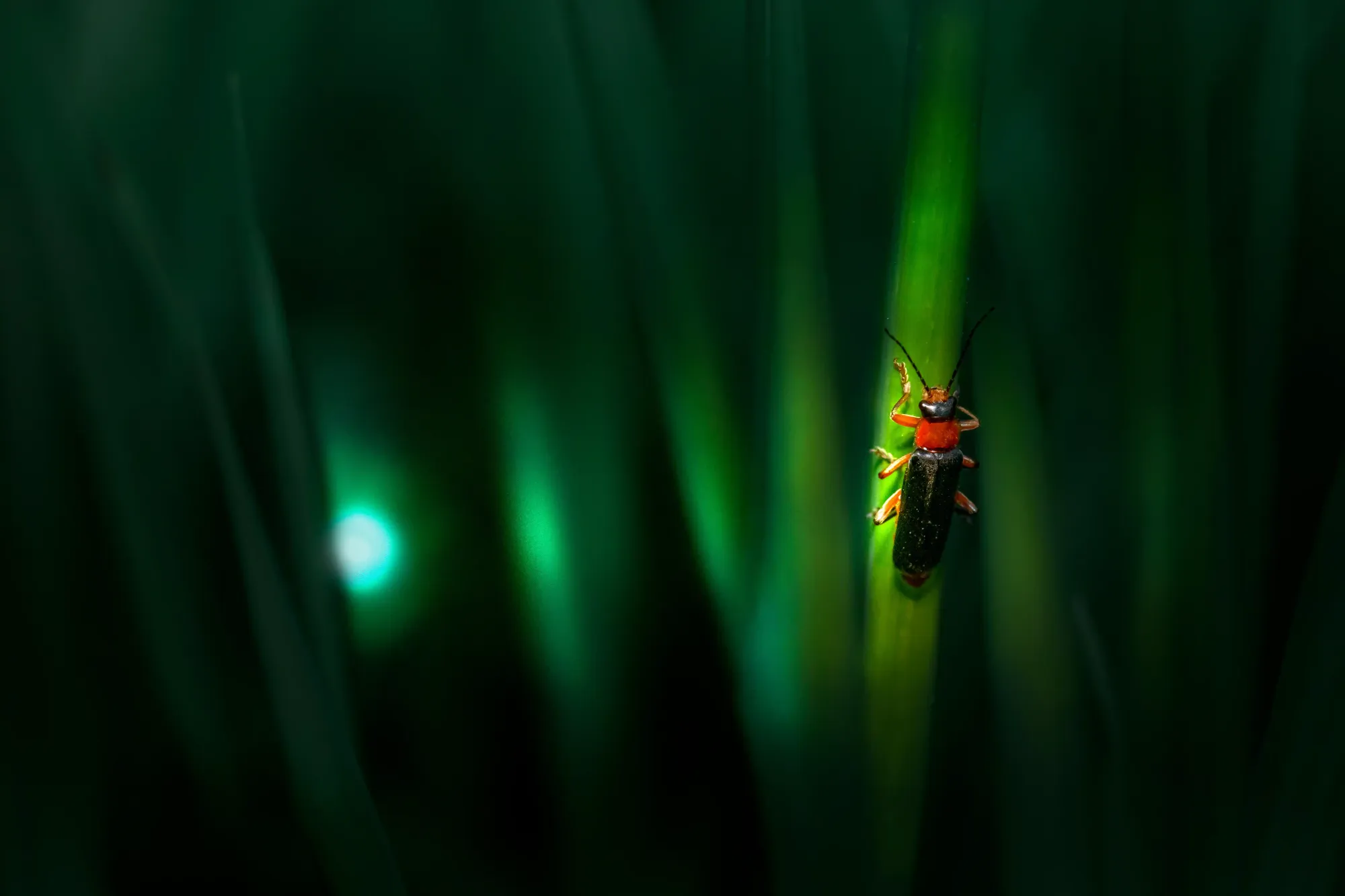
Despite this grim picture, the math of nature is still on our side. Unlike massive, complex ecological crises that will take centuries to resolve, fireflies possess immense biological resilience.
The way out of this crisis does not require massive budgets or international treaties; it can be solved directly through our individual architectural and landscaping decisions:
- Replacing constantly burning outdoor lights with motion-activated sensors that only trigger when needed.
- Opting for red or warm-white tones in garden lighting, which are significantly less visible to insects.
- Leaving at least one corner of the garden untouched—allowing fallen leaves and dead branches to remain—to create a micro-habitat dedicated to nature's untamed rhythm.
Science has proven that when we give them back that sliver of darkness and undisturbed soil they need, their populations rebound with astonishing speed in just a few seasons.
The magic has not left us. To see it again, we simply need to turn down the artificial noise we have created. When saving an entire species is quite literally as easy as flipping a switch, why are we so afraid of the dark?