Who Owns a River Before It Falls From the Sky
As nations use silver iodide for synthetic rain, modifying the weather creates a new property crisis. Is altering the path of borderless clouds a scientific triumph or climate theft? Read about downwind deprivation, Operation Popeye, and the unresolved legal void of cloud seeding.
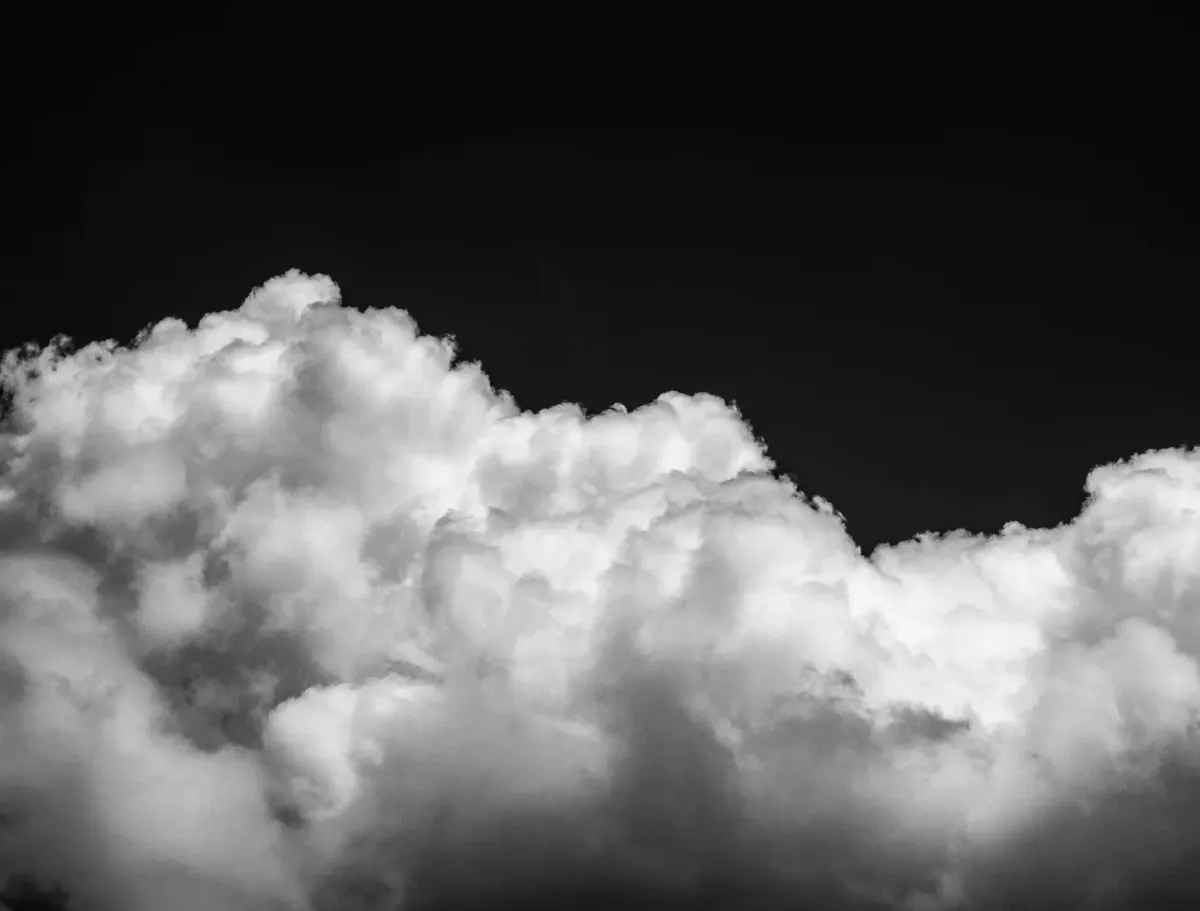
We have divided the earth among ourselves using fences, concrete walls, and precise border lines drawn on maps. With this construction of property over land largely complete, the human desire for control naturally turned toward the atmosphere. The deepening water scarcity in the shadow of the climate crisis pushes countries to find new methods to intervene in the clouds drifting across the sky. We are no longer merely watching the lakes or groundwater reserves on the surface dry up. Through weather modification technologies like cloud seeding, we are attempting to alter the routes of invisible atmospheric rivers. This situation goes far beyond a technical intervention and brings the question of who legally owns suspended water to the agenda of the modern world.
The Physics of Synthetic Rain and Silver Iodide
The roots of modern weather modification trace back to the pioneering experiments conducted by American chemist Vincent J. Schaefer using dry ice in a laboratory setting in 1946. Shortly after this development, Bernard Vonnegut proved the efficiency of silver iodide in this process in 1947. The crystal structure of silver iodide showed a strong resemblance to natural hexagonal ice. This physical characteristic made it an ideal nucleus to gather and weigh down water droplets in the atmosphere.
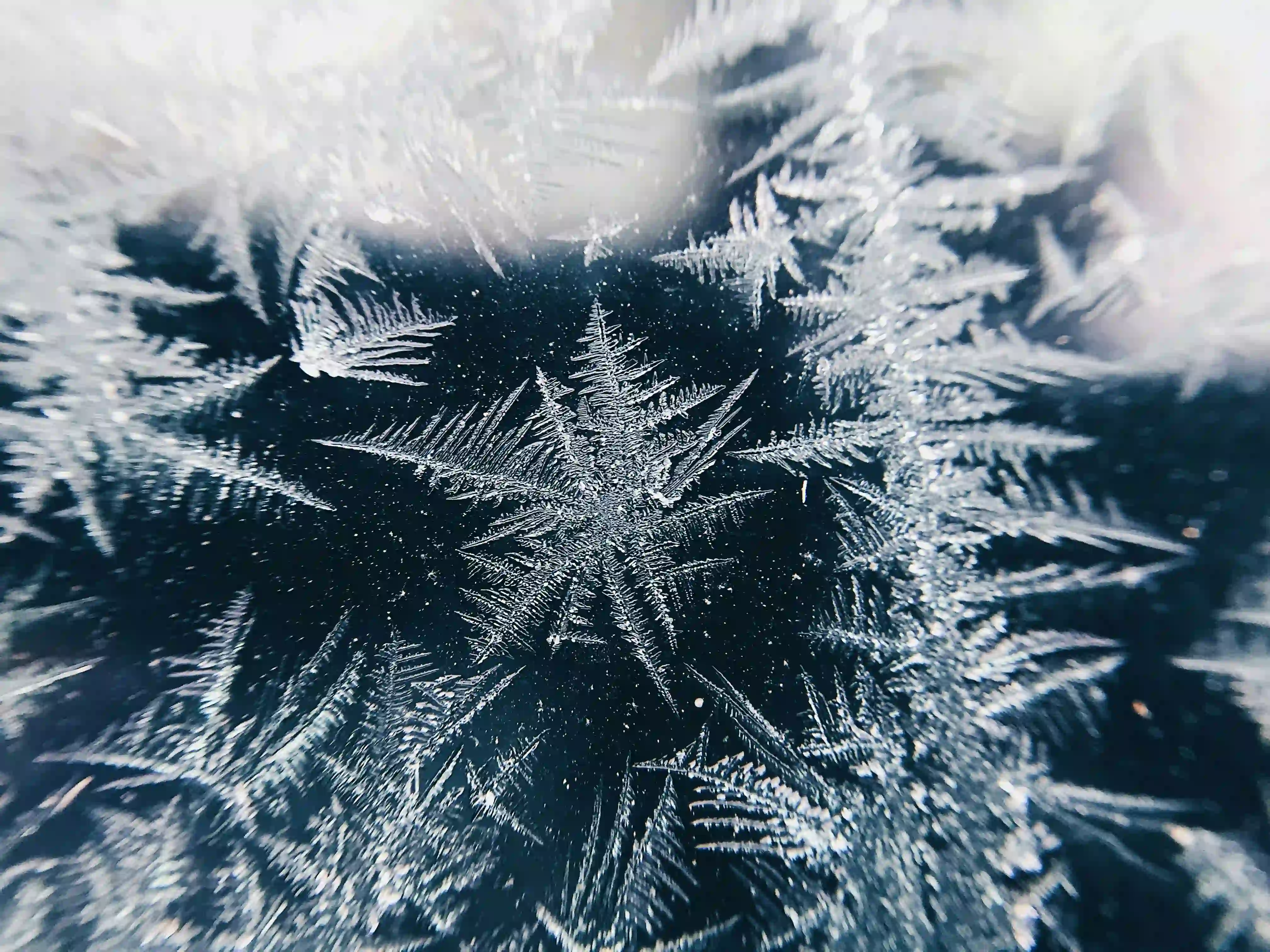
The physics behind the process relies on the hidden dynamics of the atmosphere. Even if cloud droplets in the upper layers of the atmosphere drop to subzero temperatures, they do not freeze instantly due to the purity of the water in the air. These formations, referred to in scientific literature as supercooled clouds, require a trigger for the water inside them to freeze, become heavy, and fall to the ground.
Today, operations occur as aircraft or ground based generators release silver iodide particles into the heart of supercooled clouds. The water vapor inside the cloud immediately clings to these foreign substances, freezes, and descends to the earth as snow or raindrops. The available scientific data clearly reveals the limits of the process.
Cloud seeding technology does not have the capacity to create a cloud out of thin air on a clear and arid day. For this operation to work, moisture laden clouds that already carry the potential to yield precipitation must be present in the sky. Decades of field research indicate that this intervention can only increase the total precipitation amount by 5 to 15 percent. For instance, a five year project conducted in the Snowy Mountains of Australia achieved a 14 percent increase. Another ten year experiment in Wyoming recorded a 5 to 15 percent increase in the snowpack derived from winter storms.
Reports prepared by independent institutions regarding the effectiveness of the process also confirm this limited picture. In an official report published by the United States Government Accountability Office (GAO), the operational constraints of the technology are documented with the following statement:
"Cloud seeding operations can only enhance precipitation when the right kind of clouds are present, which limits opportunities for success."
This technology does not offer a solution that will end droughts on its own. The executed operation remains nothing more than drawing a fraction of the water nature was already about to provide to the ground a little earlier through chemical intervention.
A Weaponized Atmosphere and Operation Popeye
The desire to control the weather has historically been shaped by military strategies rather than just agricultural goals. The most concrete proof of this potential is the highly classified program named Operation Popeye, executed by the United States during the Vietnam War. Between 1967 and 1972, the American military conducted intensive cloud seeding operations across a vast geography stretching from Thailand over Cambodia, Laos, and Vietnam.
The primary strategy of the operation was to artificially extend the East Asian monsoon season and flood enemy supply routes in mud with relentless heavy rains. Executed using both silver iodide and lead iodide, this operation went down in history as the first major initiative where weather events were utilized directly as a military tactic.
The weaponization of the weather triggered the beginning of a new legal process in the international arena. Following the resulting environmental destruction, the Environmental Modification Convention (ENMOD) was signed in Geneva in 1977. This international treaty, which banned the use of environmental modification techniques for military or other hostile purposes, aimed to legally protect the planet's atmosphere from turning into a battlefield.
Downwind Deprivation and the New Property Crisis
Today, cloud seeding has stepped out of the shadow of fighter jets and settled into the center of the drought policies of modern states facing water stress. Yet this return to civil use triggers a complex legal and ethical crisis. Cloud masses in the atmosphere are in constant motion. They do not recognize the administrative borders or national laws we draw on maps below. When a country seeds a cloud approaching its borders and brings the water inside it down to its own land early, it engages in a direct ecological intervention. This intervention in the natural flow depletes the water that the neighboring territory located downwind expects to receive.
Traditional laws applied to surface waters for centuries remain entirely dysfunctional against clouds that recognize no borders. This phenomenon, known in scientific and legal literature as downwind deprivation, creates a new property debate extending beyond the earth's surface. There is no new body of water chemically synthesized in laboratories by scientists here. The action taking place consists merely of altering the location of a rain that was likely to fall on another corner of the earth. American legal scholar Ray Jay Davis, who worked on weather modification law, expressed this legal situation in his study published in 1968 with the following words:
"Clouds are rivers flowing through our skies."
This observation summarizes the legal dimension of the modern climate crisis we must face. When those living in upwind territories use synthetic methods to claim a larger share of natural precipitation, the communities downwind are deprived of a resource necessary for their survival. The water sharing agreements the world has made so far for groundwater, natural lakes, and transboundary riverbeds will very soon have to be brought to the table for the water vapor in the sky as well.
The Final Frontier in the Sky
The growing global population and climate change make access to clean water on the planet more difficult every day. Instead of fundamentally changing industrial consumption habits and building systems in harmony with nature, we are attempting to solve the current problem with a technological intervention. The silver iodide particles released into the sky do not eliminate the global water crisis. By simply changing the point where the water will fall to the earth, this practice transfers the drought onto the shoulders of another geography.
At this exact point, we return to that common theme we frequently examine at The Great Planet. Our belief that we can manage the biological or physical rules of nature as we wish with technology actually just relocates the problems we think we have solved. When you intercept the rain inside a cloud preparing to cross borders and pour it onto your own soil while it is still in the air, a single fundamental question remains to be answered. Who does a cloud belong to as it drifts through the sky with the wind, belonging to no one on earth until it touches the ground?
— Related Reading: The Ecological Paradox: Why Is Shooting an Animal a Crime, Yet Destroying Its Home Legal?