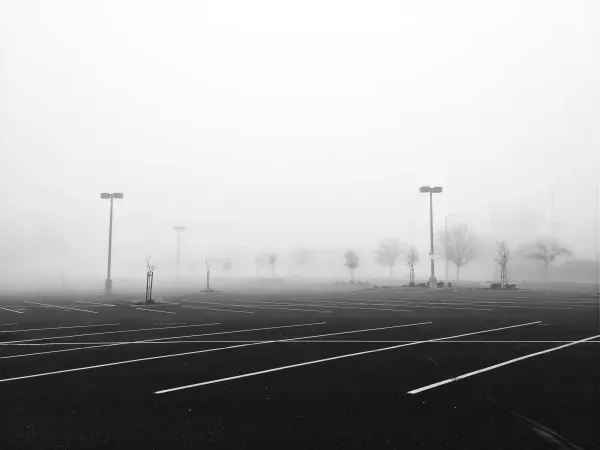
1994 Los Angeles: The City That Reported the Universe to 911
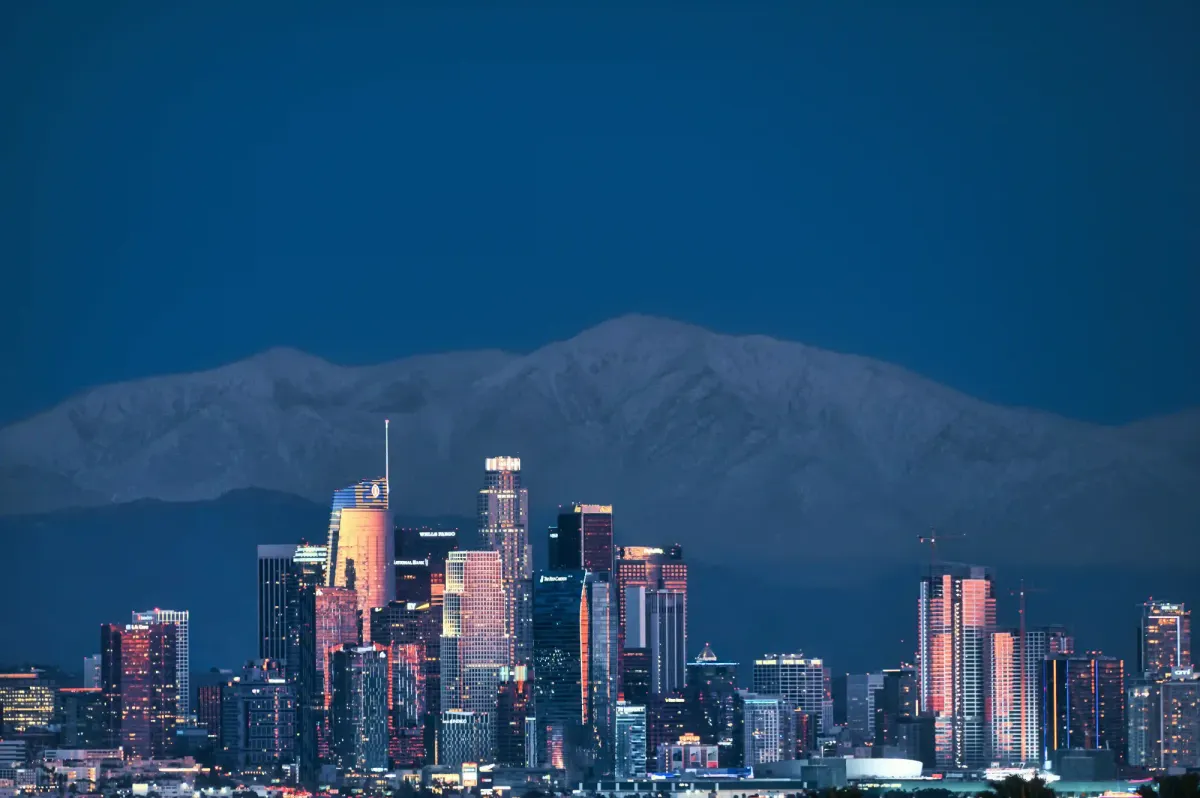
When Los Angeles began to shake violently around 4:30 a.m. on January 17, 1994, the city's massive and complex infrastructure collapsed in seconds. The Northridge seismic shock had knocked out the entire power grid of a metropolis that had, until that moment, been fed by uninterrupted energy. Millions of people plunged into absolute darkness as street lamps, neon signs, highway lights, and the giant floodlights that defined skyscrapers suddenly went out. Yet, the barrage of phone calls that gridlocked emergency lines that night wasn't solely due to collapsed buildings or bursting gas pipes. 911 operators began receiving hundreds of panic-stricken calls reporting a menacing anomaly in the sky.
Callers reported seeing a "giant, glowing silvery cloud" hanging silently over the city. Many were convinced it was a toxic chemical leak triggered by the tremors, attempting to cover their airways or preparing to evacuate their homes. The reality, however, pointed to a tragicomic cultural blindness born of industrial hubris: these modern urbanites had simply looked up and were seeing the Milky Way galaxy for the very first time in their lives.
The fact that Los Angeles residents perceived their own galaxy as a disaster alarm—a toxic gas cloud suspended in the air—is not a mere anecdote of ignorance. It is the bill for a radical fracture in humanity's spatial awareness. Looking up at the sky and seeing the stars was our species' most ordinary, fundamental visual experience for tens of thousands of years. But with the advancement of lighting technologies, humanity constructed an impermeable optical barrier that isolated its own habitat from the cosmos.
By building a permanent dome of artificial light, humanity didn't just illuminate its cities; we successfully engineered a visual quarantine that completely isolated us from the universe we float in.
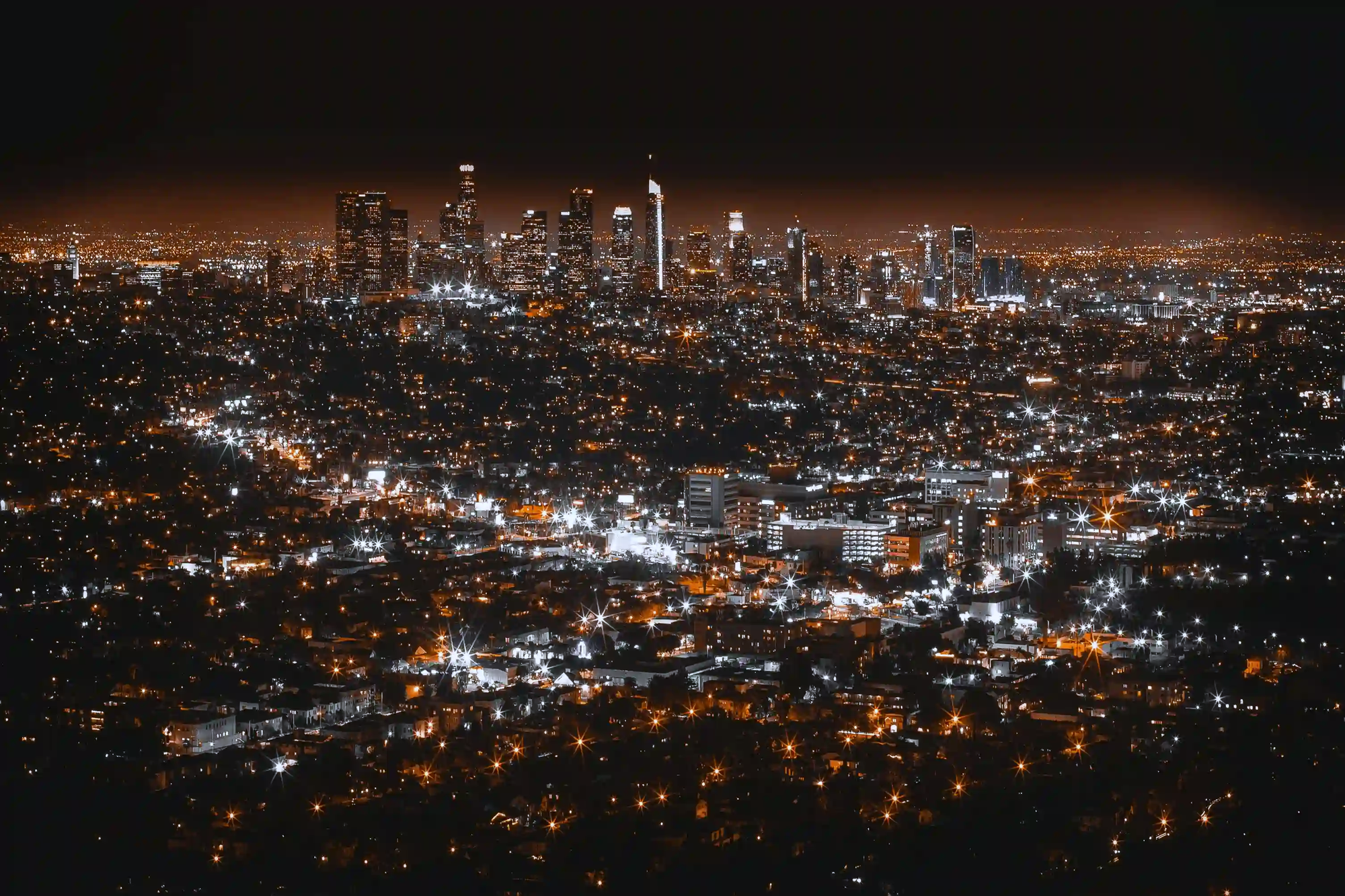
This visual isolation has a precise scientific metric: the Bortle Scale. Developed by astronomer John E. Bortle in 2001, this system quantifies the darkness of the night sky in a given region from 1 (absolute natural darkness) to 9 (inner-city sky). Today, for the urban populations living at levels 8 and 9, true night never falls; the sky is perpetually cast in an orange-gray haze. According to current data, 83 percent of the global population lives under this synthetic twilight. The natural blackness of the night has been replaced by a continuous glow caused by artificial lights bouncing off atmospheric particles and reflecting back to earth.
The Bortle Scale is not just a map of visual loss, but also an x-ray of ecological disruption. This artificial blending of night and day disorients migratory birds equipped with millions of years of evolutionary compasses, decimates insect populations, and profoundly disrupts human circadian rhythms. Billions of living beings are trapped inside a simulation, rendered biologically and visually blind to the universe they inhabit.
For a century, continuously lit artificial lights in urban planning were considered the undisputed symbol of civilization, security, and economic prosperity. Looked at from a satellite map, the brightest regions were the most "developed." However, when this lighting gluttony—which resulted in the erasure of the Milky Way—pushed against the planet's limits of tolerance, legal intervention became inevitable. Governments and local municipalities have begun enacting Dark Sky Legislation to pierce this permanent light dome.
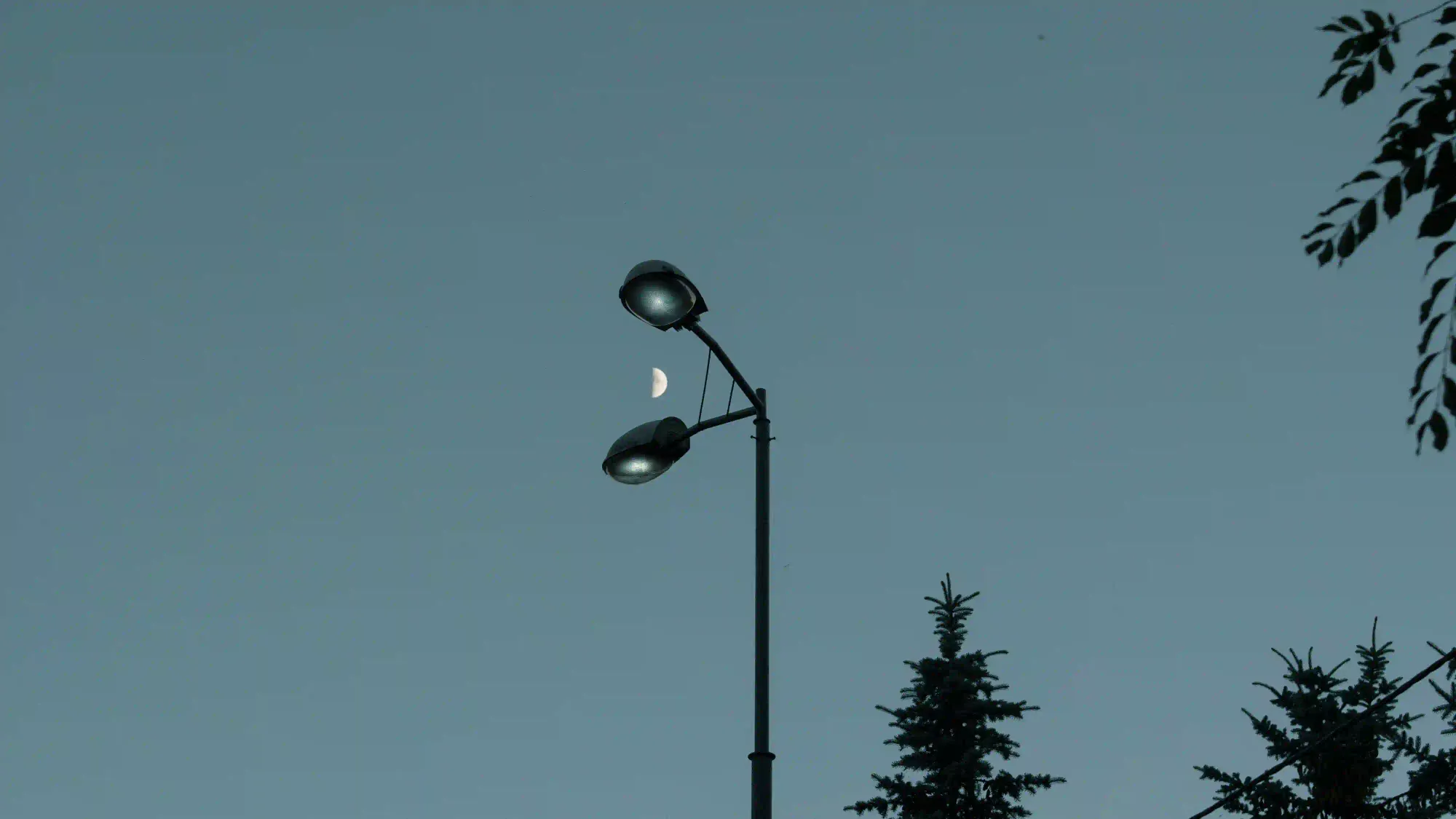
This legal framework radically alters the architectural and urban paradigm. Uninterrupted lighting is no longer a glorious detail of civilization; it is legally classified as an aggressive environmental pollutant. Under these new regulations, before urban renewal projects or new constructions are approved, developers must meticulously calculate the lumen output of outdoor lighting. The angle at which light hits the ground is bound by strict rules; every photon that leaks into the sky is considered wasted energy and a violated legal boundary. Special shielding placed over bulbs is mandated to ensure that light is directed only to the ground where it is needed, rather than bleeding into the air.
Absolute darkness—once perceived during the lighting revolution as an "empty void to be eradicated" or a security threat—has transformed under these laws into a highly valuable commodity that is legally protected, demarcated, and actively reclaimed. Those iconic, brilliantly illuminated skyscraper skylines were once presented as the pinnacle of human intellect; today, they stand as monuments to just how myopic that same intellect can be. Seeing the universe is no longer an inherent birthright; it is subject to a bureaucratic permit, calculated millimeter by millimeter in courtrooms and city councils.
While building civilization, we isolated the planet we live on from the rest of the universe.
So, how many switches do you press every single evening just to make the universe completely invisible within the boundaries of your street, your window, and your room?
— Related Reading: [Will Tomorrow’s Summer Nights Still Have Fireflies?]