The Burden of Witnessing: What Happens When One Man Becomes the Memory of a Dying Planet?
For decades, we demanded flawless nature documentaries while the real world burned. David Attenborough provided that illusion—until he couldn't anymore. This is an exploration of the psychological weight and deep ecological grief of watching the Earth collapse in a lifetime.
One of the greatest paradoxes of modern life is that we observe the destruction of the natural world through high-definition screens, lulled into a state of passive comfort by a soothing, familiar voice. For most, Sir David Attenborough is the ultimate reassuring presence—a sagacious British narrator who has delivered the untouched mysteries of the wild directly into our living rooms for decades. Yet, beneath this comforting veneer lies a much heavier truth, one that modern society actively avoids: the profound psychological weight of ecological grief and the crushing burden of witnessing.
He is not merely a television broadcaster or a revered naturalist. Attenborough is the only human being to have personally observed and meticulously documented the collapse of the Holocene and the ruthless ascent of the Anthropocene within a single lifetime. His true legacy is not just a breathtaking archive of animal behavior; it is the act of becoming the living, breathing memory of a dying planet.
The Mathematics of a Shrinking World
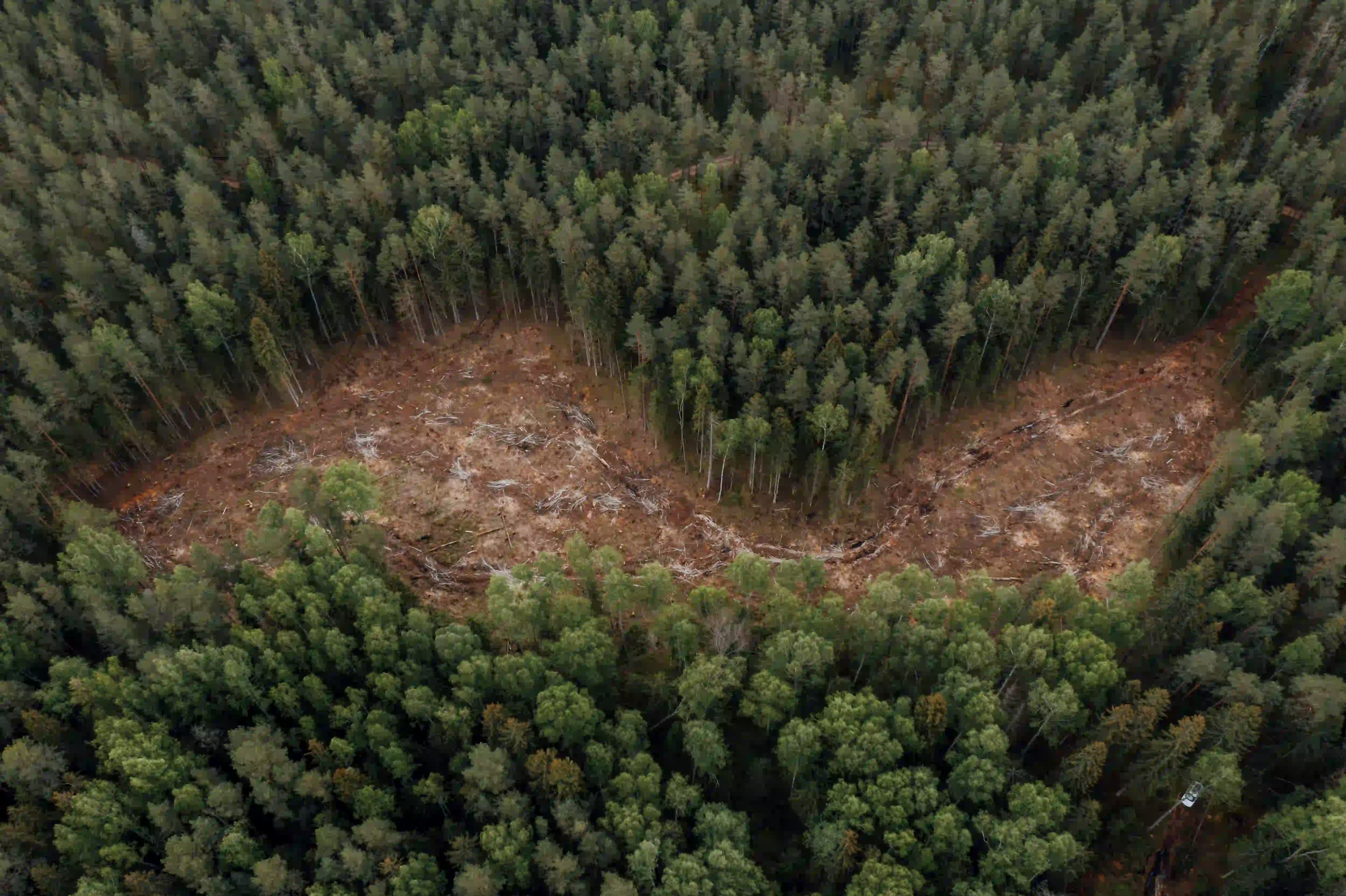
A standard human lifespan is generally too brief to cognitively register geological or planetary shifts—a phenomenon scientists call "shifting baseline syndrome," where each generation accepts a degraded ecosystem as the baseline of normality. However, the global biosphere has collapsed with such terrifying velocity that Attenborough was forced to witness every stage of this decline firsthand. The mathematics of his life reveal the brutal reality of this trajectory.
When he was a 10-year-old boy in 1937, the global population stood at 2.3 billion, atmospheric carbon hovered at 280 parts per million, and 66 percent of the Earth remained untouched wilderness. By 2020, the picture had violently shifted: the human population surged to 7.8 billion, carbon levels reached 415 parts per million, and a mere 35 percent of wilderness was left intact.
This colossal decimation is not an abstract statistical dataset for him; it is a catalog of personal memories. In 1957, during his first scuba dive on Australia’s Great Barrier Reef in his early thirties, he experienced what he vividly remembers as a "sensory overload" of complex marine life. Today, those same reefs face irreversible bleaching and death driven by human-induced ocean warming. It is precisely for this reason that he now frames his recent body of work not as television entertainment, but as a definitive "witness statement" delivered to humanity.
The Flawless Illusion We Demanded
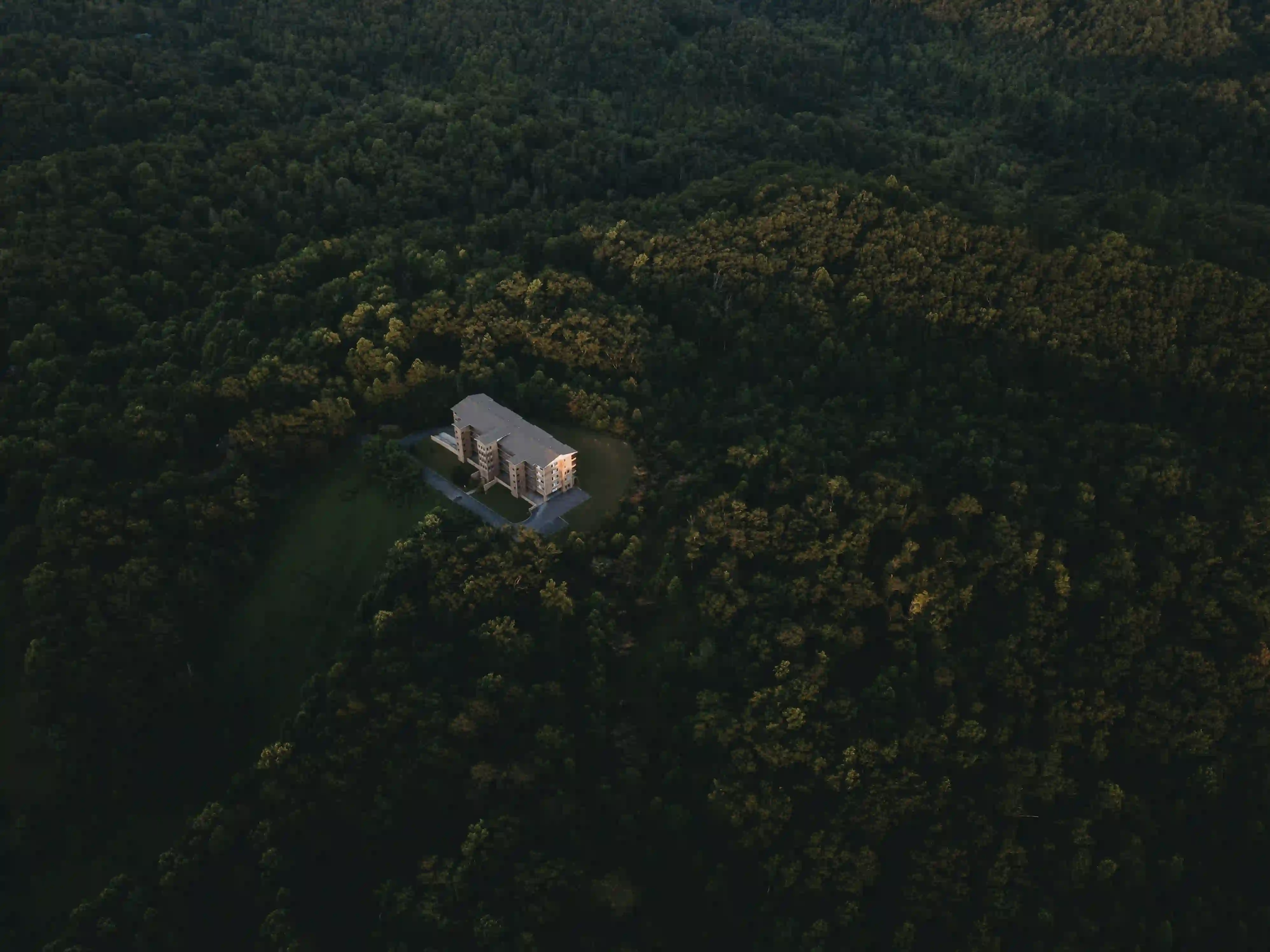
If the planet has been melting before our eyes for decades, why did it take us so long to notice? For years, critics accused Attenborough of presenting viewers with an idealized biosphere—painting nature as a pristine, flawless paradise completely independent of human interference. It was a valid critique. While we sat in our homes, comforted by his authoritative voice narrating the majesty of untouched rainforests, the real forests outside were burning, and entire species were quietly being erased.
However, the architect of this illusion was not him alone; it was a collective escape demanded by modern humans. When confronted about why his early documentaries filtered out the grim reality of environmental destruction, Attenborough’s response perfectly encapsulated our deep-seated fear of reality:
"We wouldn't have got the viewers, they would have turned off."
Today, that unspoken pact of silence has been shattered. Willing to risk losing the audience, Attenborough now turns his lens toward the massive industrial trawlers violently scraping the ocean floor. He does not hesitate to label the actions of wealthy nations starving coastal communities of their ancient food sources as "modern colonialism at sea." Nature documentaries are no longer a digital sedative to escape the stress of urban life; they have evolved into stark sessions of ecological confrontation. As he emphasizes that the Earth and its oceans are finite, he passionately argues that the selfish, "grab-grab-grab" mentality of international politics must immediately be replaced by a profound sense of "mutual restraint."
The Eerie Silence of Chernobyl and Ecological Grief
To truly grasp the traumatic dimensions of humanity's relationship with nature—a distress often termed solastalgia—one only needs to look at Attenborough’s 2018 visit to Chernobyl. Most filmmakers travel to the radioactive exclusion zone to capture footage of wild horses or wolves roaming through abandoned ruins. Yet, what etched itself into Attenborough’s memory was not the visual spectacle of reclamation, but a suffocating, unnatural quiet.
Standing in the middle of a hollowed-out classroom, looking at hastily abandoned Russian children's notebooks that had lain on the floor for over thirty years, his reaction to the atmosphere outside was chilling:
"I didn't hear a bird, I didn't hear a grasshopper. I'm still not sure what to make of that."
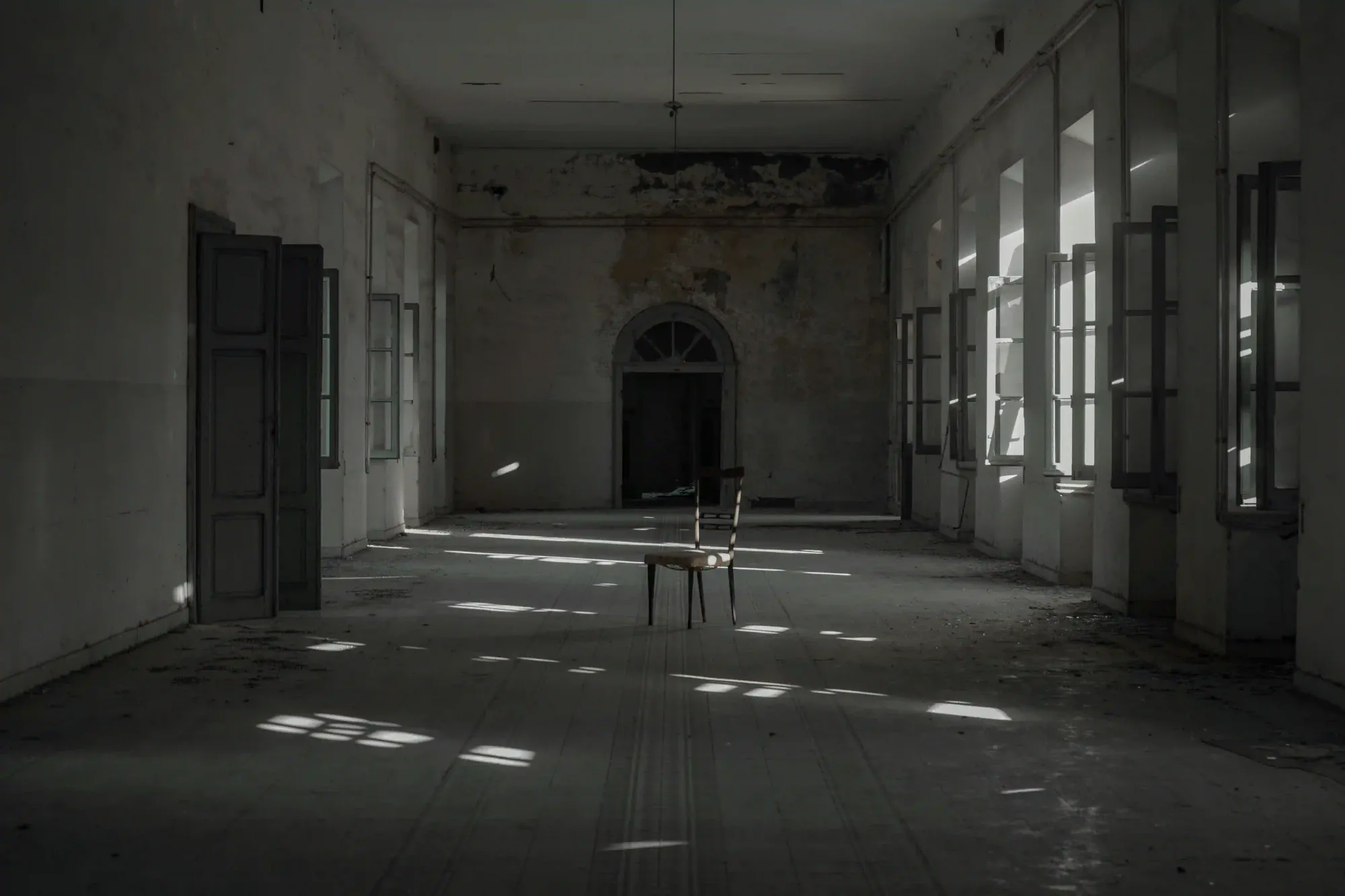
And yet, witnessing lush green plants surging through that very same radioactive wasteland proved to him the eerie, unfathomable resilience of nature. It was a stark reminder that no matter how severely we abuse the natural world, it possesses a furious capacity to recover the moment we step back and give it space.
Attenborough understands this healing, consoling power of nature on a deeply intimate level, born from personal tragedy. When his wife of nearly fifty years, Jane, passed away suddenly from a brain hemorrhage in 1997, he sought refuge from his "deep grief" not in the distractions of society, but in the silence of the wild. He confessed that rather than returning to an empty house, he preferred the "solitude in the wilds." Nature is not merely a victim fading under our footprint; it remains the only sanctuary capable of binding humanity's deepest wounds.
The Voice We Substituted for the Wild
Today, we must pause and ask ourselves a deeply uncomfortable question: Why do we require a glowing screen and the guidance of a wise narrator to understand the story of a tree, a whale, or a mountain? As Attenborough himself has observed, modern societies have never been more removed from the natural world, more deaf to its rhythms, and more insulated from its changes.
Hiding behind concrete walls, climate-controlled skyscrapers, and digital interfaces, modern humans have become too alienated to confront the harsh, unfiltered, and chaotic language of nature directly. Because we were terrified to bear the "burden of witnessing" on our own shoulders, we delegated that monumental task to a single man for nearly a century. We used him as our sole interpreter of the wild.
But that era of proxy witnessing is drawing to a close. When the last living memory of that vast, pristine silence departs, humanity will finally be left alone, face-to-face with the ruins we have engineered. The ultimate question is this: When that day arrives, will we finally learn to listen to nature’s own language, and will we understand that it no longer needs our aesthetic appreciation, but our urgent, restorative action?
— Related Reading: Why Is Shooting an Animal a Crime, Yet Destroying Its Home Legal?