Sanctuaries That Defy Time: The World's 10 Oldest Hotels and the History Etched in Their Walls
Surviving the fall of empires, plagues, and endless redrawing of borders, these historic sanctuaries are not just commercial enterprises; they are monuments to human endurance. What is the invisible bond that allows a single building to serve the exact same purpose for millennia?
The modern hospitality industry often promises a system built on fast consumption, identical lobbies, and standardized room designs. But was hospitality always such a "temporary" concept? When we look back at the history of human travel, we see that the goal was not merely to spend a night, but to find a physical and spiritual sanctuary on perilous roads.
Surviving the fall of empires, revolutions, plagues, and the endless redrawing of borders, the world's oldest hotels are not just commercial enterprises; they are monuments to endurance. What is that invisible bond that allows a single building to serve the exact same purpose for centuries, or even millennia?
In this list, stretching from the misty mountain passes of Europe to the foggy valleys of Japan, we walk the corridors of Middle Ages lodging and historic inns, not as ordinary tourists, but as silent witnesses to history.
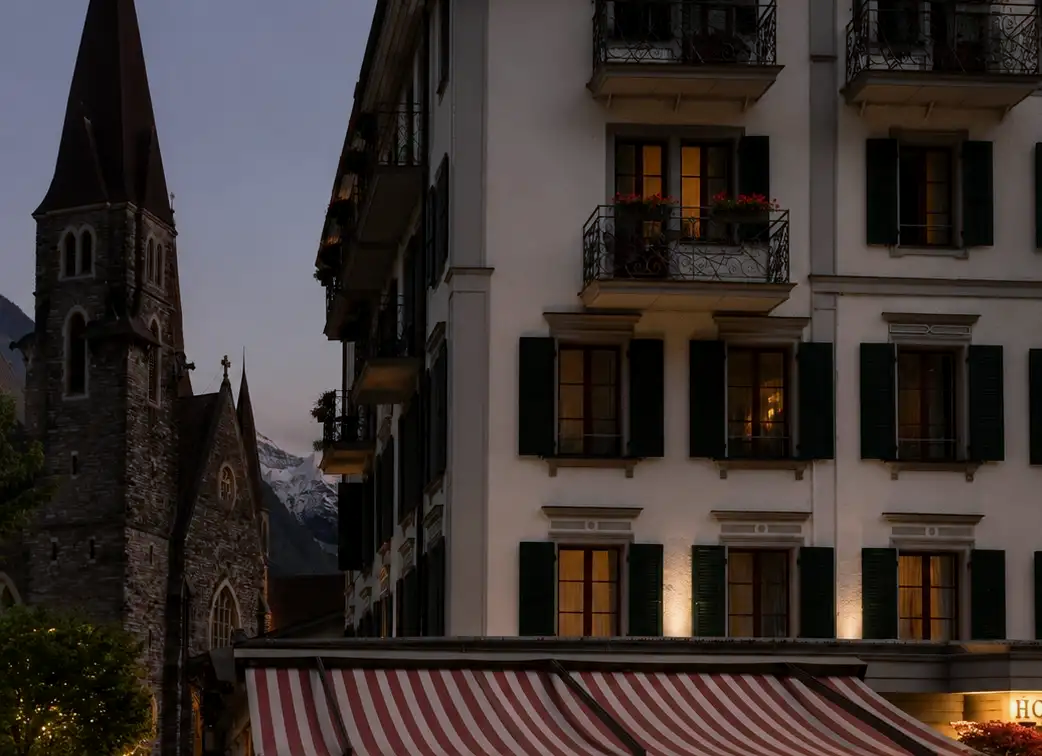
10. Hotel Interlaken | Switzerland (1323)
"Once a cloister guesthouse and a medieval courthouse, this alpine retreat has kept the ancient secrets of the Swiss Alps since the days of the Old Confederacy."
Among the oldest historic hotels in Europe, Hotel Interlaken reflects the profound isolation of the mountains in its architecture. Its origins trace back to a guesthouse welcoming clergymen and nobility to the region. In the 14th century, long before the concept of modern tourism even existed, this stone and timber structure was a vital survival point against the freezing Alpine winds. Today, though blended with modern Swiss luxury, if you delve into the depths of the building, you can still feel the solemn, rigid, and protective atmosphere of that era emanating from its original stone walls.
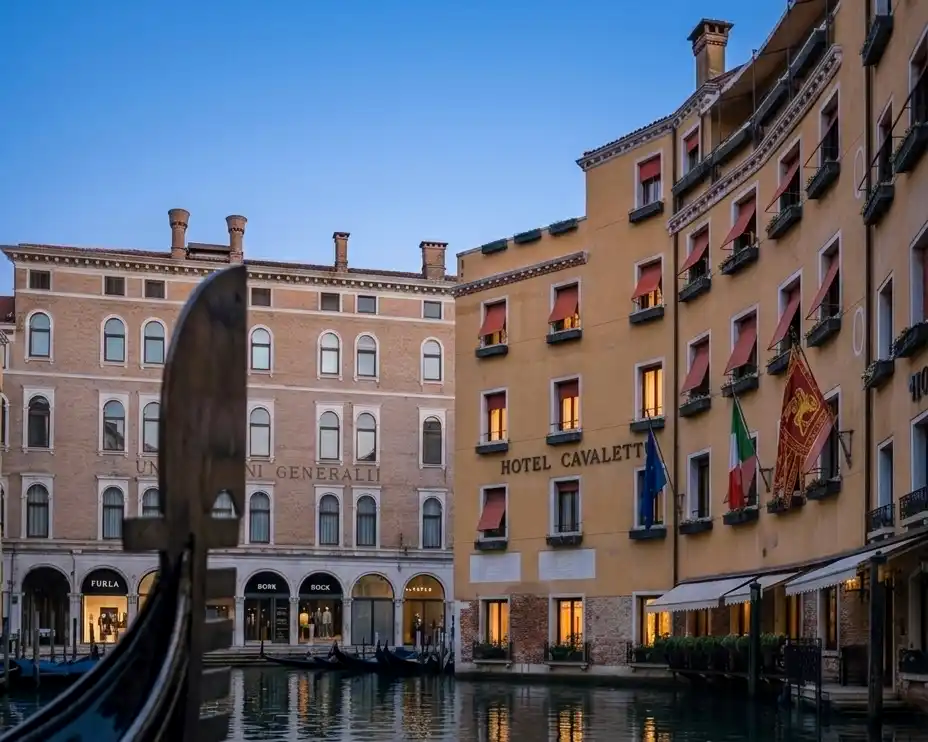
9. Hotel Cavalletto e Doge Orseolo | Venice, Italy (1308)
"An ancient Venetian haven rising from the dark waters, where dukes and poets sought refuge as the republic's golden age slowly drifted into history."
Just behind St. Mark's Square, this structure has resisted the corrosive power of the water for seven centuries, witnessing the most opulent eras of the Venetian Republic (La Serenissima). While many historic hotels around the Venetian canals are palaces converted in later years, the Cavalletto has been there from the very beginning, specifically to host travelers, diplomats, and merchants. Looking out from the windows of this building raised on wooden pilings, a lingering question comes to mind: Is it just a city sinking into the waters, or the legacy of an entire Mediterranean empire?
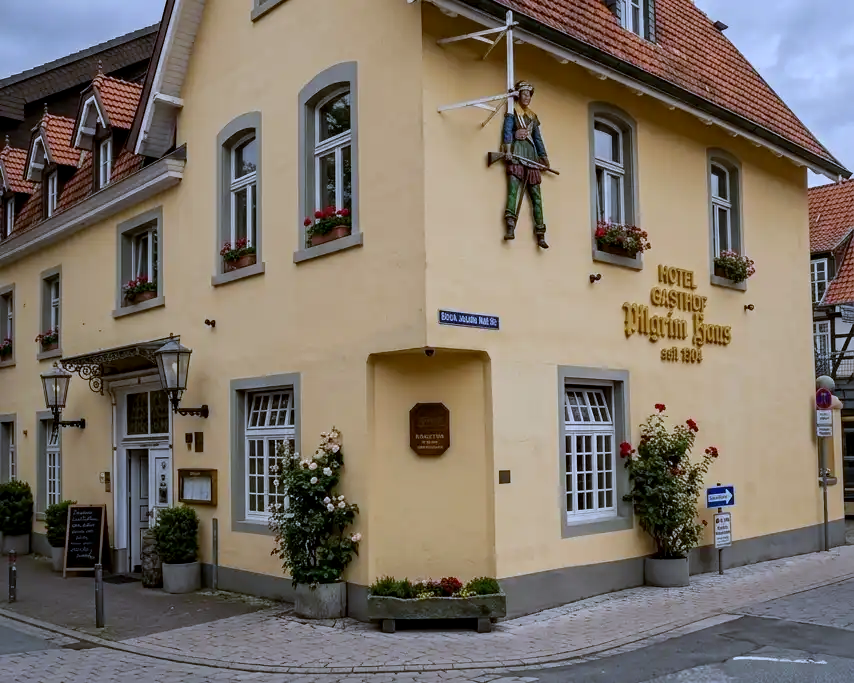
8. Pilgrimhaus | Soest, Germany (1304)
"A quiet medieval waypoint built for travelers of faith, its ancient stones worn smooth by centuries of footsteps in search of spiritual peace."
Located in northwestern Germany, far from popular tourist routes, Pilgrimhaus stands as one of the most tangible proofs of religiously motivated travel in Europe. For pilgrims walking to Santiago de Compostela during that era, a safe night's sleep was not a luxury, but a vital necessity. While the historic inns on medieval pilgrimage routes have largely vanished today, the warped wooden beams and narrow corridors of Pilgrimhaus reflect the silent solidarity of those ancient wanderers who pushed the limits of faith and physical endurance.
7. The Old Bell Hotel | Malmesbury, England (1220)
"Resting in the shadow of a grand medieval abbey, this quiet hostelry holds the whispered secrets of Queen Isabella and her lover Mortimer, forever etched into its stone fireplaces after their overthrow of King Edward II."
In Great Britain's deep-rooted past, the relationship between church and state has always been turbulent. Built to accommodate the esteemed guests of the adjacent Malmesbury Abbey, The Old Bell carries the heavy, soot-scented, and dark character of English architecture into the present day. Among the oldest historic inns in England, sitting by its original stone fireplaces and watching the bleak English rain outside makes you realize that time has flowed at a remarkably different pace here for centuries. These walls, where fallen kings were discussed and bloody games of thrones were plotted, offer guests not just a room, but the very pulse of history.
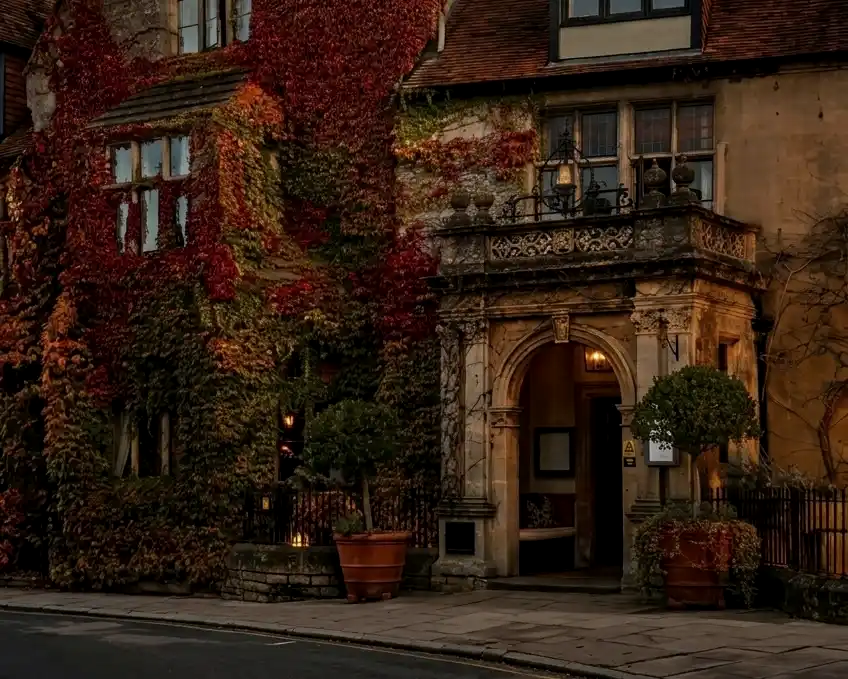
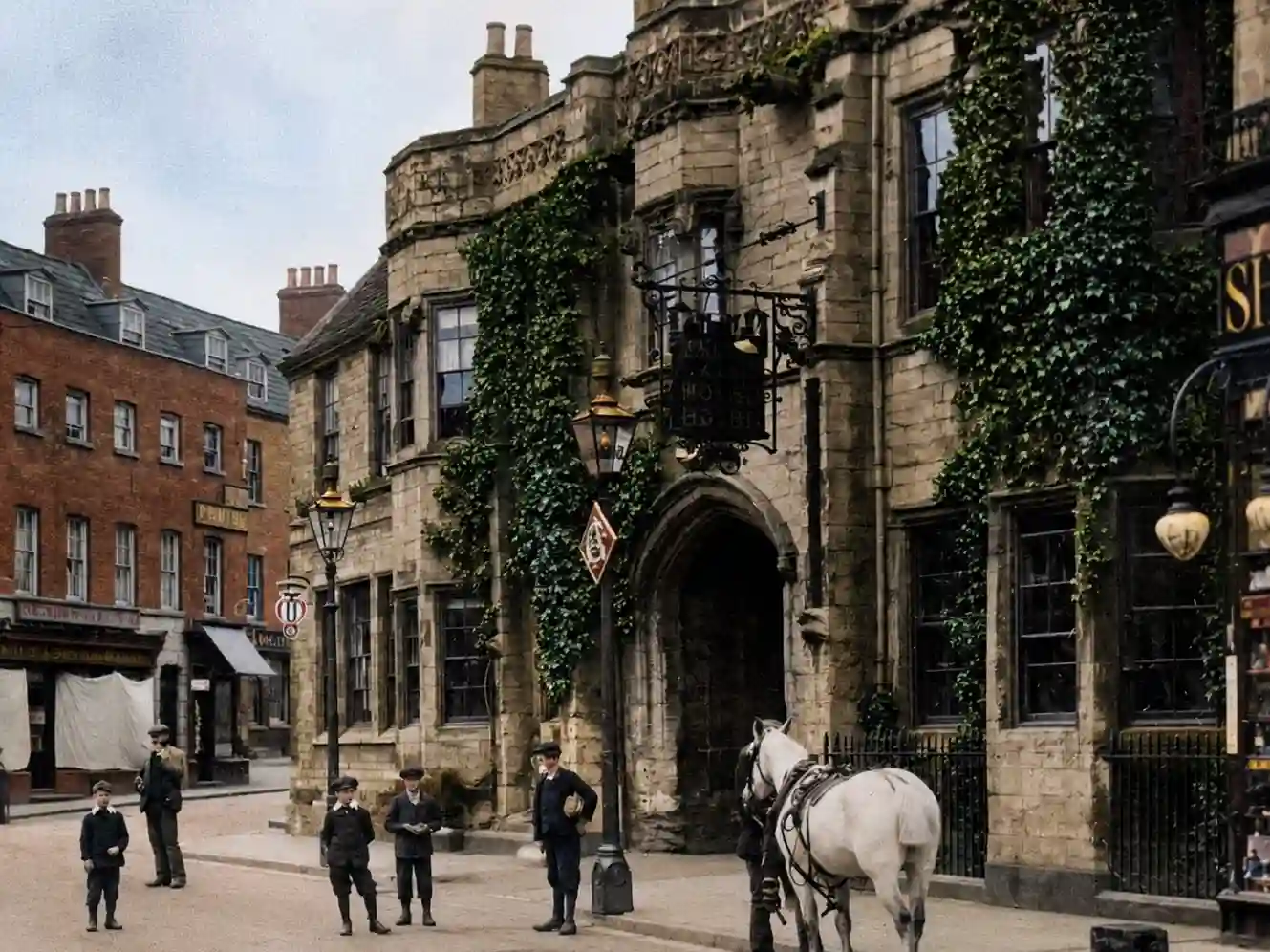
6. The Angel and Royal Hotel | Grantham, England (1203)
"Forged by the enigmatic Knights Templar, these walls have weathered the brutal dissolution of holy orders and the shifting crowns of English monarchs."
To call a structure that has hosted countless English monarchs—from King John to Edward VII—merely a "hotel" would be an injustice to history. Founded by the Knights Templar and strategically positioned on the Great North Road stretching from London to York, this establishment was once the beating heart of political intrigue. Today, the royal coats of arms adorning its facade serve as the silent seals of decisions made behind these walls that perhaps altered the course of European history.
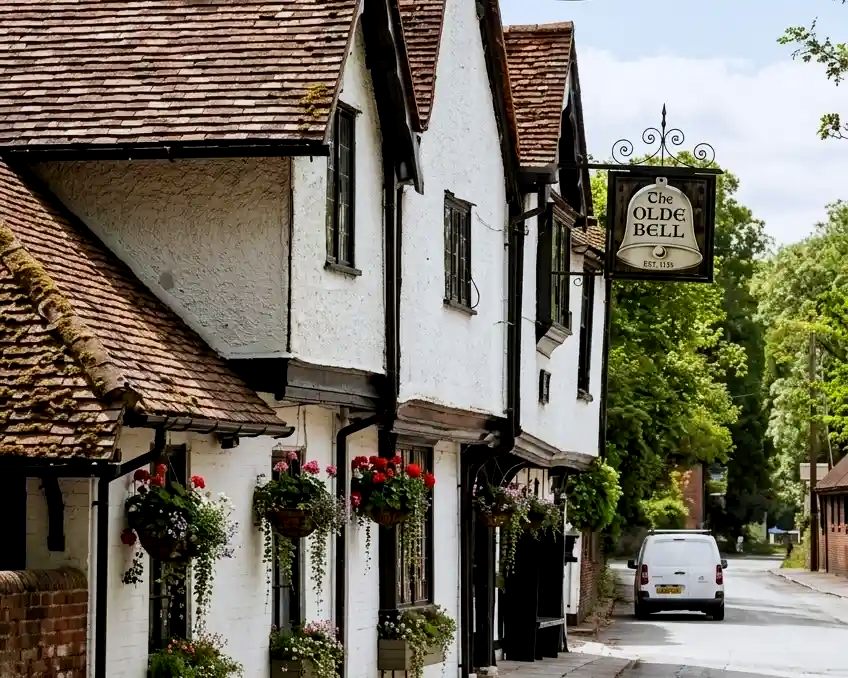
5. The Olde Bell | Hurley, England (1135)
"A timeless Benedictine retreat whose ancient Sanctus bell has tolled for fleeing monks, brilliant minds, and the slow, heavy passage of nine centuries."
Despite being only a short distance from London, The Olde Bell feels entirely isolated from civilization. It originally functioned as a guesthouse for visitors to the nearby priory. It is known that key figures of World War II, such as Winston Churchill and Dwight D. Eisenhower, held secret meetings here. The transformation of a space rooted in clergy into a strategy room for a global war centuries later is a profound irony worth pondering regarding the architectural evolution and use of historical buildings.
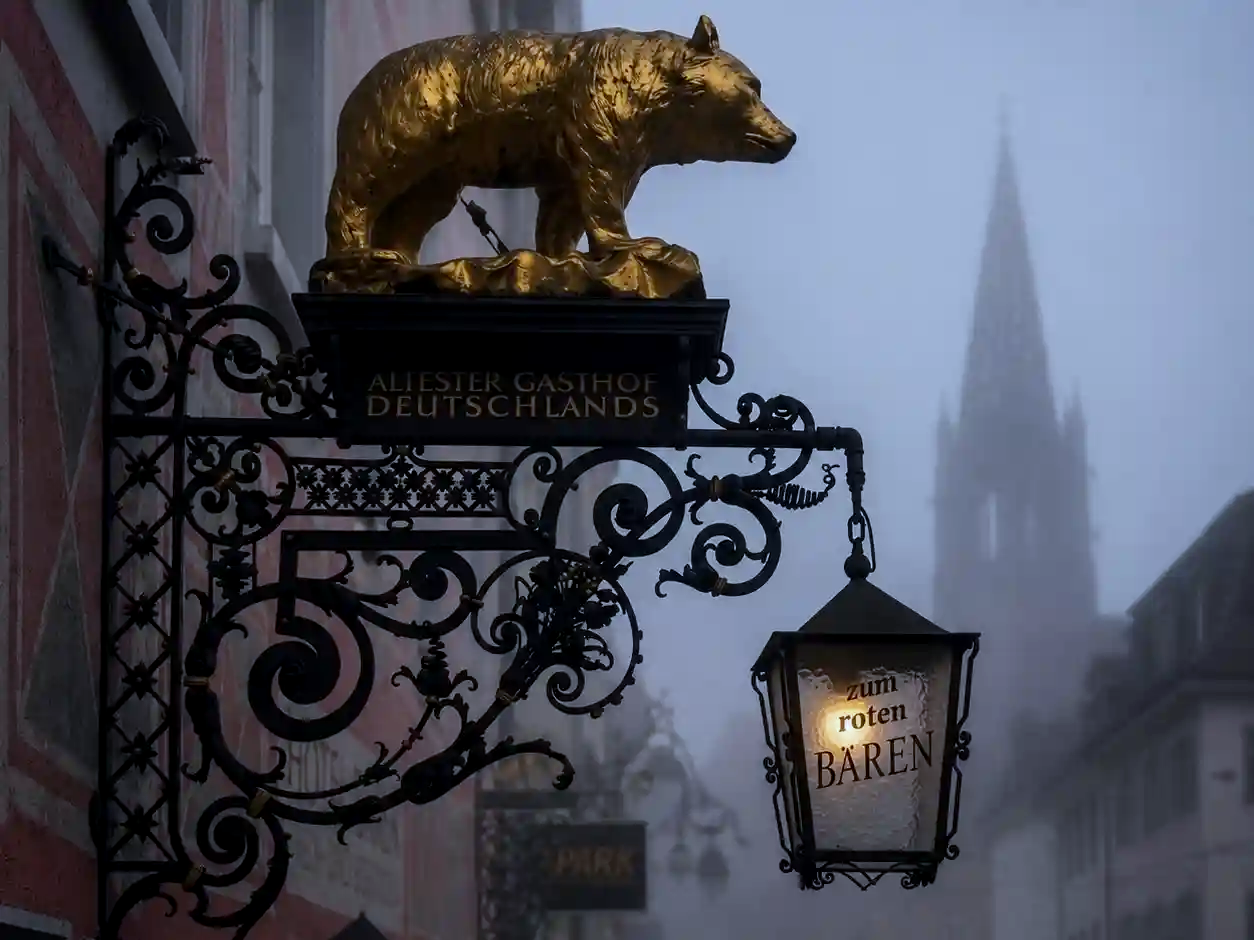
4. Zum Roten Bären | Freiburg, Germany (1120)
"Rooted deep in the Black Forest long before the dawn of the Renaissance, this timeless tavern has offered a roof to both nameless wanderers and a young Marie Antoinette on her fateful bridal journey to France."
Carrying the eerie, legend-filled, and dark atmosphere of the Black Forest in its architecture, the "Red Bear" has always managed to remain a constant on the ever-shifting political map of continental Europe. With cellars plunging as deep as the founding years of the city itself, this structure has survived the plagues, peasant revolts, and wars that befell Freiburg. Among the oldest lodging establishments in Germany, it serves as a cultural memory whose foundations are arguably stronger than the city itself. Having hosted a young Marie Antoinette in 1770, long before the shadow of the guillotine fell upon her, these wooden beams have witnessed both the most magnificent and the darkest faces of history.
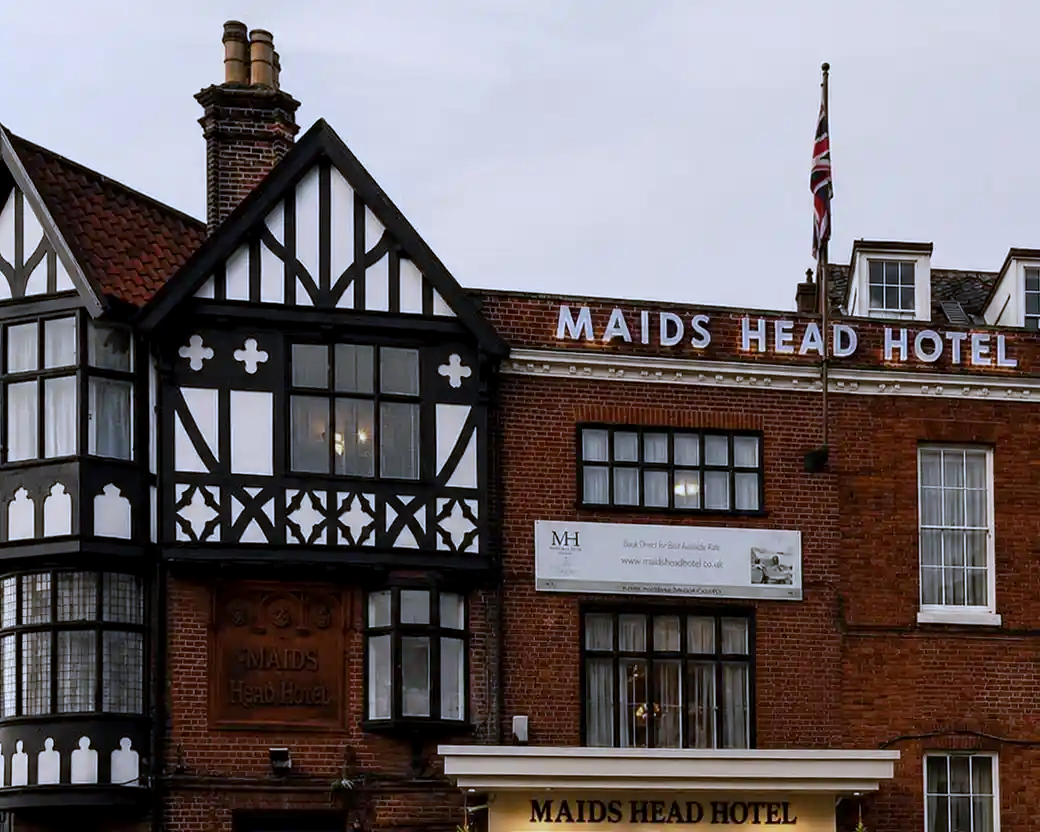
3. Maids Head Hotel | Norwich, England (1090s)
"Rising from the ruins of a Norman bishop’s palace, these dark, wood-paneled corridors stood as silent witnesses to the violent and bloody birth of modern England."
This is one of the earliest structures of the new England that took shape following the Norman conquest. Its story, beginning as a bishop's residence in the 11th century, was crowned by the visit of Queen Elizabeth I. For those seeking that "Dark Academia" aesthetic—dark wood, labyrinthine corridors, and dimly lit library atmospheres—the Maids Head is not an artificial design, but history itself. The slight slopes in the floorboards are the indelible signatures of thousands of footsteps pressed into the oak over centuries.
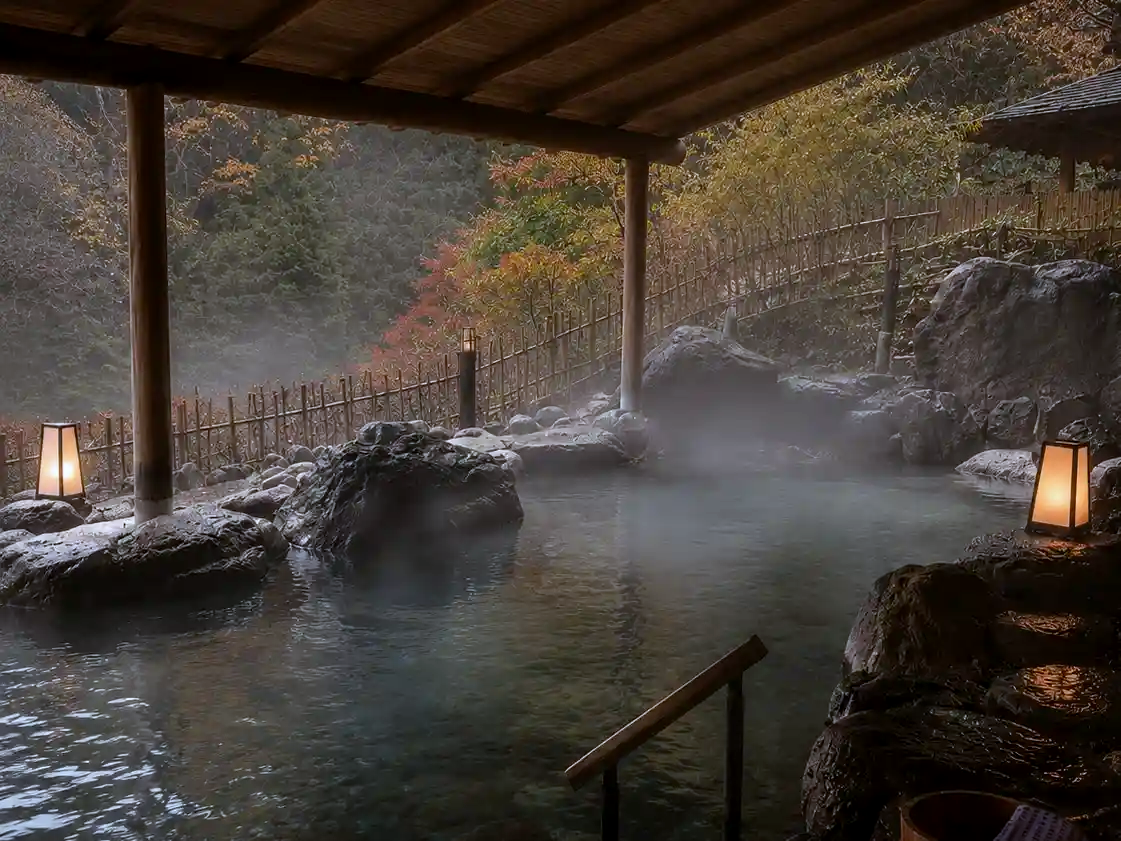
2. Hōshi Ryokan | Komatsu, Japan (718)
"Borne from a Buddhist monk's dream, this mystical forest dwelling has channeled the healing serenity of mountain deities for over thirteen hundred years."
While Europe was still floundering in the Dark Ages, Japan was elevating humanity's relationship with nature to an aesthetic and spiritual dimension. Established over healing waters under the guidance of a mountain deity according to legend, Hōshi Ryokan is the millennial proof of Japanese hospitality (Omotenashi). In the category of the oldest hot spring hotels in Japan (onsen), the silence behind the sliding paper doors (shoji) and the flawless transition of seasons in its gardens are designed to remind guests just how insignificant worldly troubles truly are.
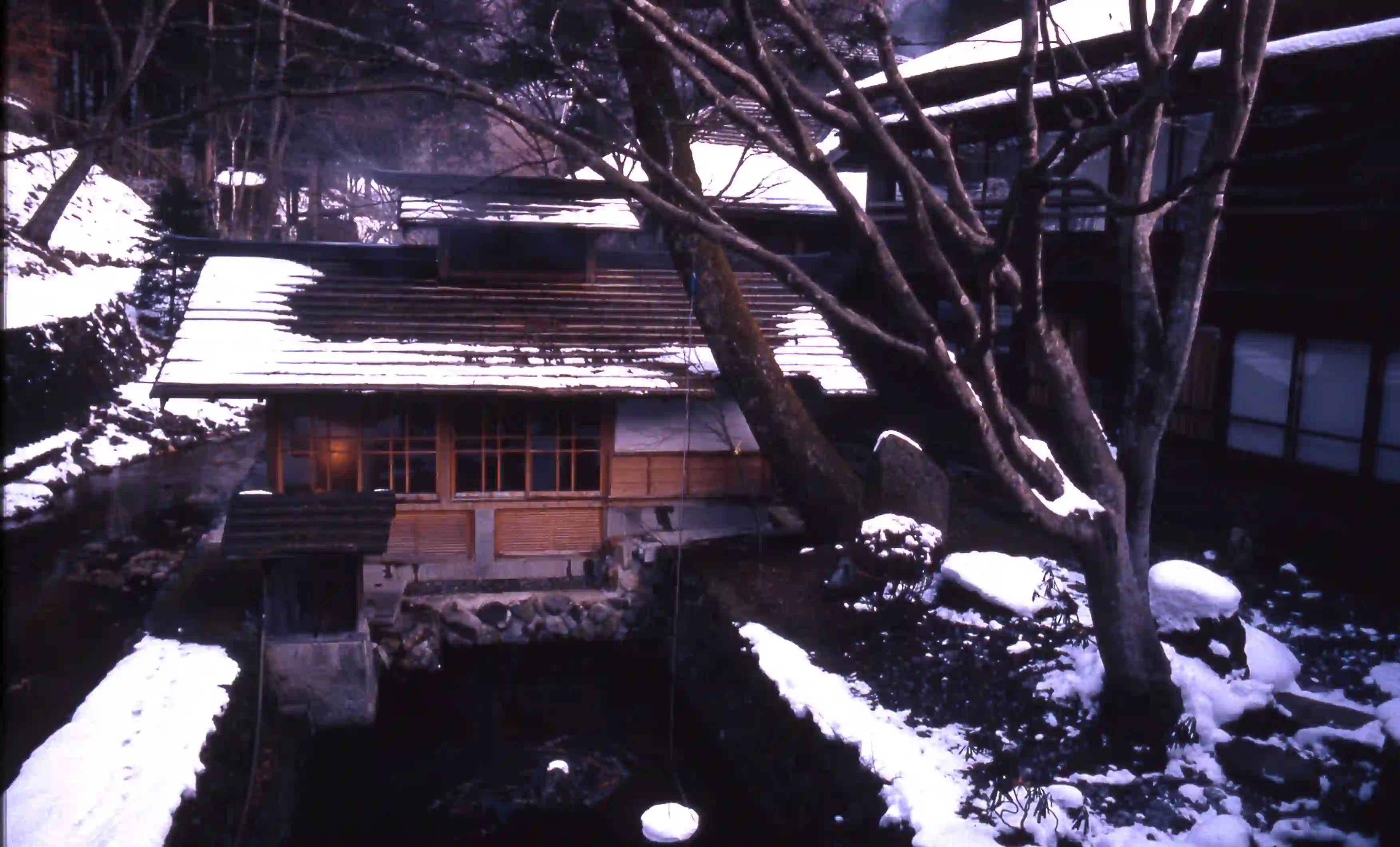
1. Nishiyama Onsen Keiunkan | Hayakawa, Japan (705)
"The ultimate testament to permanence; a misty valley enclave where legendary samurais bathed, guarded against the current of time by a single bloodline for exactly fifty-two generations."
Certified by the Guinness World Records as the oldest hotel in the world, Nishiyama Onsen Keiunkan possesses a stability that challenges human comprehension. It is easy to say, yet staggering to grasp: for exactly 1,300 years, 52 generations of a single family have continued to host travelers in the same valley, around the very same hot spring. This establishment, where what is passed down is not a business but a sacred duty, forces us to ask: Is true luxury found in gold-plated faucets and flashy lobbies, or in becoming one with nature and time in those steaming waters as part of a millennial tradition?
Time passes, civilizations transform, yet the need for refuge and belonging remains humanity's most primal instinct. The world's oldest hotels offer us not just a comfortable bed, but a quiet consolation against the passing centuries.
— Related Reading: 7 Documentaries That Will Change Your Relationship With the Planet