Why Is Japan Giving Away Houses for $0?
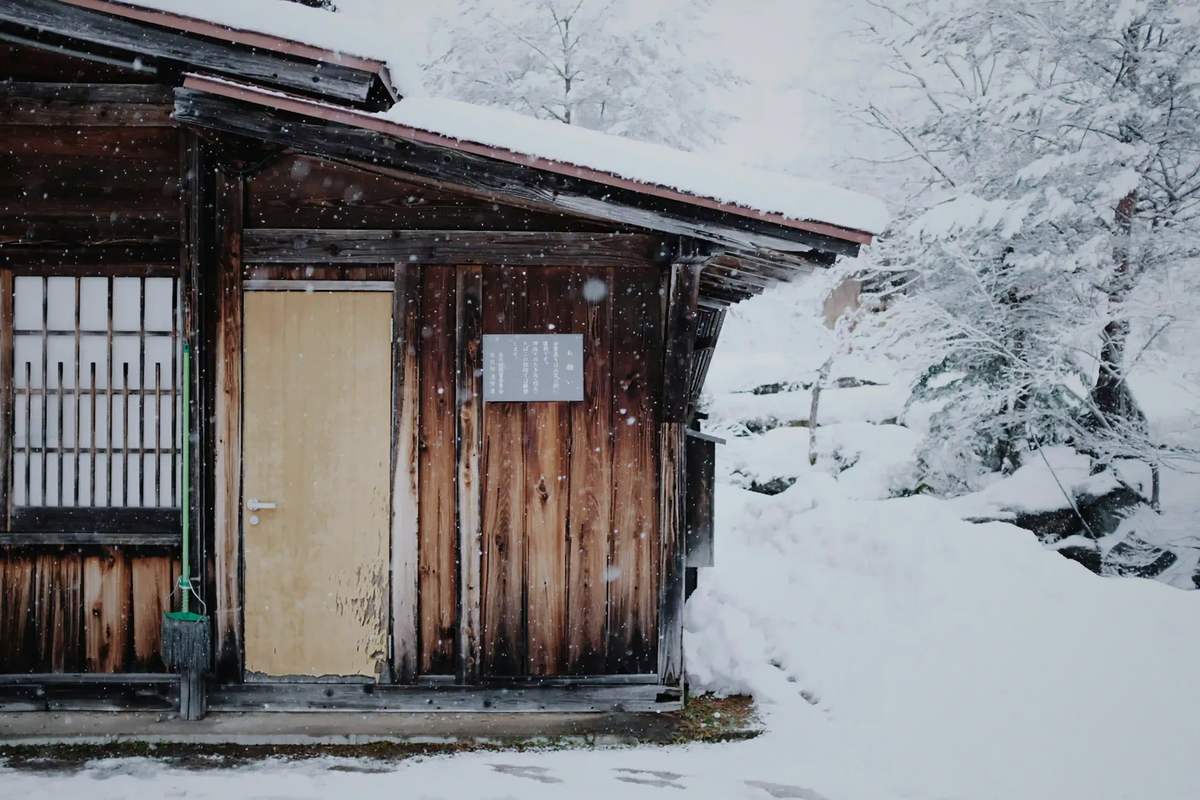
While modern travel culture is preoccupied with consuming specific coordinates, viral routes, and flawless frames of Mount Fuji, a completely different reality is quietly unfolding in Japan's interior. The idea of a "free house" might initially echo as a tempting investment opportunity or a digital myth. However, the $0 price tags in rural Japan are not a real estate loophole; they are a cry of demographic desperation from one of the world's largest economies.
The Nine Million Ghost Inventory
Today, Japan holds an inventory of over 9 million abandoned properties, known as Akiya. As the younger population migrates to megacities lured by the promise of employment and modern living, combined with the country's rapidly aging demographic, entire villages with centuries of history are slowly fading into silence. As humans retreat, nature rapidly reclaims the architecture built by human hands.
The Hidden Invoice of Free History
Desperate to prevent the total erasure of the countryside, local governments have found a solution in creating "Akiya Banks." Some houses are transferred for a symbolic $500, while others are given away entirely for free. Yet, there is a heavy condition attached to the deed: you must commit to living there permanently.
For observing artists, writers, or those seeking an escape from urban exhaustion, this presents the ultimate fantasy of owning a historic Japanese home for nothing. The architectural reality, however, is much harsher. The restoration cost of making a traditional house livable after years of vacancy can reach tens of thousands of dollars, while the number of traditional carpenters (miyadaiku) possessing the knowledge to repair these centuries-old wooden structures is dwindling by the day.
A Social Contract, Not a Property
One only needs to look at the capital to understand that this is not a romantic escape plan. Today, even on the outskirts of Tokyo, local officials on bicycles patrol neighborhoods to identify abandoned gardens swallowed by weeds. Because what local governments are giving you for free is not merely a structure of wood and tile. The system is placing the survival of a fading social fabric squarely on your shoulders.
This entire picture pushes the reader toward a fundamental inquiry: Is "property" in the modern world as independent a concept as we assume? Can a house you received for free truly transform into a peaceful sanctuary while the community around it is dying?
What Japan is distributing for zero dollars today is not its real estate; it is a desperate search for volunteer guardians to restart the pulse of the countryside and keep a society alive.