The European Illusion: Are Holidays Now Dirtier Than Cities?
We think we are escaping the metropolis's exhaust and gray skyline, but we might actually be flying toward some of the most toxic air on earth. A closer look at the "flawless getaway" fallacy hidden behind a transparent sky, and how the modern age has redefined ultimate luxury.
Every year, millions of travelers flock to the southern coasts of Italy, Croatia, or Turkey to escape the exhausting pace and suffocating air of city life. On paper, it is a flawless escape plan. Yet, the 2024 IQAir global air quality report drops a bitter irony right into the center of our modern travel habits: The sun-drenched dream destinations we retreat to in order to escape the city actually host some of the most polluted air in Europe.
The Invisible Danger and the Blue Sky Fallacy
Just because the sky looks crystal clear while you lounge on a beach does not mean the air you breathe is clean. The true danger remains invisible to the naked eye.
At the core of the issue is PM2.5—microscopic particulate matter thinner than a single strand of human hair that silently infiltrates our lungs and bloodstream. Data from the World Health Organization (WHO) starkly outlines the grim reality: Today, 99 percent of the global population breathes toxic air that fails to meet basic health standards.
The Collapse of the Mediterranean Dream
The report’s findings shatter our deep-rooted illusions about popular geographies. The epicenter of air pollution in Europe is measured in Balkan nations like Bosnia and Herzegovina, North Macedonia, and Serbia.
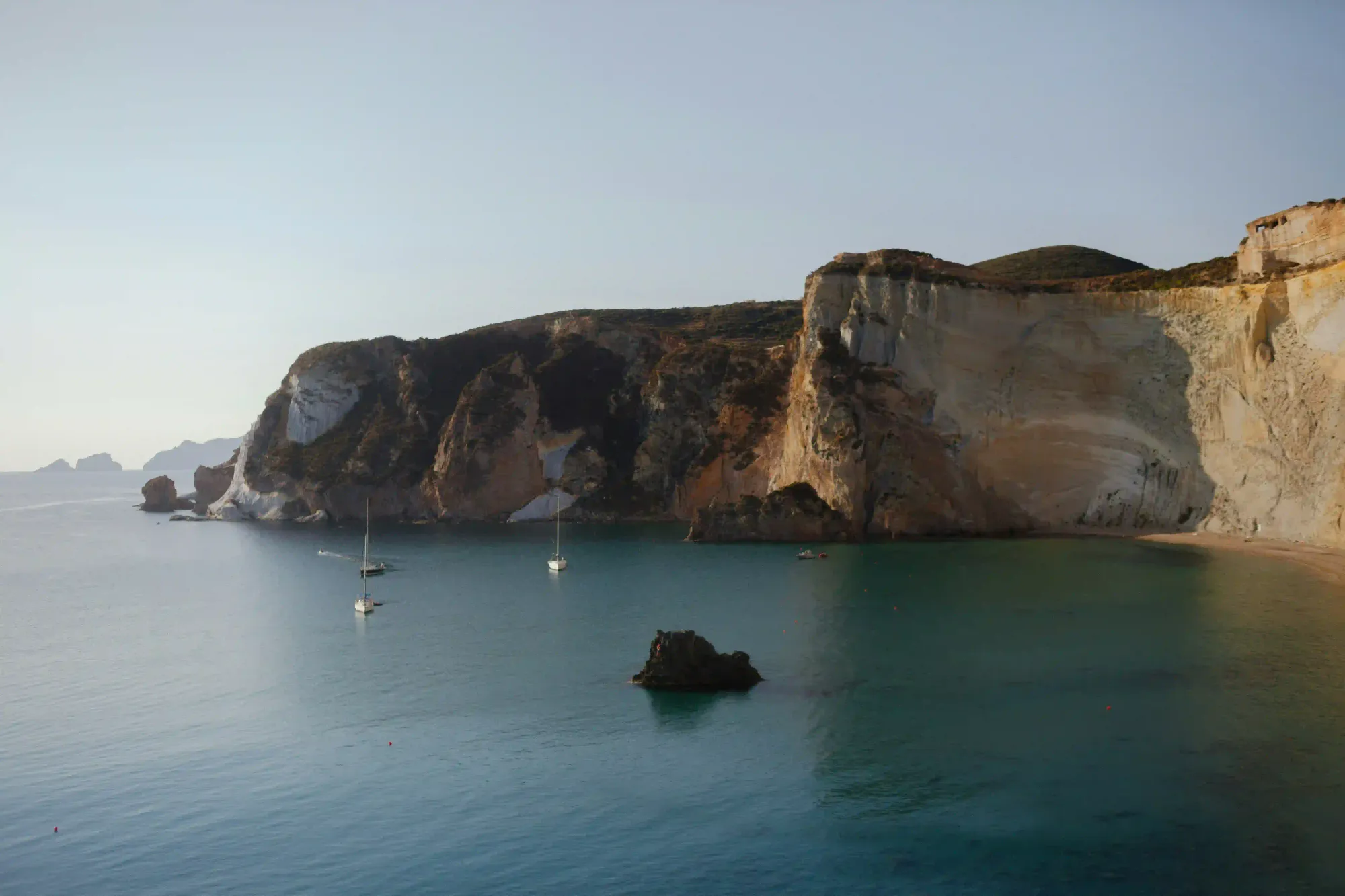
But the real surprise lies in our indispensable holiday sanctuaries: Greece, Cyprus, Italy, and Turkey emerge as the continent's most polluted tourism hotspots. On the very beaches we visit for a flawless tan, we are actually continuing to breathe the invisible exhaust of the industrial cities we thought we left behind.
A Geographic Fate or a Systemic Choice?
So, is it truly possible to take a clean breath in Europe? To do so, the modern traveler must point their compass not south, but to the freezing north. While Iceland boasts some of the cleanest air on the planet, Estonia, Finland, and Sweden stand as the continent's rare remaining "respiratory sanctuaries."
On a global scale, this divide is even sharper. Almost none of the holiday routes in the Middle East and Southeast Asia fall within safe limits. Perhaps the most thought-provoking detail of the report comes from East Asia: The fact that the 15 most polluted cities in the region are all in China, while the 15 cleanest are entirely in Japan, proves that breathing toxic air is not merely a geographic fate—it is a systemic and political choice.
The New Address for a Flawless Getaway
If your ultimate pursuit is both a warm beach and winds untainted by human hands, your options are rapidly dwindling. Across the entire globe, only 12 countries still meet the WHO’s strict clean air guidelines. Geographically isolated island territories like the Bahamas, Bermuda, and Barbados sit at the very top of this extraordinarily rare list.
The idea of a flawless global getaway is now little more than a romantic fallacy. We fly thousands of miles to leave the city behind, only to confront the reality that our industrial footprint has arrived on those beaches long before we did.
It seems the ultimate luxury of the modern age is no longer a five-star hotel suite with an ocean view; it is simply the privilege of taking a clean, deep breath.