Why Europe Is Rebuilding the Night Trains It Forgot
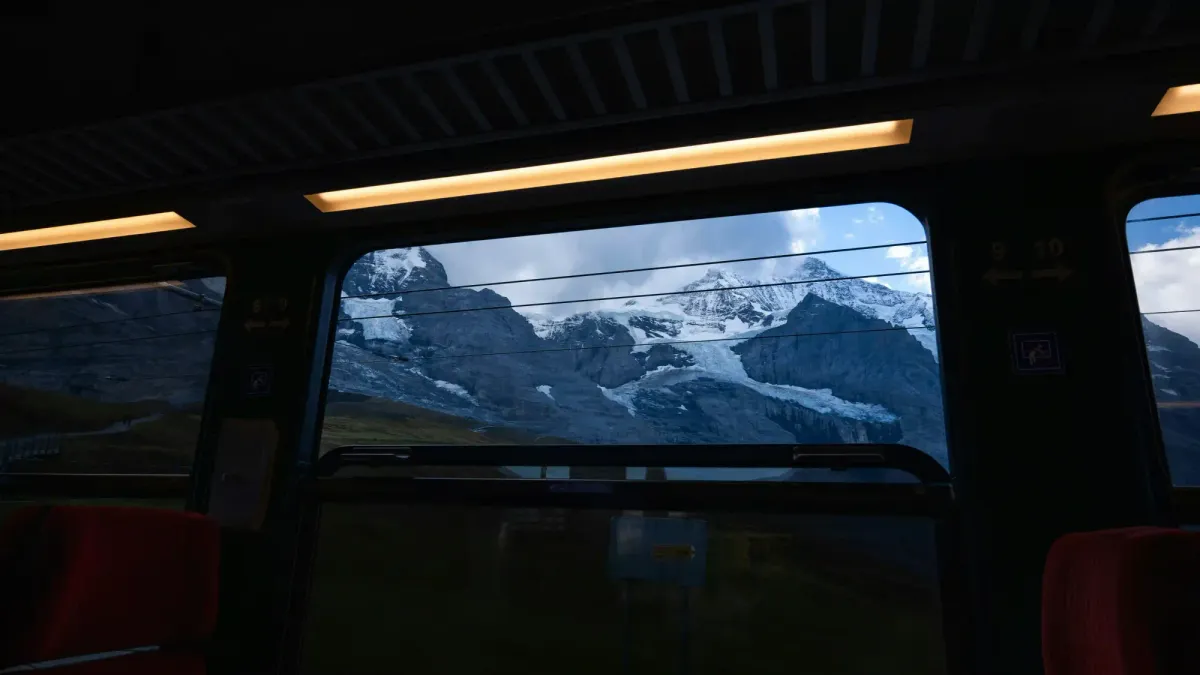
For a century, we engineered away distance. We conquered time. From supersonic aircraft to the sprawling networks of budget airlines that collapsed a continent into a single metropolis, modern travel culture rested on a singular obsession: getting from point A to point B as quickly as possible. But Europe's railways are experiencing a different kind of paradigm shift now. Sleeper trains—once thought completely obsolete, buried beneath aviation's relentless momentum—are returning to make the world feel large again.
In 2016, Germany announced it would shut down all international sleeper services, citing losses in the tens of millions. The skies filled with cheap tickets. Most railway analysts of the time interpreted this as the "inevitable death of the night train." Who would spend twelve hours rolling across tracks when you could fly at 900 kilometers per hour?
But Austria, confounding the experts, made an unexpected move. It purchased 42 sleeper cars that Germany was preparing to scrap—for 40 million euros—and laid the foundation for its own international night train network. Those same routes, abandoned a decade earlier because of losses, have now transformed into a vast transit ecosystem carrying over 1.5 million passengers annually, with waiting lists that stretch weeks and lines extending from Paris to Berlin, from Brussels to Rome.
So why did people suddenly choose slowness?
The Illusion of Flight and the Mobility Paradox
Aviation has spent decades advertising a seductive myth: that flying saves time. But a reality that urban planners call the Mobility Paradox—something the speed industry rarely mentions—shatters this careful fiction.
You buy a quick two-hour flight. But reaching the airport, often dozens of kilometers from the city center. Enduring queues for security. Navigating liquid restrictions. Waiting at baggage claim. The math is brutal: that brief journey produces five hours of what can only be called active exhaustion. The system teleports you between points, erasing the geography between them—erasing physical reality itself, and time along with it.
Getting from A to B stops being an act of discovery. It becomes a sterile procedure to be endured, then forgotten as quickly as possible. Night trains, by contrast, eliminate this grinding ordeal entirely. Passengers board in a city center, sleep, and wake in another city center—rested, oriented, grounded in place.

The Infrastructure Puzzle: Why It Never Worked Before
Night trains weren't suddenly rediscovered. They simply spent decades colliding with logistical and technical barriers that seemed insurmountable.
Europe's rail network was never a unified system. It was a vast puzzle where incompatible national standards clashed constantly. A sleeper train leaving Central Europe faced hour-long delays at every border crossing. Different countries operated on different electrical voltages—so at each frontier, the old locomotive had to be disconnected and a new one installed. Different signaling systems meant different drivers had to take over at each crossing. This operational nightmare stretched journeys and inflated costs.
That tangle has now been untied by a new generation of multi-voltage locomotives and unified signaling standards. A single locomotive can cross borders without stopping, without swapping crews, without transformation.
The Economics of Return
This sudden renaissance of night trains rests on something far more rational than carbon consciousness or nostalgia. The math is compelling.
When you want to fly from Vienna to Paris, budget airlines offer tickets between 80 and 150 euros. But add a night in a hotel—roughly 150 euros on average—plus airport transfers, and your "cheap" trip already exceeds 300 euros. You've also lost an entire day to transit. A sleeper car ticket from Vienna to Paris, when booked in advance to navigate dynamic pricing, costs around 140 euros. It solves two problems at once: providing thousands of kilometers of international travel and overnight accommodation, all while you sleep.
This profitable potential has drawn new competitors into the market. State railways are no longer the only operators. Independent startups and private companies are now putting new sleeper cars on the rails, though steep track access charges mean it remains a challenging frontier for newcomers. Simultaneously, the regulatory landscape is shifting. France has banned short-haul domestic flights on routes where a direct train alternative under two and a half hours exists. The European Union is tightening carbon emissions targets for transportation. The legal and economic momentum is suddenly, decisively, behind trains.
Yet, the true appeal of this renaissance extends far beyond practical economics.

From Sealed Capsules to Geography
An aircraft cabin is a pressurized vessel—a sealed capsule that isolates its passengers from the world outside. From that height, the earth becomes an abstraction, a two-dimensional map. You cross borders as jolts and shocks. You see nothing of architecture, borders, or the actual texture of the places below.
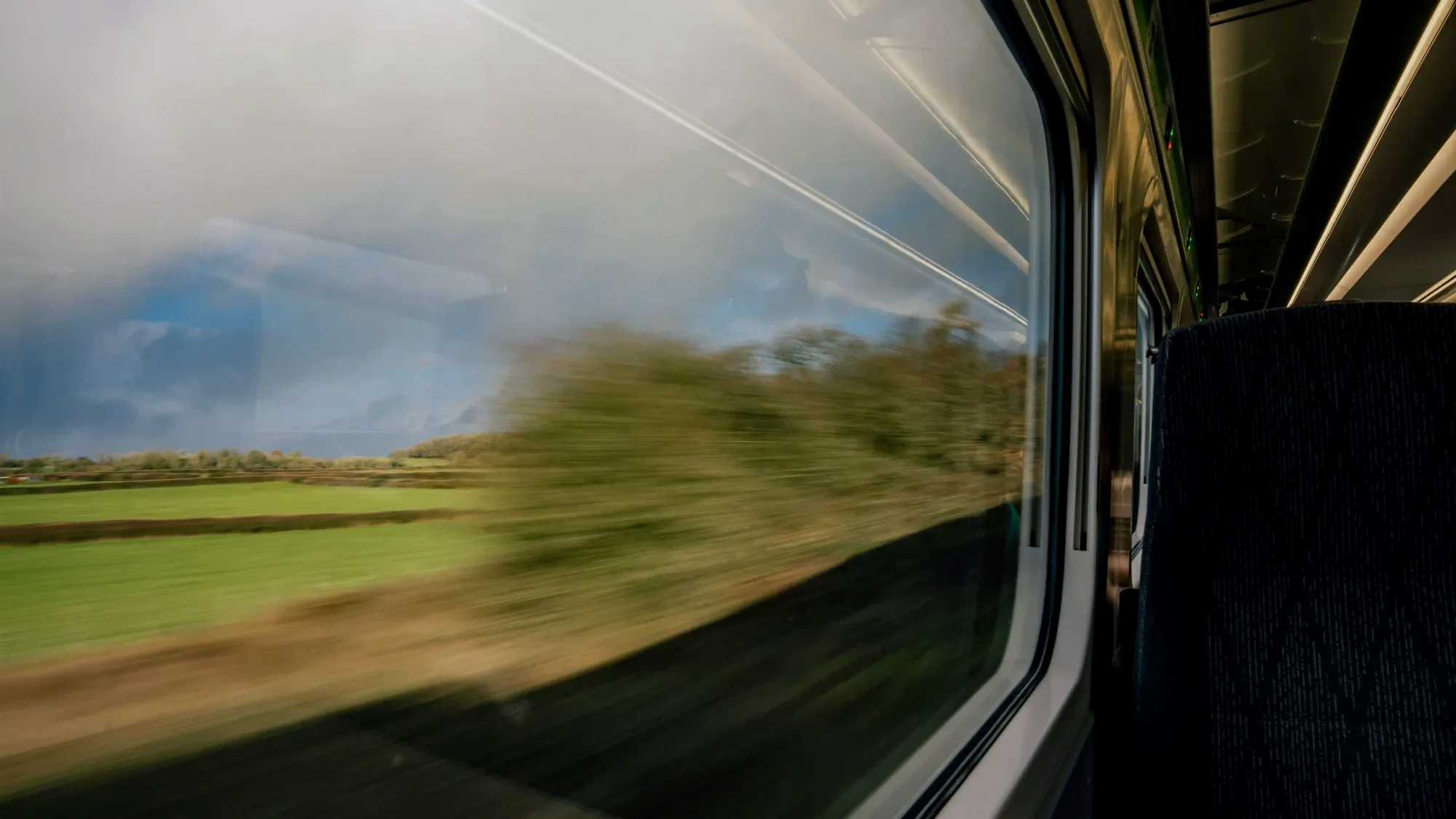
Night trains offer no such insulation. They keep you in continuous physical contact with the world. Boarding in Paris at dusk, you watch the landscape gradually unfold through your window. You see the Alps emerge from morning mist. You watch roof tiles slowly transform into the pitched, dark architecture of Central Europe. Distance becomes tangible. Borders are crossed, yes—but you witness the geography as it shifts.
For decades, budget airlines democratized speed. A ticket now costs what you'd spend on a modest dinner. But slowness—the luxury of watching a continent reveal itself over a full night—remains costly. It remains intentional. The 90-percent occupancy rates on Europe's night trains show this transformation is no longer reversible. The world is becoming large again.